
Medically reviewed by Dr. Nguyen Xuan Vu, MSc, Specialist Level II — BonBoz Clinic
Korean vs. conventional double eyelid surgery: What is the difference?
Looking into double eyelid surgery often leads you into a maze of terminology: Korean double eyelid surgery, hidden double eyelids, epicanthoplasty-assisted eyelid surgery. This article clearly distinguishes between actual surgical techniques and mere marketing labels.
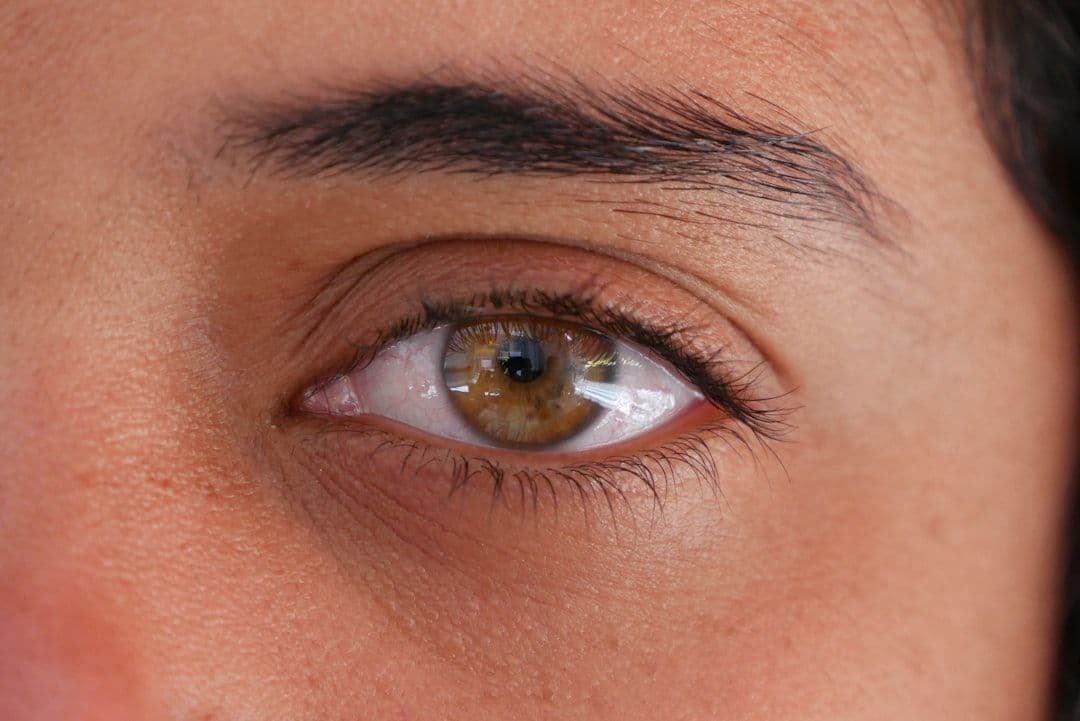
Quick Summary: Names such as "Korean double eyelid surgery," "aesthetic eyelid surgery," "hidden eyelid fold," or "new-technology eyelid surgery" are largely marketing terms, not distinct medical techniques. The real difference lies in what the surgeon actually performs on your eyelids: creating a crease, excising excess skin, removing surplus fat, or combining these steps. When going for a consultation, what you need to ask is not "what technology is this," but "what exactly needs to be addressed on my eyelids."
What is Korean double eyelid surgery in reality?
There is no medical standard defining "Korean double eyelid surgery." This phrase merely describes an eyelid aesthetic that is slim, natural, not excessively deep, and suitable for Asian facial features—rather than a distinct surgical method.
When a clinic advertises "Korean double eyelid surgery," they are referring to the desired aesthetic goal, not a unique technology.
What is actually different then?
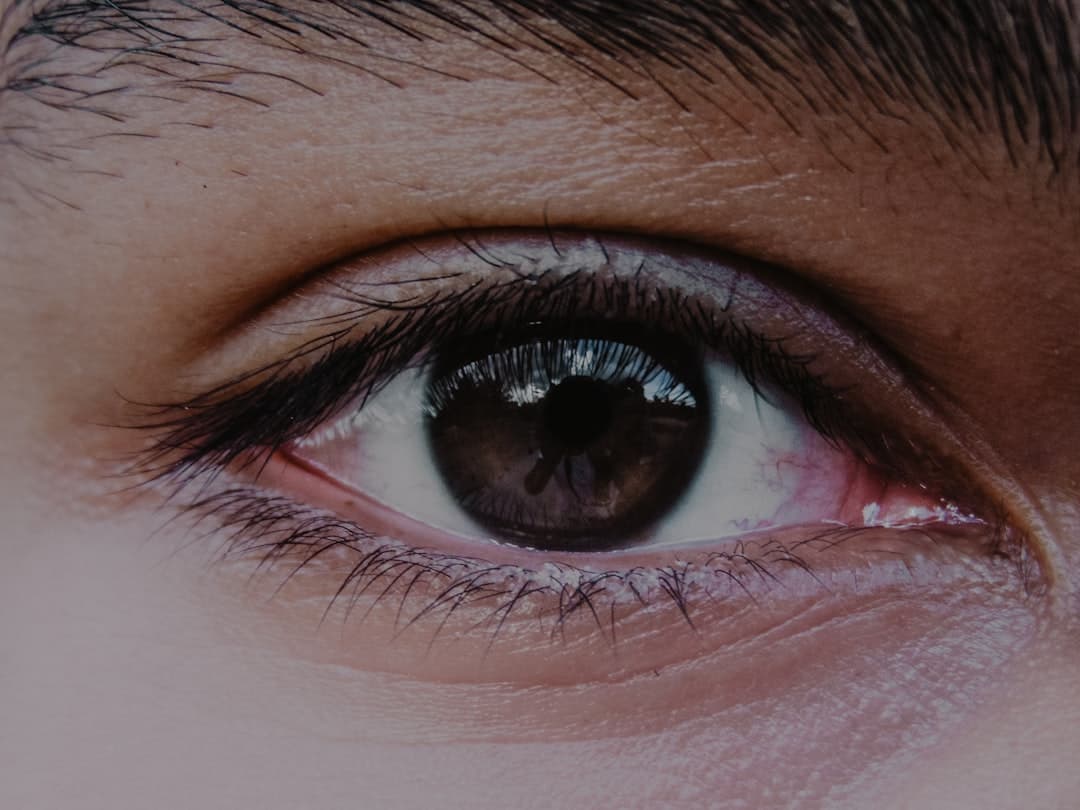
The real difference lies in what the surgeon addresses on your eyelids. Depending on your condition, a double eyelid surgery may require:
- Creating or reshaping the eyelid crease when there is no crease, or when the creases are asymmetrical
- Excising excess eyelid skin that causes the eyes to look heavy and tired
- Removing surplus eyelid fat when upper eyelid fullness causes a drooping sensation
- Combining the above techniques depending on your specific anatomical condition
These are clinical interventions that can only be determined through an in-person examination and precise measurements by a surgeon. They cannot be decided via photographs or remote consultations.
What are hidden eyelid folds and epicanthoplasty?
These terms describe the outcome or the scope of intervention, not technologies:
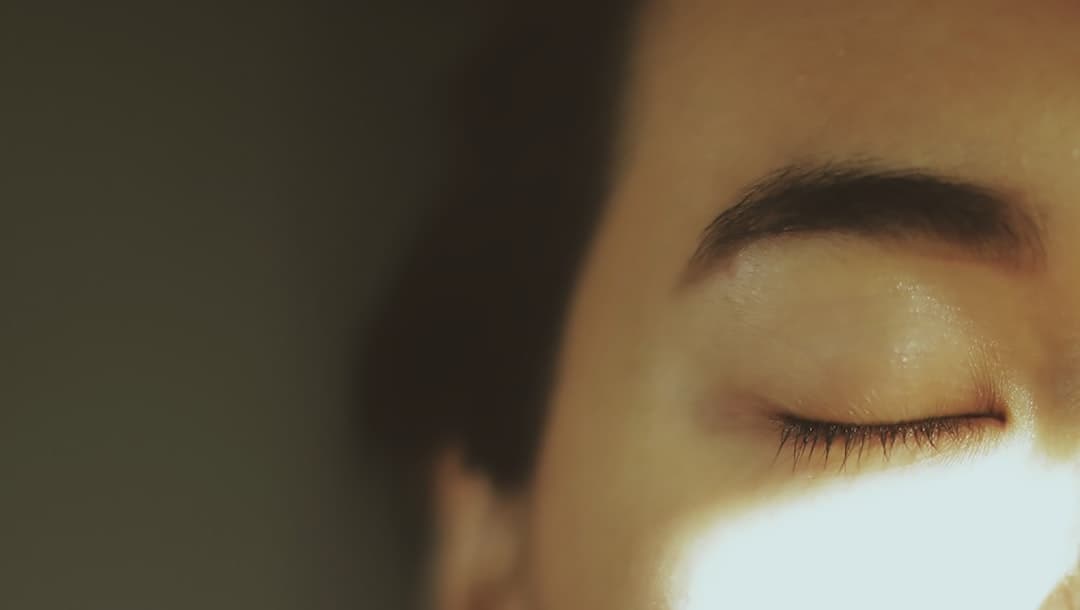
- Hidden eyelid fold (tapered/hidden crease) — refers to an eyelid crease that is slim, low, and subtle
- Epicanthoplasty (corner opening) — an intervention at the corners of the eyes (medial epicanthoplasty or lateral canthoplasty) to alter the length of the palpebral fissure
What should you ask during a consultation?
Instead of asking "what technology is used here," ask questions that reveal what the surgeon truly assesses during the examination:
- 1What is the actual condition of my eyelids—excess skin, surplus fat, levator muscle ptosis, or simply the absence of a crease?
- 2Given this condition, what exactly does the surgeon plan to perform during the procedure?
- 3Who will perform the surgery directly—a surgeon or a technician?
- 4Does the facility hold an official healthcare operating license, and what is the license number?
At BonBoz Clinic, double eyelid surgeries are performed directly by specialized surgeons, at a clinic operating under Healthcare Operating License No. 10036/HCM-GPHĐ (Specializing in Plastic and Aesthetic Surgery) issued by the Department of Health of Ho Chi Minh City.

How should you care for your eyelids after surgery?
Regardless of the marketing name, the postoperative care protocol for double eyelid surgery remains the same. According to the postoperative care instructions at BonBoz Clinic:
| Timeline | Required Care |
|---|---|
| Days 1–2 | Apply cold compresses for 10–15 minutes/session, with a 1-hour interval between sessions |
| Day 3 onward | Switch to warm compresses |
| Day 7 | Suture removal at the clinic |
| First month | Abstain from seafood, beef, glutinous rice, water spinach, alcohol, and stimulants. Do not wear makeup or contact lenses |
| Months 1, 3, 6 | Periodic follow-up visits |
Additionally: keep your head elevated while lying down, do not rub your eyes, gently clean the eyes with normal saline (avoid tap water entering the eyes), wear sunglasses when going outdoors, and avoid direct airflow from air conditioners into your eyes.
Contact the surgeon immediately if you experience abnormal severe swelling, heavy bleeding or pus drainage, fever above 38.5°C, spreading redness and inflammation, or an inability to close your eyes completely after 1 week. Hotline: 0869 612 310 · 1900 5309.
Conclusion
A marketing name does not determine the outcome. What determines the outcome is a surgeon who accurately evaluates your eyelid anatomy and addresses the root issues correctly. When consulting, focus on the clinical diagnosis and surgical plan rather than being swayed by appealing terminology.
Content compiled and medically reviewed by the medical team at BonBoz Clinic.
Read more: 5 criteria for choosing a quality double eyelid surgery clinic in HCMC
Frequently Asked Questions
Is Korean double eyelid surgery a distinct surgical technique?
No. There is no medical standard defining "Korean double eyelid surgery." This is merely a descriptive term for a slim, natural eyelid crease suited for Asian facial structures—not a separate surgical method.
Where does the real difference between eyelid surgeries lie?
In what the surgeon actually performs: creating or reshaping the crease, excising excess skin, removing surplus fat, or a combination of these steps. This depends on each individual's anatomical condition and requires an in-person clinical assessment.
How does a hidden eyelid fold differ from epicanthoplasty?
A hidden eyelid fold describes a crease shape that is slim, low, and subtle. Epicanthoplasty is an intervention at the eye corners to alter the horizontal length of the palpebral fissure. These two terms describe entirely different aspects.
How long after surgery are sutures removed, and how long must dietary restrictions be followed?
Sutures are removed on Day 7 at the clinic. You should avoid seafood, beef, glutinous rice, water spinach, alcohol, and stimulants for the first month.
What should you ask during an eyelid surgery consultation?
Ask what condition your eyelids present with, what specific steps the surgeon plans to perform, who will perform the surgery directly, and what the clinic’s healthcare operating license number is.
1. Are double eyelid surgery results permanent?
Double eyelid surgery results typically last for many years, but they cannot be considered strictly permanent. The body's natural aging process and individual factors such as skin architecture and lifestyle habits will continue to progress over time. For an accurate assessment of how long the results may last for your specific case, visit BonBoz Clinic for an in-person clinical examination and consultation with our surgeons.
This article is for reference only and does not replace an in-person examination or a doctor's diagnosis. Actual results vary by individual condition.