Acne Treatment
Acne is a skin condition — it should be treated with a medical protocol, not a service package.
Xem chi tiết →
This group handles skin problems that need a medical protocol: acne (hormonal, hidden, inflammatory, steroid-induced), acne scars (ice pick, boxcar, rolling), melasma, freckles and post-inflammatory marks. The doctor identifies the lesion type and cause first, then builds and adjusts a protocol based on how your skin actually responds.
Skin has its own renewal cycle; most protocols need several sessions and follow-up. This page helps you recognize your concern before your visit.
This page is for you if
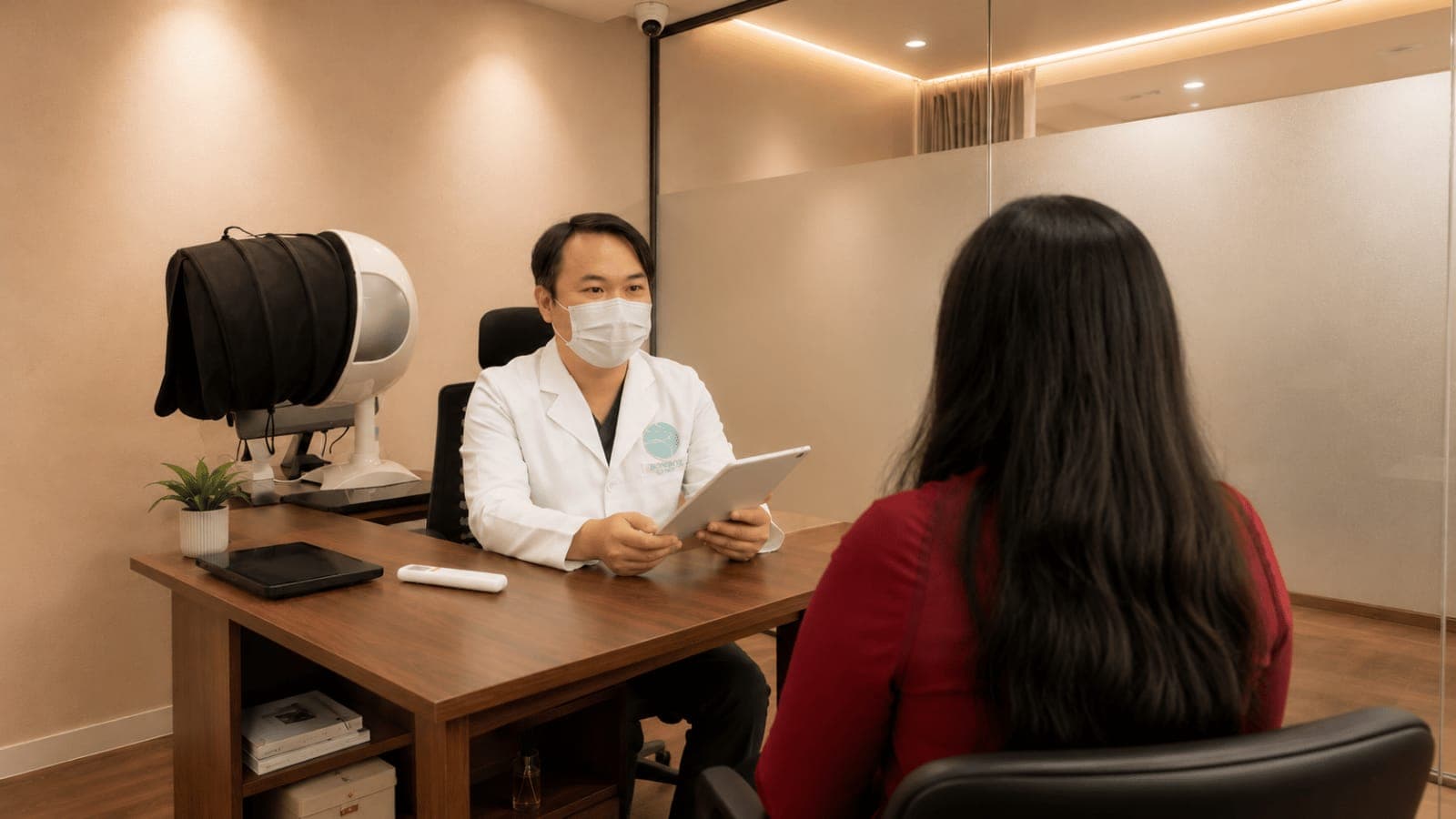
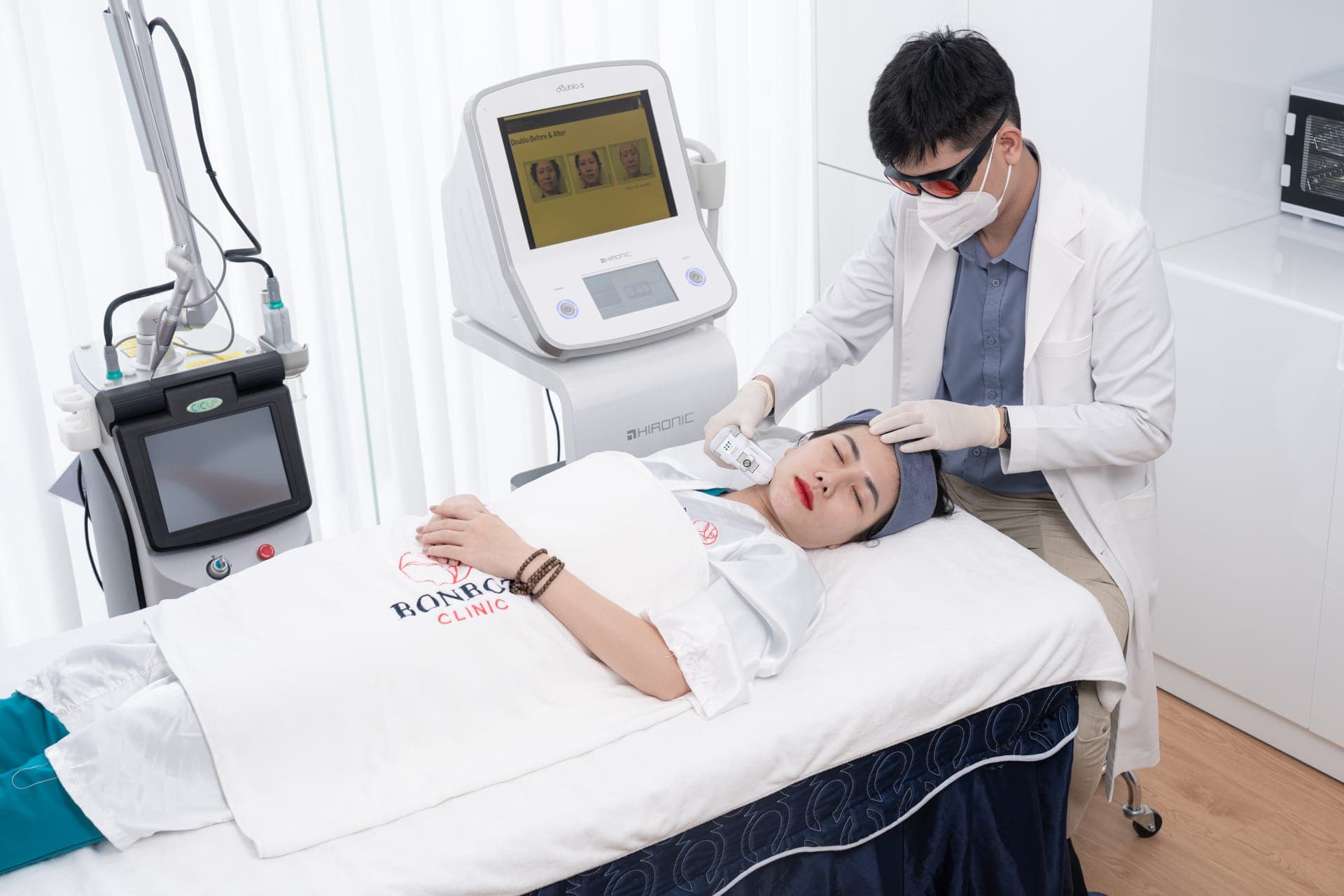
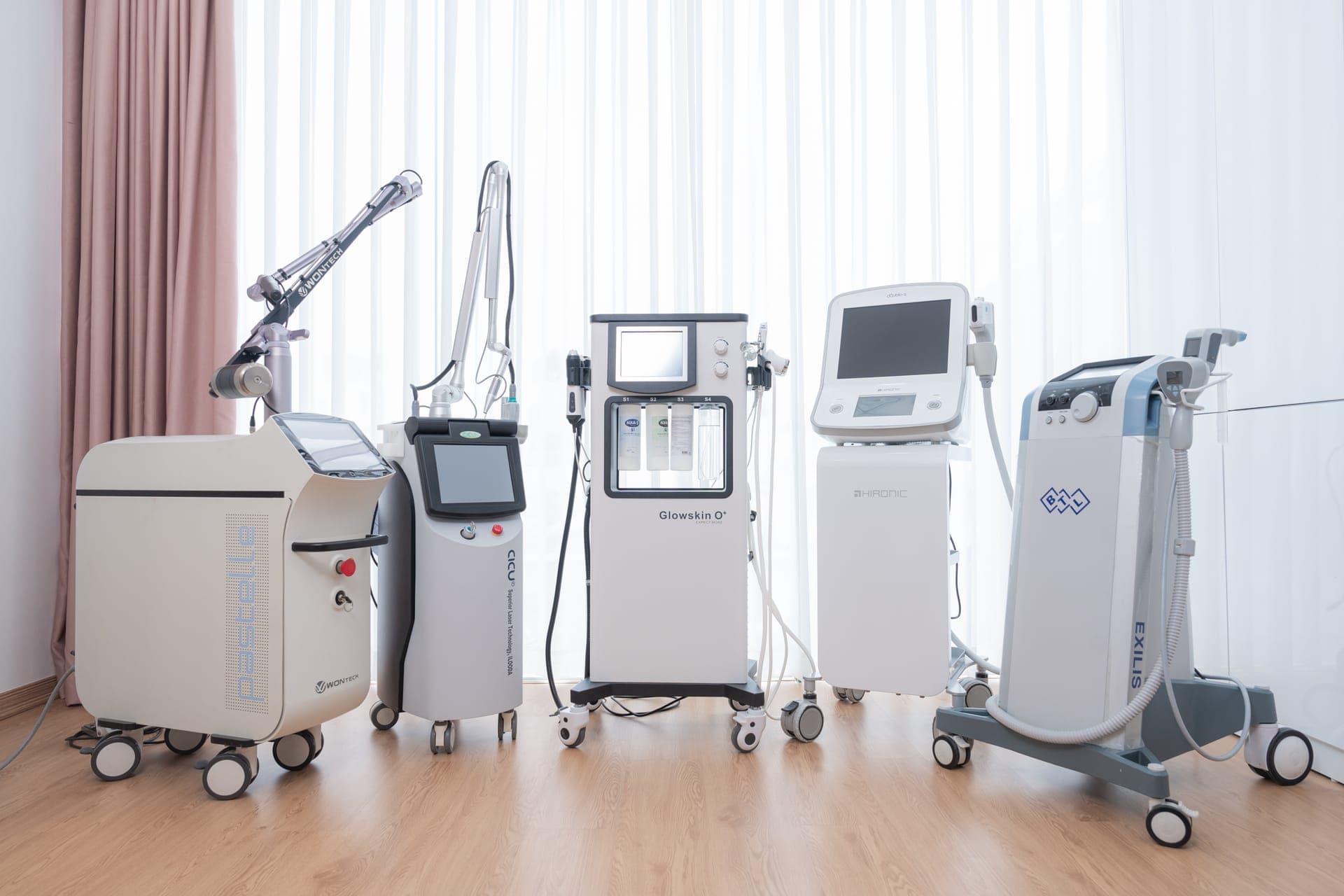
Real photos at 66–68 Vo Van Tan, Ho Chi Minh City.
Acne is a skin condition — it should be treated with a medical protocol, not a service package.
Xem chi tiết →Each page answers directly: severity, when to see a doctor, how BonBoz treats it.
Sensitive skin occurs when the skin barrier is compromised, presenting symptoms such as redness, a burning sensation, stinging upon product application, mild flaking, and frequent breakouts. Common causes today include the overuse of active ingredients, undergoing chemical peels or laser treatments too frequently, or using counterfeit creams containing corticosteroids.
Excessive sebum production leaves the face shiny after just a few hours, causing makeup to slip, pores to become more visible, and skin to be prone to closed comedones. Washing your face frequently and using drying products only stimulates the sebaceous glands to produce even more oil.
Adult acne after age 25 typically appears on the chin, jawline, and neck, presenting with fewer blackheads and more deep inflammatory lesions that often flare up with menstrual cycles and stress. At this stage, the skin becomes thinner and more prone to dryness, making it unsuitable for the aggressive treatment regimens used for teenage acne.
Acne on the back and chest develops on thicker skin with a high concentration of sebaceous glands, constantly exposed to sweat and friction from clothing. These breakouts easily turn into deep inflammatory lesions, leaving dark spots and scars that persist longer than facial acne, while showing limited response to standard topical treatments.
Keloids are raised, extend beyond the original wound, and are often itchy, red, and prone to recurrence with simple surgical excision. Their treatment differs entirely from that of atrophic scars, involving intralesional injections, vascular lasers, and compression therapy — requiring months of patience and close monitoring for recurrence.
Unregulated homemade bleaching creams and herbal alcohol solutions often contain corticosteroids. While they may improve skin appearance for a few weeks, stopping their use leads to skin thinning, erythema, and severe rebound breakouts. Recovery requires a proper tapering process under a doctor's supervision—do not discontinue use abruptly on your own.
Blackheads are oxidized sebum plugs at open follicular openings, not trapped dirt. Pore strips and manual extraction provide immediate results but enlarge pores and lead to recurrence — proper follicular clearance is essential.
Inflammatory acne is red, swollen, and painful; nodular acne is larger and deeper; cystic acne presents as large, deep inflammatory pockets beneath the skin that can easily lead to atrophic scars. These three severity levels require distinct treatment protocols, and they all share one critical rule: do not attempt to pop or squeeze them yourself.
Closed comedones are sebum plugs trapped deep within the follicles—rough to the touch, visible as tiny bumps under angled light, with no swelling or protruding head. Squeezing is ineffective, and picking only causes inflammation—proper pore clearance and patience are essential.
Hormonal acne typically appears around the chin and jawline, flaring up cyclically or with stress due to internal hormonal fluctuations. Surface-level skincare cannot address the root cause—it requires a dermatologist's treatment regimen and time.
Enlarged pores are commonly caused by oily skin, aging, and sun damage that reduces elasticity around the hair follicles. While no product can shrink them permanently, their appearance can be significantly minimized by addressing the root causes.
Post-acne dark spots are flat areas of hyperpigmentation caused by post-inflammatory hyperpigmentation, distinctly different from atrophic acne scars, which are indented depressions in the skin. These dark spots can gradually fade with proper sun protection and by avoiding picking or squeezing; however, if they persist for several months without improvement, you should consult a doctor.
Rolling scars create a wavy, uneven skin texture with sloping edges, caused by subcutaneous fibrous bands tethering the base of the scar downward. Because the root cause lies beneath the skin, subcision is typically a crucial step before performing surface resurfacing.
Boxcar scars are depressed areas with well-defined, steep edges and a relatively flat base, making them wider than ice pick scars. This type of scar responds relatively well to skin resurfacing techniques when accurately classified as superficial or deep.
Ice pick scars are small, narrow, yet deep indentations that resemble needle punctures—the most challenging type of atrophic scar because superficial treatments cannot reach the base of the scar.
Mechanism, procedure, risks and who should not have it — to understand before you decide.
Extracting comedones and 'ripe' acne in a sterile environment, using the correct tools and appropriate pressure — to enhance medication absorption and reduce post-inflammatory hyperpigmentation. Deep inflammatory acne, cystic acne, and nodules should not be squeezed.
Chemical peels utilize acids at controlled concentrations and pH levels to remove dead skin cells and stimulate skin renewal: salicylic acid for acne and oily skin, glycolic acid for dull skin, and low-concentration TCA for dark spots and skin texture. The depth of the peel determines its efficacy and downtime.
Subcision uses a specialized needle inserted beneath the skin to release the fibrous bands tethering the scar base down—a core step for rolling scars, often combined with laser or microneedling to smooth the skin surface afterward.
TCA CROSS delivers high-concentration acid directly to the base of each scar to stimulate regeneration from the bottom up—a technique specifically used for deep ice-pick and boxcar scars that surface lasers cannot reach.
Microneedling creates thousands of micro-injuries to stimulate natural collagen production—minimally invasive, offering fast recovery, and ideal for shallow pitted scars and rough skin texture. For deeper scars, microneedling alone is often insufficient and requires combination treatments.
RF microneedling delivers radiofrequency energy through micro-needles deep into the dermal layer, stimulating collagen production with minimal surface disruption—making it ideal for deep pitted scars, thick skin, hyperpigmentation-prone skin, and enlarged pores.
Fractional CO2 laser creates thousands of controlled micro-injuries to stimulate the skin's natural collagen regeneration, elevating the base of pitted scars. It is effective for shallow to moderate boxcar and rolling scars; multiple sessions and strict sun protection are required.
Chuyên khoa Da liễu Thẩm mỹ
Choose a date, time slot and doctor — the clinic calls to confirm within 5 minutes during opening hours. Free, no commitment.
A single face may have a combination of ice pick scars, boxcar scars, and rolling scars. Rather than following a rigid sequence, the physician tailors a treatment plan based on the scar architecture and clinical assessment.
Are atrophic acne scars hereditary or influenced by one's genetic makeup? Why is it that some people develop severe scarring while others experience minimal to no scarring despite having the same level of acne? If someone is genetically prone to scarring, can it be prevented?
Does wearing makeup to cover atrophic acne scars damage the skin? Here is why proper cleansing is crucial, how to achieve natural coverage, and key precautions to prevent skin damage.
How do atrophic scars on the cheeks, forehead, and nose differ in characteristics and treatment response, which areas require extra caution, and what factors ultimately determine the results?
Will acne scars return after treatment, why does the skin sometimes look worse temporarily, and how can you maintain long-term results through proper skincare and acne control?
How do atrophic scars and enlarged pores differ, why are they easily confused, can they coexist, and can they be treated simultaneously? — Helping you choose the right path.
We use cookies to understand how you use our website and to improve your experience. You can decline and still use all features. Personal Data Protection Policy