
Medical-Grade Acne Extraction
Medical-grade comedone extraction is a procedure that removes blackheads, whiteheads, and pustules that have formed a core under sterile conditions. The process involves disinfecting the area, softening the comedone, and creating an exit pathway with a sterile needle. The comedone is then extracted using specialized tools with controlled pressure. Finally, the area is disinfected and soothed.
Compiled from BonBoz Clinic clinical documentation — currently in medical review
Why Should You Extract Comedones Instead of Popping Them Yourself?
Clogged comedones in hair follicles cause inflammation; topical treatments penetrate poorly through thick comedones. Proper extraction opens a pathway for removal without damaging the follicle wall. Popping with hands or non-sterile tools often pushes the comedone deeper, tears the follicle wall, and pushes bacteria into the dermis — resulting in more severe inflammation, hyperpigmentation, and pitted scars. This is the most common cause of pitted scars in young individuals.
How is Extraction Different from Popping at a Spa?
Three key points: Indication — the dermatologist examines the skin and identifies which comedones can be extracted (blackheads, whiteheads, pus-filled comedones) and which cannot (red inflamed comedones that are not ready, cysts, nodules, corticoid-induced acne); Technique — creating an exit pathway with a sterile needle in the direction of the follicle, applying moderate pressure without excessive force; Sterility and Post-Procedure Care — using sterilized tools, disinfecting, applying topical anti-inflammatory treatments or soothing light therapy, along with a prescribed skincare regimen. Extraction is a step in acne treatment, not a standalone procedure.
Indications
Deep closed comedones, blackheads in the nose-chin area, whiteheads, and pus-filled comedones that have formed on skin undergoing treatment; before peels or laser treatments on the same day. The frequency is typically every 2–4 weeks during the initial treatment phase, decreasing as the skin stabilizes.
Risks to Be Aware Of
Redness and slight swelling for a few hours to 1–2 days; temporary hyperpigmentation at the extraction site (reduced with sun protection); increased inflammation if unripe comedones are extracted; scarring if excessive force is used or if deep inflamed comedones are extracted; infection if tools are not sterile. Over-frequent extraction can irritate the skin.
At BonBoz
The dermatologist examines the skin and identifies each comedone for extraction; the procedure is performed by a trained dermatology nurse under the supervision of the doctor using sterilized tools. After extraction, anti-inflammatory treatments are applied, soothing light therapy may be used, and a prescribed medication regimen is followed. The doctor monitors the number of new comedones at each visit to adjust the treatment plan, avoiding isolated extractions without a treatment strategy.
Technique variants
1
Non-inflammatory acne extraction
Blackheads and comedones — extracted after softening the skin.
2
Mild inflammatory acne management
Includes enhanced disinfection and thorough post-care protocols.
3
Postpone extraction, prioritize medical treatment
For severe inflammatory or cystic acne — extracting at this stage risks scarring.
When should you see a doctor?
- Inflammatory, swollen, red acne and painful cystic acne — extracting at this stage can easily cause scarring, requiring medical management first.
- Skin currently infected or having open wounds.
- Currently taking isotretinoin — the skin is thinner and more fragile than usual.
- Planning to undergo regular extractions as a routine habit without a prior skin analysis and personalized treatment protocol.
How is it performed?
Disinfect the skin area; soften the core with warmth or a solution; create an exit point at the top of the core using a sterile needle in the direction of the hair follicle; use a round-tipped extraction tool to gently squeeze from both sides to fully extract the core, without repeated pressure; disinfect each point again; apply a topical anti-inflammatory or use soothing light therapy. The duration is 20–40 minutes depending on the number of lesions.
Before the procedure
Conduct a skin examination and mark areas of extracted acne. Ensure thorough cleansing and makeup removal. If the skin is prone to irritation, discontinue retinoids for 2-3 days. Additionally, report any current medications and history of keloids.
After the procedure
Do not touch or apply makeup for 12–24 hours; gently cleanse the face and use sunscreen; continue the prescribed topical regimen as directed by the doctor; mild redness will subside within 1–2 days; the next session should be scheduled in 2–4 weeks based on progress.
Possible risks — your doctor explains them before treatment
- Redness and slight swelling for 1-2 days
- Temporary bruising at the extraction site
- Worsening inflammation if the pimple is not fully formed
- Scarring if excessive force is used or if deep inflamed pimples are extracted
- Infection if aseptic techniques are not followed
Who should NOT have this?
- Red inflammatory acne without pus, cystic acne, and nodular acne
- Acne caused by corticosteroids, and folliculitis due to fungi (requires addressing the underlying fungal infection)
- Skin is currently irritated, with a compromised skin barrier
- Currently using high-dose isotretinoin (thin skin, prone to scarring)
- Tendency for keloid scarring in the chest and shoulder areas
How BonBoz uses it
Subcision
Subcision involves using a specialized needle inserted under the skin to sever the fibrous bands pulling the scar base downward—an essential step for rolling scars, often combined with laser therapy or microneedling to smooth out the skin surface afterward.
Learn about this method →TCA CROSS
TCA CROSS applies high-concentration acid directly into the base of each scar to stimulate regeneration from below—a technique specifically designed for ice pick scars and deep boxcar scars that surface lasers cannot reach.
Learn about this method →Microneedling
Microneedling creates thousands of micro-injuries to stimulate natural collagen production—minimally invasive with quick recovery, ideal for shallow scars and uneven skin texture. For deeper scars, microneedling alone is often insufficient and requires combination treatments.
Learn about this method →Acne Treatment
Service page: A specialist examines your skin, recommends a suitable treatment plan, and provides clear cost estimates before you decide.
Learn about this method →Want a cost range for your own case?
Estimate the cost →Cost guidance
The cost depends on the number of sessions in your treatment plan and your current acne severity; home care products are charged separately.
The final price follows the doctor’s recommendation after an in-person exam. A confirmed quote has no hidden extras.
Inside the BonBoz clinic
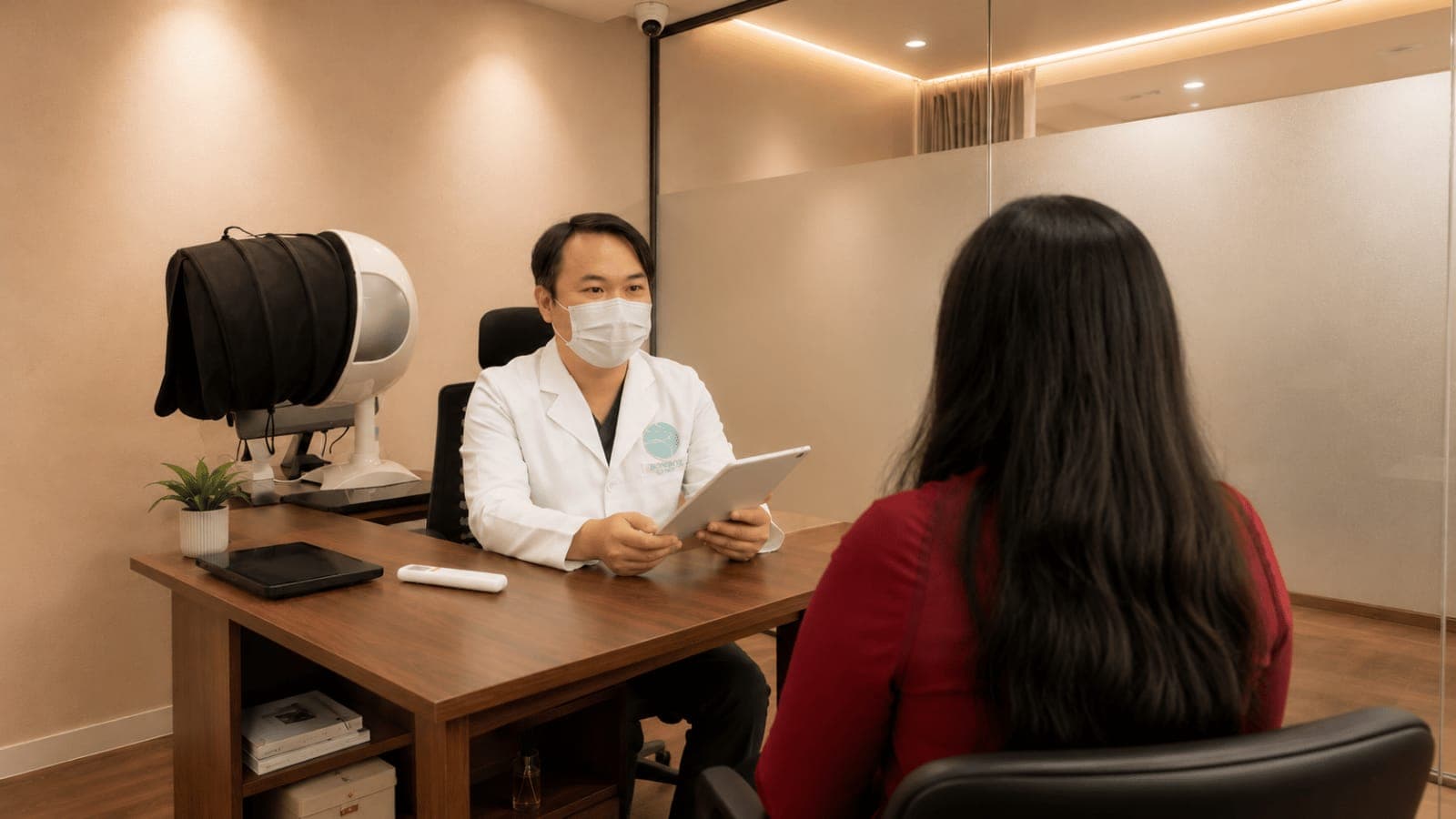
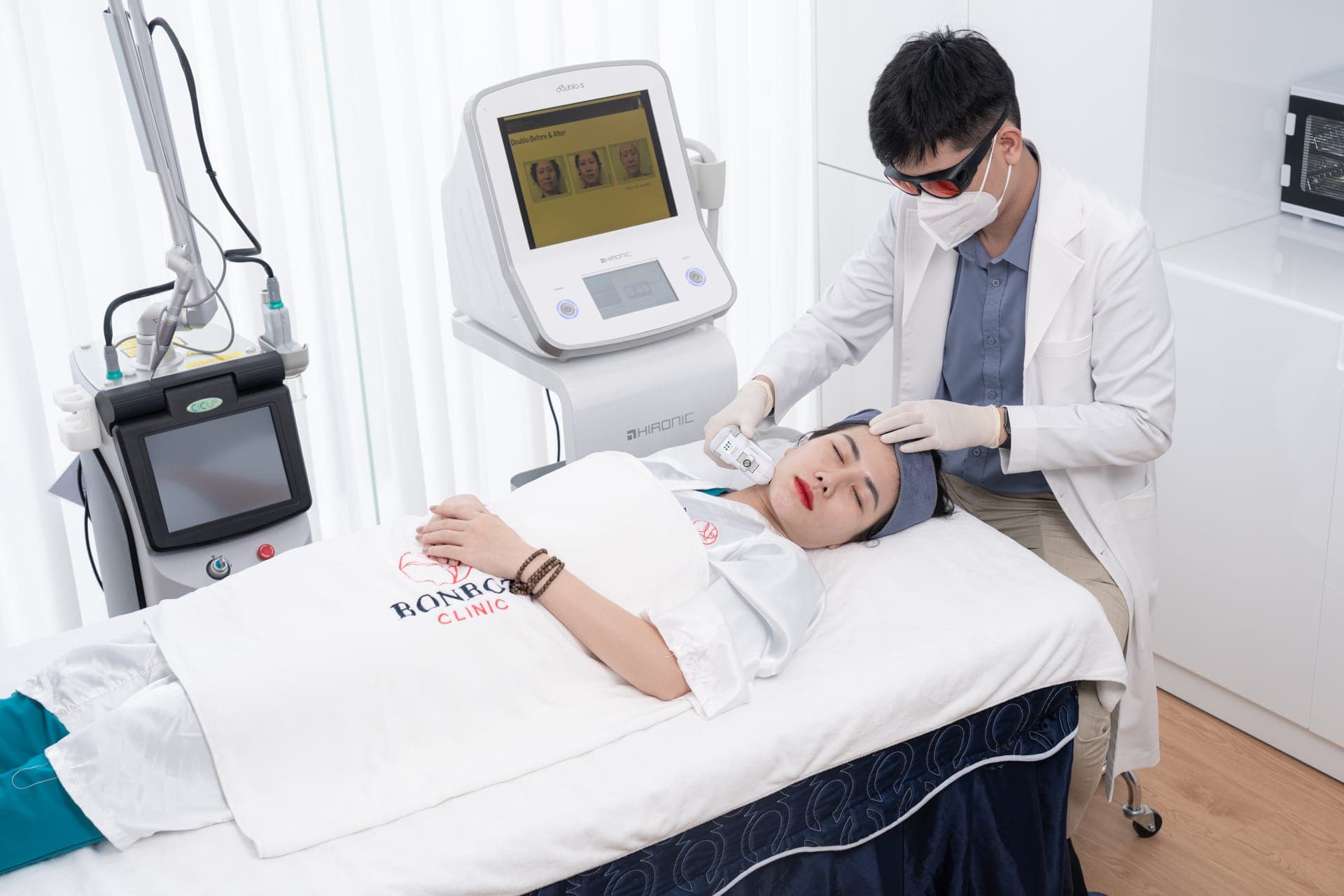
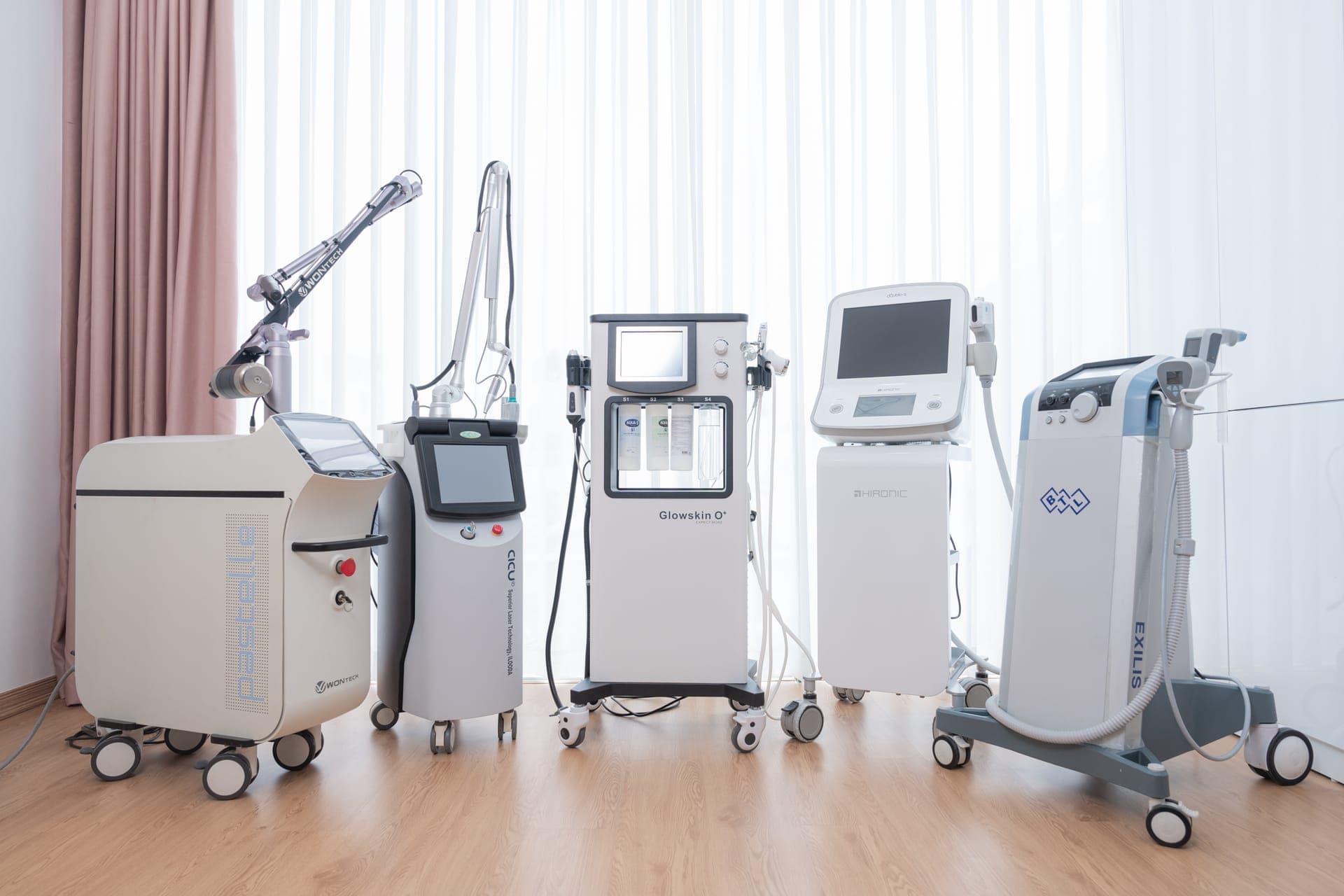
Book a consultation with a doctor
Choose a date, time slot and doctor — the clinic calls to confirm within 5 minutes during opening hours. Free consultation, no commitment.
Frequently asked questions
Is extracting acne painful?
Will there be any dark spots after extraction?
How often should extractions be done?
Can cystic acne or nodular acne be extracted?
Does extraction completely eliminate acne?
How long after extraction can I have a peel or laser treatment?
Is it okay to use a comedone extractor at home?
Will blackheads on the nose return after extraction?
Related topics
- Microneedling Costs: How Pricing Is Determined and When It Is Worth It
- Laser Atrophic Scar Treatment Costs: Per-Session and Package Pricing
- Medical-grade Acne Treatment Cost: Pricing per Session and Full Treatment Plans
- Chemical Peels for Acne, Hyperpigmentation, and Dull Skin: Acid Types, Peel Depths, Procedure, and Contraindications
- Sensitive, Red, and Stinging Skin: A Damaged Skin Barrier Following Improper Treatment and the Recovery Protocol
- Persistently Oily and Shiny Skin: Why Frequent Cleansing Still Leaves It Oily, How to Control Sebum and Reduce Clogged Pores
More from our doctors
Medical-Grade Acne Extraction Protocol: Proper Techniques to Prevent Scarring
Medical-grade acne extraction is a procedure performed by a qualified dermatologist, using sterile instruments and proper techniques to safely remove acne without damaging the skin.
Post-Acne Extraction Care at the Spa: Secrets to Preventing Dark Spots and Scarring
Facial extraction aftercare step by step: what to apply, what to avoid and for how long, so extracted spots heal without dark marks or scars — guidance from a BonBoz dermatologist.
Should Blackheads Be Popped?
You should not extract blackheads at home. Improper extraction can easily lead to inflammation, post-inflammatory hyperpigmentation (PIH), and scarring—it is best to cleanse properly and let professionals handle the procedure when thorough removal is needed.
Red, Inflamed Acne: Why You Shouldn't Pop It Yourself and How to Treat It Properly
Popping inflamed, red, and swollen pimples on your own can worsen the condition, cause scarring, and spread infection. Doctors offer far safer, professional treatment methods.