
Sensitive, red, and irritated skin
Sensitive, irritated, and red skin is a condition characterized by a compromised skin barrier: the skin appears red, feels hot, stings upon product application, flakes slightly, and easily breaks out even with products previously well-tolerated. Common causes include the overuse of active ingredients, overly aggressive aesthetic procedures, or the use of corticosteroid-laden cosmetic creams; in some cases, it stems from underlying conditions such as rosacea.
Compiled from BonBoz Clinic clinical documentation — currently in medical review
What Is the Skin Barrier and Why Does It Get Damaged?
The outermost layer of the skin consists of corneocytes arranged like "bricks" and intercellular lipids (ceramides, cholesterol, fatty acids) acting as "mortar," locking moisture in and keeping irritants out. When this mortar is depleted—due to high-strength acids, frequent retinoid use, physical exfoliation, overdone chemical peels or lasers, and harsh cleansers—transepidermal water loss increases, nerve endings become exposed, and the skin turns red, stinging even from tap water. Corticosteroid-adulterated creams ("kem tron") cause a distinct type of damage: skin thinning, erythema, telangiectasia (visible broken capillaries), and rebound breakouts upon discontinuation.
Is Sensitive Skin Genetic or Acquired Through Skincare?
Acquired through skincare (the most common today): Triggered after starting multi-step routines, frequently switching active ingredients, or undergoing continuous procedures. This improves significantly once irritating products are stopped and the barrier is restored. Genetic/Intrinsic: Rosacea, characterized by persistent redness on the cheeks and nose, flushing, and telangiectasia; contact dermatitis from specific ingredients; and atopic dermatitis. This category requires a dermatologist's diagnosis and treatment of the underlying condition, rather than relying solely on "barrier repair" products.
Why Does Using More Products Make It Worse?
Every additional active ingredient introduces another potential irritant to an already compromised barrier. The core principle of skin recovery is minimalism: gentle cleansing, moisturizers formulated with physiological lipids, physical sunscreen—and pausing all active ingredients for 2–4 weeks. Many people hesitate to stop, fearing that "skipping acne treatments will cause more breakouts"; in reality, treating acne on compromised skin is ineffective anyway.
What Determines the Recovery Speed?
The extent of damage, any history of topical corticosteroid use (which takes longer to heal and involves flare-up phases), adherence to a minimalist routine, sun protection, and the presence of underlying conditions such as rosacea. A mildly compromised skin barrier can recover in 2–4 weeks, whereas skin damaged by corticosteroid-adulterated creams may require 3–6 months.
How Does BonBoz Approach Sensitive Skin?
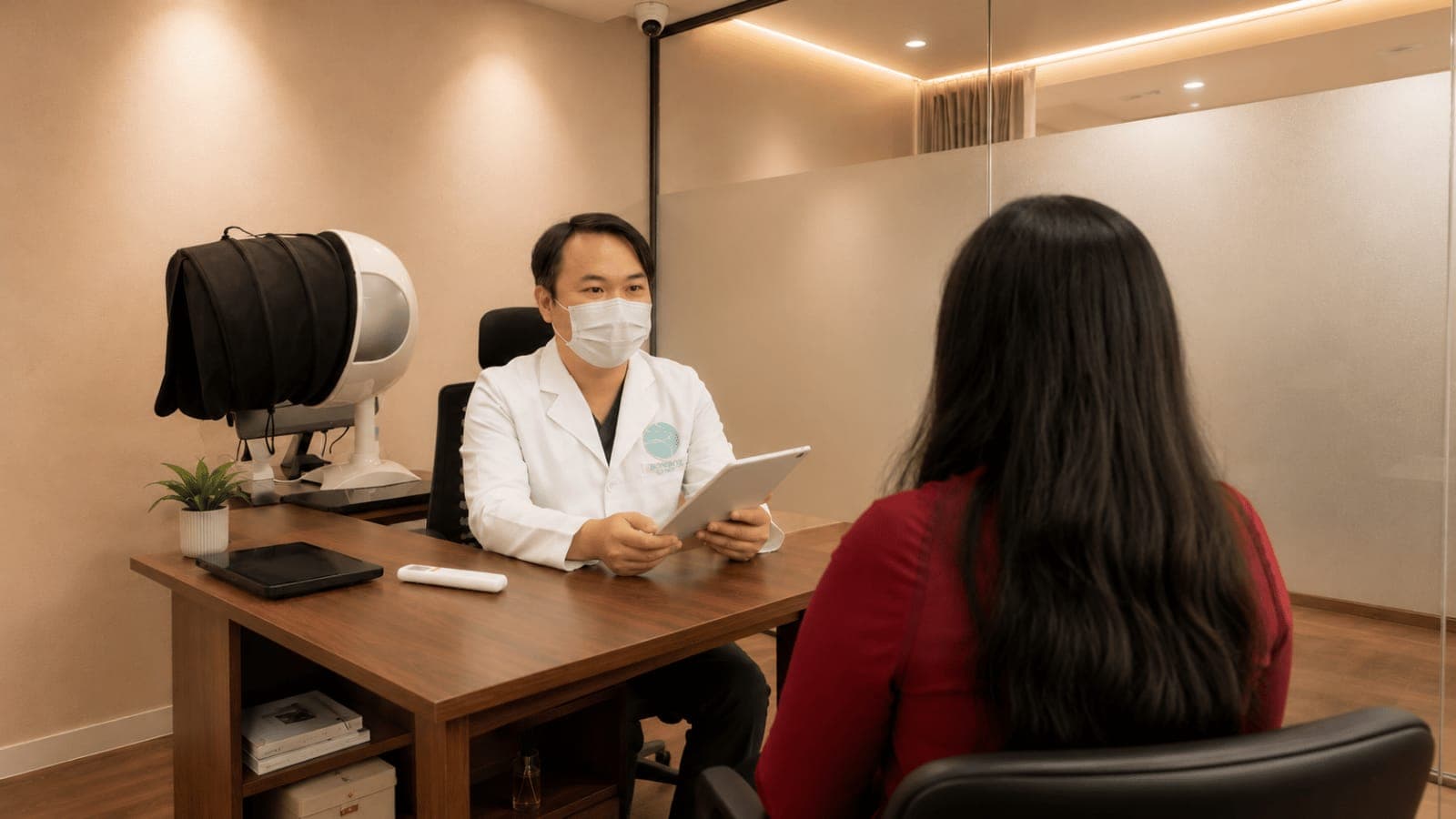
Our dermatologists conduct direct clinical examinations, skin analyses, and thorough reviews of your skincare and procedure history to differentiate between routine-induced sensitivity and underlying medical conditions. The treatment protocol involves eliminating irritants, switching to a minimalist routine with barrier-repair moisturizers, prescribing topical anti-inflammatory medications when necessary, and providing targeted management for steroid-damaged skin or rosacea. Advanced procedures—such as skin boosters or vascular lasers—are only considered once the skin has stabilized. Dermatologists closely monitor your progress and reintroduce active ingredients gradually, tailored to your skin’s tolerance.
Severity levels
1
Mild — transient stinging, slight redness upon application
Mild barrier disruption. Discontinue active ingredients for 2 weeks, use restorative skincare, and apply sun protection; usually resolves on its own.
2
Moderate — persistent redness, peeling, burning sensation, breakouts triggered by multiple products
Requires physician guidance for a minimalist skincare regimen, topical anti-inflammatory treatments, and ruling out contact dermatitis.
3
Severe — skin thinning, telangiectasia, breakout flares upon stopping creams, or rosacea
Suspected corticosteroid dependency or underlying skin conditions. Requires long-term medical treatment with a cream weaning phase; vascular laser therapy once stabilized.
When should you see a doctor?
- Persistent redness, flushing on the cheeks and nose accompanied by telangiectasia — suspected rosacea, requiring underlying medical treatment.
- History of using unverified "instant whitening, fast acne-clearing" creams, leading to skin thinning, redness, and breakouts upon discontinuation.
- Erythema and burning sensations that do not subside after 2–4 weeks of discontinuing active ingredients and using restorative skincare.
- Breakouts, itching, and swelling occurring after using a specific product — requiring identification of the ingredient causing contact dermatitis.
How BonBoz treats it
Skin barrier restoration protocol
Discontinue irritants, switch to a minimalist skincare routine with physiological lipid-rich moisturizers, physical sunscreen, and prescribed topical anti-inflammatory agents.
Learn about this method →Hydrating skin booster
Once the skin has stabilized: HA microinjections provide deep hydration, supporting the thickness and elasticity of thinned skin.
Learn about this method →Low-fluence laser toning
Helps reduce mild redness and even out skin tone once the skin barrier has recovered; not used during the acute phase.
Learn about this method →Want a cost range for your own case?
Estimate the cost →Cost guidance
The recovery phase primarily covers consultation fees and skincare products; clinical procedures are only charged once the skin has stabilized. The doctor will provide a quote based on your personalized treatment plan following a skin analysis; the cost estimation tool provides a reference range.
The final price follows the doctor’s recommendation after an in-person exam. A confirmed quote has no hidden extras.
Inside the BonBoz clinic
Book a consultation with a doctor
Choose a date, time slot and doctor — the clinic calls to confirm within 5 minutes during opening hours. Free consultation, no commitment.
Frequently asked questions
My skin was never sensitive before, why does everything sting now?
How long do I need to stop using all my products?
Will my acne flare up if I stop my treatments?
How can I tell if my skin is damaged by corticosteroids?
Will sunscreen make my skin sting more?
Is using hydrating sheet masks frequently beneficial?
Can rosacea be cured?
How long will it take for my skin to return to normal?
Related topics
- Microneedling Costs: How Pricing Is Determined and When It Is Worth It
- Laser Atrophic Scar Treatment Costs: Per-Session and Package Pricing
- Medical-grade Acne Treatment Cost: Pricing per Session and Full Treatment Plans
- Medical-grade acne extraction: how it differs from spa extractions, the sterilization process, and which types of acne should not be extracted.
- Chemical Peels for Acne, Hyperpigmentation, and Dull Skin: Acid Types, Peel Depths, Procedure, and Contraindications
- Skin Booster (Hyaluronic Acid Hydration Injections): Mechanism, Differences from Dermal Fillers and Mesotherapy, Treatment Protocol, and Ideal Candidates
More from our doctors
How Should Sensitive Skin Be Cared for After Acne Treatment? A Comprehensive Guide
After acne treatment, the skin often becomes more sensitive and delicate. You should adjust your skincare routine to prevent irritation and support skin recovery.
Topical Whitening Creams and "Instant Whitening" Cosmetics: Why They Are Dangerous and How to Spot Them
Homemade bleaching creams and cosmetics promising rapid skin whitening pose significant risks to your skin. Understanding why they are dangerous and recognizing their warning signs will help you avoid them and protect your skin.
Steroid-Induced Acne from Prolonged Corticosteroid Use: Identifying Signs and Treatment Approaches
Prolonged use of topical corticosteroids, especially on the face, can cause adverse skin reactions such as perioral dermatitis, steroid acne, or rebound flares upon discontinuation. Safe management: DO NOT discontinue use abruptly on your own — consult your prescribing physician for a controlled tapering schedule, combined with targeted specialized treatment.
Proper Exfoliation: How Often to Do It and Who Needs to Be Cautious?
Exfoliation helps unclog pores and keep the skin clear, but overdoing it can cause harm. Understanding proper exfoliation techniques, the right frequency, and who should proceed with caution will help you care for your skin effectively without damaging your skin barrier.