
Skin Booster — Hyaluronic Acid Hydration Injections
Skin boosters are an injection technique that delivers low-viscosity, lightly cross-linked hyaluronic acid into the dermis via multiple micro-injections to deeply hydrate the skin from within, while improving smoothness, elasticity, and fine lines. Unlike dermal fillers, they do not add volume or sculpt facial contours. A typical treatment protocol consists of 2–3 sessions spaced 2–4 weeks apart, with results lasting 4–6 months.
Compiled from BonBoz Clinic clinical documentation — currently in medical review
Mechanism of Action
The hyaluronic acid (HA) in skin boosters has a low degree of cross-linking, allowing it to spread evenly throughout the dermis rather than holding a concentrated shape. Each HA molecule binds water at many times its own weight, plumping the dermis and enhancing the skin surface's light reflection. In addition, the micro-injuries from the needle combined with HA stimulate fibroblasts, mildly boosting collagen and elastin production after 4–8 weeks. Some formulations also incorporate amino acids, vitamins, or biphasic HA to prolong results.
How Do Skin Boosters, Fillers, and Mesotherapy Differ?
Dermal fillers are highly cross-linked gels placed in deeper tissue layers to restore volume and sculpt facial contours. Skin boosters use a fluid, low cross-linked HA injected into the dermis to enhance overall skin quality. Mesotherapy delivers a cocktail of nutrients (vitamins, minerals, and uncross-linked HA) into the superficial skin layers via micro-injections, offering shorter-lived effects and requiring more frequent sessions. Treatment selection depends on the primary concern: volume loss → filler; dehydrated, dull, finely lined skin → skin booster; ongoing maintenance and nutrient replenishment → mesotherapy.
Indications
Dehydrated, dull skin with fine lines in areas such as under the eyes, crow's feet, perioral region, neck, and the backs of the hands; age-related skin thinning; skin recovery support following incorrect treatments (once the skin barrier has stabilized); and pre-event skin preparation (recommended 3–4 weeks in advance). Skin boosters do not replace daily skincare routines and sun protection.
Risks to Consider
Bruising, swelling, and small injection-site papules lasting 2–5 days (more noticeable around the eyes); temporary surface irregularities if injected too superficially; localized inflammation or infection (rare); and reactivation of herpes simplex in predisposed individuals. While vascular risks are significantly lower than with traditional fillers, the procedure must still be performed by a qualified physician.
At BonBoz
Our aesthetic dermatologists conduct a thorough skin analysis to assess hydration levels, skin thickness, and accompanying concerns. We select licensed, registered products, apply topical anesthesia beforehand, and use precise manual micro-puncture techniques or delivery-assisted devices. The protocol typically begins with an initial series of 2–3 sessions followed by maintenance treatments. All procedures are performed directly by our physicians, accompanied by post-care guidance to sustain optimal results.
Technique variants
1
Facial skin booster
A foundational treatment for dry, dehydrated skin.
2
Neck and back-of-hand skin booster
Delicate skin areas requiring specific dosage and injection parameters distinct from the face.
3
Maintenance skin booster
Treatments administered at longer intervals following the completion of the initial course.
When should you see a doctor?
- The target injection area is inflamed or has open lesions.
- Have previously experienced a reaction to HA.
- Currently pregnant or breastfeeding.
- You need volumetric contouring — skin boosters do not serve this purpose; dermal fillers are the appropriate choice for that goal.
How is it performed?
Disinfect and map the treatment area. The doctor injects low-viscosity HA into the dermis across multiple micro-points spaced 0.5–1 cm apart (using manual micro-injection techniques or a multi-needle injector), delivering a very small amount per point; a cannula is used for the under-eye area to minimize bruising. Procedure time: 20–40 minutes.
Before the procedure
Skin analysis; medical history assessment (allergies, herpes, anticoagulants); thorough makeup removal; topical numbing for 20–30 minutes; avoid alcohol and aspirin for 24 hours.
After the procedure
Avoid applying makeup for 12–24 hours, do not rub or massage the area, and avoid saunas and intense sunlight for 3 days; injection marks fade within 2–5 days; sessions 2–3 are spaced 2–4 weeks apart; maintenance requires 1 session every 4–6 months.
Possible risks — your doctor explains them before treatment
- Bruising, swelling, and small bumps at injection sites lasting 2–5 days
- Temporary rippling if injected too superficially
- Herpes reactivation in patients with a history of the condition
- Inflammatory reactions, infection (rare)
Who should NOT have this?
- Pregnant or breastfeeding
- Active infections or inflammatory acne in the injection area
- Allergy to HA or lidocaine
- Severely compromised skin barrier (requires prior restoration)
- Expectations of volume filling or facial contouring
How BonBoz uses it
BAP Technique (Bio Aesthetic Points) with Skin-Restructuring HA
The BAP technique involves injecting high-concentration, thermally cross-linked (chemical-free) HA into 5 anatomical points on each side of the face to spread throughout the tissue and stimulate collagen and elastin production on a large scale. It improves skin firmness, elasticity, and overall skin quality without adding volumetric contouring.
Learn about this method →Botulinum Toxin (Botox)
Botulinum toxin provides controlled relaxation of muscles that cause dynamic wrinkles (forehead, frown lines, crow's feet) or overactive muscles (masseter muscle, mentalis muscle). Results become visible after 5–14 days and last 3–4 months.
Learn about this method →HA Dermal Filler (Filler)
HA fillers are cross-linked hyaluronic acid gels injected into the skin or periosteum to restore volume, contour areas such as the chin, nose, cheeks, and lips, and smooth static wrinkles. They gradually dissolve over 6–18 months and can be reversed with an enzyme if needed.
Learn about this method →Non-Surgical Aesthetic Medicine
Services page: Specialist physicians conduct examinations, recommend suitable options, and provide transparent cost estimates before you decide.
Learn about this method →Want a cost range for your own case?
Estimate the cost →Cost guidance
The cost depends on the amount of HA used per session, the number of sessions in the treatment plan, and the targeted treatment area.
The final price follows the doctor’s recommendation after an in-person exam. A confirmed quote has no hidden extras.
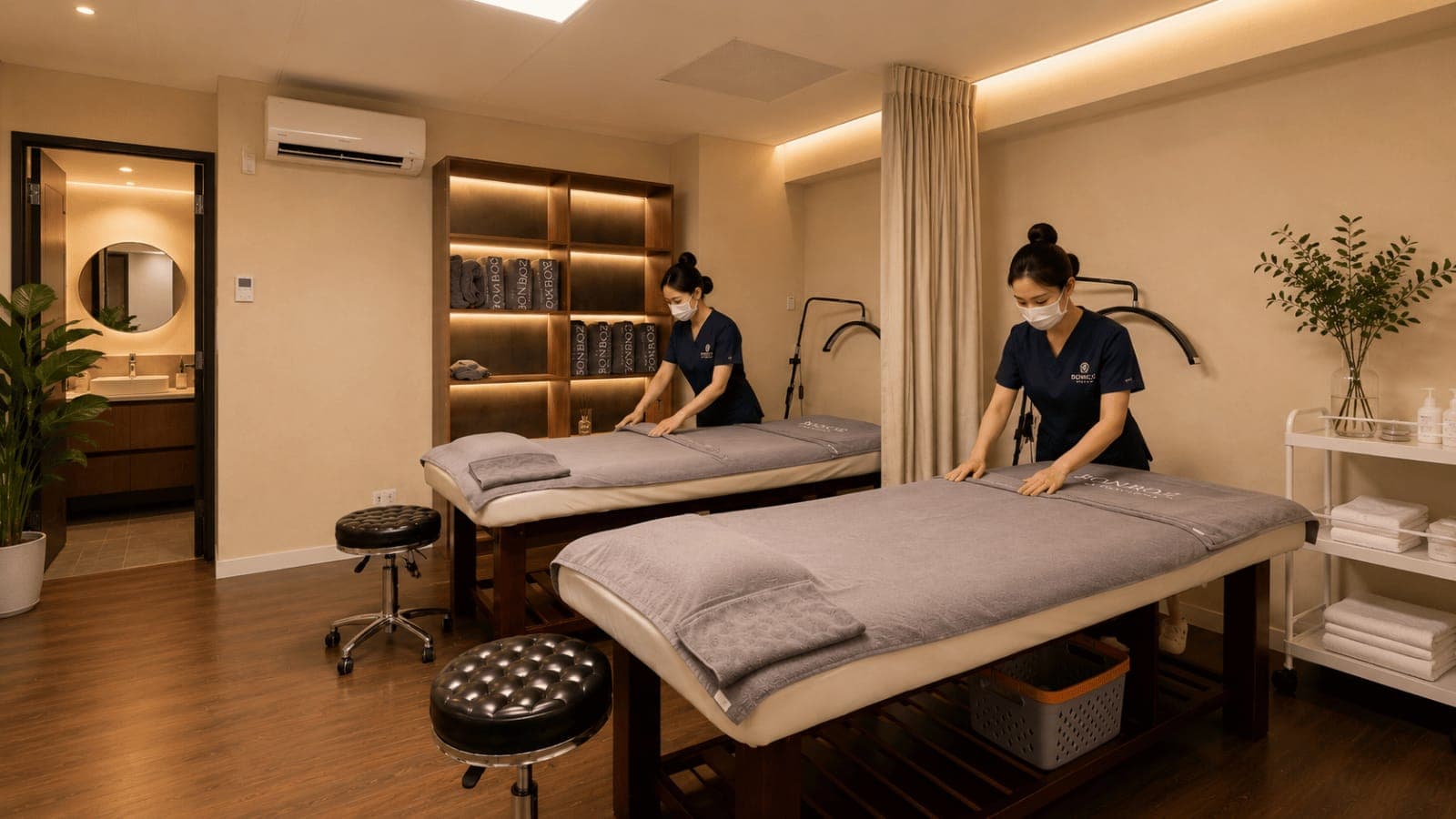
Inside the BonBoz clinic


Book a consultation with a doctor
Choose a date, time slot and doctor — the clinic calls to confirm within 5 minutes during opening hours. Free consultation, no commitment.
Frequently asked questions
How long do skin booster results last?
Does it add volume to the face?
How long does it take to see results?
Do injection bumps under the eyes take long to fade?
How are skin boosters different from mesotherapy?
Is it suitable for oily skin?
Can it be combined with Botox and fillers?
At what age should I start?
Related topics
- PRP (Platelet-Rich Plasma) Cost: Price Range Reference
- Mesotherapy and Skin Booster Costs: Price per Session and Treatment
- Dermal Filler Cost by Treatment Area: Price per cc and Key Factors
- Botox Cost by Area: Reference Price Range
- BAP (Bio Aesthetic Points) Technique with Skin-Restructuring HA: 5 Points per Side of the Face, Mechanism of Action, and Ideal Candidates
- Mesotherapy (Micro-injections of Active Ingredients): Mechanism of Action, Common Ingredients, Treatment Protocol, and Limitations
More from our doctors
Skin Boosters vs. Dermal Fillers: Key Differences and How to Choose the Right Treatment
While both skin boosters and dermal fillers enhance the skin's appearance, they work through different mechanisms: skin boosters improve overall skin quality, whereas fillers fill in wrinkles and restore volume.
What is the difference between dry skin and dehydrated skin? How to care for each type
Dry skin and dehydrated skin are often mistaken for the same condition, but they are fundamentally different and require distinct care approaches. Understanding the difference helps you choose the right skincare routine instead of struggling with ineffective treatments.
At What Age Should You Start Skin Rejuvenation Mesotherapy? A Detailed Guide
Rejuvenating mesotherapy can be started at age 25 to prevent aging, or between 30 and 40 to improve visible signs of aging.
Non-Invasive Skin Rejuvenation: What Are the Most Popular Treatments Today?
Non-invasive skin rejuvenation encompasses non-surgical skin enhancement treatments, including injectables, advanced clinical peels, and light therapy.