
BAP Technique — Restructuring HA
BAP (Bio Aesthetic Points) is an injection technique that delivers thermally stabilized, high-concentration hyaluronic acid into five predetermined anatomical points on each side of the face—areas with a low risk of major blood vessels and nerves. The product spreads evenly through the tissues, stimulating collagen and elastin production to improve full-face firmness, elasticity, and overall skin quality.
Compiled from BonBoz Clinic clinical documentation — currently in medical review
Mechanism
The product used in the BAP technique combines high- and low-molecular-weight hyaluronic acid (HA), thermally stabilized (without chemical BDDE cross-linking agents) at a high concentration. Post-injection, the HA naturally diffuses throughout the subcutaneous layer, retaining moisture and stimulating fibroblasts and adipocytes to boost collagen and elastin production over several weeks. The result is firmer, denser, and more elastic skin—delivering "bioremodeling" rather than localized volume restoration.
Why Only 5 Points Per Side?
The five points are anatomically selected: the zygomatic protrusion, nasal base, tragus, chin, and mandibular angle. These sites have minimal major blood vessels and nerves, ensuring high safety while allowing the product to diffuse and cover the mid and lower face. Fewer injection points mean reduced bruising, minimal discomfort, and a quick procedure; the widespread diffusion is driven by the product's unique rheological properties, not the number of injection sites.
How BAP Differs from Fillers and Skin Boosters
Fillers: Contour and restore localized volume. Skin boosters: Uncross-linked, diluted HA micro-injected intradermally to hydrate and smooth the superficial skin surface. BAP: High-concentration HA placed subcutaneously at 5 anatomical points, diffusing to enhance firmness and elasticity in deeper tissue layers. These three modalities complement one another within a comprehensive rejuvenation plan.
Indications
Skin showing early signs of laxity and mild sagging in the cheeks and jawline; thinning skin with age-related loss of elasticity (typically ages 35–60); individuals seeking full-face skin quality improvement without altering facial shape; or as an adjunctive treatment before or after HIFU and thread lifts. It is also applicable to the neck and the dorsum of the hands using dedicated injection protocols.
Potential Risks to Consider
Mild swelling and small localized papules at the 5 injection points for 1–3 days (as the product progressively diffuses), minor bruising, and mild tenderness. Inflammatory reactions or infections are rare. Vascular complications are extremely low due to the strategic anatomical points, yet the procedure must always be performed by a qualified physician. BAP is not indicated for patients requiring significant volume restoration.
At BonBoz
Our cosmetic dermatologists assess your skin firmness, laxity, and dermal thickness; use officially licensed, regulated products; and precisely inject into the 5 anatomical points using a subcutaneous bolus technique following topical anesthesia. The standard protocol consists of 2 sessions spaced 4 weeks apart, with results maintained for 6–9 months. Treatments are performed directly by our doctors and integrated into your overall facial rejuvenation plan.
Technique variants
1
Standard BAP
Minimum number of sessions recommended by the manufacturer.
2
Extended BAP
Includes additional maintenance sessions for more visible signs of aging.
3
Combined BAP
Customized combination with skin boosters or mesotherapy based on skin condition.
When should you see a doctor?
- The injection site is inflamed, has pustules, or open wounds.
- Prior history of adverse reactions to dermal fillers or hyaluronic acid (HA).
- Currently pregnant or breastfeeding.
- You expect dramatic volume augmentation like fillers — BAP targets skin quality, which serves a different purpose.
How is it performed?
The skin is disinfected, and 5 anatomical points are mapped on each side of the face (cheekbone, sub-malar, pre-auricular, jaw angle, and chin). The physician slowly administers a bolus of the HA product into the subcutaneous layer at each point in equal amounts, followed by gentle massaging to facilitate the product's diffusion. The procedure takes 15–20 minutes.
Before the procedure
Assessment of skin firmness and laxity, standardized clinical photography; medical history review for allergies and anticoagulants; makeup removal; topical numbing for 20 minutes; avoid alcohol and aspirin for 24 hours.
After the procedure
Avoid vigorous rubbing or massaging, avoid wearing makeup for 12 hours, and refrain from saunas and strenuous exercise for 2–3 days; bumps at the injection sites will gradually disperse within 1–3 days; the second session is scheduled after 4 weeks; visible results appear after 4–8 weeks and last for 6–9 months.
Possible risks — your doctor explains them before treatment
- Swelling and papules at injection sites for 1–3 days
- Minor bruising, mild tenderness
- Inflammatory reaction, infection (rare)
- Milder-than-expected results on severely sagging skin
Who should NOT have this?
- Pregnant or breastfeeding
- Active infection or inflammatory acne in the injection area
- Allergy to HA
- Active autoimmune diseases, blood clotting disorders
- Expectations of significant volume restoration, contouring, or noticeable lifting
How BonBoz uses it
Botulinum Toxin (Botox)
Botulinum toxin provides controlled relaxation of muscles causing dynamic wrinkles (forehead, glabellar lines, crow's feet) or overactive muscles (masseter, mentalis). Results appear after 5–14 days and last for 3–4 months.
Learn about this method →HA Dermal Fillers (Filler)
HA fillers are cross-linked hyaluronic acid gels injected into the skin or periosteum to restore volume, contour areas (chin, nose, cheeks, lips), and soften static wrinkles. They gradually dissolve over 6–18 months, and an enzyme dissolver is available if needed.
Learn about this method →Non-Invasive HIFU Lifting
HIFU delivers focused ultrasound energy to the SMAS layer and deep dermis, creating thermal coagulation points that stimulate collagen contraction and regeneration — improving skin firmness for mild to moderate laxity with zero downtime; results are moderate and require maintenance.
Learn about this method →Non-Surgical Medical Aesthetics
Services page: Specialist physicians conduct a thorough examination, recommend suitable treatment options, and provide a transparent cost estimate before you make a decision.
Learn about this method →Want a cost range for your own case?
Estimate the cost →Cost guidance
The cost depends on the number of sessions in the treatment plan, the volume of active ingredients used per session, and the targeted treatment area.
The final price follows the doctor’s recommendation after an in-person exam. A confirmed quote has no hidden extras.
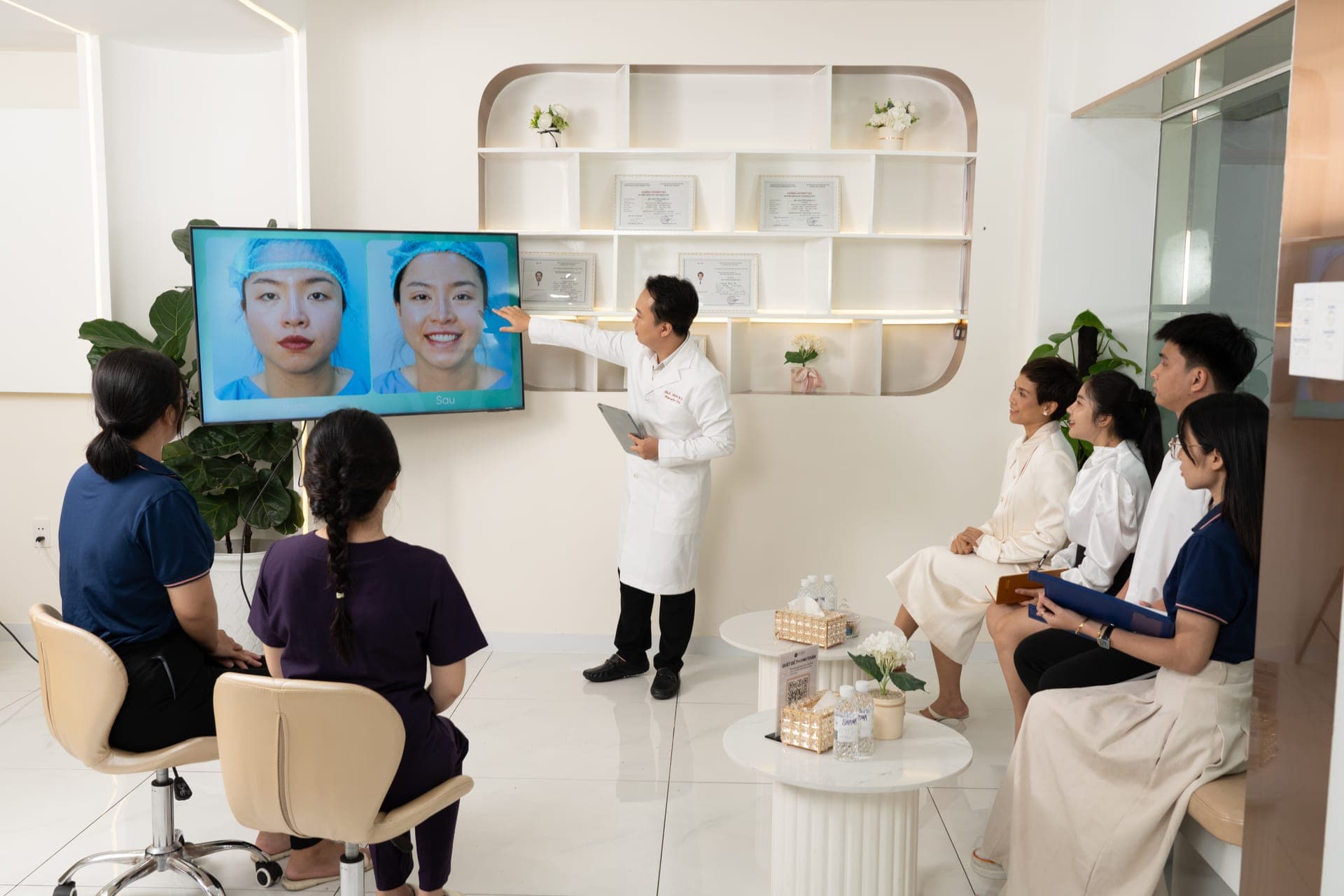
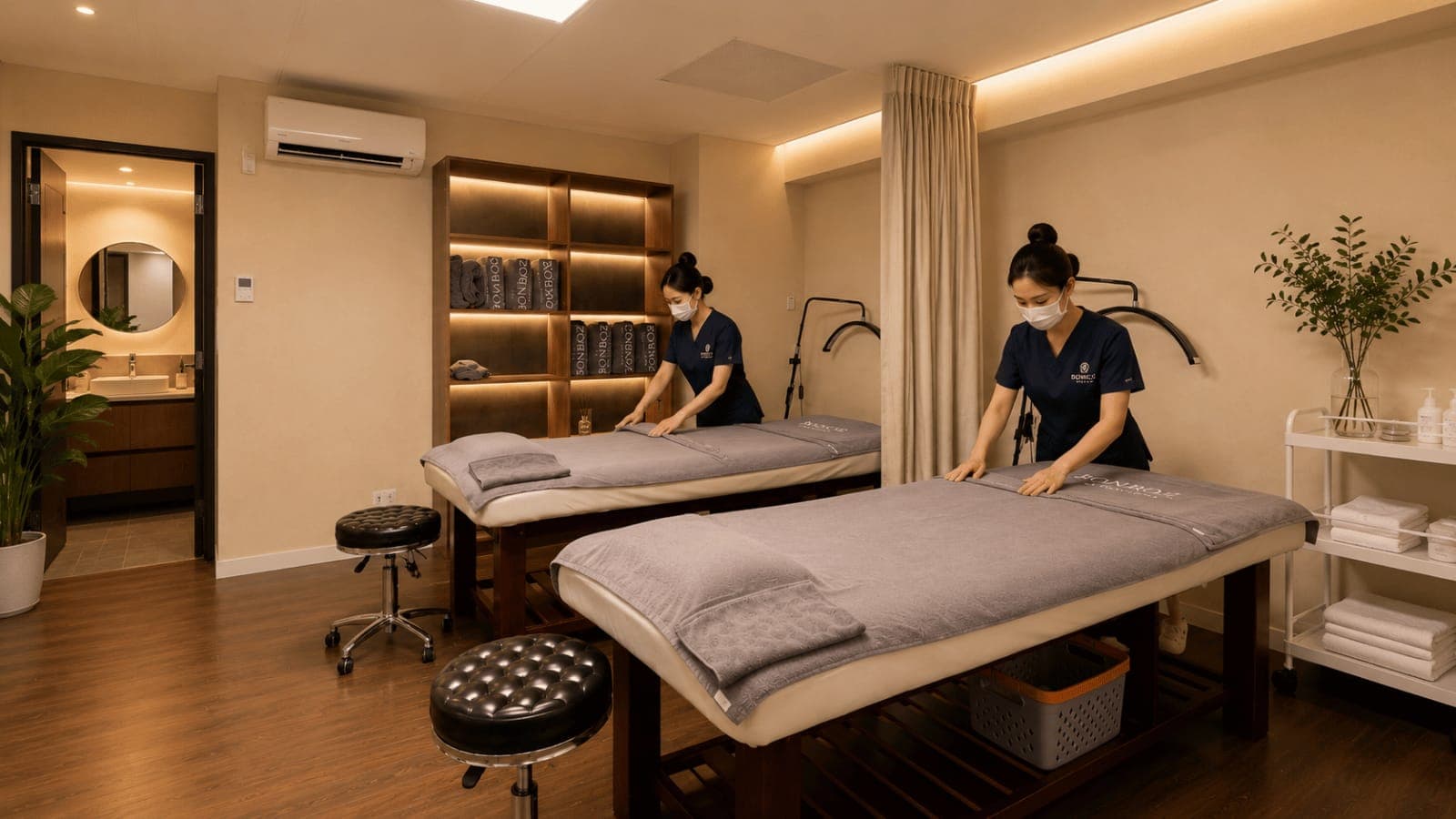
Inside the BonBoz clinic

Book a consultation with a doctor
Choose a date, time slot and doctor — the clinic calls to confirm within 5 minutes during opening hours. Free consultation, no commitment.
Frequently asked questions
Does BAP add volume to the face?
How soon can I see results?
How long do the results last?
How long do the bumps at injection points take to disappear?
How is BAP different from skin boosters?
Can BAP be combined with HIFU or thread lifts?
Is BAP painful?
What is the ideal age for this treatment?
Related topics
- PRP (Platelet-Rich Plasma) Cost: Price Range Reference
- Mesotherapy and Skin Booster Costs: Price per Session and Treatment
- Dermal Filler Cost by Treatment Area: Price per cc and Key Factors
- Botox Cost by Area: Reference Price Range
- Mesotherapy (Micro-injections of Active Ingredients): Mechanism of Action, Common Ingredients, Treatment Protocol, and Limitations
- Skin Booster (Hyaluronic Acid Hydration Injections): Mechanism, Differences from Dermal Fillers and Mesotherapy, Treatment Protocol, and Ideal Candidates
More from our doctors
Non-Invasive Skin Rejuvenation: What Are the Most Popular Treatments Today?
Non-invasive skin rejuvenation encompasses non-surgical skin enhancement treatments, including injectables, advanced clinical peels, and light therapy.
Skin Boosters vs. Dermal Fillers: Key Differences and How to Choose the Right Treatment
While both skin boosters and dermal fillers enhance the skin's appearance, they work through different mechanisms: skin boosters improve overall skin quality, whereas fillers fill in wrinkles and restore volume.
What Is Non-Invasive HIFU Skin Tightening? How Does It Differ from a Thread Lift and Who Is an Ideal Candidate?
HIFU is a non-invasive lifting option often mentioned alongside thread lifts. Understanding what HIFU is, how it differs from a thread lift, and who is an ideal candidate will help you consult effectively with your doctor to choose the most suitable approach.