
Mesotherapy — Micro-injections
Mesotherapy is a technique that delivers a nutrient cocktail—non-crosslinked HA, vitamins, minerals, amino acids, and peptides—into the superficial layer of the skin using micro-injections or multi-needle devices. The treatment aims to enhance hydration, radiance, skin texture, and support skin recovery following damage. Results are cumulative over a protocol of 4–6 sessions spaced 1–2 weeks apart.
Compiled from BonBoz Clinic clinical documentation — currently in medical review
Mechanism of Action
Mesotherapy delivers active nutrients directly into the superficial dermis via targeted micro-injections—bypassing the stratum corneum, where topical creams have very limited absorption—while the micro-injuries simultaneously stimulate natural skin repair and collagen synthesis. The customized cocktail is selected by the physician based on targeted outcomes: non-crosslinked hyaluronic acid for hydration, vitamin C and tranexamic acid for brightening, peptides and growth factors for regeneration, and sebum-regulating actives for acne-prone skin.
What Mesotherapy Can and Cannot Do
What it can do: achieve more hydrated, radiant, and smoother skin after a few sessions; support mild tone evening; improve superficial post-acne skin texture; and maintain the results of other treatments. What it cannot do: restore lost volume (requires dermal fillers), lift sagging skin (requires HIFU, thread lifts), eliminate deep atrophic scars (requires lasers, RF microneedling, TCA), or treat clinical skin diseases (requires prescription medication). Mesotherapy serves as an ideal "foundational" and maintenance treatment.
Treatment Interval — No One-Size-Fits-All Schedule
According to Dr. Kim Kha, MD, MSc, mesotherapy does not have a fixed schedule for everyone: during the initial intensive recovery phase, sessions may be scheduled weekly, every 2 weeks, or every 4 weeks depending on the skin condition; once the skin stabilizes, intervals can be extended to every 1–3 months or longer for maintenance. The cadence is individualized based on skin status, goals, and treatment response, rather than sold as fixed-session packages.
Indications
Dull, dehydrated, and devitalized skin; enlarged pores with mild oiliness; adjunctive support after scar or pigmentation treatments once the skin has stabilized; mild early-stage aging; and routine skin maintenance. Patients seeking dramatic improvements in deep wrinkles or volume loss will require alternative modalities.
Potential Risks to Know
Redness, mild swelling, injection papules lasting 1–3 days, pinpoint bruising, itching or irritation to ingredients (rare), temporary acne purging in oily skin, infection due to non-sterile technique (rare), and herpes reactivation. Risks increase significantly with unverified formulations or arbitrary mixing—only products officially registered for intradermal injection should be used.
At BonBoz
A cosmetic dermatologist analyzes the skin, determines the treatment goals (hydration, brightening, texture, oil control), and selects an appropriate registered cocktail; topical numbing is applied, and sterile mesotherapy injection techniques are performed with region-specific depth adjustments. A standard course consists of 4–6 sessions followed by maintenance; directly performed by physicians and seamlessly integrated into a comprehensive treatment plan with other modalities when indicated.
Technique variants
1
Hydrating Meso
Formulated primarily with water-retaining ingredients for the skin.
2
Restorative Meso
Formulated with ingredients that support and repair the skin barrier post-damage.
3
Combination Meso
Combined with microneedling or RF microneedling within the same treatment plan.
When should you see a doctor?
- Active inflammatory acne or an active infection in the treatment area.
- A history of allergy to any intended ingredient.
- Currently pregnant or breastfeeding.
- Expecting dramatic results after a single session — mesotherapy is a treatment course, not a one-time procedure.
How is it performed?
Skin disinfection. The doctor delivers the nutrient solution into the superficial dermis using manual microinjections or an adjustable multi-needle device (0.5–1.5 mm depth depending on the area), evenly distributed across the entire area with small amounts per injection point; followed by a post-procedure soothing mask. Treatment time: 30–45 minutes.
Before the procedure
Skin analysis; review history of allergies, herpes, and medications; thorough makeup removal; topical numbing for 20–30 minutes; discontinue retinoids for 3 days; avoid alcohol for 24 hours.
After the procedure
Avoid applying makeup for 24 hours, do not rub or wash your face vigorously, and stay away from direct sun exposure, saunas, and swimming pools for 3 days. Redness and injection marks typically fade within 1–3 days. Follow-up sessions are scheduled 1, 2, or 4 weeks apart depending on individual skin response; once the skin stabilizes, intervals can be extended to 1–3 months or longer (personalized by the doctor). For the first 3 days, avoid consuming: glutinous rice, bananas, sweet potatoes/potatoes, seafood, beef, chicken, bamboo shoots, and fermented fish sauces.
Possible risks — your doctor explains them before treatment
- Redness, mild swelling, and injection marks for 1–3 days
- Minor bruising
- Irritation to ingredients (rare)
- Temporary breakouts on oily skin
- Herpes reactivation
- Infection if non-sterile (rare)
Who should NOT have this?
- Pregnant or breastfeeding
- Active infections, severe inflammatory acne, or active eczema in the treatment area
- Allergy to any ingredient in the cocktail formulation
- Bleeding disorders or currently taking anticoagulants
- Expectations of volume restoration, lifting, or deep scar revision
How BonBoz uses it
BAP (Bio Aesthetic Points) technique with restructuring HA
The BAP technique involves injecting high-concentration, thermally cross-linked (chemical-free) HA into 5 anatomical points on each side of the face. This allows the product to diffuse widely, stimulating collagen and elastin production across a broad area. It improves skin firmness, elasticity, and overall skin quality without adding volume or altering facial contours.
Learn about this method →Botulinum toxin (Botox)
Botulinum toxin provides controlled relaxation of the muscles responsible for dynamic wrinkles (forehead lines, glabellar frown lines, crow's feet) or overactive muscles (masseter, mentalis). Results become visible after 5–14 days and last for 3–4 months.
Learn about this method →HA dermal filler (filler)
HA dermal filler is a cross-linked hyaluronic acid gel injected into the skin or periosteum to restore lost volume, contour facial features (chin, nose, cheeks, lips), and fill static wrinkles. It gradually dissolves over 6–18 months and can be reversed with a dissolving agent if necessary.
Learn about this method →Non-surgical aesthetics
Services page: A specialist physician will examine you, recommend a suitable treatment plan, and provide transparent pricing before you make your decision.
Learn about this method →Want a cost range for your own case?
Estimate the cost →Cost guidance
The cost depends on the active ingredients used, the number of sessions in the treatment plan, and the size of the targeted area.
The final price follows the doctor’s recommendation after an in-person exam. A confirmed quote has no hidden extras.
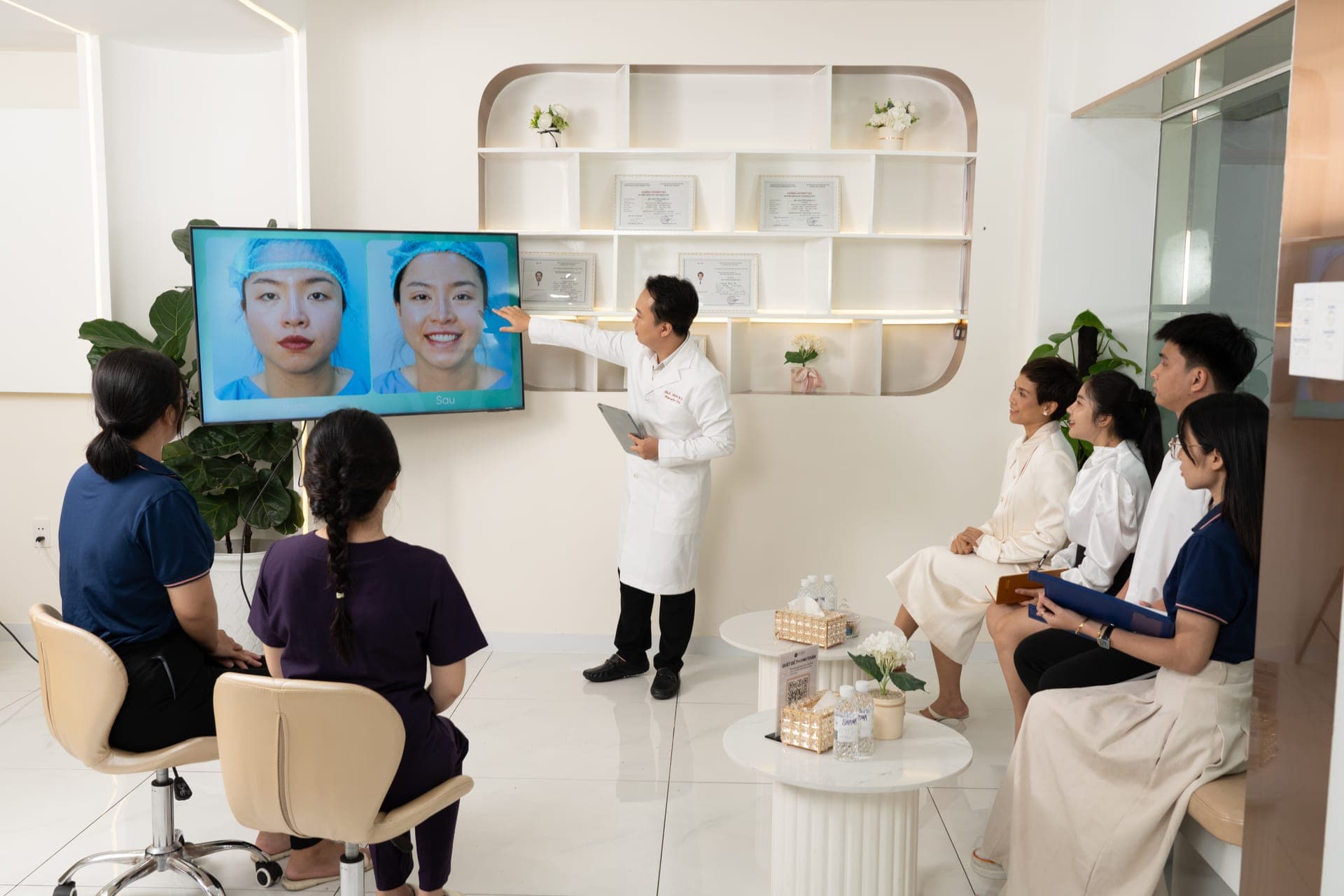
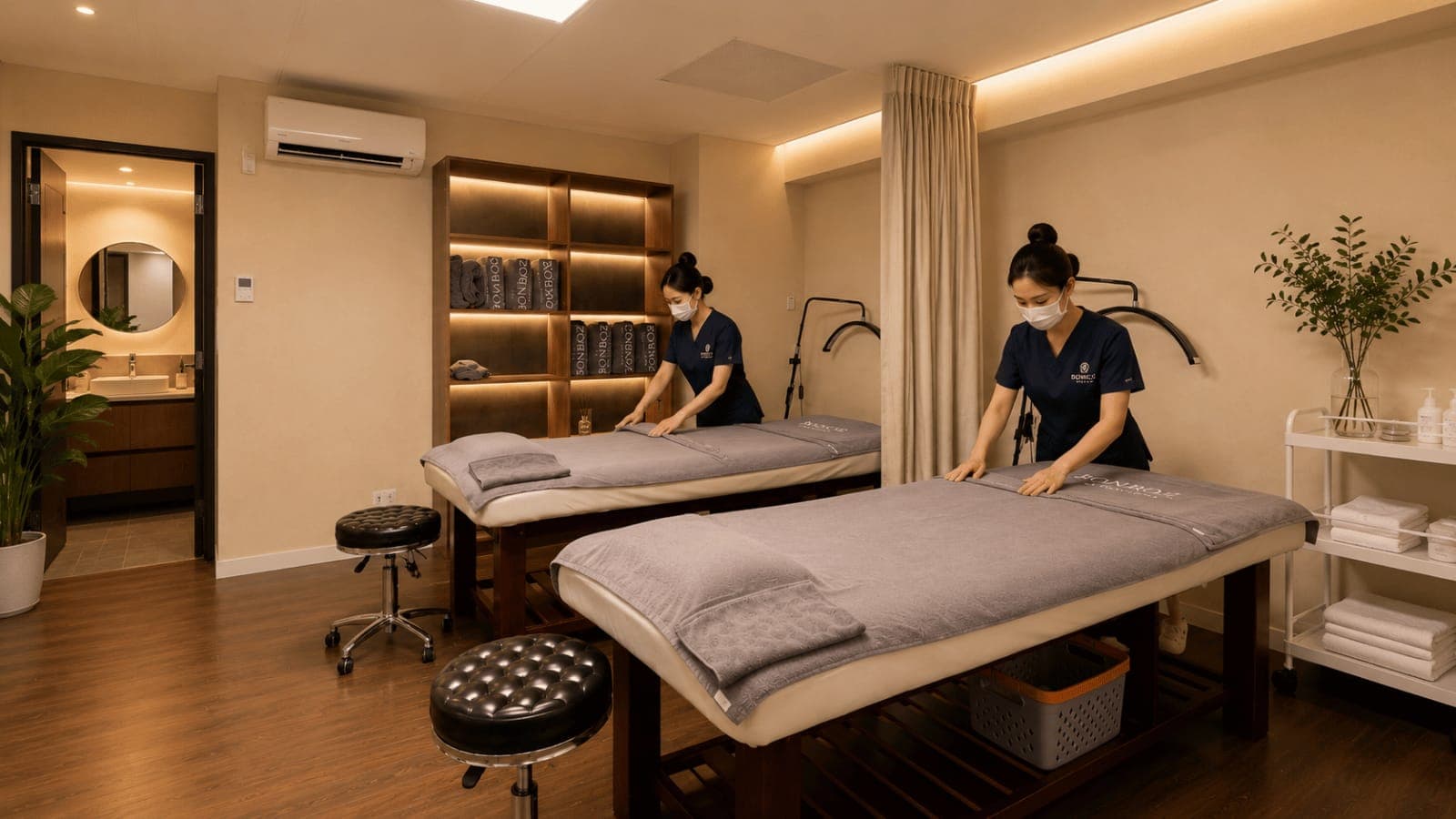
Inside the BonBoz clinic

Book a consultation with a doctor
Choose a date, time slot and doctor — the clinic calls to confirm within 5 minutes during opening hours. Free consultation, no commitment.
Frequently asked questions
How long does it take to see results from mesotherapy?
What is the difference between mesotherapy and skin boosters?
Can mesotherapy treat melasma and atrophic acne scars?
Is mesotherapy painful?
How often should I get mesotherapy?
Is mesotherapy safe?
Can acne-prone skin undergo mesotherapy?
Does mesotherapy dissolve like filler?
Related topics
- PRP (Platelet-Rich Plasma) Cost: Price Range Reference
- Mesotherapy and Skin Booster Costs: Price per Session and Treatment
- Dermal Filler Cost by Treatment Area: Price per cc and Key Factors
- Botox Cost by Area: Reference Price Range
- BAP (Bio Aesthetic Points) Technique with Skin-Restructuring HA: 5 Points per Side of the Face, Mechanism of Action, and Ideal Candidates
- Skin Booster (Hyaluronic Acid Hydration Injections): Mechanism, Differences from Dermal Fillers and Mesotherapy, Treatment Protocol, and Ideal Candidates
More from our doctors
At What Age Should You Start Skin Rejuvenation Mesotherapy? A Detailed Guide
Rejuvenating mesotherapy can be started at age 25 to prevent aging, or between 30 and 40 to improve visible signs of aging.
Non-Invasive Skin Rejuvenation: What Are the Most Popular Treatments Today?
Non-invasive skin rejuvenation encompasses non-surgical skin enhancement treatments, including injectables, advanced clinical peels, and light therapy.
Skin Boosters vs. Dermal Fillers: Key Differences and How to Choose the Right Treatment
While both skin boosters and dermal fillers enhance the skin's appearance, they work through different mechanisms: skin boosters improve overall skin quality, whereas fillers fill in wrinkles and restore volume.