
At What Age Is Mesotherapy Suitable for Skin Rejuvenation? A Detailed Guide
Skin rejuvenation mesotherapy can be started as early as age 25 to help prevent skin aging, or between ages 30 and 40 to improve visible signs of aging.
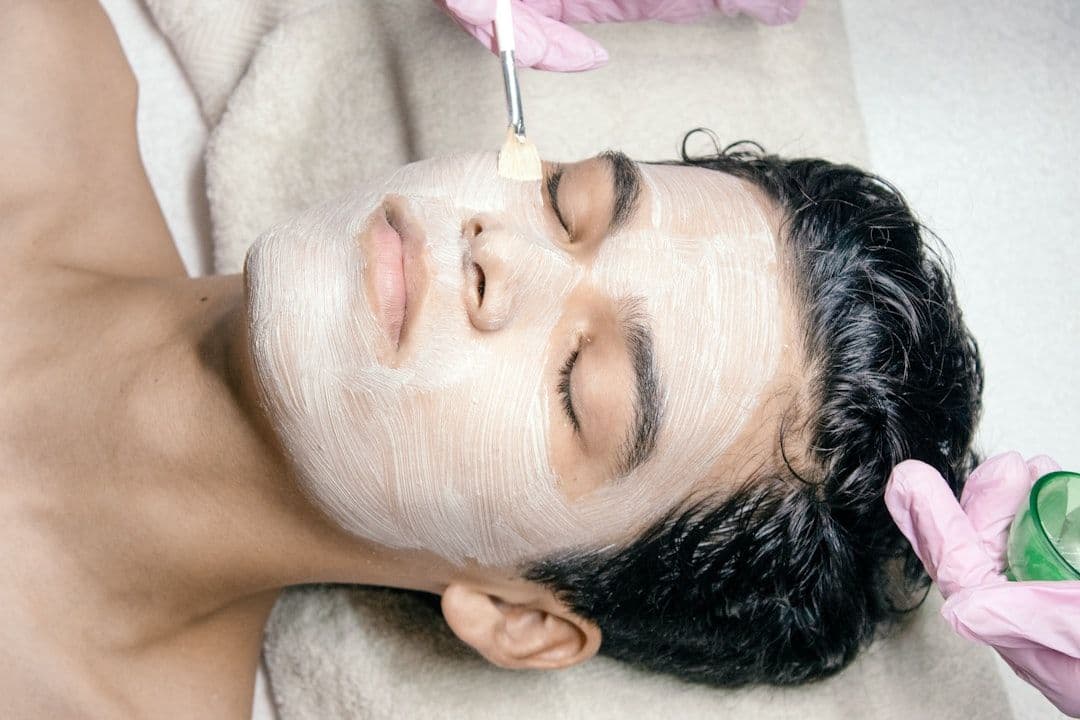
Quick summary: There is no rigid age limit for skin rejuvenation mesotherapy; it depends on the actual condition of your skin. The treatment can begin at around age 25 to prevent early aging, serve as an effective restorative option between ages 30 and 40, or be combined with other treatments after 40. For the safest and most effective course, visit BonBoz Clinic so that a doctor can examine your skin and personalize your treatment schedule.
Information about skin rejuvenation mesotherapy is provided by Dr. Kim Kha (MD, Specialist Level I), a specialist in Aesthetic Dermatology holding practicing certificate No. 009784/ĐL-CCHN issued by the Đắk Lắk Department of Health, with more than 8 years of experience in acne treatment and non-surgical aesthetic medicine. This article was prepared under the professional supervision of BonBoz Clinic, a legally licensed Aesthetic & Dermatology Clinic operating under License No. 11113/HCM-GPHĐ issued by the Ho Chi Minh City Department of Health, located at 66–68 Võ Văn Tần, Ho Chi Minh City.
Expert perspective: "There is no rigid age limit for mesotherapy. What matters is whether your skin truly needs it." — Dr. Kim Kha (MD, Specialist Level I)
Examination and personalized treatment planning are core professional principles in aesthetic dermatology.
At What Age Can You Start Mesotherapy?
Mesotherapy is not only for older people. It can begin at age 25 if you want to prevent early aging, or between ages 30 and 40 when the signs of aging start to become more noticeable. However, the "ideal" age depends on each person's skin condition, and there are no rigid rules.
Should You Get Mesotherapy at Ages 25–30?
If you are in this age range, mesotherapy may be suitable in the following cases:
- Your skin has lost moisture or is thin and easily irritated despite consistent skin care
- You are starting to notice fine lines around the eyes or forehead
- Your skin looks dull and is no longer as bright and smooth as when you were younger
- You work in a polluted environment, have high stress levels, or get little sleep
- You want to protect your skin from aging factors early on
At this stage, mesotherapy is like an advanced skin care step that helps your skin retain its natural vitality and hydration. You don't necessarily have to do it; if your skin shows signs that call for intervention, the doctor will examine it and decide whether it is the right time to start.
Ages 30–40: When Mesotherapy Shows Clearer Benefits
This is the stage when many people begin to notice less firm skin, more visible wrinkles, and a loss of radiance. At this stage, mesotherapy typically:
- Delivers nutrients into the dermis, supporting the skin as collagen production slows
- Improves elasticity and softens the appearance of wrinkles
- Boosts radiance and reduces the dullness caused by aging
- Stimulates skin regeneration and supports recovery
At this age, improvement after mesotherapy is usually easier to notice because signs of aging are already visible; the degree depends on each person's skin condition. If you have never had it done, between 30 and 40 is a very reasonable time to start.
Age 40 and Above: Mesotherapy Combined With Other Treatments
After 40, your skin needs comprehensive care. Mesotherapy can still help improve hydration and skin quality, but it is usually combined with other treatments such as chemical peels, skin-tightening therapies, or hydrating injections to achieve optimal results.
- Mesotherapy hydrates the skin and helps stimulate collagen in the dermis
- Complementary treatments address deeper concerns such as skin laxity and loss of firmness
The doctors at BonBoz will assess your skin condition and recommend the most suitable option.

Things to Know Before You Decide
At any age, keep the following in mind:
- Not everyone needs mesotherapy at 25. Monitor your skin for signs of premature aging
- Sensitive skin, allergies, or active inflammation or infection are reasons not to proceed right away
- There is no fixed treatment schedule that applies to everyone. In the initial phase requiring intensive restoration, you may be scheduled weekly, every 2 weeks, or every 4 weeks depending on your skin condition; once your skin has stabilized, the interval will extend to 1–3 months or longer to maintain results. Your doctor will personalize the schedule based on your condition, goals, and response to treatment.
- Only have the treatment at a reputable facility with an experienced doctor to ensure safety
Conclusion
There is no rigid age limit for skin rejuvenation mesotherapy. What matters is whether your skin truly needs it. If you are unsure when to start, visit BonBoz so that a doctor can examine your skin and advise on a care plan suited to your current condition. The team there will help you build a long-term skin care plan, no matter your age.
See also: 5 criteria for choosing a safe place for Botox and filler injections in Ho Chi Minh City
References
- NHS — Non-surgical cosmetic procedures, accessed 03/10/2026
- DermNet — Ageing skin, accessed 03/10/2026
Frequently Asked Questions
1. At what age can you start mesotherapy for skin rejuvenation?
You can start mesotherapy at around age 25 to prevent early aging, or between ages 30 and 40 when the signs of aging become more noticeable. The ideal age depends entirely on each person's actual skin condition.
2. Is mesotherapy effective for people over 40?
Yes, mesotherapy can still improve hydration and skin quality after 40 by hydrating the skin and helping stimulate collagen. However, at this age, it is usually combined with other treatments such as chemical peels, skin-tightening therapies, or hydrating injections to achieve the best results.
3. How often should a mesotherapy course be performed?
Your doctor will personalize the treatment schedule according to your skin condition. In the initial phase requiring intensive restoration, appointments may be weekly, every 2 weeks, or every 4 weeks. Once your skin has stabilized, the interval between sessions will extend to 1–3 months or longer to maintain results.
4. In which cases should mesotherapy not be done right away?
If your skin is overly sensitive, you have an allergy, or you have active inflammation or infection, mesotherapy should not be performed immediately.
5. Is mesotherapy painful, and how long is the downtime?
During the procedure, a topical numbing cream is applied to minimize discomfort. Most patients feel only mild stinging or slight pressure. Downtime is usually very short, and may involve only mild redness or temporary swelling lasting from a few hours to a day. The doctors at BonBoz Clinic will give you specific aftercare instructions following your treatment.
6. How long do the results of mesotherapy last, and how can I maintain them?
The skin rejuvenation effects of mesotherapy typically last for several months, depending on your initial skin condition, lifestyle, and the products used. To prolong results, proper at-home skin care, protecting your skin from sun exposure, and attending maintenance sessions as directed by your doctor are very important. The doctors at BonBoz Clinic will advise the most suitable regimen for you after an in-person examination.
This article is for reference only and does not replace an in-person examination or a doctor's diagnosis. Actual results vary by individual condition.