
Medically reviewed by Dr. Kim Kha, MSc, Specialist I — BonBoz Clinic
Non-Invasive Skin Rejuvenation: What Are the Most Popular Treatments Today?
Non-invasive skin rejuvenation includes non-surgical skin enhancement methods: injectables, professional chemical peels, and light therapy.
This article was compiled and medically reviewed by the specialist medical team at BonBoz Clinic.
Quick Summary: Non-invasive skin rejuvenation is a solution to improve signs of aging such as wrinkles and dark spots without surgery or prolonged downtime. Popular methods today include injectables (dermal fillers, Botox), chemical/mechanical peels, and light therapy. Combining the appropriate treatments under the direct examination of a doctor will provide the most optimal results for each individual.
What is non-invasive skin rejuvenation?
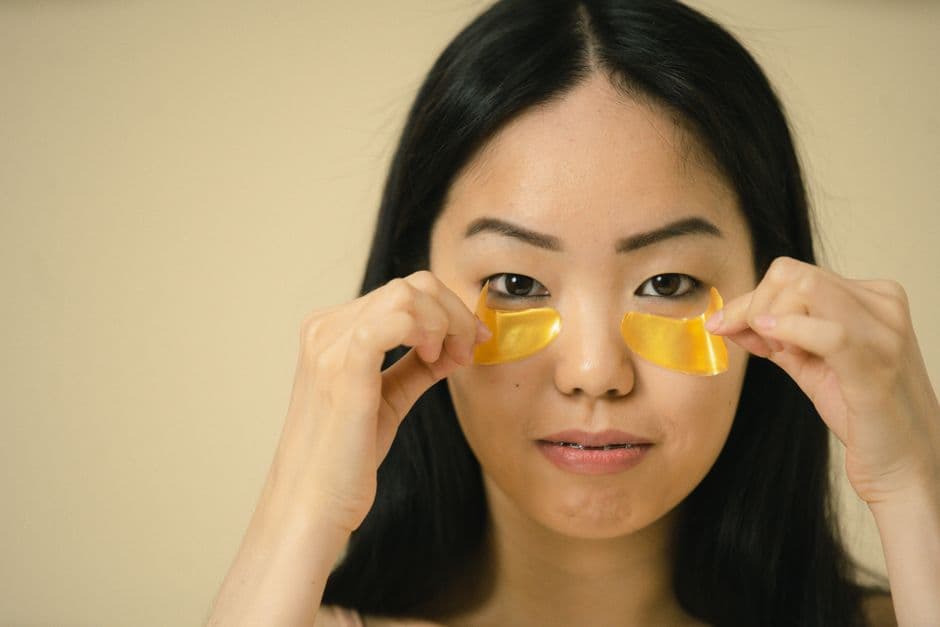
Non-invasive skin rejuvenation refers to methods that improve the skin without surgery. These methods help you correct signs of aging such as wrinkles, loss of firmness, dullness, and dark spots without requiring hospitalization or enduring significant pain.
Each method is suitable for different skin conditions — a doctor will directly evaluate and recommend the right approach for you, rather than applying a one-size-fits-all formula for every skin type.
The main benefit of non-invasive methods is that you can return to work immediately afterward, experience fewer side effects, and the cost is often lower than surgery. That is why many people choose this path today.
Injectables (fillers and botulinum) — a quick solution for wrinkles
Injectables are among the most popular methods for skin rejuvenation. There are two main types:
- Dermal fillers: Use safe substances to fill hollow areas and restore skin volume lost with age. The most noticeable results usually appear after a few weeks, depending on individual physiology. Note: if the injection site appears blanched (pale white) and feels unusually cold to the touch — this is a sign of vascular occlusion, and you must contact a doctor immediately.
- Botox (neuromodulators): Helps relax the muscles that cause wrinkles (especially on the forehead, around the eyes, and between the eyebrows). Results are typically noticeable after a few days and continue to improve over 2–3 weeks.
Both types have a temporary duration of effect, so you will need periodic maintenance treatments to sustain the results.
Chemical/Mechanical Peels — brightening and smoothing the skin
Exfoliation is not just simply using a cotton pad at home. Advanced clinical methods help remove the outermost layer of dead skin cells, stimulate skin regeneration, and safely improve radiance.
There are several types:
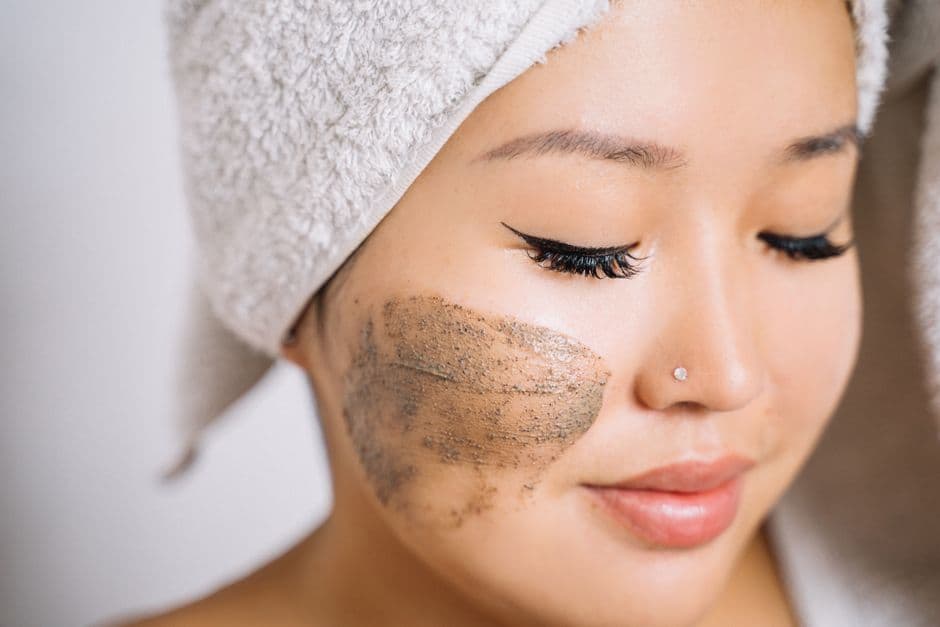
- Chemical peels: Use mild compounds to dissolve old skin layers step by step. Suitable for sensitive skin.
- Mechanical peels: Use micro-particles or devices to gently abrade the skin. Delivers quick results, but the appropriate pressure must be selected.
After an advanced peel, your skin will be brighter, smoother, and subsequent skincare products will absorb much better.
Light therapies — stimulating natural skin regeneration
These use specific wavelengths of light to stimulate collagen and elastin — natural components that keep the skin firm and smooth.
- Red light: Helps stimulate collagen production, reduce wrinkles, and increase elasticity.
- Blue light: Primarily used for anti-inflammation and oil control, suitable for acne-prone skin.
- Yellow light: Increases blood circulation, helping the skin recover faster.
These therapies are safe, non-damaging, and you can feel your skin becoming smoother and brighter after a few sessions.
Combining treatments for optimal results
Many people wonder: which method should they choose? In reality, the best results often come from combining methods tailored to individual skin conditions.
For example, you might start with a peel to cleanse and stimulate regeneration, then combine it with light therapy to enhance effectiveness, and if necessary, add injectables to restore volume in specific areas.
Each person has different needs, so the first step is an in-person consultation so the doctor can evaluate your skin condition and recommend the most suitable plan. At BonBoz, we will listen to you, thoroughly examine your skin, and advise on a comprehensive rejuvenation journey for you.
Want to explore more? Contact BonBoz at 66–68 Vo Van Tan, Xuan Hoa Ward, HCMC for detailed consultation and a personalized skincare plan.
Content compiled and reviewed by the specialist medical team at BonBoz Clinic.
Frequently Asked Questions
What are the prominent advantages of non-invasive skin rejuvenation?
This method effectively improves signs of aging without surgery or hospitalization, carries fewer side effects, is more cost-effective, and allows you to return to normal activities and work immediately afterward.
What dangerous warning signs require contacting a doctor immediately after dermal filler injections?
If the injection area turns blanched (pale white) and feels unusually cold to the touch, this is a warning sign of vascular occlusion. You must contact your doctor immediately for prompt management.
How do I know which skin rejuvenation method is right for me?
Each method is suited to different skin conditions. You should visit the clinic in person so the doctor can examine you, thoroughly evaluate your skin structure, and advise on the most suitable treatment protocol or combination of methods for you.
1. How long do the results of non-invasive skin rejuvenation methods last?
The longevity of non-invasive skin rejuvenation results varies depending on the specific method, skin condition, and individual physiology. Typically, results can last from several months to over a year. For the most detailed and tailored information for your case, an in-person consultation at BonBoz Clinic with a specialist doctor is essential.
2. Do non-invasive skin rejuvenation methods cause side effects or require downtime?
Due to their non-invasive nature, these methods usually have very mild side effects and minimal to no downtime. Common manifestations may include mild redness, transient swelling, or a temporary tingling sensation, which resolve on their own after a few hours or days. However, all medical procedures carry small risks, so you should be thoroughly examined and consulted by a BonBoz Clinic doctor to better understand what to expect.
This article is for reference only and does not replace an in-person examination or a doctor's diagnosis. Actual results vary by individual condition.