
Melasma
Melasma presents as dark patches with irregular borders, typically appearing symmetrically on the cheeks, forehead, and upper lip. It occurs when melanocytes become hyperactive due to sun exposure, hormonal fluctuations, and genetic factors. Epidermal melasma generally responds better to treatment than dermal melasma. Management is a long-term process involving strict sun protection, prescription topicals, chemical peels, or laser toning.
Compiled from BonBoz Clinic clinical documentation — currently in medical review
How Does Melasma Develop?
Melanocytes in the epidermis and dermis are stimulated to produce more melanin than normal. UV radiation, visible light, and heat are the strongest triggers; hormones (pregnancy, oral contraceptives, thyroid disorders) and genetics determine who is susceptible. Because melanocytes retain a "memory" of hyperactivation, melasma tends to recur during sunny seasons—which is why melasma treatment focuses on management, not a permanent cure.
Epidermal, Dermal, and Mixed Melasma
Epidermal melasma: brown with well-defined borders, enhanced under a Wood's lamp—responds well to topical treatments and chemical peels. Dermal melasma: slate gray or bluish-gray with poorly defined borders, fades slowly, and responds poorly to topicals—often requiring multiple sessions of low-fluence laser toning. Mixed melasma presents with both components and is the most common type among Vietnamese individuals. Correct classification determines the treatment plan, making skin analysis an essential step.
How Does Melasma Differ from Freckles and Sun Spots?
Freckles are small, scattered macules that darken with sun exposure and often appear in childhood; sun spots (solar lentigines) are well-defined round patches seen in middle-aged adults. Melasma presents as larger, symmetrical patches influenced by hormonal factors. These three conditions respond differently to laser therapy: freckles and sun spots generally respond quickly, whereas melasma requires a cautious approach, as high-energy lasers can exacerbate hyperpigmentation.
Why Does Melasma Treatment Often Fail?
Three common reasons: inadequate sun protection (using sunscreen in insufficient amounts, not wearing hats, or not avoiding heat), using non-regulated creams containing corticosteroids that thin the skin and trigger severe rebound hyperpigmentation, and undergoing aggressive, high-energy laser treatments at non-physician facilities that cause melasma to spread. Consistency with a 3–6 month regimen followed by long-term maintenance is essential to sustain results.
What Does BonBoz Do?
Our dermatologists assess your skin to classify the melasma type, review your hormonal history and past product use, prescribe medical-grade topical brightening agents (which may be combined with oral medications in select cases), guide you on proper sun protection, and consider a tailored course of chemical peels or laser toning when indicated. You will be clearly informed: melasma improves gradually, requires maintenance, and any promise of "curing melasma in just a few sessions" is medically unfounded.
Severity levels
1
Epidermal Melasma
Brown with well-defined borders, typically developed within the past 1–2 years. Sun protection combined with prescription topical treatments usually yields noticeable improvement in 3–4 months.
2
Dermal Melasma
Bluish-gray with ill-defined borders, chronic. Topicals show poor response; requires multiple low-fluence laser toning sessions with expectations of gradual improvement.
3
Mixed Melasma
Affects both epidermal and dermal layers, the most common type. Combination approach with topicals + laser toning + sun protection; treatment course of 6 months or longer.
4
Melasma on Corticosteroid/Bleaching-Damaged Skin
Thin skin, telangiectasia. Barrier repair must precede melasma treatment; laser therapies require extreme caution.
When should you see a doctor?
- Dark patches spreading or darkening rapidly within a few months.
- Melasma rebounding aggressively after stopping a whitening product — suspected corticosteroid-containing cream.
- You are pregnant, breastfeeding, or taking hormonal medications — requiring a safe treatment option.
- Previously treated with laser elsewhere, but the melasma became darker and spread further.
How BonBoz treats it
Prescription topical brightening regimen
Melanin-inhibiting and gently exfoliating active ingredients, tailored to the specific type of melasma, with follow-up visits for adjustments.
Learn about this method →Laser toning (Pastelle)
Low-fluence Q-switched laser across multiple sessions for dermal and mixed melasma — parameters are physician-set to prevent rebound hyperpigmentation.
Learn about this method →Chemical peel
Exfoliates superficial pigment for epidermal melasma through a structured treatment course, combined with topical medications.
Learn about this method →Pigment mesotherapy
Delivers brightening actives into the superficial dermis via microneedling, supporting the treatment regimen once the skin has stabilized.
Learn about this method →Want a cost range for your own case?
Estimate the cost →Cost guidance
Melasma treatment is a long-term journey. Costs consist of prescription medications (minimal) and laser toning or chemical peel sessions (charged per session). The doctor will estimate the required number of sessions based on your specific type of melasma; an indicative price range is available in our cost estimator tool.
The final price follows the doctor’s recommendation after an in-person exam. A confirmed quote has no hidden extras.
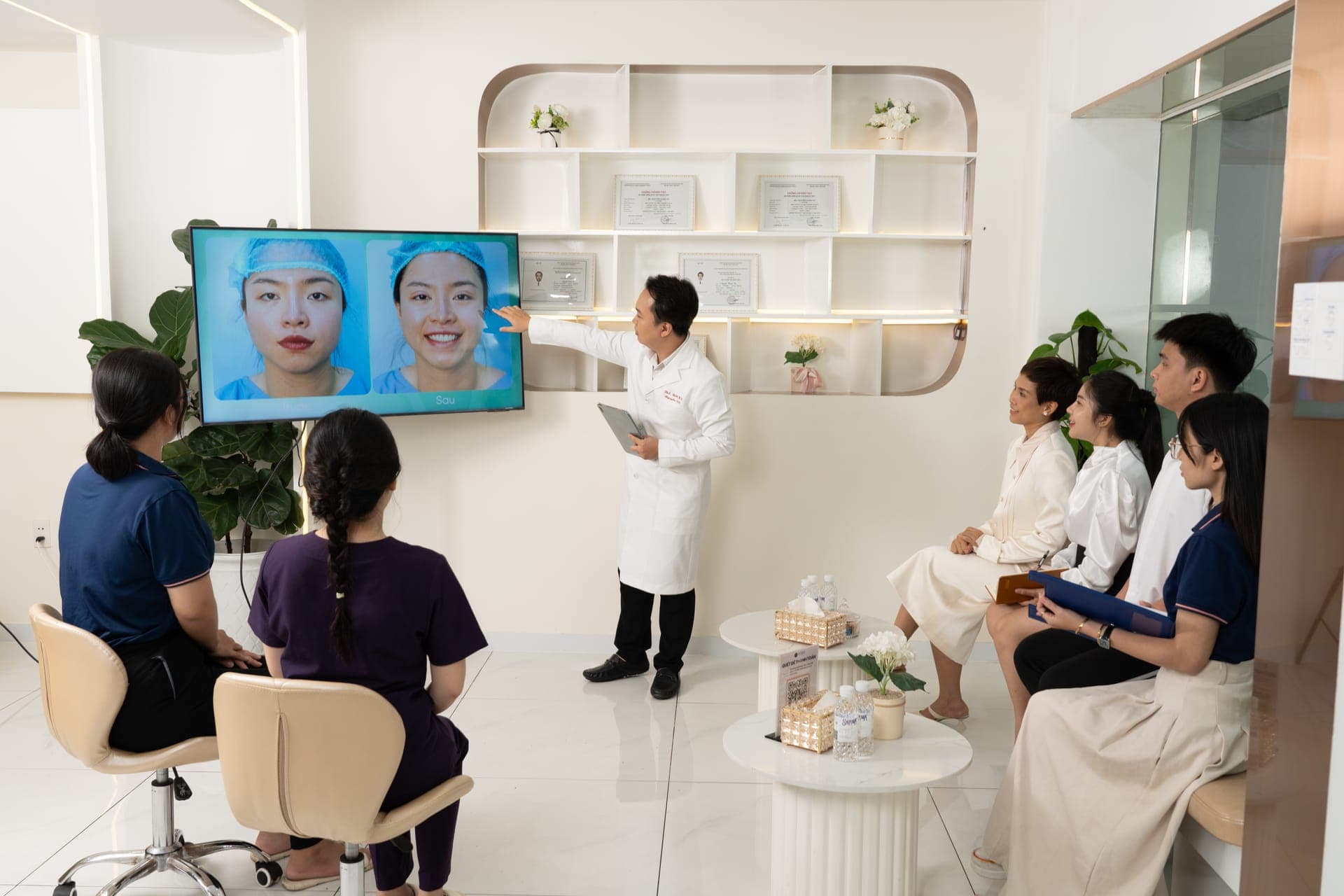
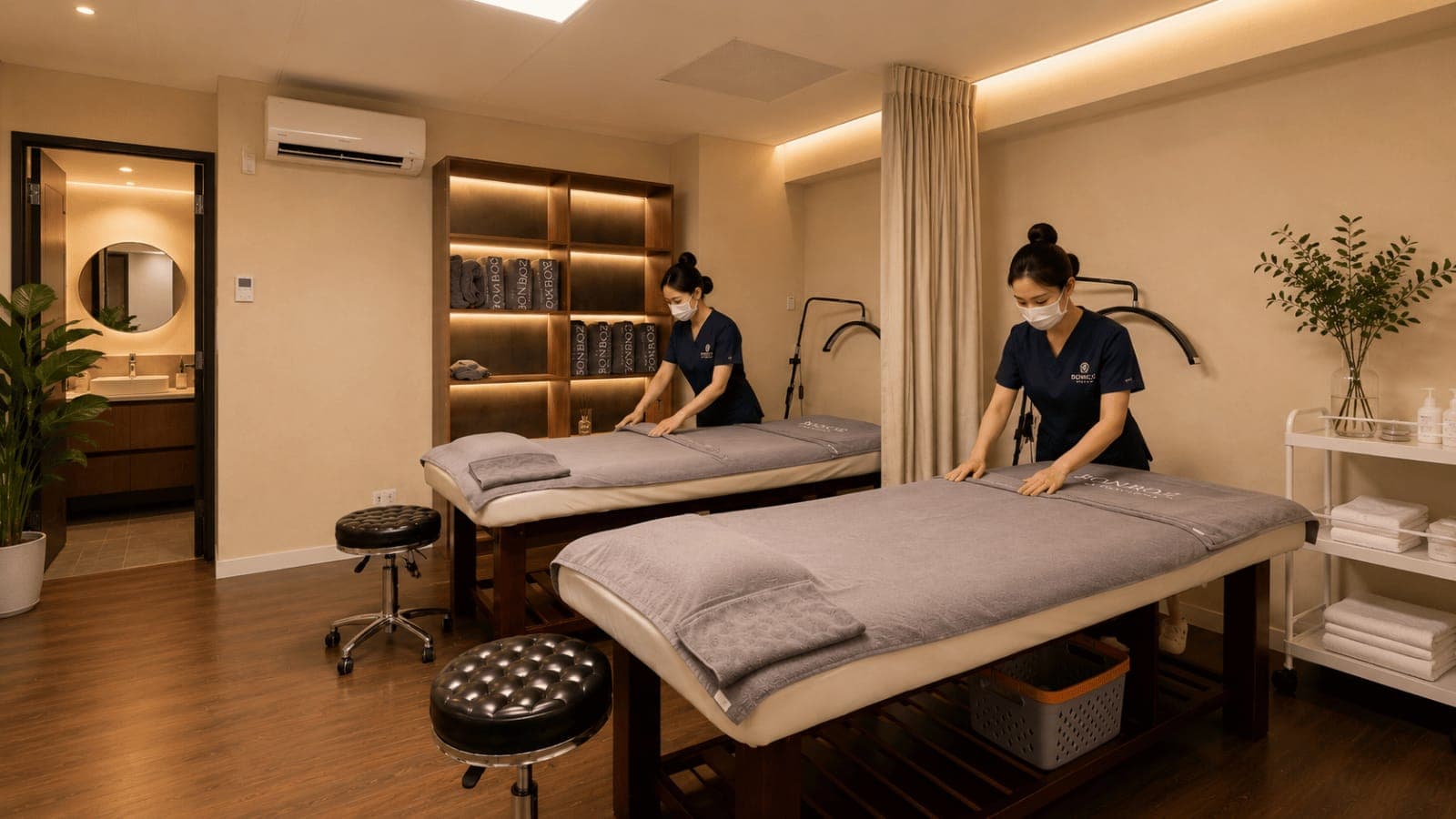
Inside the BonBoz clinic

Book a consultation with a doctor
Choose a date, time slot and doctor — the clinic calls to confirm within 5 minutes during opening hours. Free consultation, no commitment.
Frequently asked questions
Can melasma be completely cured?
Can lasers make melasma worse?
Which sunscreen is best for melasma-prone skin?
How long does it take to see melasma fade?
What should I do if I develop melasma during pregnancy?
Can oral medications be used to treat melasma?
Is melasma caused by liver problems or hormonal imbalances?
Can chemical peels treat melasma?
Is maintenance therapy necessary after melasma has faded?
Can melasma and freckles be treated at the same time?
Related topics
- PRP (Platelet-Rich Plasma) Cost: Price Range Reference
- Mesotherapy and Skin Booster Costs: Price per Session and Treatment
- Dermal Filler Cost by Treatment Area: Price per cc and Key Factors
- Botox Cost by Area: Reference Price Range
- BAP (Bio Aesthetic Points) Technique with Skin-Restructuring HA: 5 Points per Side of the Face, Mechanism of Action, and Ideal Candidates
- Mesotherapy (Micro-injections of Active Ingredients): Mechanism of Action, Common Ingredients, Treatment Protocol, and Limitations
More from our doctors
Melasma, Freckles, and Brown Spots: Understanding the Causes and How to Tell Them Apart
Melasma, freckles, and brown spots are often confused despite having distinct characteristics. Understanding their causes and key differences helps you identify your skin condition and communicate effectively with your doctor.
Steroid-Induced Acne from Prolonged Corticosteroid Use: Identifying Signs and Treatment Approaches
Prolonged use of topical corticosteroids, especially on the face, can cause adverse skin reactions such as perioral dermatitis, steroid acne, or rebound flares upon discontinuation. Safe management: DO NOT discontinue use abruptly on your own — consult your prescribing physician for a controlled tapering schedule, combined with targeted specialized treatment.
Post-Acne Hyperpigmentation (PIH) vs. Atrophic Acne Scars: How to Tell the Difference and Treatment Approaches for Each Type
Post-inflammatory hyperpigmentation (PIH) is a flat pigmentary disorder on the skin, while atrophic acne scars are areas of collagen loss—their differentiation and treatment approaches are entirely different.
How to Care for Dry, Flaky Skin in Year-End Weather
As the dry, year-end weather sets in, many people experience uncomfortable tightness and flaking skin. Understanding why your skin becomes drier during this season and adopting the right skincare routine will help maintain healthy skin and prevent unnecessary irritation.