
Revision Rhinoplasty
Revision rhinoplasty is a corrective surgical procedure for previously operated noses that experience complications or unsatisfactory results, such as deviation, visible implants, skin redness, contracture, infection, a bulbous tip, or an unsuitable shape. This procedure is more complex than a primary rhinoplasty due to extensive scar tissue, thinned skin, and the potential depletion of septal cartilage, often requiring ear or rib cartilage to reconstruct the nasal framework.
Compiled from BonBoz Clinic clinical documentation — currently in medical review
When is revision rhinoplasty necessary?
There are two main categories. Medical issues requiring prompt intervention: infection, implant extrusion, progressive redness or thinning, severe contracture causing an upturned tip, and breathing difficulties due to postoperative septal deviation. Aesthetic concerns that can wait: minor bridge deviation, a bulbous tip, an overly high or rigid profile that does not suit the face, or visible steps/irregularities along the bridge. For aesthetic concerns, patients should wait at least 6–12 months for swelling to fully resolve and scar tissue to soften, as many perceived "flaws" at months 2–3 improve on their own.
Why is revision surgery more challenging than primary rhinoplasty?
Subcutaneous tissue becomes fibrotic and scarred, obscuring anatomical planes. This makes dissection more difficult and increases the risk of skin injury. The nasal tip skin is often thinner from previous implants; the septal cartilage may be depleted, and ear cartilage may have already been harvested. Because normal anatomy has been altered, the surgeon must carefully evaluate each tissue layer intraoperatively. Revision surgeries require longer operative times, result in prolonged swelling, and carry a more guarded prognosis—especially in cases with multiple prior surgeries.
Grafts and materials used in revision rhinoplasty
Autologous cartilage is preferred: septal cartilage (if available), ear cartilage (for tip grafting or small contour grafts), and costal (rib) cartilage (when substantial structural support and rigidity are needed for columellar strut reconstruction and lengthening contracted noses). For thin skin, surgeons may use deep temporal fascia or autologous soft tissue as a biological buffer between the cartilage framework and the overlying skin. Alloplastic implants may still be considered for the bridge if the skin is sufficiently thick and there is no history of infection.
Potential risks to consider
Risks are higher than in primary rhinoplasty: prolonged swelling (3–6 months), compromised skin vascularity, scar contracture altering the nasal shape over time, graft warping or visible edges, persistent nasal tip stiffness, prolonged numbness, unsatisfactory aesthetic outcomes requiring minor touch-ups, infection, and donor site scarring from rib cartilage harvest. Severely contracted noses may require a staged, two-step approach.
The BonBoz approach
A board-certified plastic surgeon conducts a direct consultation, reviewing previous surgical records and photos when available, palpating to assess skin quality, existing implants, and residual cartilage, evaluating airway function, and ordering a CT scan if septal pathology is suspected. We prioritize addressing medical issues first (implant removal, infection control), followed by structural reconstruction using autologous cartilage and soft-tissue buffering for thin skin. We clearly explain potential staging requirements and realistic surgical limitations. The surgeon who performs your consultation is the one who operates and monitors your recovery through month 12.
Technique variants
1
Minor Revision
Refining shape without completely removing existing materials.
2
Material Removal and Reconstruction
Indicated when existing materials cause issues or severe asymmetry.
3
Complication Correction
Addressing infection, material exposure, or tissue contraction — prioritizing safety over aesthetics.
When should you see a doctor?
- Recent primary surgery — tissue is not yet stable, requiring time to heal as instructed by the physician.
- Signs of infection, discharge, or exposed implant materials — this requires immediate clinical examination rather than waiting for an elective aesthetic appointment.
- Uncertainty about previous implant materials or where the procedure was performed — this information directly impacts the treatment plan.
- Expectations of complete restoration to a pre-surgical state — revision procedures have inherent limitations.
How is it performed?
General anesthesia or IV sedation combined with local anesthesia, depending on the case. The surgeon performs an open rhinoplasty (typically via a transcolumellar incision for optimal visualization), selectively removes previous implant materials and scar tissue, and assesses the remaining nasal framework. Autologous cartilage (ear or rib) is harvested as needed; the surgeon reconstructs the columella, performs septal extension or deviation correction, refines the nasal tip using cartilage grafts, and places a dorsal implant suited to the patient's skin envelope. Soft tissue grafting/cushioning is applied if the skin is thin; the incisions are then sutured, and an external splint is applied for stabilization. The procedure takes 2–4 hours; it may be divided into two stages in cases with severe contracture or active infection.
Before the procedure
Examination and evaluation of skin quality, previous graft materials, remaining cartilage, and airway function; review of previous surgical records; septal CT scan when indicated; preoperative screening tests; discontinuation of anticoagulants, alcohol, and smoking for at least 2 weeks; optimization and control of underlying medical conditions.
After the procedure
**Post-Operative Care Instructions:** * **Clinical Timeline & Care:** * **Day 1:** Surgical drain removal. * **Days 1–2:** Apply cold compresses (10–15 minutes per session, 5 times daily). * **Day 3 onward:** Switch to warm compresses. * **Days 5–7:** Nasal splint management (splint change on Day 5, keep splint secured for up to 7 days). * **Days 10–14:** Suture removal and tissue release. * Care for the rib cartilage donor site as directed by your surgeon. * **Recovery & Activity Guidelines:** * Significant swelling and bruising are expected for 2–3 weeks; residual nasal tip swelling persists for 3–6 months; final aesthetic results are achieved within 9–12 months. * Avoid physical impacts, strenuous activities, and resting heavy eyeglasses on the bridge for 6 weeks. * Limit laughing loudly and excessive talking. * Scheduled follow-up visits: Day 7, and Months 1, 3, 6, and 12. * **Dietary Restrictions (Avoid for 1 Month):** * Seafood, beef, sticky rice, and water spinach (morning glory). * Alcohol, carbonated soft drinks, and coffee. * Fermented dipping sauces and pungent fermented bean curd. * **When to Contact Your Doctor Immediately:** * Severe abnormal swelling, purulent discharge, or excessive bleeding. * High fever exceeding 38.5°C or spreading erythema (redness/heat/pain). * Significant nasal asymmetry/deviation after swelling subsides, fluid leakage, or signs of implant extrusion.
Possible risks — your doctor explains them before treatment
- Prolonged swelling lasting 3–6 months, persistent stiffness of the nasal tip
- Thin skin and compromised blood supply
- Scar contracture altering the nasal shape over time
- Warping or visible outlines of the cartilage graft
- Prolonged numbness at the nasal tip
- Suboptimal results requiring further revision
- Infection
- Scarring and pain at the costal cartilage donor site
Who should NOT have this?
- Less than 6–12 months since the previous surgery (except in cases of infection or implant exposure)
- Active infection requiring prior medical treatment
- Uncontrolled systemic diseases or blood coagulation disorders
- Heavy smoking with inability to quit (compromised skin perfusion)
- Unrealistic expectations for a nose as high or long as the primary surgery, regardless of current skin and tissue conditions
- Body Dysmorphic Disorder (BDD) without prior psychological evaluation
- Under 18 years of age without a parent or legal guardian present to understand and consent to the treatment plan
How BonBoz uses it
Semi-structural rhinoplasty
Semi-structural rhinoplasty raises the nasal dorsum using artificial material and erects the columella, while reshaping the nasal tip using autologous cartilage and preserving the natural nasal framework—striking a balance between cartilage-wrapped tip rhinoplasty and full structural rhinoplasty regarding invasiveness, recovery time, and cost.
Learn about this method →Rhinoplasty with cartilage-wrapped tip
Rhinoplasty with cartilage-wrapped tip raises the bridge with artificial material and wraps the nasal tip with ear cartilage (or Megaderm) to prevent overstretching the tip skin. This is a popular technique for low noses with relatively good tip structure and average skin thickness. It cannot fix a bulbous or short, upturned tip.
Learn about this method →Full structural rhinoplasty
Full structural rhinoplasty completely reconstructs the osteo-cartilaginous framework of the nose using autologous cartilage (septal, ear, or rib cartilage): lengthening short noses, projecting bulbous tips, and correcting damaged/failed noses. It involves a longer surgery and recovery period, requiring a highly experienced surgeon—in exchange for handling complex cases.
Learn about this method →Rhinoplasty surgery
Services page: A specialist physician conducts an examination, recommends the most suitable option, and provides a clear cost quote before you make a decision.
Learn about this method →Want a cost range for your own case?
Estimate the cost →Cost guidance
The cost of revision surgery typically differs from a primary procedure, depending on scar tissue, the presence of previous implant materials, the required volume of autologous cartilage, and the extent of structural reconstruction needed.
The final price follows the doctor’s recommendation after an in-person exam. A confirmed quote has no hidden extras.
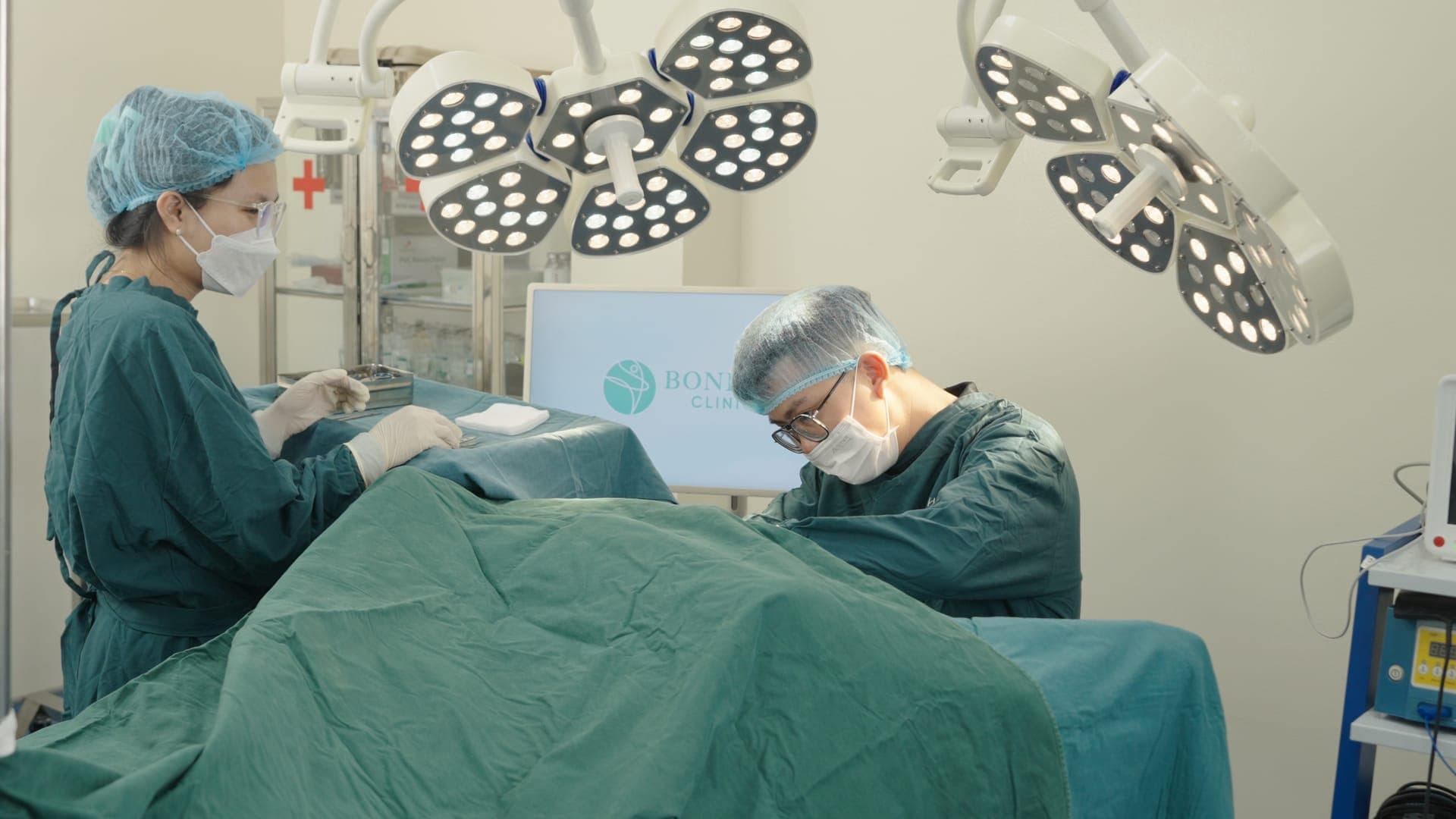
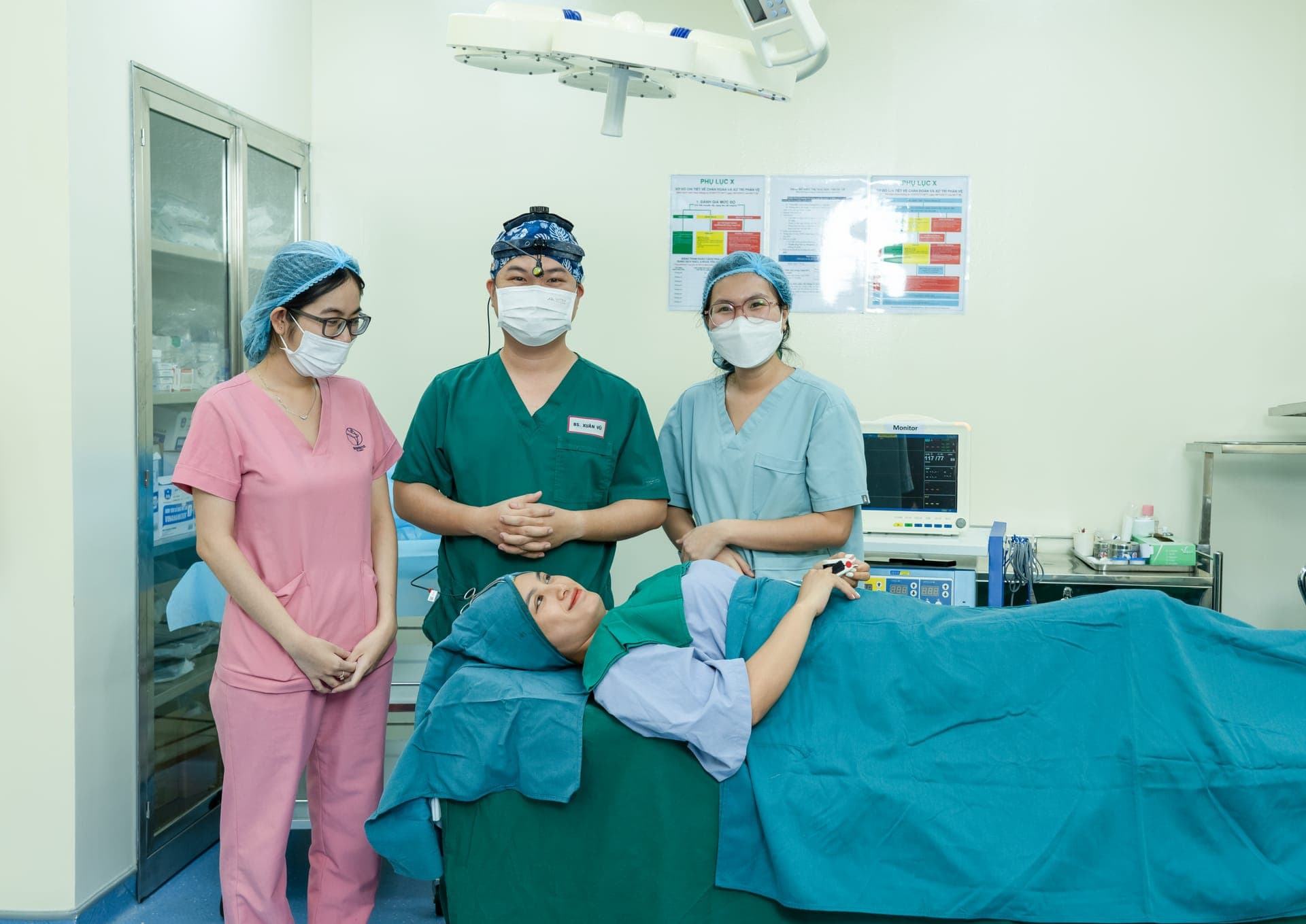
Inside the BonBoz clinic

Book a consultation with a doctor
Choose a date, time slot and doctor — the clinic calls to confirm within 5 minutes during opening hours. Free consultation, no commitment.
Frequently asked questions
How long after a previous rhinoplasty can I have a revision?
Is rib cartilage necessary for revision rhinoplasty?
Is revision rhinoplasty more painful than the primary procedure?
How long will the swelling last?
Will I need a two-stage surgery?
Can the revision look as good as a primary rhinoplasty?
Can I still have revision rhinoplasty if I have already had 2–3 previous surgeries?
Can revision rhinoplasty improve my breathing?
How does the cost of revision rhinoplasty compare to a primary procedure?
Related topics
- Cost of Full Structural Rhinoplasty: Reference Price Range
- Semi-Structural Rhinoplasty Cost: Price Range and Cost-Affecting Factors
- Cost of Rhinoplasty with Cartilage-Wrapped Tip: Price Range and Key Factors
- Autologous Costal Cartilage Rhinoplasty: Indications, Pros, Cons, and the Cartilage Harvesting Procedure
- Nasal Wing Reduction (Alar Plasty): Techniques, Who Needs It, Incision Locations, and Risks of Asymmetrical Nostrils
- Redness, Shininess, and Visible Implant After Rhinoplasty: Signs of Skin Thinning and When to Seek Early Intervention
More from our doctors
Revision Rhinoplasty for Failed Previous Surgery: What You Need to Know Before Making a Decision
Revision rhinoplasty after a failed procedure requires adequate waiting time, choosing a highly qualified surgeon, and clearly understanding the corrective techniques to achieve optimal results.
Rib Cartilage vs. Ear Cartilage Rhinoplasty: Detailed Pros and Cons of Each Technique
Both rib cartilage and ear cartilage are autologous materials used in rhinoplasty. Rib cartilage offers greater long-term durability, while ear cartilage is easier to harvest. Choosing the right option depends on your aesthetic goals and individual nasal anatomy.
Signs of a Deviated Nose After Rhinoplasty Requiring Immediate Follow-Up
If you notice your nose is crooked, asymmetrical, or different from your expected results after rhinoplasty, please contact us immediately for a follow-up examination.
Abnormal signs after cosmetic surgery: when to seek immediate medical attention?
While most post-operative symptoms following cosmetic surgery are normal, certain signs require prompt medical attention. Knowing how to differentiate between the two helps prevent unnecessary anxiety while ensuring you do not overlook warning signs that require timely intervention.