
Cost of Comprehensive Structural Rhinoplasty
Comprehensive structural rhinoplasty is the most expensive of the three rhinoplasty techniques because the surgeon reconstructs the columella, nasal septum, and nasal tip using autologous cartilage (typically autologous rib cartilage), which requires a lengthy procedure under general anesthesia. The cost varies based on the dorsal implant material, the cartilage source, and the complexity of the case. The final quote is confirmed by the doctor after the consultation, with no hidden fees.
Compiled from BonBoz Clinic clinical documentation — currently in medical review
Some sections of this page are still being translated. The full clinical detail is on the Vietnamese page. Open the Vietnamese page
Why comprehensive structural rhinoplasty costs more than the other two techniques
This technique rebuilds the entire structural support framework of the nose: the columella, septum, and nasal tip are all reconstructed using autologous cartilage, typically autologous rib cartilage. The surgery takes longer, is performed under general anesthesia, and requires an anesthesiology team along with postoperative monitoring. The cost reflects that level of surgical intervention, not the price difference in materials.
What the all-inclusive price covers
Consultation with the plastic surgeon, preoperative tests, anesthesia, harvesting autologous rib cartilage or other autologous cartilage, nasal dorsum implant (Korean artificial cartilage or Surgiform as indicated), medical supplies and medications, postoperative monitoring, follow-up visits, and suture removal (days 10–14 for the nose). Once finalized by the doctor, the price will not change.
Factors causing price variations within the reference range
- Nasal dorsum materials: Korean artificial cartilage at the lower end; Surgiform (ePTFE) at the higher end.
- Additional tip or dorsal grafting with Megaderm: an add-on, priced separately when indicated.
- Previously operated nose: requires removal of old materials, scar tissue management, and correction of contracted nose; this category is most likely to exceed the reference range.
- Combined with alar base reduction or dorsal hump reduction: priced separately.
Who is typically indicated for structural rhinoplasty
Severely short, upturned noses, weak columellas, noses damaged from previous surgeries, or individuals seeking durable results with a weak nasal foundation. If your existing nasal structure is good, the doctor may recommend semi-structural rhinoplasty at a lower cost — BonBoz does not prescribe more complex techniques than necessary.
Get a quote
Estimate your reference price range with our tool, book a complimentary consultation, and receive a written quote clearly detailing the materials and all line items. Installment plans are available through partner financial companies, subject to the terms and conditions of each partner.
How BonBoz uses it
Structural rhinoplasty — technique
Procedure, anesthesia, recovery, and contraindications.
Learn about this method →Autologous rib cartilage rhinoplasty
A common graft source for comprehensive structural reconstruction.
Learn about this method →Revision rhinoplasty
When a previously operated nose from another clinic requires correction.
Learn about this method →Reference price range
| Item | Range |
|---|---|
| Full structural (Korean cartilage / Surgiform / rib cartilage) | 45–75 million VND |
Ranges are for reference only. The final price follows the doctor’s recommendation after an in-person exam; a confirmed quote has no hidden extras. Results and recovery vary by individual.
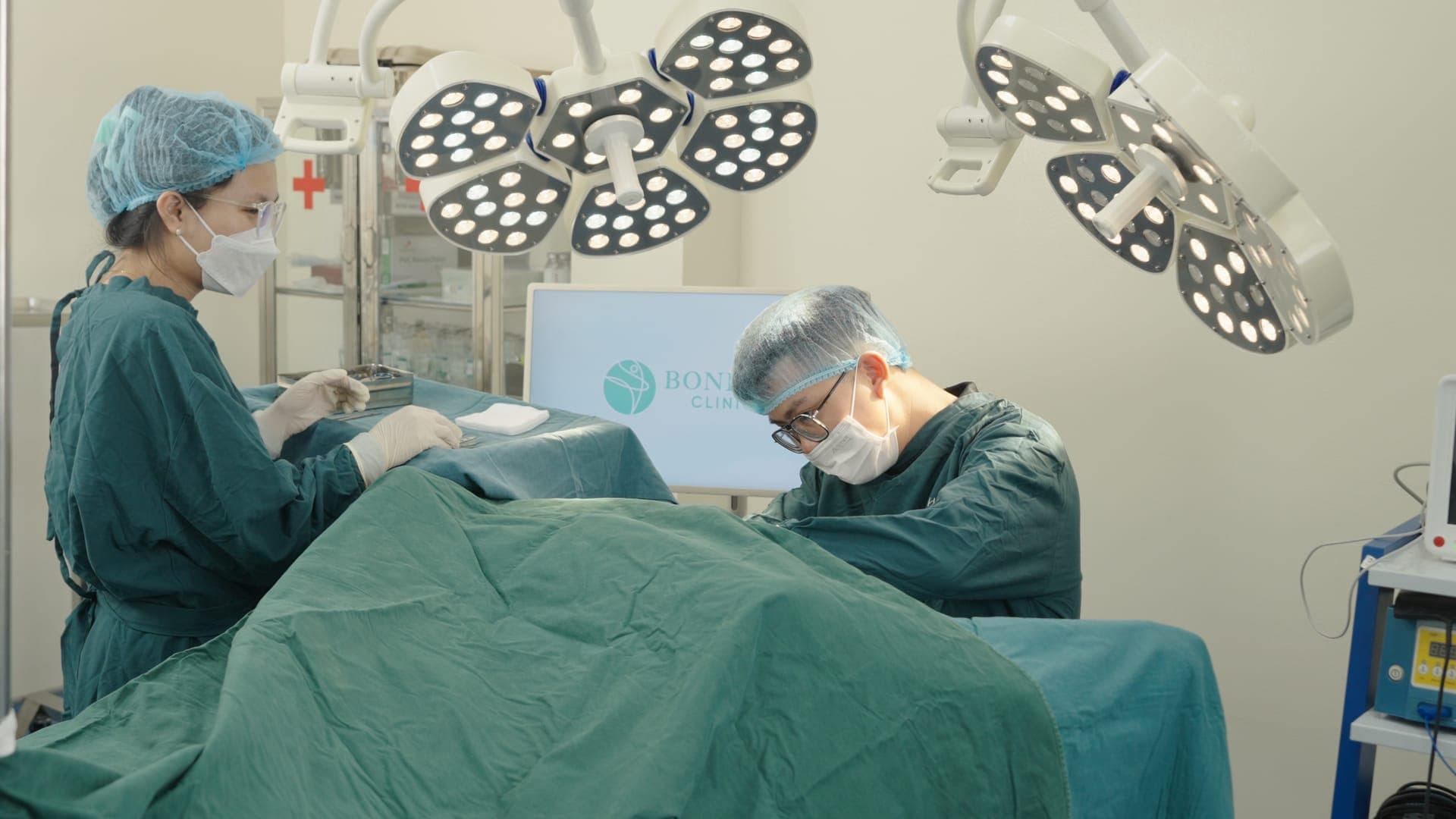
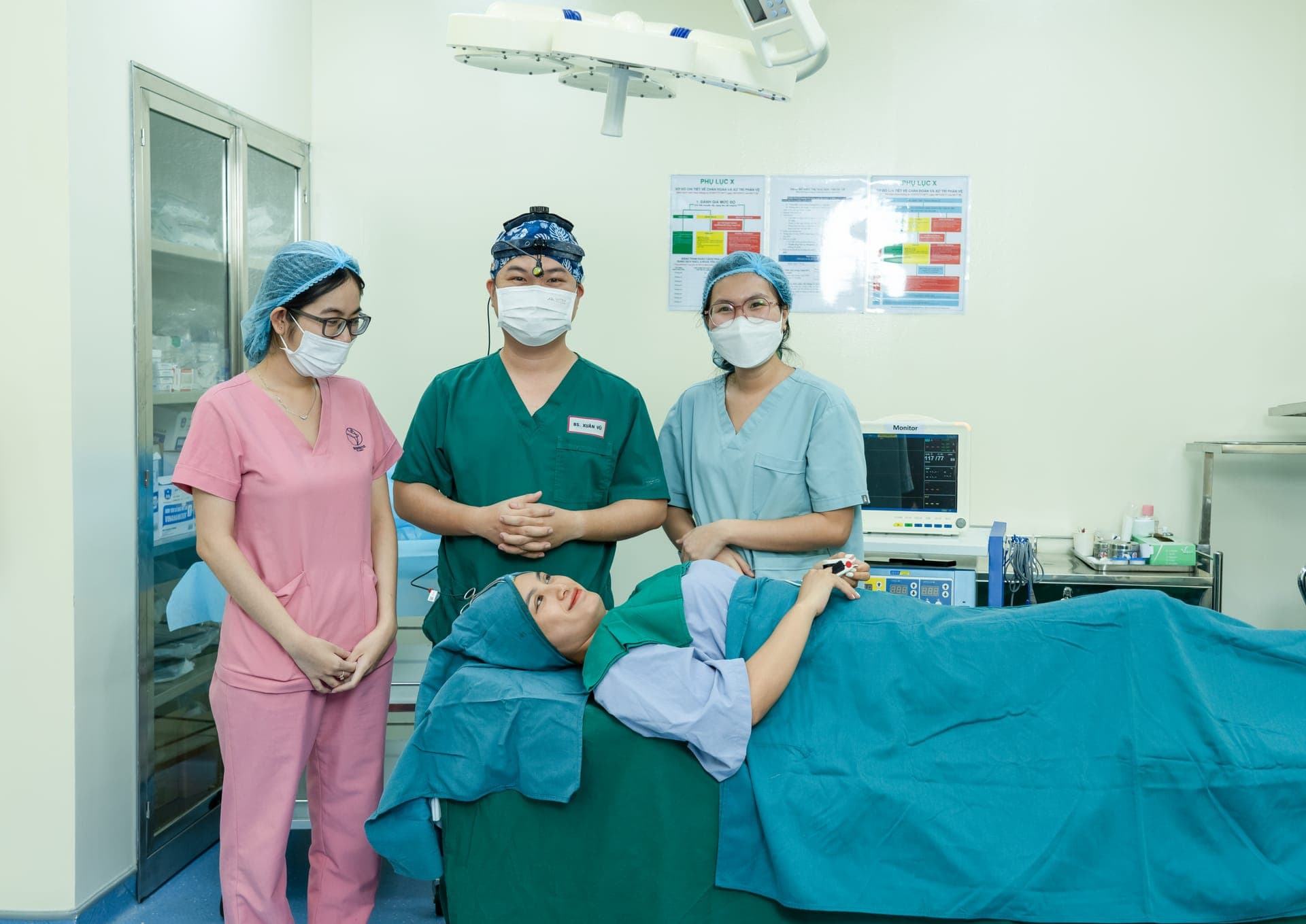
Estimate the cost for your case →Inside the BonBoz clinic

Book a consultation with a doctor
Choose a date, time slot and doctor — the clinic calls to confirm within 5 minutes during opening hours. Free consultation, no commitment.
Frequently asked questions
Does the price include anesthesia and rib cartilage harvesting?
Why is there a price difference between Surgiform and Korean silicone implants?
How much does revision structural rhinoplasty cost for a failed nose job done elsewhere?
Is hospitalization required, and is there an additional cost for it?
Does rib cartilage warp over time, and will it cost extra to correct?
When are the sutures removed, and is there an extra fee?
Is an installment plan available?
If I don't need structural rhinoplasty, will the doctor tell me directly?
Related topics
- Semi-Structural Rhinoplasty Cost: Price Range and Cost-Affecting Factors
- Cost of Rhinoplasty with Cartilage-Wrapped Tip: Price Range and Key Factors
- Autologous Costal Cartilage Rhinoplasty: Indications, Pros, Cons, and the Cartilage Harvesting Procedure
- Nasal Wing Reduction (Alar Plasty): Techniques, Who Needs It, Incision Locations, and Risks of Asymmetrical Nostrils
- Revision Rhinoplasty (Secondary Rhinoplasty): When It Is Needed, Why It Is More Challenging, and the Procedure at BonBoz
- Redness, Shininess, and Visible Implant After Rhinoplasty: Signs of Skin Thinning and When to Seek Early Intervention
More from our doctors
Rib Cartilage vs. Ear Cartilage Rhinoplasty: Detailed Pros and Cons of Each Technique
Both rib cartilage and ear cartilage are autologous materials used in rhinoplasty. Rib cartilage offers greater long-term durability, while ear cartilage is easier to harvest. Choosing the right option depends on your aesthetic goals and individual nasal anatomy.
Structural Rhinoplasty vs. Cartilage-Shielded Rhinoplasty: Key Differences and How to Choose the Right One
Distinguishing Structural Rhinoplasty and Cartilage-Shielded Rhinoplasty: Materials, Durability, Suitable Candidates, and Key Factors Determining the Outcome.
Revision Rhinoplasty for Failed Previous Surgery: What You Need to Know Before Making a Decision
Revision rhinoplasty after a failed procedure requires adequate waiting time, choosing a highly qualified surgeon, and clearly understanding the corrective techniques to achieve optimal results.