
Nasal Wing Reduction
Nasal wing reduction is a minor surgical procedure that involves removing a portion of skin and soft tissue at the base of the nasal wing or the floor of the nose, followed by suturing to create a slimmer nasal wing and smaller, more symmetrical nostrils. The incision is made close to the nasolabial fold or inside the nasal floor, allowing it to fade over time. This procedure is indicated for cases of truly flared nasal wings and is often performed in conjunction with rhinoplasty.
Compiled from BonBoz Clinic clinical documentation — currently in medical review
Mechanism
Flared nostrils are caused by thick soft tissue, wide alar base, or large nostrils. The reduction technique involves excising a wedge-shaped piece of skin at the alar base (Weir), at the nasal floor (narrowing the base of the nose), or a combination of both, depending on which part is excessive: for an outwardly flared wing, the excision is at the alar base; for wide nostrils, the floor is narrowed; for both, a combination is performed. After suturing, the alar base is pulled inward, and the nostrils are reduced in size.
When is it necessary and when is it not?
It is necessary when the width of the nostrils exceeds the distance between the inner corners of the eyes after considering a potential lift of the nasal tip, or when the nostrils are too wide, and the alar base is thick. It is not necessary when the flaring is relatively minor due to a low nasal tip — lifting and elongating the tip will pull the wings inward. The doctor will simulate the procedure beforehand so you can see where the improvements will come from, avoiding unnecessary excision of the alar wings.
Why is 'cutting just enough' the principle?
Once the nasal wing tissue is excised, it cannot be regained. Over-excision can lead to distorted nostrils, notching of the alar wings, asymmetry, and sometimes narrowing of the nostrils affecting breathing — corrections are very difficult and may require tissue grafting. Therefore, the doctor measures both sides with a ruler and standardized photographs, cuts slightly below the anticipated level, and adjusts during suturing.
Risks to be aware of
Scarring at the alar-cheek fold (pink for 1-3 months, thicker skin takes longer to fade), asymmetrical nostrils, distortion or notching of the alar base from excessive cutting, narrowing of the nostrils, temporary numbness of the alar base, and infection (rare). Thick skin improves more slowly than thin skin.
At BonBoz
The plastic surgeon measures the nose-to-face ratio, identifies the excess (alar base, nasal floor, or both), and typically performs this procedure in conjunction with a rhinoplasty to achieve overall balance between the bridge, tip, and wings. The examining doctor is the one performing the surgery, clearly explaining the incision location and length, the expected degree of reduction, and the principle of cutting just enough.
Technique variants
1
Internal alar reduction
Incisions are hidden inside the nostrils, suitable for minor reductions.
2
External alar reduction
Incisions are made along the alar crease when greater reduction is needed.
3
Combined alar reduction
Performed simultaneously with rhinoplasty to achieve overall balance.
When should you see a doctor?
- The illusion of a wide alar base often stems from a low nasal tip rather than an actual broad alar base — this distinction must be properly evaluated first.
- A history of keloid scarring, or thick skin around the alar base.
- An active infection in the nasal area.
- You intend to perform the procedure as an isolated treatment, whereas your overall nasal structure requires a comprehensive, different approach.
How is it performed?
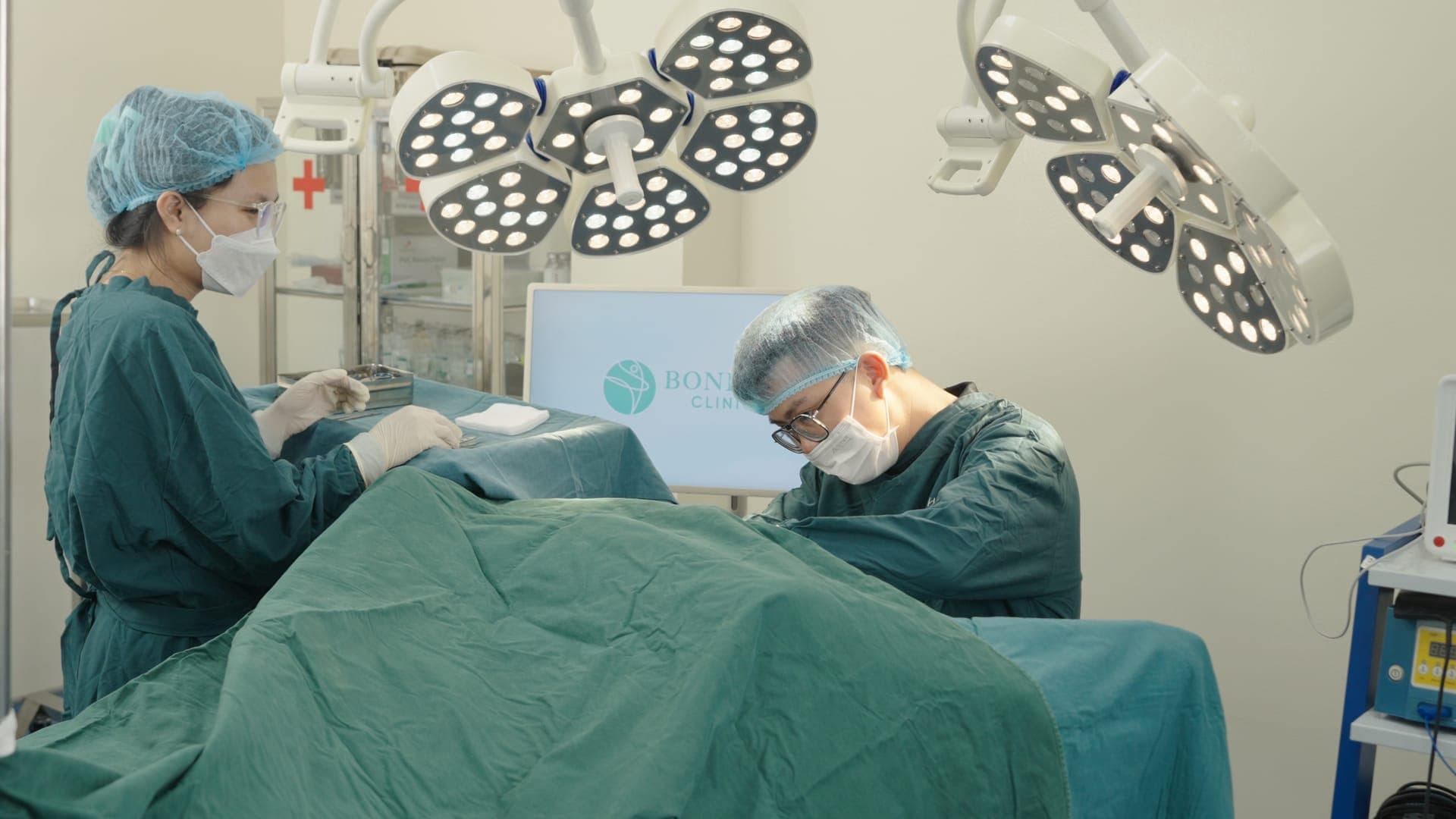
Local anesthesia is administered, and the doctor outlines a wedge-shaped piece of skin at the base of the nostrils and/or the nasal floor based on measurements taken from both sides. The tissue is then incised and removed, the nostrils are pulled inward, and sutures are applied in multiple layers using fine thread, ensuring symmetry during the suturing process and making adjustments as necessary. The procedure takes approximately 30–45 minutes for both sides if performed separately.
Before the procedure
Measure the width of the nostrils and the distance between the inner corners of the eyes. Take standardized photos and create a simulation. Discontinue anticoagulants, alcohol, and smoking as instructed, and combine these steps with the rhinoplasty plan if applicable.
After the procedure
Drain removal on day 1, splint change on day 5, suture removal on days 10–14; apply cold compress on days 1–2 (10–15 minutes each time, 5 times a day), switch to warm compress on day 3. Keep the area dry and clean, follow prescribed medication; mild swelling for 5–7 days; suture removal on days 10–14; pink scars for 1–3 months, use sunscreen and scar gel; stable shape for 3–6 months; follow-up on day 7, month 1, month 3. Avoid for 1 month: seafood, beef, sticky rice, water spinach, alcohol, carbonated drinks, coffee, fish sauce, fermented tofu; limit loud laughing and excessive talking. Notify the doctor immediately if there is unusual swelling, pus discharge, excessive bleeding, fever above 38.5°C, or widespread redness. Any noticeable changes in the nose after swelling subsides, painful swollen areas, discharge, or visible waves also require immediate follow-up.
Possible risks — your doctor explains them before treatment
- Nasal-Malar Scarring
- Asymmetrical nostrils
- Deformity or notch at the alar base if over-resected
- Narrow nostrils
- Temporary alar numbness
- Infection (rare)
Who should NOT have this?
- Nasal wings are relatively wide due to a low nasal tip, indicating that rhinoplasty alone may be sufficient.
- Nostrils are naturally small, or there may already be difficulty in breathing.
- Nasal wings have been previously reduced, leaving minimal tissue remaining.
- There is a clear tendency for hypertrophic scarring.
- There are expectations for very small nasal wings, irrespective of skin thickness.
- Individuals under 18 years old must have a parent or guardian present, who understands and agrees to the treatment plan.
How BonBoz uses it
Semi-structural rhinoplasty
Semi-structural rhinoplasty involves augmenting the nasal dorsum with synthetic or biological implants and reshaping the nasal tip using autologous cartilage while preserving the underlying nasal framework. In terms of invasiveness, recovery time, and cost, it sits right between cartilage-wrapped tip rhinoplasty and full structural rhinoplasty.
Learn about this method →Rhinoplasty with cartilage-wrapped tip
Rhinoplasty with a cartilage-wrapped tip elevates the nasal bridge using synthetic materials and covers the nasal tip with ear cartilage (or Megaderm) to prevent skin tension and thinning. It is a popular technique for low noses with relatively well-formed tips and moderate skin thickness. However, it cannot correct bulbous, short, or upturned nasal tips.
Learn about this method →Full structural rhinoplasty
Full structural rhinoplasty completely rebuilds the nasal osteocartilaginous framework using autologous cartilage (septal, ear, or rib cartilage). It is ideal for lengthening short noses, reconstructing bulbous tips, and correcting failed previous surgeries. While it requires a longer surgical time, an extended recovery period, and an experienced surgeon, it successfully addresses complex cases that other techniques cannot.
Learn about this method →Rhinoplasty surgery
Services page: Our specialist doctors will conduct a thorough examination, recommend the most suitable technique, and provide a transparent quote before you make any decision.
Learn about this method →Want a cost range for your own case?
Estimate the cost →Cost guidance
The cost depends on the extent of reduction required, the location of the incision, and whether the procedure is performed concurrently with a rhinoplasty.
The final price follows the doctor’s recommendation after an in-person exam. A confirmed quote has no hidden extras.
Inside the BonBoz clinic

Book a consultation with a doctor
Choose a date, time slot and doctor — the clinic calls to confirm within 5 minutes during opening hours. Free consultation, no commitment.
Frequently asked questions
Does nostril reduction leave scars?
Can it be done together with rhinoplasty?
Does nostril reduction affect breathing?
How long does swelling last?
Can uneven nostrils after reduction be corrected?
Can thick skin on the nostrils be treated?
Is there an injection to make the nostrils smaller?
What is the cost of nostril reduction?
Related topics
- Cost of Full Structural Rhinoplasty: Reference Price Range
- Semi-Structural Rhinoplasty Cost: Price Range and Cost-Affecting Factors
- Cost of Rhinoplasty with Cartilage-Wrapped Tip: Price Range and Key Factors
- Autologous Costal Cartilage Rhinoplasty: Indications, Pros, Cons, and the Cartilage Harvesting Procedure
- Revision Rhinoplasty (Secondary Rhinoplasty): When It Is Needed, Why It Is More Challenging, and the Procedure at BonBoz
- Redness, Shininess, and Visible Implant After Rhinoplasty: Signs of Skin Thinning and When to Seek Early Intervention
More from our doctors
What is alar base reduction? When should it be combined with rhinoplasty?
Wide nasal alae can make the nose appear bulky even with a high nasal dorsum, but not everyone undergoing rhinoplasty needs an alar base reduction. Understanding what alar base reduction entails and when it should be combined with rhinoplasty will help you have a more focused and effective consultation with your surgeon.
Does rhinoplasty leave scars? What do the post-surgical marks look like?
Rhinoplasty may leave minor scars at the incision site, but they typically fade over time and become barely noticeable with proper aftercare.
What Examinations and Preparations Are Required Before Rhinoplasty? Pre-Operative Tests and Dietary/Lifestyle Restrictions
Prior to rhinoplasty, you will undergo an examination, complete routine preoperative tests, and follow specific preoperative instructions. Be sure to consult closely with your doctor throughout the process to avoid any scheduling delays.