
Total Structural Rhinoplasty
Comprehensive structural rhinoplasty is an open technique that completely reconstructs the nasal framework: extending the septum, erecting the columellar strut, and reshaping the nasal tip using autologous cartilage (septal, ear, or rib), which can be combined with implants along the nasal dorsum. It is indicated for short, upturned noses, bulbous tips, thick skin, deviated noses, and revision rhinoplasty. The procedure takes 2–3 hours, swelling lasts 2–3 weeks, and the final shape stabilizes at 12 months.
Compiled from BonBoz Clinic clinical documentation — currently in medical review
Why is it called 'structural'?
Instead of simply placing an implant onto the existing framework, the surgeon opens the nose, evaluates each anatomical component (septum, alar cartilages, columella), and reconstructs the framework like building a house: extending the septum to lengthen the nose, placing a columellar strut to support the nasal tip, suturing to reshape the tip cartilages, and applying a tip graft. This ensures the nasal shape is supported by a genuine structural foundation, rather than relying solely on an implant pressing against the skin.
Indications
A short, upturned nose with visible nostrils; a bulbous tip with thick skin that requires a rigid framework for proper definition; a weak columella or a collapsed nasal tip; congenital or post-traumatic nasal deviation; failed, contracted, or cartilage-depleted noses (revision rhinoplasty); or candidates who prefer using 100% autologous cartilage. For patients who merely have a low nasal dorsum with a well-defined tip, structural rhinoplasty may be excessive—a rhinoplasty with cartilage-wrapped tip or semi-structural rhinoplasty is sufficient.
Where is autologous cartilage harvested from?
Septal cartilage: firm and straight, harvested internally from the nose, though available in limited quantities. Ear cartilage: soft and curved, ideal for tip grafting. Autologous rib cartilage: abundant and rigid, necessary for major reconstructions and revision rhinoplasty, requiring a submammary incision under 2–3 cm and carrying a risk of warping if not properly managed. The surgeon selects and combines these sources based on the specific cartilage requirements of each case.
Recovery and Expectations
Noticeable swelling and bruising last for 2–3 weeks, with splinting required for 7–10 days. The nasal tip deswells significantly over 3–6 months, reaching its final refined shape at 12 months. Results are long-lasting because the structural framework consists of your own living tissue; however, skin thickness still sets limits on tip definition, and revision cases involve scar tissue, making them less predictable than primary procedures.
At BonBoz
Dr. Nguyen Xuan Vu (MSc, Specialist Level II) personally conducts consultations, takes precise measurements, evaluates available cartilage alongside airway function, and may order a CT scan for revision cases. He thoroughly discusses the surgical plan for each anatomical component, the cartilage harvest source, associated risks, and aesthetic limitations, while directly performing the surgery and overseeing long-term follow-ups (up to 12 months).
Technique variants
1
Structural rhinoplasty with ear and septal cartilage
Sufficient for most moderate framework reconstructions.
2
Structural rhinoplasty with rib cartilage
Used when a substantial amount of cartilage is needed or other donor sources are exhausted.
3
Revision structural rhinoplasty
Involves scar tissue management and removal of previous materials before reconstructing the framework.
When should you see a doctor?
- You only need a subtle nasal dorsum elevation — a full structural rhinoplasty may be more extensive than necessary.
- Your baseline health is not yet stable enough to undergo a longer procedure.
- You have previously had cartilage harvested from the intended donor site.
- You have untreated rhinosinusitis.
How is it performed?
General anesthesia or local anesthesia with sedation. Cartilage harvesting (septal cartilage via an endonasal approach; ear cartilage via a postauricular approach; rib cartilage via a 2–3 cm inframammary incision if needed). Open approach via transcolumellar and intranasal incisions to expose the nasal framework; septal extension grafting, columellar strut placement, lower lateral cartilage reshaping/suturing, tip graft placement, dorsal augmentation using cartilage or synthetic implants, and alar modification if needed; suturing and external splinting. 2–3 hours.
Before the procedure
Undergo a comprehensive pre-anesthesia evaluation and screening (complete blood count, coagulation profile, biochemistry, ECG, and chest X-ray if autologous rib cartilage harvesting is required); discontinue blood-thinning medications for 1 week as instructed; refrain from smoking for 4 weeks before and after surgery; fast for 6–8 hours preoperatively; disclose any underlying medical conditions, previous nasal surgery history, allergies, or history of keloid scars; undergo a nasal CT scan for revision rhinoplasty cases as indicated.
After the procedure
**Post-Operative Care & Follow-Up Schedule** * **Day 1:** Surgical drain removal. * **Days 1–2 (First 48 hours):** Apply cold compresses (10–15 minutes per session, 5 times a day). * **Day 2:** Follow-up visit. * **Day 3 onwards:** Switch to warm compresses. * **Day 5:** Nasal splint change. * **Day 7:** Follow-up visit. * **Days 7–10:** Wear the nasal splint continuously. * **Days 10–14:** Suture and nasal packing removal. * **Weeks 2–3:** Noticeable swelling and bruising will gradually subside; avoid blowing your nose forcefully for 3 weeks. * **Week 4:** Sleep on your back with your head elevated. * **Week 8:** Avoid wearing framed glasses and prevent any physical impact to the nose. * **Follow-Up Appointments:** Scheduled on days 2, 7, 30, 90, 180, and 365. * **Recovery Timeline:** Nasal tip swelling fully resolves in 3–6 months; final aesthetic results are achieved at 12 months. **Daily Care & Lifestyle Guidelines** * Take all prescribed medications strictly as directed. * Care for the autologous rib cartilage donor site properly (if applicable). * Dietary restrictions for 1 month: Avoid seafood, beef, glutinous rice, water spinach, alcohol, carbonated soft drinks, coffee, fermented fish sauce, and fermented bean curd. * Limit laughing loudly and talking excessively. **Emergency & Warning Signs** Contact your doctor or visit the clinic immediately if you experience any of the following: * Abnormal severe swelling, purulent discharge, heavy bleeding, or fever above 38.5°C. * Spreading erythema, localized heat, redness, swelling accompanied by severe pain, or fluid drainage. * Significant nasal deviation after initial swelling subsides. * Implant extrusion.
Possible risks — your doctor explains them before treatment
- Swelling and bruising for 2–3 weeks; numbness at the nasal tip for several months
- Infection, hematoma (rare, manageable with early intervention)
- Rib cartilage warping over time if not harvested and carved properly
- Deviation or asymmetry requiring minor revision after 12 months (low incidence)
- Scars along the columella and at the rib cartilage harvest site (gradually fade; risk of hypertrophic scars/keloids in predisposed individuals)
- Chest soreness for a few days; rare risk of pleural injury during rib cartilage harvesting
- Temporary nasal congestion; rare risk of septal perforation
- Outcomes of revision rhinoplasty are less predictable than primary procedures
Who should NOT have this?
- Low nasal bridge only, well-defined nasal tip (rhinoplasty with cartilage-wrapped tip / semi-structural rhinoplasty is sufficient — structural rhinoplasty is an overtreatment)
- Uncontrolled underlying medical conditions; coagulopathy; not medically cleared for anesthesia
- Currently pregnant or breastfeeding
- Active facial infection or ongoing, unresolved inflammation from a previous surgery (wait 6–12 months)
- Unrealistic expectations of having someone else's nose shape or achieving a slender nasal tip on very thick skin
- Under 18 years of age without a parent or legal guardian present to understand and consent to the treatment plan
How BonBoz uses it
Semi-structural rhinoplasty
Semi-structural rhinoplasty elevates the nasal dorsum with synthetic implants while supporting the columella and reshaping the nasal tip using autologous cartilage, preserving the underlying native nasal framework. It sits between cartilage-wrapped tip rhinoplasty and full structural rhinoplasty in terms of invasiveness, recovery time, and cost.
Learn about this method →Rhinoplasty with cartilage-wrapped tip
Elevating the nasal bridge with synthetic material and wrapping the nasal tip with ear cartilage (or Megaderm) prevents excessive tension and thinning of the tip skin. This is a popular technique for a low nasal bridge with a relatively well-proportioned tip and moderate skin thickness. It does not correct a bulbous, short, or upturned nasal tip.
Learn about this method →Autologous rib cartilage rhinoplasty
Autologous rib cartilage provides sufficient volume and rigidity to reconstruct the nasal framework in complex cases: revision rhinoplasty, contracted nose, or when significant lengthening is required. It is not the default choice for simple primary rhinoplasty.
Learn about this method →Rhinoplasty surgery
Service page: A specialist physician will examine you, recommend the most suitable technique, and provide clear pricing before you make a decision.
Learn about this method →Want a cost range for your own case?
Estimate the cost →Cost guidance
The cost depends on the amount and source of autologous cartilage required, the extent of structural reconstruction, and whether it is a primary procedure or a revision rhinoplasty following prior interventions.
The final price follows the doctor’s recommendation after an in-person exam. A confirmed quote has no hidden extras.
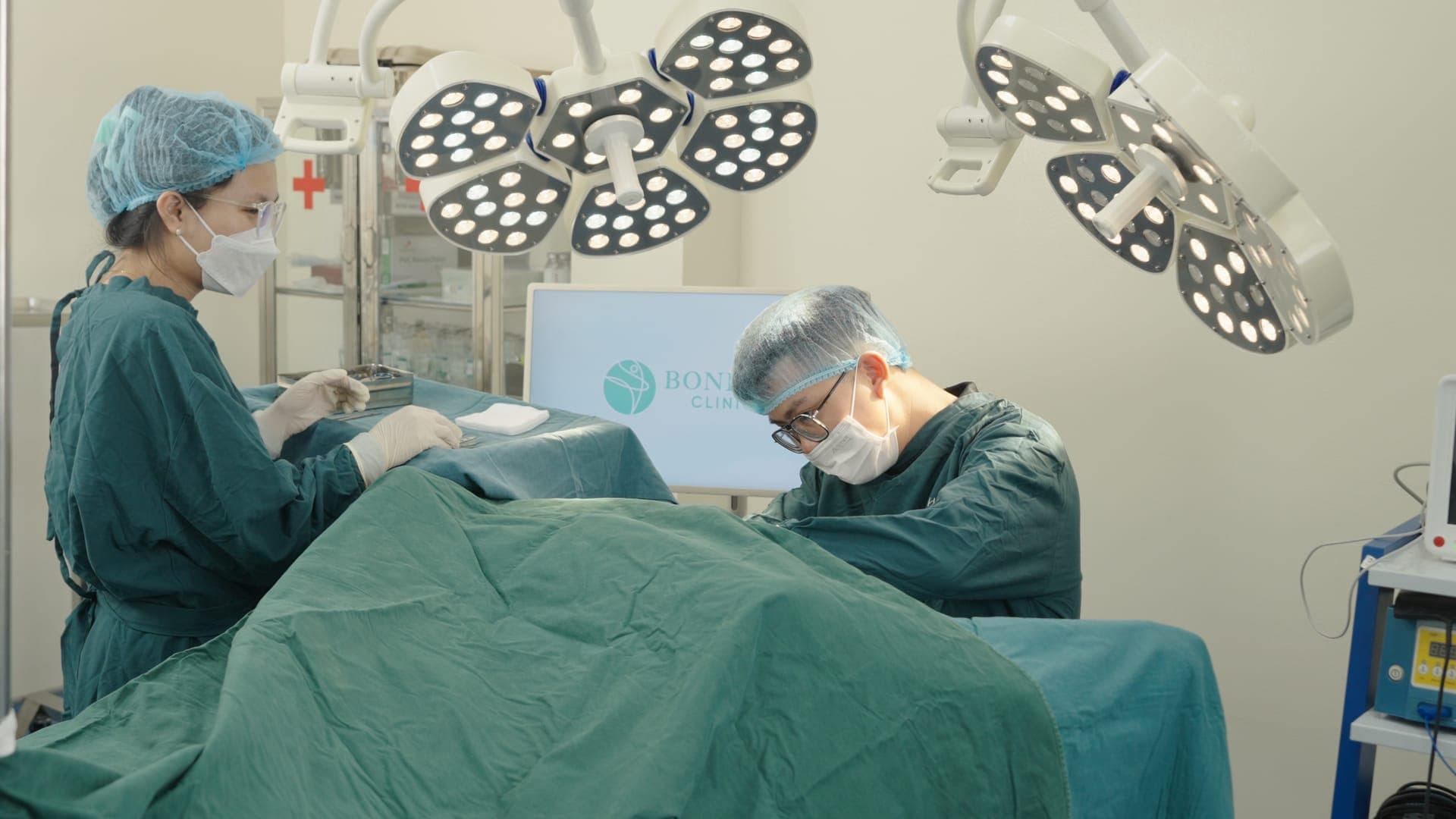
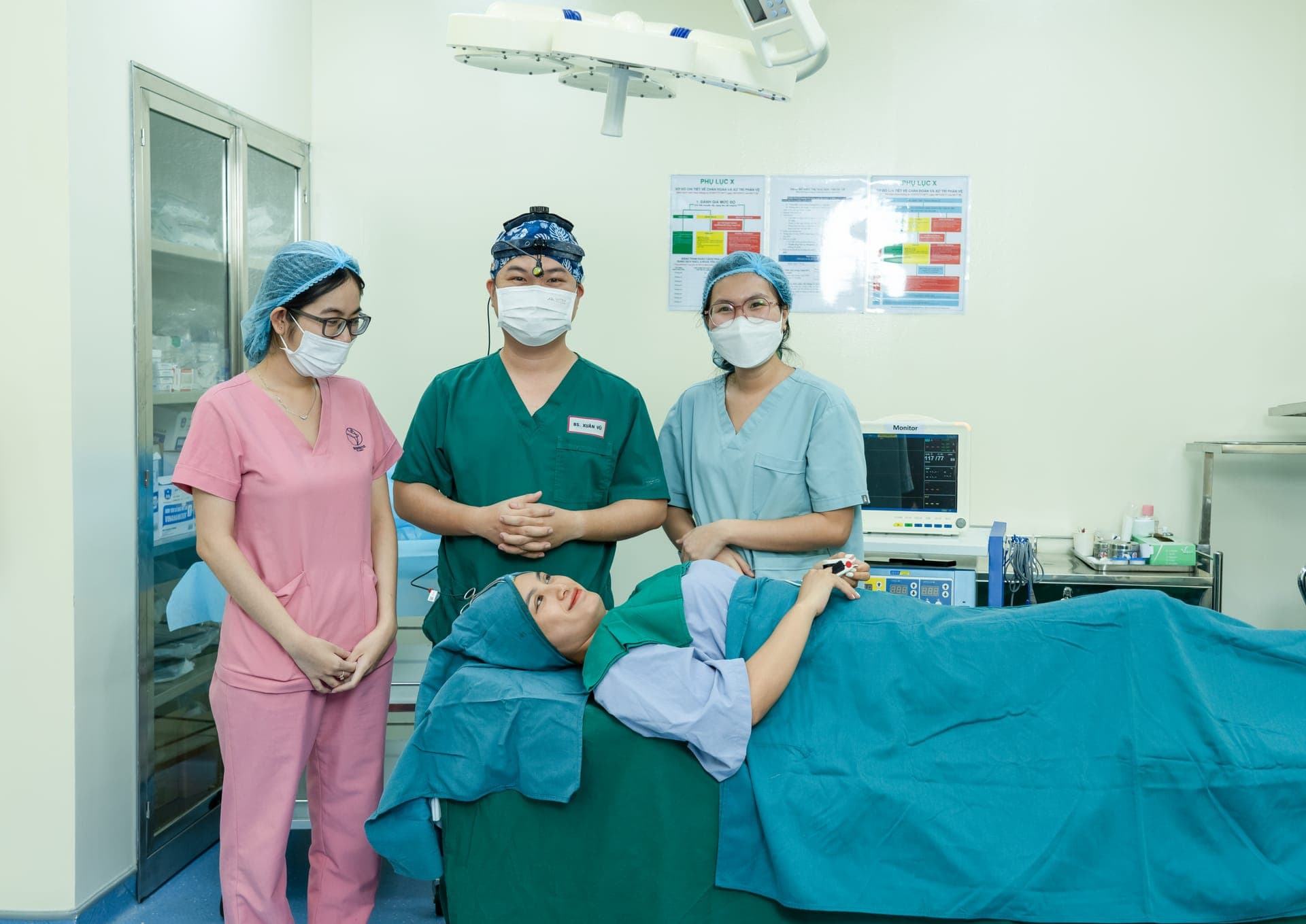
Inside the BonBoz clinic

Book a consultation with a doctor
Choose a date, time slot and doctor — the clinic calls to confirm within 5 minutes during opening hours. Free consultation, no commitment.
Frequently asked questions
How does comprehensive structural rhinoplasty differ from semi-structural rhinoplasty?
Is autologous rib cartilage harvesting mandatory?
How painful is rib cartilage harvesting, and what about scarring?
How long does the swelling last?
Is general anesthesia required?
Can a nose with thick skin become defined?
Does rib cartilage warp?
Why is the cost higher?
How long do the results last?
Who performs the surgery at BonBoz?
Related topics
- Cost of Full Structural Rhinoplasty: Reference Price Range
- Semi-Structural Rhinoplasty Cost: Price Range and Cost-Affecting Factors
- Cost of Rhinoplasty with Cartilage-Wrapped Tip: Price Range and Key Factors
- Autologous Costal Cartilage Rhinoplasty: Indications, Pros, Cons, and the Cartilage Harvesting Procedure
- Nasal Wing Reduction (Alar Plasty): Techniques, Who Needs It, Incision Locations, and Risks of Asymmetrical Nostrils
- Revision Rhinoplasty (Secondary Rhinoplasty): When It Is Needed, Why It Is More Challenging, and the Procedure at BonBoz
More from our doctors
Structural Rhinoplasty vs. Semi-Structural Rhinoplasty: Which Method Is Right for You?
Structural rhinoplasty completely reconstructs the nasal framework, whereas semi-structural rhinoplasty only modifies specific areas. The right approach depends on your aesthetic goals and individual nasal anatomy.
Rib Cartilage vs. Ear Cartilage Rhinoplasty: Detailed Pros and Cons of Each Technique
Both rib cartilage and ear cartilage are autologous materials used in rhinoplasty. Rib cartilage offers greater long-term durability, while ear cartilage is easier to harvest. Choosing the right option depends on your aesthetic goals and individual nasal anatomy.
Revision Rhinoplasty for Failed Previous Surgery: What You Need to Know Before Making a Decision
Revision rhinoplasty after a failed procedure requires adequate waiting time, choosing a highly qualified surgeon, and clearly understanding the corrective techniques to achieve optimal results.
Can a bumpy, short, or deviated nose be reshaped? Key considerations for each nose shape
Can humped, short, or deviated noses be reshaped and corrected? Understanding the unique characteristics and tailored treatment approach for each nose shape will help you form the right expectations.
Is Rhinoplasty Painful? Procedure and Recovery at BonBoz
This is a question almost everyone asks before deciding to get a rhinoplasty. This article gives an honest breakdown of the pain levels at each stage and what the procedure actually entails.
Does rhinoplasty leave scars? What do the post-surgical marks look like?
Rhinoplasty may leave minor scars at the incision site, but they typically fade over time and become barely noticeable with proper aftercare.