
Cartilage-Grafted Rhinoplasty
Cartilage-graft rhinoplasty utilizes an artificial implant to elevate the nasal bridge, while your own ear cartilage (or Megaderm) is grafted onto the nasal tip. This creates a protective buffer between the implant material and the skin, preventing long-term redness and implant visibility. This technique is suitable for low nasal bridges with a relatively good tip structure and sufficiently thick skin; it cannot correct a bulbous, short, or upturned nasal tip.
Compiled from BonBoz Clinic clinical documentation — currently in medical review
Why Is Tip Grafting Necessary?
Using only an implant that extends to the nasal tip can eventually exert continuous pressure on the thin overlying skin, leading to redness, implant visibility, or even skin perforation. An ear cartilage graft placed at the tip serves as living autologous tissue, dispersing pressure and supporting skin health. This makes the procedure significantly safer over the long term compared to standard rhinoplasty that relies solely on an implant.
What This Technique Can and Cannot Do
What it can do: Elevate and straighten the nasal bridge; protect the nasal tip; offer a quick recovery (swelling typically lasts 1–2 weeks). What it cannot do: Reduce a bulbous tip, lengthen an upturned/short nose, or correct a weak columella—as it does not alter the underlying tip cartilage framework. Patients with a bulbous or short nasal tip who undergo cartilage-grafted rhinoplasty alone often achieve a higher bridge, but the tip may remain disproportionately broad.
Materials Used
Soft silicone or Surgiform (ePTFE) implants are selected based on the patient's nasal anatomy and skin thickness. Ear cartilage is harvested through a small incision behind the ear without altering its natural shape. Megaderm (processed acellular dermal matrix) is an alternative for those who prefer not to harvest ear cartilage, though it is less durable than autologous tissue. The surgeon will thoroughly explain the pros and cons of each option before you make a decision.
Recovery
Swelling and bruising are most pronounced during the first week and subside significantly in the second week. Splint changes occur on day 5; suture and dressing removal takes place on days 10–14. The nose shape stabilizes within 1–3 months, with final results settling in 6–12 months. Avoid physical impact, heavy glasses, and sleeping on your side with pressure on the nose for 4–6 weeks.
At BonBoz
MSc. Specialist Doctor II Nguyen Xuan Vu personally conducts your consultation, measuring facial proportions and assessing skin thickness and tip structure. If cartilage-grafted rhinoplasty is sufficient, it will be recommended; if your nasal tip requires reshaping, we will be upfront about the need for semi-structural or structural rhinoplasty—we never recommend an inadequate procedure simply to offer a lower price. The doctor directly performs the surgery from start to finish.
Technique variants
1
Ear cartilage graft
Commonly used, easily harvested source providing a moderate quantity.
2
Septal cartilage graft
Indicated when superior rigidity and straightness are required.
3
Switch to structural rhinoplasty
Necessary when thin nasal tip skin or a weak nasal base renders simple cartilage grafting unsafe.
When should you see a doctor?
- The skin at the nasal tip is extremely thin, or has previously experienced redness and visible bridge implant outline.
- Ear cartilage is insufficient or has been utilized in a prior surgery.
- Structural nasal deviation—cartilage-wrapped tip rhinoplasty cannot correct the underlying frame.
- Active infection in the nasal area.
How is it performed?
Local anesthesia (with optional pre-sedation). Auricular cartilage is harvested through a small incision behind the ear, followed by closure. An intra-nostril incision is made, and a subperiosteal pocket is dissected. The pre-sculpted implant is inserted, the ear cartilage graft is secured to protect the nasal tip, and the incision is sutured. An external splint is applied for stabilization. Procedure duration: 60–90 minutes.
Before the procedure
Undergo a clinical examination and basic lab tests (complete blood count, coagulation profile, blood glucose); discontinue anticoagulants/aspirin and supplements affecting blood clotting for 1 week as instructed; refrain from smoking for 2 weeks before and after the procedure; fast for 6 hours if undergoing intravenous sedation; and disclose any underlying medical conditions, allergies, or history of keloids.
After the procedure
Drain removal on day 1, splint change on day 5, and suture removal on days 10–14; wear the splint for 5–7 days. Apply cold compresses for the first 48 hours (10–15 minutes per session, 5 times daily), then switch to warm compresses from day 3. Swelling and bruising are most pronounced in week 1 and subside in week 2. Take all prescribed medications, and sleep on your back with your head elevated for 2–4 weeks. Avoid heavy-framed glasses and any physical impact for 4–6 weeks. Attend scheduled follow-up visits on days 2, 7, 30, and 90; final results settle within 6–12 months. Strictly avoid for 1 month: seafood, beef, glutinous rice, water spinach, alcohol, carbonated soft drinks, coffee, fermented fish sauces, and fermented bean curd; limit laughing loudly and excessive talking. Contact your doctor immediately if you experience abnormal severe swelling, purulent discharge or excessive bleeding, fever over 38.5°C, or spreading redness. Significant nasal asymmetry after swelling subsides, localized warmth, redness and pain, fluid drainage, or implant exposure also require an immediate follow-up examination.
Possible risks — your doctor explains them before treatment
- Swelling and bruising for 1–2 weeks; numbness at the nasal tip for several weeks
- Infection (rare, requires prompt treatment)
- Implant deviation caused by physical trauma or improper pocket placement
- Long-term skin redness or implant show-through if the skin is thin, even with graft wrapping—though the risk is lower compared to non-wrapped techniques
- Capsular contracture and deformities requiring revision surgery (low incidence)
- Post-auricular incision fades well; keloid scarring is rare and typically occurs only in predisposed individuals
Who should NOT have this?
- Bulbous nasal tip, short/upturned nose, weak columella — requires semi-structural or structural rhinoplasty; tip-grafting/cartilage-shielded rhinoplasty alone is insufficient
- Extremely thin nasal tip skin (consider full autologous cartilage)
- Previously failed, contracted/shortened nose from past surgery (requires structural revision rhinoplasty)
- Active facial infection, severe cystic acne on the nose
- Uncontrolled underlying medical conditions (diabetes, cardiovascular disease, coagulopathy); currently pregnant
- Under 18 years of age without a parent or legal guardian present to understand and consent to the treatment plan
How BonBoz uses it
Semi-structural rhinoplasty
Semi-structural rhinoplasty elevates the nasal dorsum using synthetic material while reinforcing the columella and shaping the nasal tip with autologous cartilage, retaining the original nasal framework. It offers a balance between tip-graft rhinoplasty and full structural rhinoplasty in terms of invasiveness, recovery time, and cost.
Learn about this method →Full structural rhinoplasty
Full structural rhinoplasty reconstructs the entire osseo-cartilaginous framework using autologous cartilage (septal, ear, or rib cartilage) to lengthen a short nose, reshape a bulbous tip, or correct failed previous rhinoplasties. Although it requires a longer surgical procedure, extended recovery, and a highly experienced surgeon, it effectively addresses complex cases that other methods cannot.
Learn about this method →Autologous rib cartilage rhinoplasty
Autologous rib cartilage provides sufficient volume and structural rigidity to rebuild the nasal framework in complex cases, including revision rhinoplasty, contracted noses, and cases requiring significant nasal lengthening. It is not the default choice for simple primary rhinoplasty.
Learn about this method →Rhinoplasty surgery
Service page: A specialist physician will examine you, recommend the most suitable surgical approach, and provide a clear cost quote before you make your decision.
Learn about this method →Want a cost range for your own case?
Estimate the cost →Cost guidance
The cost depends on the nasal bridge material, the cartilage source used for tip grafting, and whether it is a primary or revision procedure.
The final price follows the doctor’s recommendation after an in-person exam. A confirmed quote has no hidden extras.
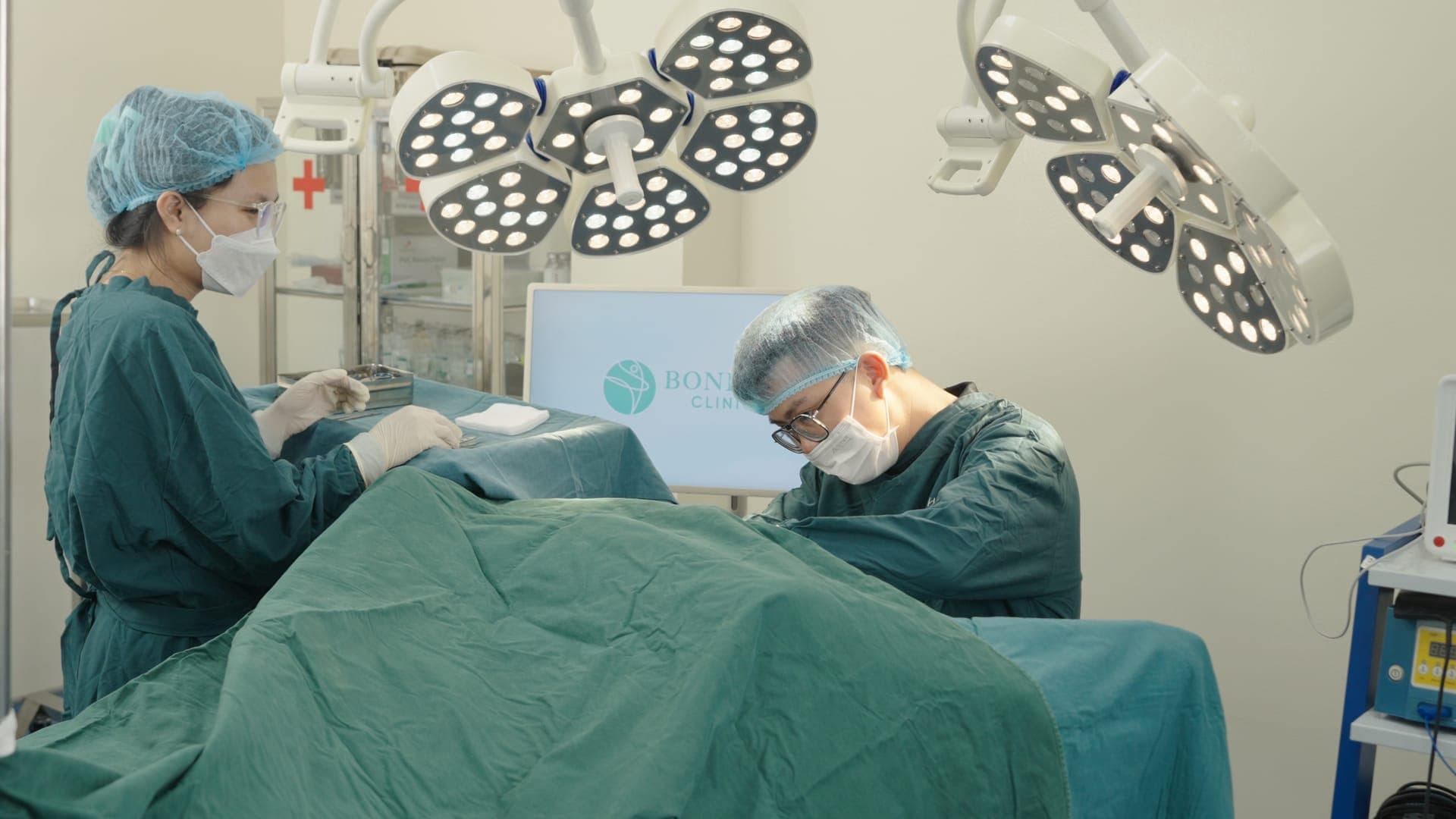
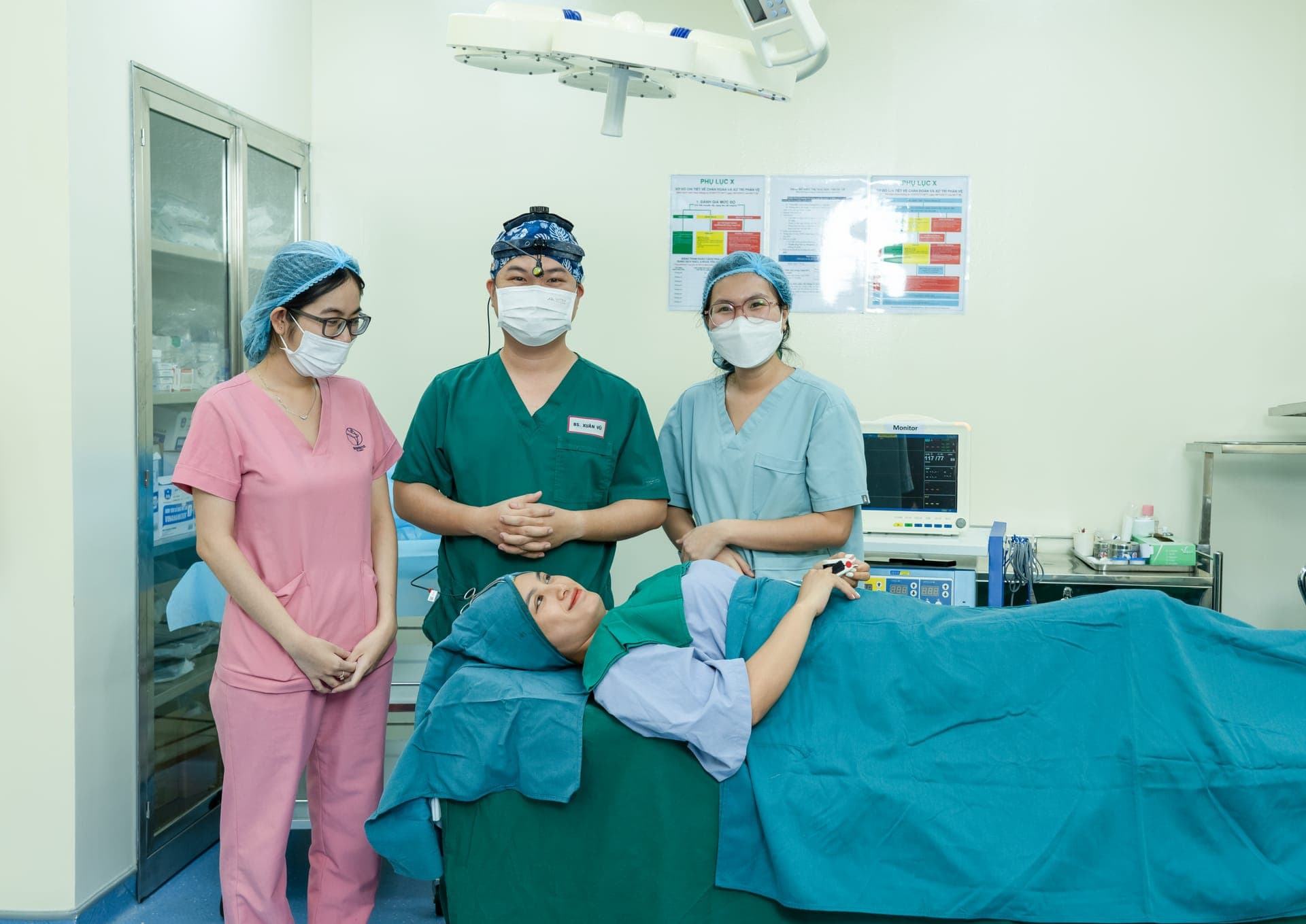
Inside the BonBoz clinic

Book a consultation with a doctor
Choose a date, time slot and doctor — the clinic calls to confirm within 5 minutes during opening hours. Free consultation, no commitment.
Frequently asked questions
How is cartilage-shielded rhinoplasty different from traditional rhinoplasty?
Does ear cartilage harvesting cause ear deformity?
How long does the swelling last?
How long do the results last?
Is it painful?
Can a bulbous nasal tip be treated with cartilage-shielded rhinoplasty?
Is Megaderm as durable as ear cartilage?
When can I wear glasses and apply makeup again?
Can cartilage-shielded rhinoplasty be revised in the future?
Who performs the surgery at BonBoz?
Related topics
- Cost of Full Structural Rhinoplasty: Reference Price Range
- Semi-Structural Rhinoplasty Cost: Price Range and Cost-Affecting Factors
- Cost of Rhinoplasty with Cartilage-Wrapped Tip: Price Range and Key Factors
- Autologous Costal Cartilage Rhinoplasty: Indications, Pros, Cons, and the Cartilage Harvesting Procedure
- Nasal Wing Reduction (Alar Plasty): Techniques, Who Needs It, Incision Locations, and Risks of Asymmetrical Nostrils
- Revision Rhinoplasty (Secondary Rhinoplasty): When It Is Needed, Why It Is More Challenging, and the Procedure at BonBoz
More from our doctors
What is cartilage-shield rhinoplasty? How does it differ from traditional rhinoplasty?
Cartilage-shielded rhinoplasty utilizes autologous or donor grafts to elevate the nasal bridge, distinguishing itself from a simple synthetic implant placement. Here is a detailed explanation for you.
Structural Rhinoplasty vs. Cartilage-Shielded Rhinoplasty: Key Differences and How to Choose the Right One
Distinguishing Structural Rhinoplasty and Cartilage-Shielded Rhinoplasty: Materials, Durability, Suitable Candidates, and Key Factors Determining the Outcome.
Autologous vs. Synthetic Cartilage in Rhinoplasty: How to Choose the Best Option
Both autologous cartilage and synthetic implants have their own advantages and disadvantages. Autologous cartilage provides long-lasting results but involves a more complex procedure; synthetic implants are simpler to place but may require replacement over time.
How Long Does Swelling Last After Rhinoplasty? Key Recovery Milestones You Need to Know
Following rhinoplasty, swelling typically lasts from several days to a few weeks depending on the extent of the procedure. The first ten days are the period of peak swelling, after which it gradually subsides.
What Causes a Red, Shiny Nose Tip and Exposed Implant After Rhinoplasty? How to Prevent It
Causes of redness and exposed implants at the nasal tip after rhinoplasty, who is most susceptible, preventive techniques, and when to seek medical attention.
What Examinations and Preparations Are Required Before Rhinoplasty? Pre-Operative Tests and Dietary/Lifestyle Restrictions
Prior to rhinoplasty, you will undergo an examination, complete routine preoperative tests, and follow specific preoperative instructions. Be sure to consult closely with your doctor throughout the process to avoid any scheduling delays.