
Autologous Rib Cartilage Rhinoplasty
Autologous rib cartilage rhinoplasty is a technique that uses a segment of your own costal cartilage to reconstruct the columellar strut, extend the septum, and shape the nasal bridge and tip. This method is indicated when a substantial amount of rigid cartilage is required: revision rhinoplasty, contracted noses, severely short noses requiring significant lengthening, or for patients who prefer to avoid synthetic implants.
Compiled from BonBoz Clinic clinical documentation — currently in medical review
Why Is Rib Cartilage Needed?
Septal and ear cartilages are sufficient for most primary rhinoplasty cases. However, when a new structural framework is required—lengthening a short nose, correcting contracted noses after multiple surgeries, or when septal cartilage is depleted—these two sources fall short in both volume and rigidity. Rib cartilage (costal cartilage, typically from ribs 6–7) provides a long, straight, and strong cartilage graft to construct the columellar strut, septal extension graft, and bridge enhancement for patients who prefer not to use synthetic materials.
Genuine Pros and Cons
Pros: Being your own autologous tissue, there is no foreign body reaction; the long-term risks of infection and extrusion are lower than with synthetic implants; it is well-suited for thin skin after multiple previous surgeries; and it provides strong structural support. Cons: Requires an additional 2–3 cm incision beneath the chest crease (placed within the inframammary fold for women), chest soreness for a few days, a potential risk of warping over time (minimized by balanced carving, soaking, and observing before placement), longer operative time, and higher costs; in patients over 45, the cartilage may be calcified, making it harder to carve. Processed donor rib cartilage (allograft) is an alternative in select cases, with its own specific pros and cons—your doctor will advise you accordingly.
Indications
Revision rhinoplasty where septal/ear cartilage is depleted; contracted noses requiring lengthening; congenitally short, upturned noses needing long strut reconstruction; patients with a history of infection or allergic reaction to synthetic materials; and patients who strictly prefer an all-autologous approach. It is not necessary for moderate primary rhinoplasty cases with thick skin and sufficient septal cartilage.
Risks to Know
Nasal risks: cartilage warping, contour visibility under thin skin, minor partial resorption, prolonged swelling, and long-lasting nasal tip stiffness. Chest risks: chest soreness for a few days, scarring, seroma, and very rarely pleural injury (thoroughly checked by the surgeon intraoperatively). General risks: infection, temporary numbness, and the potential need for further revision.
At BonBoz
Our plastic surgery specialists only recommend rib cartilage when genuinely necessary—never by default. When utilized, the cartilage is harvested through a small incision concealed in the chest crease, carved using balanced cross-section techniques to minimize warping, soaked and observed before insertion, and combined with soft tissue grafting if the skin is thin. The doctor who examines you is the one who performs your surgery; the chest incision, longer recovery timeline, and warping risks are clearly discussed upfront.
Technique variants
1
Harvest moderate amount of rib cartilage
Sufficient to reconstruct the columellar strut and nasal tip for routine cases.
2
Harvest large amount of rib cartilage
For complex revision cases or severely deformed nasal structures.
3
Combine rib and ear cartilage
Allocate specific cartilage types to different zones based on structural rigidity requirements.
When should you see a doctor?
- Your case does not require rib cartilage yet — you should carefully understand why the doctor recommends or advises against this option.
- Pre-existing medical conditions are not well controlled, or your overall health condition is not suitable for harvesting cartilage from the chest wall.
- A history of chest surgery or existing thoracic wall abnormalities.
- You are not yet ready to have an additional surgical incision at the donor site.
How is it performed?
General anesthesia is administered. The surgeon makes a 2–3 cm incision beneath the inframammary fold, harvests a segment of costal cartilage while preserving the posterior perichondrium, checks the pleura, and closes the donor site. The harvested cartilage is carved into a columellar strut, septal extension graft, and dorsal/tip grafts based on concentric and balanced principles, then soaked and observed for warping. The nose is opened, the framework is reconstructed, the grafts are placed, soft tissue padding is applied if the skin is thin, and the incision is closed and splinted. The procedure takes 3–4 hours.
Before the procedure
Nasal examination and surgical history evaluation, airway function assessment, preoperative tests, and chest/rib evaluation (ultrasound or imaging when necessary in older patients to check for calcification); discontinue anticoagulants, alcohol, and tobacco for at least 2 weeks.
After the procedure
**Post-Operative Care Instructions:** * **Drains & Splint Care:** Remove surgical drains on Day 1. Change the nasal splint on Day 5 and keep it in place for 7 days. * **Suture & Dressing Removal:** Remove all sutures and dressings on Days 10–14. * **Compresses:** Apply cold compresses on Days 1–2 (10–15 minutes per session, 5 times daily), then switch to warm compresses starting on Day 3. * **Activity & Recovery:** Limit arm and chest movements for 2 weeks (chest pain typically subsides after 3–5 days). Avoid excessive laughing and prolonged talking. * **Healing Timeline:** Nasal swelling remains noticeable for 2–3 weeks, and the nasal tip will fully settle over 6–12 months. * **Follow-up Schedule:** Attend scheduled follow-up visits on Day 7, and at Months 1, 3, 6, and 12 to closely monitor for cartilage warping. * **Dietary Restrictions:** Avoid the following for 1 month: seafood, beef, glutinous rice, water spinach, alcohol, carbonated soft drinks, coffee, fermented fish sauce, and fermented bean curd (chao). **When to Contact Your Doctor:** Seek immediate medical attention if you experience: * Abnormally severe swelling, pus discharge, or heavy bleeding * A fever above 38.5°C or spreading erythema * Noticeable nasal asymmetry after swelling subsides * Localized pain accompanied by swelling, warmth, and redness * Fluid drainage or implant exposure
Possible risks — your doctor explains them before treatment
- Cartilage warping over time
- Graft visibility under thin skin
- Partial resorption
- Prolonged swelling and nasal tip stiffness
- Chest donor site pain, scarring, and seroma
- Pleural injury (extremely rare)
- Infection, need for revision
Who should NOT have this?
- Moderate primary rhinoplasty with sufficient septal cartilage (rib cartilage is not required)
- Severe costal cartilage calcification in older individuals (alternative graft sources should be considered)
- Uncontrolled respiratory or internal medical conditions
- Coagulation disorders
- Expectation of a recovery time as fast as simple rhinoplasty
- Under 18 years of age without a parent or legal guardian present to understand and consent to the treatment plan
How BonBoz uses it
Semi-structural rhinoplasty
Semi-structural rhinoplasty elevates the nasal dorsum using synthetic materials while supporting the columella and shaping the nasal tip with autologous cartilage, leaving the existing nasal framework intact—striking a balance between cartilage-wrapped tip rhinoplasty and full structural rhinoplasty in terms of invasiveness, recovery time, and cost.
Learn about this method →Rhinoplasty with cartilage-wrapped tip
This technique elevates the nasal bridge with synthetic implants and caps the nasal tip with ear cartilage (or Megaderm) to prevent thinning or tension on the tip skin—a popular option for low bridges with adequate tip definition and moderate skin thickness. It does not correct bulbous, short, or upturned tips.
Learn about this method →Full structural rhinoplasty
Full structural rhinoplasty completely reconstructs the nasal osseocartilaginous framework using autologous cartilage (septal, ear, or rib): lengthening short noses, projecting bulbous tips, and correcting failed previous surgeries. It requires a longer procedure, an extended recovery period, and a highly experienced surgeon—in exchange for resolving complex cases that other techniques cannot achieve.
Learn about this method →Rhinoplasty surgery
Service page: Specialist consultation, personalized surgical plan, and transparent pricing before you make your decision.
Learn about this method →Want a cost range for your own case?
Estimate the cost →Cost guidance
The cost depends on the amount of cartilage required to harvest, the extent of nasal framework reconstruction, and whether it is a primary or revision surgery.
The final price follows the doctor’s recommendation after an in-person exam. A confirmed quote has no hidden extras.
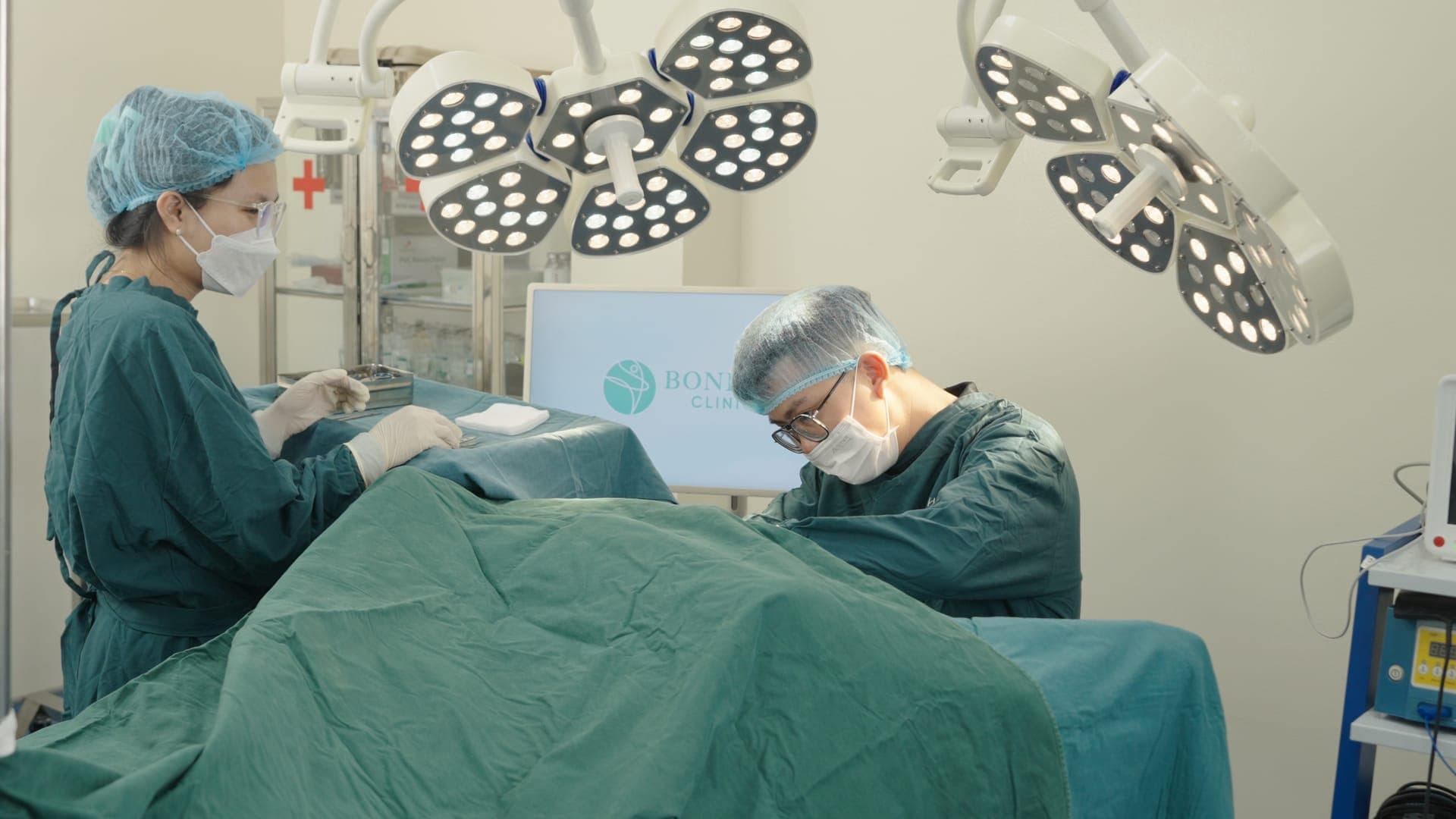
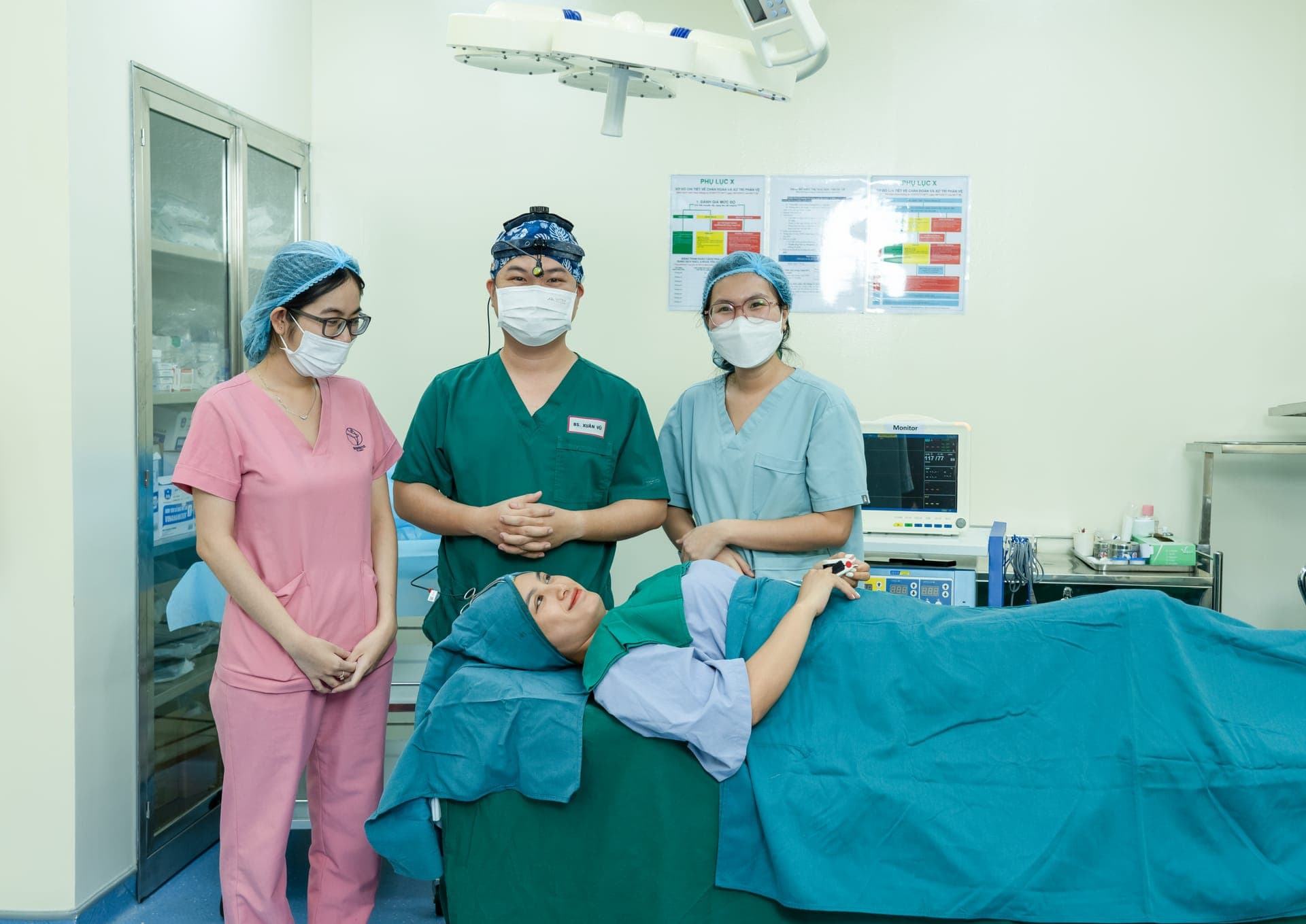
Inside the BonBoz clinic

Book a consultation with a doctor
Choose a date, time slot and doctor — the clinic calls to confirm within 5 minutes during opening hours. Free consultation, no commitment.
Frequently asked questions
Does rib cartilage harvesting affect general health?
Is the chest scar noticeable?
Can rib cartilage warp?
How long does rib cartilage last?
How does donor (homologous) rib cartilage differ from autologous rib cartilage?
Is rib cartilage necessary for primary rhinoplasty?
What is the recovery timeline?
Can individuals over 45 use rib cartilage?
Related topics
- Cost of Full Structural Rhinoplasty: Reference Price Range
- Semi-Structural Rhinoplasty Cost: Price Range and Cost-Affecting Factors
- Cost of Rhinoplasty with Cartilage-Wrapped Tip: Price Range and Key Factors
- Nasal Wing Reduction (Alar Plasty): Techniques, Who Needs It, Incision Locations, and Risks of Asymmetrical Nostrils
- Revision Rhinoplasty (Secondary Rhinoplasty): When It Is Needed, Why It Is More Challenging, and the Procedure at BonBoz
- Redness, Shininess, and Visible Implant After Rhinoplasty: Signs of Skin Thinning and When to Seek Early Intervention
More from our doctors
Rib Cartilage vs. Ear Cartilage Rhinoplasty: Detailed Pros and Cons of Each Technique
Both rib cartilage and ear cartilage are autologous materials used in rhinoplasty. Rib cartilage offers greater long-term durability, while ear cartilage is easier to harvest. Choosing the right option depends on your aesthetic goals and individual nasal anatomy.
Autologous vs. Synthetic Cartilage in Rhinoplasty: How to Choose the Best Option
Both autologous cartilage and synthetic implants have their own advantages and disadvantages. Autologous cartilage provides long-lasting results but involves a more complex procedure; synthetic implants are simpler to place but may require replacement over time.
Revision Rhinoplasty for Failed Previous Surgery: What You Need to Know Before Making a Decision
Revision rhinoplasty after a failed procedure requires adequate waiting time, choosing a highly qualified surgeon, and clearly understanding the corrective techniques to achieve optimal results.