
Semi-Structural Rhinoplasty
Semi-structural rhinoplasty combines an artificial implant to elevate the nasal bridge with columellar strut support and tip reshaping using autologous cartilage (septal or ear cartilage), while preserving most of the underlying cartilaginous framework. It is ideal for low noses with a moderately bulbous or slightly short tip that requires improved projection. The level of invasiveness and recovery time fall between standard cartilage-grafted rhinoplasty and full structural rhinoplasty.
Compiled from BonBoz Clinic clinical documentation — currently in medical review
Where does semi-structural rhinoplasty stand among surgical techniques?
Cartilage-graft rhinoplasty: only elevates the bridge and caps the tip—without altering the underlying framework. Full structural rhinoplasty: completely reconstructs the cartilaginous framework using autologous cartilage, typically rib cartilage. Semi-structural rhinoplasty: elevates the bridge with an implant, builds the columellar strut, and reshapes the nasal tip using septal/ear cartilage while preserving the native framework—providing sufficient tip refinement and projection without extensive surgery.
What can it achieve?
A straight, elevated bridge; a more defined, projected nasal tip thanks to columellar support; mild short nose correction; and a balanced bridge-to-tip proportion that simple cartilage-graft techniques cannot achieve. What it cannot do: severely damaged noses, severe upturned/short noses, or very thin/thick skin requiring complete reconstruction—these cases necessitate full structural rhinoplasty.
Materials
Dorsal bridge: custom-carved silicone or surgiform. Columella and tip: septal cartilage (firm, straight, harvested intranasally without external incisions) or ear cartilage (soft, curved, ideal for tip capping). The surgeon selects the appropriate material based on your available donor cartilage and aesthetic goals.
Recovery and expectations
Noticeable swelling and bruising for 1–2 weeks; tip swelling subsides slower than the bridge (2–3 months), with the final shape achieved at 6–12 months. The tip will be significantly more refined, yet remains limited by skin thickness: thicker skin yields a softer tip definition compared to thin skin.
At BonBoz
The surgeon conducts an in-person assessment measuring facial proportions, evaluating skin thickness, septal and ear cartilage, and airway function; semi-structural rhinoplasty is recommended when indicated, or full structural rhinoplasty when necessary. The doctor directly performs the surgery; scheduled follow-ups are maintained to monitor swelling and alignment.
Technique variants
1
Nasal dorsum augmentation + tip-wrapping cartilage graft
Uses autologous cartilage to shield the nasal tip while preserving the foundational structure.
2
Nasal dorsum augmentation + mild columellar strut Graft
Adds a supportive strut when the nasal tip lacks sufficient projection force.
3
Transition to full structural rhinoplasty
When clinical examination shows the nasal foundation requires more reconstruction than a semi-structural approach can provide.
When should you see a doctor?
- Weak nasal base and thin nasal tip skin — may require a more extensive framework reconstruction approach.
- This is a revision procedure following a previous intervention, with remaining scar tissue or old implant materials present.
- Currently experiencing rhinosinusitis or skin lesions in the nasal area.
- You desire a significantly higher nose bridge that exceeds the limits of your current nasal base.
How is it performed?
Local anesthesia with sedation or general anesthesia, depending on the case. Closed incision (endonasal) or open incision with a transcolumellar approach when extensive tip remodeling is required. Septal/ear cartilage harvesting, columellar strut construction, tip cartilage reshaping sutures, placement of the customized implant, tip coverage with cartilage, wound closure, and nasal splinting. 60–120 minutes.
Before the procedure
Undergo a pre-operative consultation and basic lab tests; discontinue medications affecting blood coagulation 1 week prior as instructed; refrain from smoking for 2 weeks; fast for 6 hours if twilight anesthesia/general anesthesia is administered; disclose any underlying medical conditions, allergies, prior rhinoplasty, or history of keloid scars.
After the procedure
**Post-Operative Care & Recovery Timeline:** * **Days 1–2:** Drain removal on day 1. Apply cold compresses for 10–15 minutes per session, 5 times a day (first 48 hours). * **Day 3:** Switch to warm compresses. * **Days 5–7:** Splint change on day 5; nasal splint is worn for a total of 7 days. * **Days 10–14:** Suture/stitch removal. Visible swelling and bruising are normal during weeks 1–2. * **Follow-up Appointments:** Scheduled on days 2, 7, 30, and 90. * **Long-term Healing:** Nasal tip swelling gradually subsides over 2–3 months; the final nasal shape settles within 6–12 months. **Home Care Instructions:** * Take all medications exactly as prescribed. * Sleep on your back with your head elevated for 3–4 weeks. * Avoid blowing your nose hard for 2 weeks. * Avoid wearing eyeglasses and protect your nose from direct impact for 6 weeks. * Limit laughing loudly and excessive talking. * **Dietary Restrictions (Avoid for 1 month):** Seafood, beef, glutinous rice, water spinach, alcohol, carbonated soft drinks, coffee, fermented fish sauce, and fermented bean curd. **When to Contact Your Doctor Immediately:** * Fever over 38.5°C, abnormal severe swelling, heavy bleeding, or purulent discharge. * Spreading erythema, localized warmth, persistent redness, pain, or fluid drainage. * Implant exposure or significant nasal deviation after swelling subsides.
Possible risks — your doctor explains them before treatment
- Swelling and bruising for 2 weeks; numbness at the nasal tip lasting a few weeks to several months
- Infection, hematoma (rare, manageable with early intervention)
- Dorsal or columellar deviation; temporary nasal tip stiffness
- Implant visibility or redness in patients with thin skin (lower risk compared to cartilage grafting alone, thanks to columellar strutting and tip cushioning)
- Columellar scar (with open rhinoplasty) — typically fades after a few months
- Temporary nasal congestion due to septal swelling
Who should NOT have this?
- Severely damaged, contracted, or multiple-revision nose (requiring total structural rhinoplasty with rib cartilage)
- Significantly bulbous and severely short, upturned nasal tip (semi-structural rhinoplasty is insufficient)
- Insufficient septal/ear cartilage and unwilling to harvest rib cartilage
- Uncontrolled underlying medical conditions; coagulopathy/bleeding disorders; pregnancy
- Active facial infections, severe cystic acne on the nose
- Under 18 years old without parents or legal guardians accompanying, fully understanding, and consenting to the treatment plan
How BonBoz uses it
Rhinoplasty with cartilage-wrapped tip
Elevating the nasal dorsum using artificial materials and wrapping the nasal tip with ear cartilage (or Megaderm) to prevent overstretching the tip skin — a popular technique for low noses with relatively good tip structure and average skin thickness. This method cannot correct a bulbous or short, upturned tip.
Learn about this method →Comprehensive structural rhinoplasty
Comprehensive structural rhinoplasty reconstructs the entire bone-cartilage nasal framework using autologous cartilage (septal, ear, or rib cartilage): lengthening a short nose, projecting a bulbous tip, and correcting failed rhinoplasty cases. The procedure takes longer with an extended recovery period and requires an experienced surgeon — in return, it can address complex cases.
Learn about this method →Autologous rib cartilage rhinoplasty
Rib cartilage provides a sufficient volume and rigidity of autologous material to reconstruct the nasal framework in complex cases: revision rhinoplasty, contracted noses, or noses requiring significant lengthening. It is not the default choice for simple, primary rhinoplasties.
Learn about this method →Rhinoplasty surgery
Services page: Specialist physicians conduct examinations, select the appropriate technique, and provide clear cost estimates before you make your decision.
Learn about this method →Want a cost range for your own case?
Estimate the cost →Cost guidance
The cost depends on the material used, the level of tip intervention, whether autologous cartilage is required, and whether it is a primary or revision procedure.
The final price follows the doctor’s recommendation after an in-person exam. A confirmed quote has no hidden extras.
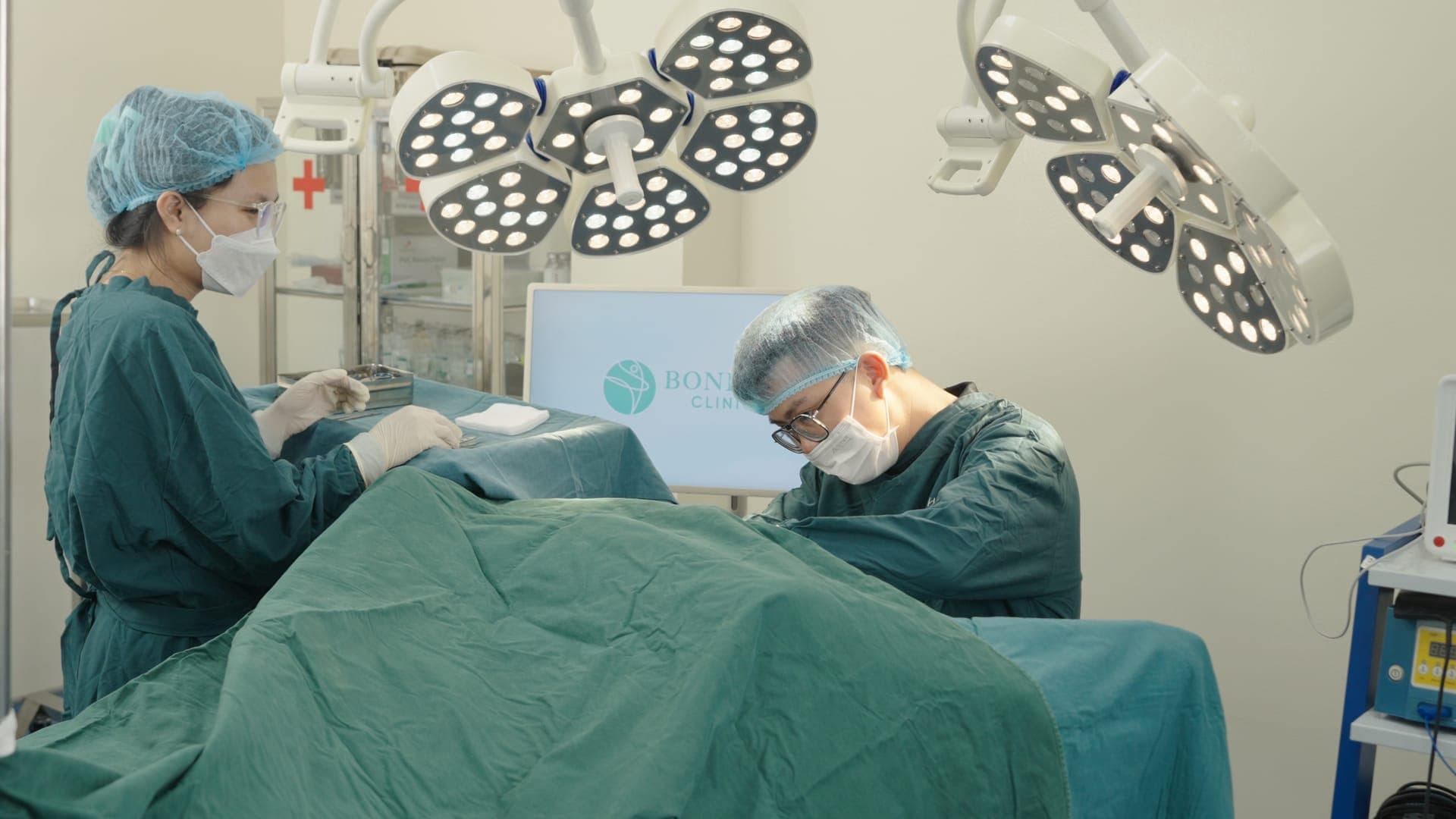
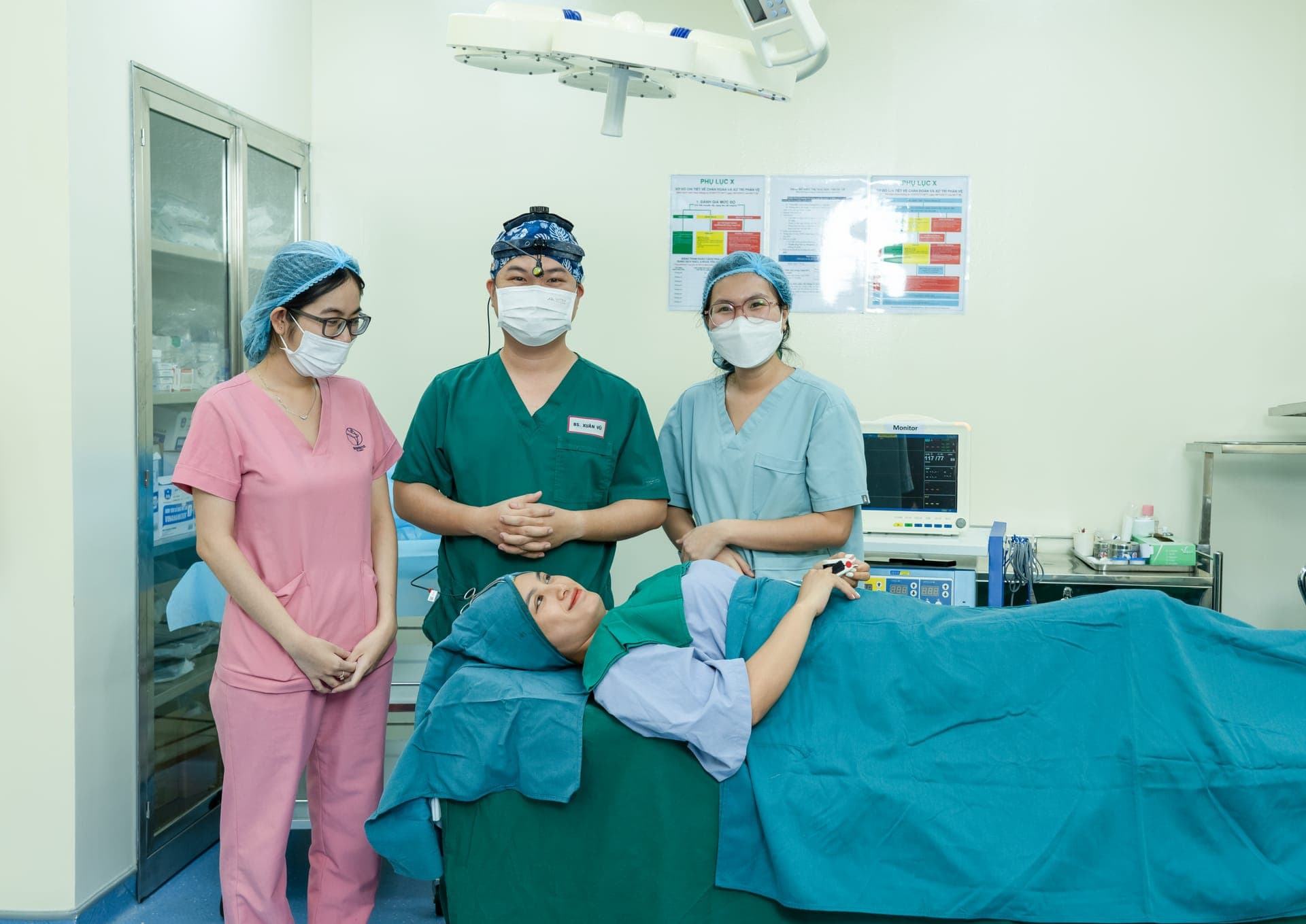
Inside the BonBoz clinic

Book a consultation with a doctor
Choose a date, time slot and doctor — the clinic calls to confirm within 5 minutes during opening hours. Free consultation, no commitment.
Frequently asked questions
How does semi-structural rhinoplasty differ from cartilage-grafted rhinoplasty?
How does semi-structural rhinoplasty differ from full structural rhinoplasty?
Is rib cartilage harvesting required?
How long does the swelling last?
Are there any external scars?
Will the nasal tip be as small as desired?
Can a short nose be lengthened?
How long before I can resume exercising?
How long do the results last?
Who performs the surgery at BonBoz?
Related topics
- Cost of Full Structural Rhinoplasty: Reference Price Range
- Semi-Structural Rhinoplasty Cost: Price Range and Cost-Affecting Factors
- Cost of Rhinoplasty with Cartilage-Wrapped Tip: Price Range and Key Factors
- Autologous Costal Cartilage Rhinoplasty: Indications, Pros, Cons, and the Cartilage Harvesting Procedure
- Nasal Wing Reduction (Alar Plasty): Techniques, Who Needs It, Incision Locations, and Risks of Asymmetrical Nostrils
- Revision Rhinoplasty (Secondary Rhinoplasty): When It Is Needed, Why It Is More Challenging, and the Procedure at BonBoz
More from our doctors
Structural Rhinoplasty vs. Semi-Structural Rhinoplasty: Which Method Is Right for You?
Structural rhinoplasty completely reconstructs the nasal framework, whereas semi-structural rhinoplasty only modifies specific areas. The right approach depends on your aesthetic goals and individual nasal anatomy.
Structural Rhinoplasty vs. Cartilage-Shielded Rhinoplasty: Key Differences and How to Choose the Right One
Distinguishing Structural Rhinoplasty and Cartilage-Shielded Rhinoplasty: Materials, Durability, Suitable Candidates, and Key Factors Determining the Outcome.
Can a bulbous tip and flat nose be made slimmer and taller?
Why do you have a bulbous tip and a flat nose bridge? To what extent can they be improved? How does thick nasal tip skin affect the outcome, and what are the commonly used techniques?
How Long Does a Rhinoplasty Take to Look Natural? Timeline for the Nose Shape to Stabilize
Rhinoplasty recovery timeline: When does swelling subside, when does the nasal tip soften, and when is the final shape achieved?
Is a stiff and hard-to-move nasal tip normal after rhinoplasty?
Why is the nasal tip hard and numb after rhinoplasty, how long does it take to soften, when should you see a doctor, and how can you support the recovery process?