
What is the difference between dry skin and dehydrated skin? How to care for each type
Dry skin and dehydrated skin are often mistaken for the same condition, but they are fundamentally different and require distinct care approaches. Understanding the difference helps you choose the right skincare routine instead of struggling with ineffective treatments.
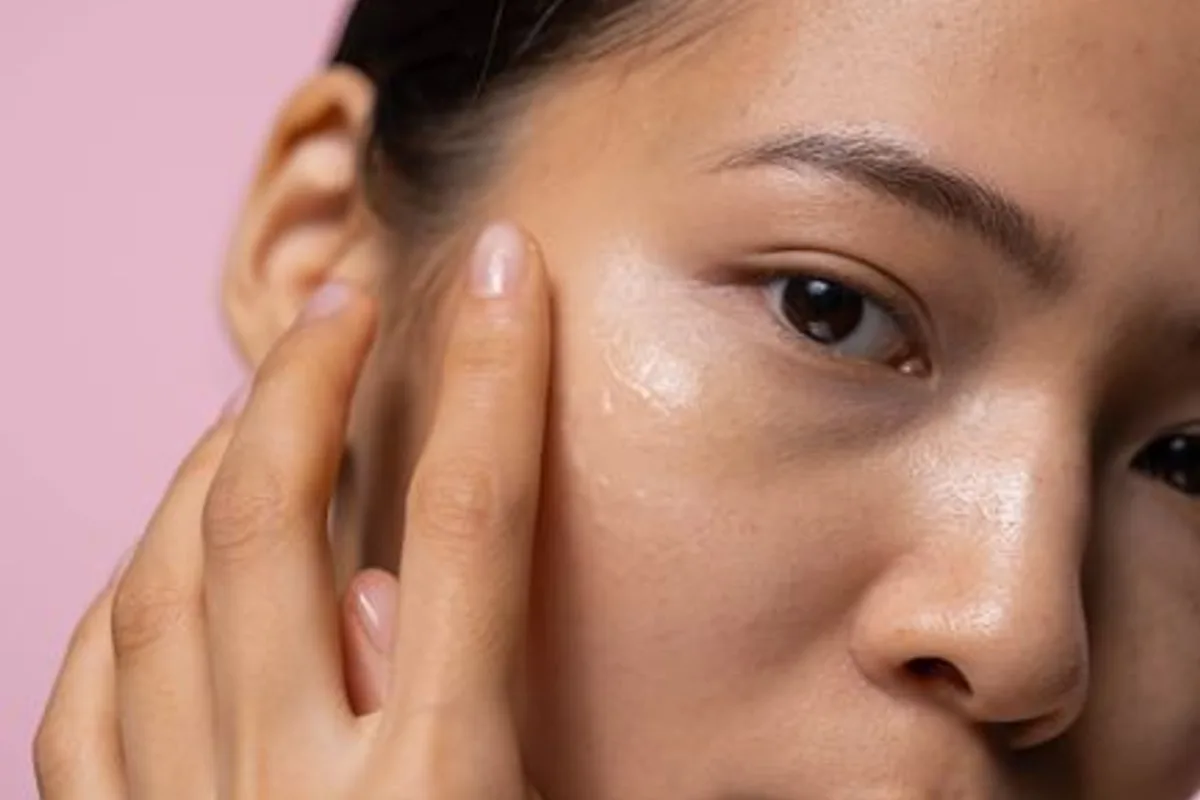
Quick Summary: Dry skin and dehydrated skin are two different issues. Dry skin lacks oil — this is a long-term skin type. Dehydrated skin lacks water — this is a temporary condition, and oily skin can still be dehydrated. You can tell them apart by one key sign: dry skin is flaky, rough, and shows no shine; dehydrated skin is both shiny and tightly dry, with fine lines appearing more prominent than usual. Treating the wrong issue is a common reason why your skincare routine "never seems to work."
How Do Dry Skin and Dehydrated Skin Differ?
| Dry Skin | Dehydrated Skin | |
|---|---|---|
| What it lacks | Oil (lipids) | Water |
| Nature | Skin type — relatively permanent | Condition — temporary, fluctuating with seasons and habits |
| Who gets it | People with underactive sebaceous glands | All skin types, including oily and acne-prone skin |
| Primary signs | Rough, finely flaky, no shine, often itchy | Both shiny and tight, more visible fine lines, dull complexion |
| After cleansing | Prolonged feeling of tightness and roughness | Feels tight, but the T-zone produces oil again after a few hours |
| Common causes | Genetics, aging, dry climate | Over-cleansing, harsh active ingredients, air conditioning, lack of water, sun exposure |
| What it needs | Replenishment of oils and lipids | Replenishment of water and humectants |
How to Tell if Your Skin Is Dry or Dehydrated?
Three self-check methods you can do right away:
1. Look at the shine. Dry skin shows almost no shine anywhere on the face. Dehydrated skin often remains shiny in the T-zone — this is the clearest distinguishing sign.
2. Gently pinch your cheek. When pinched, dehydrated skin tends to show fine lines more visibly than usual and takes longer to bounce back.
3. Observe changes over time. Dry skin remains consistent year-round and changes slowly. Dehydrated skin shifts with the seasons, whether you spend prolonged time in air-conditioned environments, or if you recently changed skincare products.
The most common scenario: having both at the same time. If dry skin is improperly cared for, it becomes dehydrated as well. In this case, you must address both — replenishing oils and restoring hydration — rather than choosing just one.
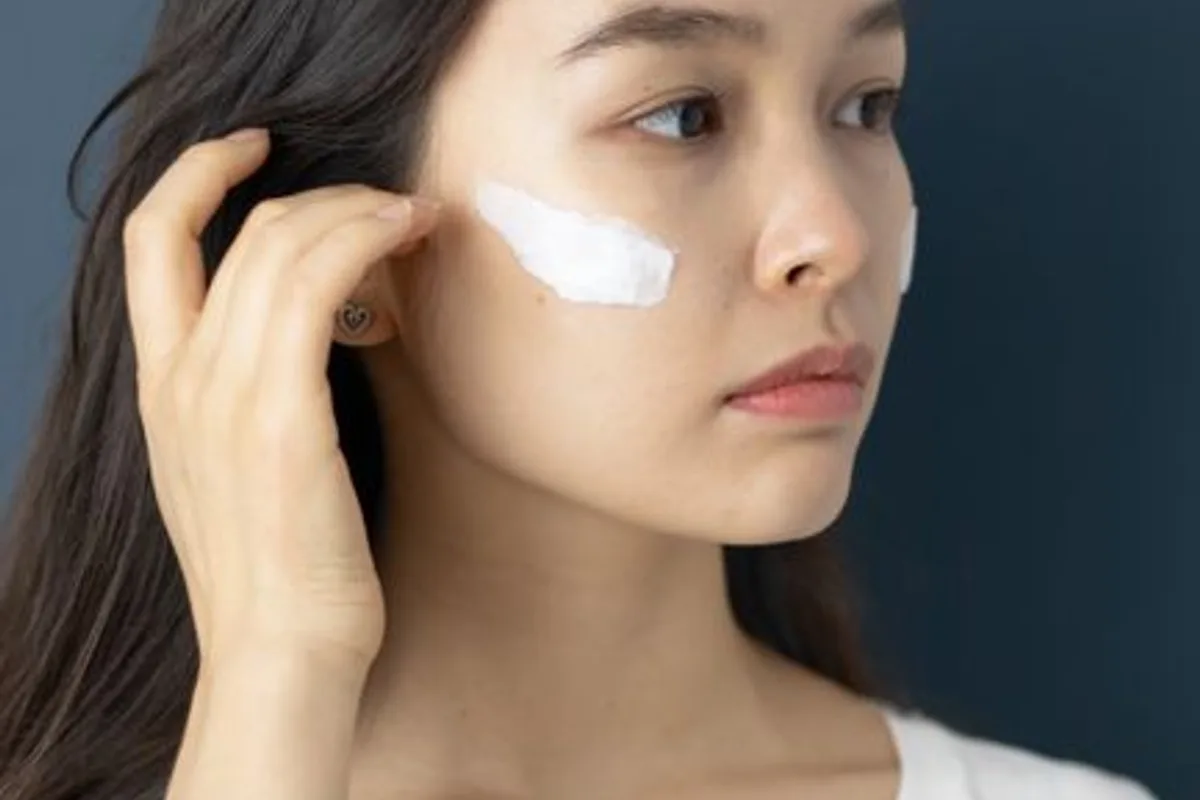
How Does Skincare Differ for Dry vs. Dehydrated Skin?
Dry skin — replenishing oils and maintaining the protective layer
- Use a gentle, non-foaming or low-foaming cleanser; avoid washing with overly hot water
- Use moisturizers with richer textures containing occlusive ingredients
- Do not wash your face more than twice a day
- Limit strong active ingredients when the skin is rough and flaking
Dehydrated skin — hydrating and locking in moisture
- Identify the underlying cause first: over-cleansing? newly introduced actives? sitting in air conditioning all day? Correcting the cause is more important than adding more products
- Apply a hydrating layer, then seal it with a moisturizer on top — hydrating without locking it in allows water to evaporate, making the skin even drier
- Temporarily discontinue strong actives until the skin stabilizes
- Drink enough water — this is a foundational requirement, not a standalone treatment
A mandatory rule for both: daily sun protection. A compromised skin barrier is significantly more sensitive to sun exposure.
Why Does Confusing the Two Make Skincare Ineffective?
Mistaking one for the other works both ways, and both worsen the condition:
Mistaking dehydration for oily skin. Seeing surface shine leads to more frequent cleansing and using harsh oil-control products. This further weakens the skin barrier, exacerbates dehydration, and triggers compensatory oil production — a vicious cycle of "the more you cleanse, the oilier it gets."
Assuming dry skin only needs more drinking water. Dry skin lacks oil, not water. Drinking water cannot replace the need to replenish lipids for the skin barrier.
When to See a Dermatologist
- Flaking, redness, or itching persists for more than 2 weeks despite gentle care
- Cracking, weeping/oozing, or signs of bacterial infection
- The skin suddenly changes condition without a clear cause
- A history of using unregulated lightening creams or products of unknown origin
- Undergoing an in-clinic treatment regimen and the skin reacts unexpectedly
References
- AAD — Skin care tips, accessed 03/10/2026
- DermNet — Ageing skin, accessed 03/10/2026
Frequently Asked Questions
Can oily skin become dehydrated?
Yes, and it is quite common. Dehydration is a lack of water, independent of oil production. The classic presentation is skin that feels tight and dry while simultaneously looking shiny.
Does drinking plenty of water cure dry skin?
No. Dry skin lacks oil rather than water, requiring lipid replenishment through topical moisturizing products. Drinking adequate water helps with dehydration and serves as a general foundation for health, but it cannot replace the proper topical skincare routine.
How should you care for skin that is both dry and dehydrated?
Address both: apply hydrating products first, then seal with a lipid-rich moisturizer on top. Concurrently, temporarily pause strong active ingredients and reduce cleansing frequency until the skin stabilizes.
How long does it take to see improvement in dehydrated skin?
If the underlying causes are properly addressed (reducing cleansing frequency, pausing strong actives, providing adequate hydration and moisture-locking steps), most people notice a visible difference within 1–2 weeks. If there is no improvement beyond that timeframe, it is advisable to consult a dermatologist rather than continuing to switch products.
This article is for reference only and does not replace an in-person examination or a doctor's diagnosis. Actual results vary by individual condition.