
Medically reviewed by Dr. Kim Kha, MSc, Specialist I — BonBoz Clinic
The Correct Morning and Night Skincare Routine for Healthy Skin
A morning and evening skincare routine consists of cleansing, moisturizing, daytime sun protection, and nighttime recovery. Following the correct sequence helps the skin absorb active ingredients more effectively.

The Proper Morning and Evening Skincare Routine for Healthy Skin
A morning and evening skincare routine includes cleansing, moisturizing, daytime sun protection, and nighttime restoration. A proper regimen helps the skin better absorb active ingredients.
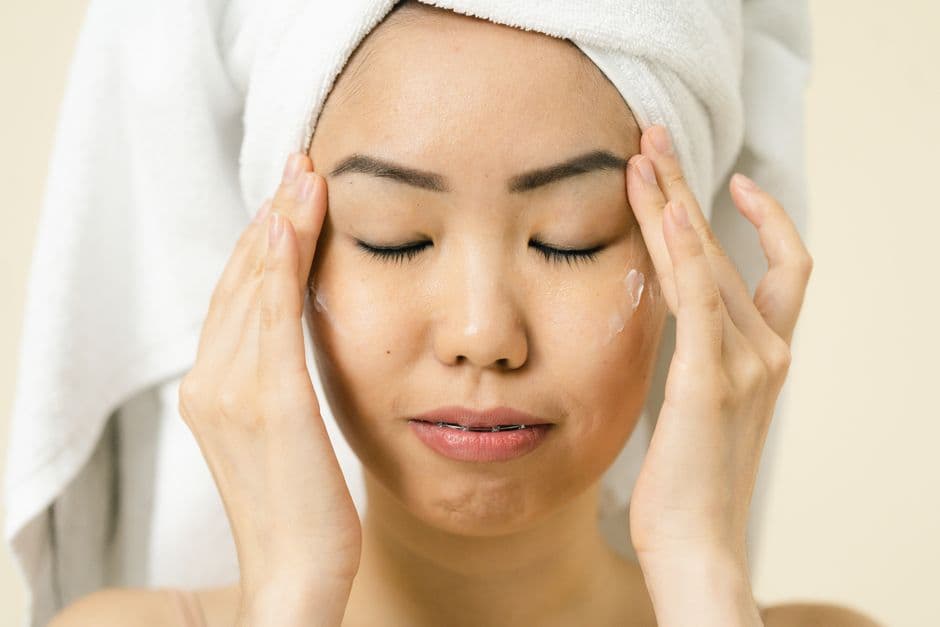
Quick Summary: An effective skincare routine consists of facial cleansing, toner, serum/essence, moisturizer, and sunscreen in the morning; complemented by a mask or specialized treatment essence in the evening. Consistent practice promotes a radiant, smooth complexion and enhances skin repair capabilities—especially critical following aesthetic treatments.
This guide on proper morning and evening skincare routines is provided by BonBoz Clinic – Dermatology & Aesthetic Clinic (Operating License No. 11113/HCM-GPHĐ issued by the Department of Health of Ho Chi Minh City). With over 8 years of clinical experience in acne management and non-surgical aesthetics, Dr. Kim Kha, MSc, Specialist Level I (Dermatology & Aesthetic Medicine, Practice Certificate No. 009784/ĐL-CCHN), has compiled these professional insights to help you achieve healthy skin.
Expert Perspective: "A consistent morning and evening skincare routine is the key to protecting and restoring the skin, which is particularly vital after aesthetic procedures." — Dr. Kim Kha, MSc, Specialist Level I Adherence to a structured skincare routine is a foundational dermatological principle.
The Importance of a Consistent Skincare Routine
To maintain healthy skin, a daily skincare regimen is essential. This becomes even more critical when the skin has undergone aesthetic procedures such as lasers, injectables, or acne treatments, where the skin requires intensive recovery support through fundamental, consistent steps.
The distinction between morning and evening care serves a clear physiological purpose. During the day, your skin is exposed to environmental pollutants, UV radiation, and oxidative stressors, demanding robust protection. At night, cellular repair and regeneration peak, making it the optimal window for applying intensive restorative products. Following a structured routine optimizes active ingredient absorption and accelerates post-procedure healing.
Morning Skincare Steps
- 1Facial Cleansing: Use a cleanser (gel, foam, or water-based) suited to your skin type to remove excess sebum, perspiration, and impurities accumulated overnight.
- 2Toner: This step balances skin pH and prepares the epidermal barrier to effectively absorb subsequent products.
- 3Serum or Essence: These formulations deliver concentrated active ingredients to enhance radiance, refine texture, and improve skin elasticity.
- 4Daytime Moisturizer: Select a lightweight, non-comedogenic cream that locks in hydration without congesting pores.
- 5Broad-Spectrum Sunscreen (SPF 30 or higher): The baseline standard recommended by the American Academy of Dermatology (AAD). This step is non-negotiable, as UV radiation accelerates photoaging and compromises clinical treatment outcomes. Reapply every 2 hours during prolonged sun exposure, or immediately after swimming and excessive sweating (per AAD guidelines).
Evening Skincare Steps

- 1Makeup Removal (if wearing makeup or sunscreen): Use a cleansing oil or micellar water to break down and lift away cosmetic layers before washing your face.
- 1Double Cleansing: Wash with a mild cleanser to eliminate residual debris. According to the American Academy of Dermatology (AAD), you should use a gentle, non-abrasive cleanser and limit face washing to a maximum of twice daily.
- 2Toner: Just as in the morning, this balances skin pH and primes the skin.
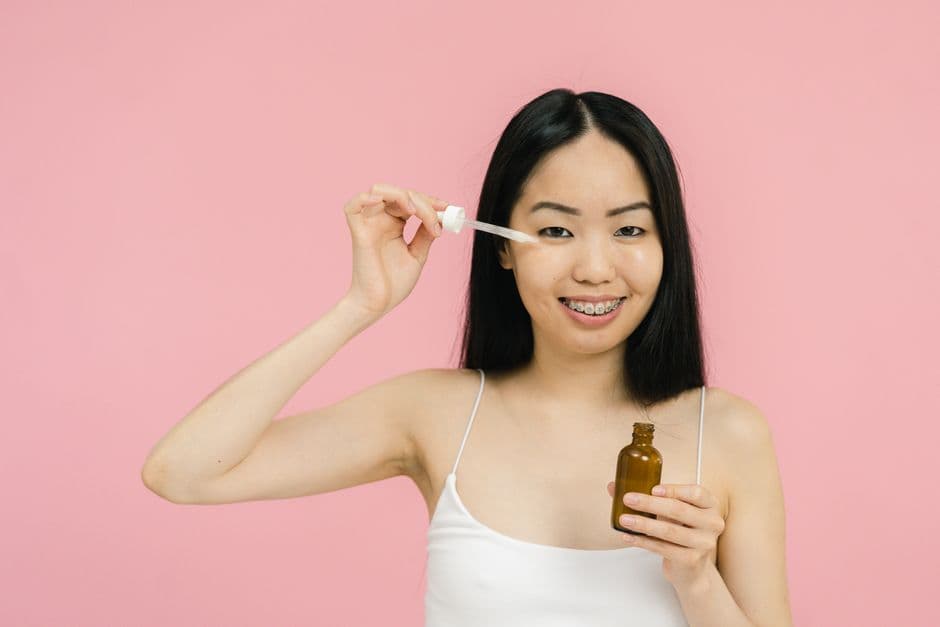
- 3Night Serum or Treatment Essence: At night, you can incorporate higher-potency active ingredients such as retinoids or vitamin C, as the skin is not exposed to UV light. Per the American Academy of Dermatology (AAD), retinoids increase photosensitivity and should only be applied at night.
- 4Sleeping Mask or Night Cream: These formulations are richer than daytime moisturizers, facilitating deep barrier restoration and leaving the skin supple upon waking.
Tips to Enhance Skincare Efficacy After Aesthetic Treatments
Following clinical procedures such as laser resurfacing, dermal filler injections, or acne therapies, your skincare routine becomes even more pivotal. Consider the following recommendations:
- Follow your physician’s post-care instructions strictly during the initial recovery days. Your doctor will specify which post-procedure formulations are clinically safe.
- Maintain strict consistency. Complete both morning and evening routines without skipping steps to support rapid tissue healing.
- Avoid product overload. Focus on essential steps: cleanser, toner, serum, moisturizer, and sun protection. Add specialized recovery masks or targeted essences only when clinically indicated.
- Maintain optimal skin hydration. Dehydrated skin impairs the healing cascade. Select hydrating formulations tailored to your current skin barrier status.
- Ensure rigorous UV protection regardless of weather conditions. UV exposure delays healing and significantly increases the risk of post-inflammatory hyperpigmentation (PIH).
When to Consult a Physician
If you have recently undergone a clinical procedure at BonBoz, strictly adhere to your physician's personalized post-treatment care protocol. Because different procedures carry unique post-care requirements, the general guidance provided above should serve as an educational baseline. Your physician will detail exact product indications, duration of use, and follow-up intervals to monitor tissue recovery.
If you are uncertain about appropriate product selection or have reactive, sensitive skin, visit BonBoz Clinic for a comprehensive dermatological consultation and a tailored skincare regimen. A clinically aligned skincare routine maximizes treatment efficacy and sustains long-term clinical outcomes.
Frequently Asked Questions
Is it strictly necessary to maintain both a morning and evening skincare routine?
Yes, if your goal is to maintain skin health and preserve aesthetic treatment outcomes. The morning routine focuses on environmental defense, while the evening routine supports cellular repair and barrier recovery. If time is severely limited, the bare minimum should include cleanser, moisturizer, and sunscreen in the morning, followed by cleanser and moisturizer at night.
Does the order of product application matter?
Yes, application sequence is critical. Products should be layered from thinnest to thickest consistency: toner → serum → moisturizer → sunscreen (morning). Inverting this order causes heavier creams to form an occlusive barrier, preventing lower-viscosity active serums from penetrating the skin.
Can I skip the sunscreen step?
No. UV exposure accelerates cutaneous photoaging, degrades procedural results, and exacerbates various dermatological conditions. Following aesthetic procedures, rigorous photoprotection is even more vital to safeguard healing tissue from UV-induced damage and hyperpigmentation.
How long should I follow a dedicated post-procedure skincare regimen?
This depends on the specific treatment performed. Certain procedures require intensive recovery protocols for 1–2 weeks, while others require careful maintenance over several weeks to optimize long-term clinical outcomes. Your treating physician will define your specific post-procedure timeline.
At what age should one begin a skincare routine?
A basic skincare regimen should ideally begin during adolescence, when sebaceous gland activity increases. However, it is never too late to start proper skin care. If you are establishing a routine for the first time, schedule an evaluation at BonBoz Clinic so our medical team can assess your skin barrier and formulate an optimal regimen.
Content compiled and clinically reviewed by the medical team at BonBoz Clinic.
1. How do I choose the right skincare products for my skin type?
Product selection must be based on your specific skin type (oily, dry, combination, sensitive) and its current physiological condition. Each skin type demands distinct ingredient profiles and vehicle formulations; accurately identifying your skin type is the critical first step. To ensure safe, clinically sound choices, we recommend an in-person consultation at BonBoz Clinic for a professional evaluation and customized treatment protocol.
2. How long does it take to see visible results from a skincare routine?
Skincare results are rarely immediate and require physiological adaptation and clinical consistency. Depending on the active ingredients used, baseline skin conditions, and patient compliance, noticeable improvements typically emerge within several weeks to a few months. For an accurate clinical assessment and realistic goal-setting, a professional consultation with a physician at BonBoz Clinic is highly recommended.
References
- American Academy of Dermatology (AAD) — Sunscreen FAQs, accessed September 2, 2026
- American Academy of Dermatology (AAD) — Face washing 101, accessed September 2, 2026
- American Academy of Dermatology (AAD) — Retinoid or retinol?, accessed September 2, 2026
This article is for reference only and does not replace an in-person examination or a doctor's diagnosis. Actual results vary by individual condition.