
Chemical Peel
A chemical peel is a procedure in which an acid solution (salicylic, glycolic, lactic, mandelic, low-concentration TCA, or a combination) is applied to the skin for a controlled period to exfoliate dead skin cells, unclog pores, and stimulate cellular renewal. It is indicated for acne, congestion, post-acne hyperpigmentation, dull complexion, and enlarged pores.
Compiled from BonBoz Clinic clinical documentation — currently in medical review
Mechanism of Action
Acids break the desmosomal bonds between keratinocytes, allowing dead skin cells to shed evenly while inducing a controlled injury that stimulates epidermal regeneration and neocollagenesis in the superficial dermis. The choice of acid determines its clinical target: salicylic acid (BHA) is lipid-soluble, penetrating deep into the pilosebaceous unit—ideal for acne-prone, oily skin; glycolic, lactic, and mandelic acids (AHAs) are water-soluble, brightening and smoothing the skin surface—ideal for dullness, superficial hyperpigmentation, and dry skin; TCA (trichloroacetic acid) penetrates deeper depending on its concentration—effective for stubborn pigmentation, uneven texture, and superficial scars; retinol peels and Jessner's solution are combination formulations targeting multiple concerns simultaneously.
Peel Depths: Superficial, Medium, and Deep
Superficial peels only affect the epidermis: causing mild erythema and fine flaking for a few days, suitable for regular maintenance. Medium-depth peels reach the papillary dermis: causing redness, temporary skin darkening, and sheet-like peeling over 5–7 days; they yield more pronounced improvements in pigmentation and skin texture, requiring a physician's administration and strict photoprotection. Deep peels (phenol) are rarely used on Asian skin due to the high risk of post-inflammatory hyper- or hypopigmentation. For Vietnamese skin, dermatologists favor a multi-session regimen of superficial to medium-depth peels over a single deep peel.
Indications
Non-inflammatory and mild inflammatory acne, congested closed comedones, oily skin with clogged pores; post-inflammatory erythema/hyperpigmentation (PIH); dull, uneven skin tone; enlarged pores; adjunctive support for melasma management (mild peels combined with topical medications); and skin priming prior to certain laser treatment protocols.
Potential Risks & Considerations
Erythema, stinging, and desquamation; post-inflammatory hyperpigmentation (a primary risk in darker skin phototypes, exacerbated by inadequate sun protection); patchy hypopigmentation (associated with deep peels); transient acne purging; reactivation of herpes simplex virus; scarring (extremely rare, usually resulting from excessive peel depth or premature picking of peeling skin); and infection (rare). Using inappropriate acid concentrations or performing at-home peels with high-strength acids are the leading causes of chemical burns and persistent hyperpigmentation.
The BonBoz Approach
Dermatologists perform a comprehensive skin analysis to determine the precise acid type and depth tailored to your skin concerns and sensitivity level, priming the skin with sun protection and gentle active ingredients if indicated. Peels are performed by dermatologists or specially trained clinical nurses under medical supervision, with precise control of application time and neutralization. Patients receive strict post-peel aftercare and photoprotection instructions, typically following a customized treatment plan of 4–6 sessions depending on individual aesthetic goals.
Technique variants
1
Superficial Peel (BHA, Low-Concentration AHA)
Acts on the epidermis with light, fine peeling for 2–3 days; ideal for regular maintenance of acne, oiliness, and dull skin.
2
Medium-Depth Peel (TCA 15–25%, Combination)
Penetrates to the papillary dermis with sheet peeling for 5–7 days; targets hyperpigmentation and uneven texture; requires a physician's supervision and strict sun protection.
When should you see a doctor?
- Active open wounds, severe peeling, or localized infection.
- A history of post-inflammatory hyperpigmentation (PIH) without prior skin priming.
- Inability to strictly avoid sun exposure following the chemical peel.
- Current use of high-dose retinoids or having recently undergone other procedures on the same treatment area.
How is it performed?
The skin is thoroughly cleansed and degreased, with protective barriers applied to the corners of the eyes, nose, and mouth. The doctor then applies the acid solution in even layers at the selected concentration while closely monitoring the skin’s response (erythema, whitening/frosting with TCA) and contact time. Once the desired clinical endpoint is reached, the solution is neutralized or rinsed off, followed by the application of soothing products and sunscreen. Duration: 20–40 minutes.
Before the procedure
Skin analysis and sensitivity testing if needed; prep the skin for 1–2 weeks with sunscreen, moisturizers, and mild active ingredients if indicated; discontinue retinoids 3–5 days prior; avoid exfoliating and waxing for 1 week; disclose any history of herpes, keloids, or isotretinoin use.
After the procedure
Do not touch or pick at peeling skin; apply a gentle moisturizer, use broad-spectrum sunscreen with SPF 30–50, and avoid direct sun exposure for 1–2 weeks; avoid strong active ingredients and do not exfoliate until the skin has fully healed; superficial peels can be repeated every 2–4 weeks, and medium-depth peels every 4–8 weeks; recommended treatment course is 4–6 sessions.
Possible risks — your doctor explains them before treatment
- Redness, stinging, peeling
- Post-inflammatory hyperpigmentation (especially without sun protection)
- Localized hypopigmentation (deep peels)
- Temporary breakouts
- Herpes reactivation
- Scarring (very rare), infection (rare)
Who should NOT have this?
- Current use of oral isotretinoin or discontinuation within the past 6 months (for medium to deep peels)
- Pregnancy (contraindicated for certain acids)
- Active skin inflammation, eczema, active herpes simplex infection, or open wounds
- History of keloid scarring
- Inability to strictly avoid sun exposure post-peel
- Expectation to completely eliminate deep pitted scars or deep melasma solely with chemical peels
How BonBoz uses it
Subcision
Subcision utilizes a specialized needle inserted under the skin to sever the fibrous bands pulling the scar base downward. This is a core step for rolling scars and is often combined with lasers or microneedling to smooth out the skin surface afterward.
Learn about this method →TCA CROSS
TCA CROSS delivers high-concentration acid precisely into the base of each scar to stimulate tissue regeneration from the inside out. This technique is specifically used for ice pick scars and deep boxcar scars that surface lasers cannot reach.
Learn about this method →Microneedling
Microneedling creates thousands of micro-injuries to trigger the skin's natural collagen production. It is minimally invasive with a fast recovery time, making it suitable for shallow pitted scars and uneven skin texture. For deeper scars, microneedling alone is often insufficient and requires combination therapy.
Learn about this method →Acne Treatment
Service page: A specialist physician conducts an examination, recommends a suitable treatment plan, and provides transparent pricing before you make a decision.
Learn about this method →Want a cost range for your own case?
Estimate the cost →Cost guidance
The cost depends on the type and concentration of acid suitable for your skin, the number of sessions in the treatment plan, and whether it is combined with comedone extraction or topical medications.
The final price follows the doctor’s recommendation after an in-person exam. A confirmed quote has no hidden extras.
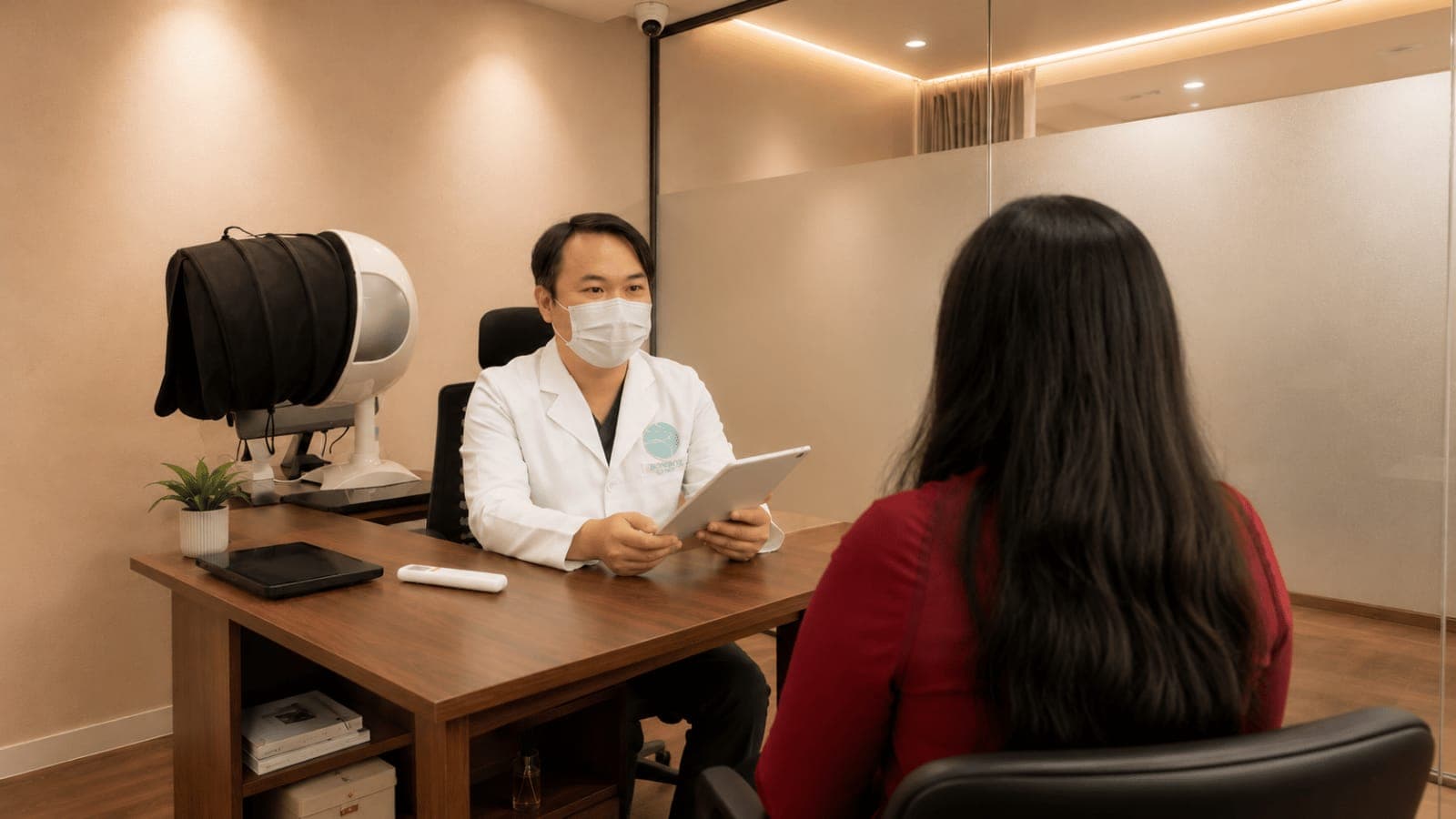
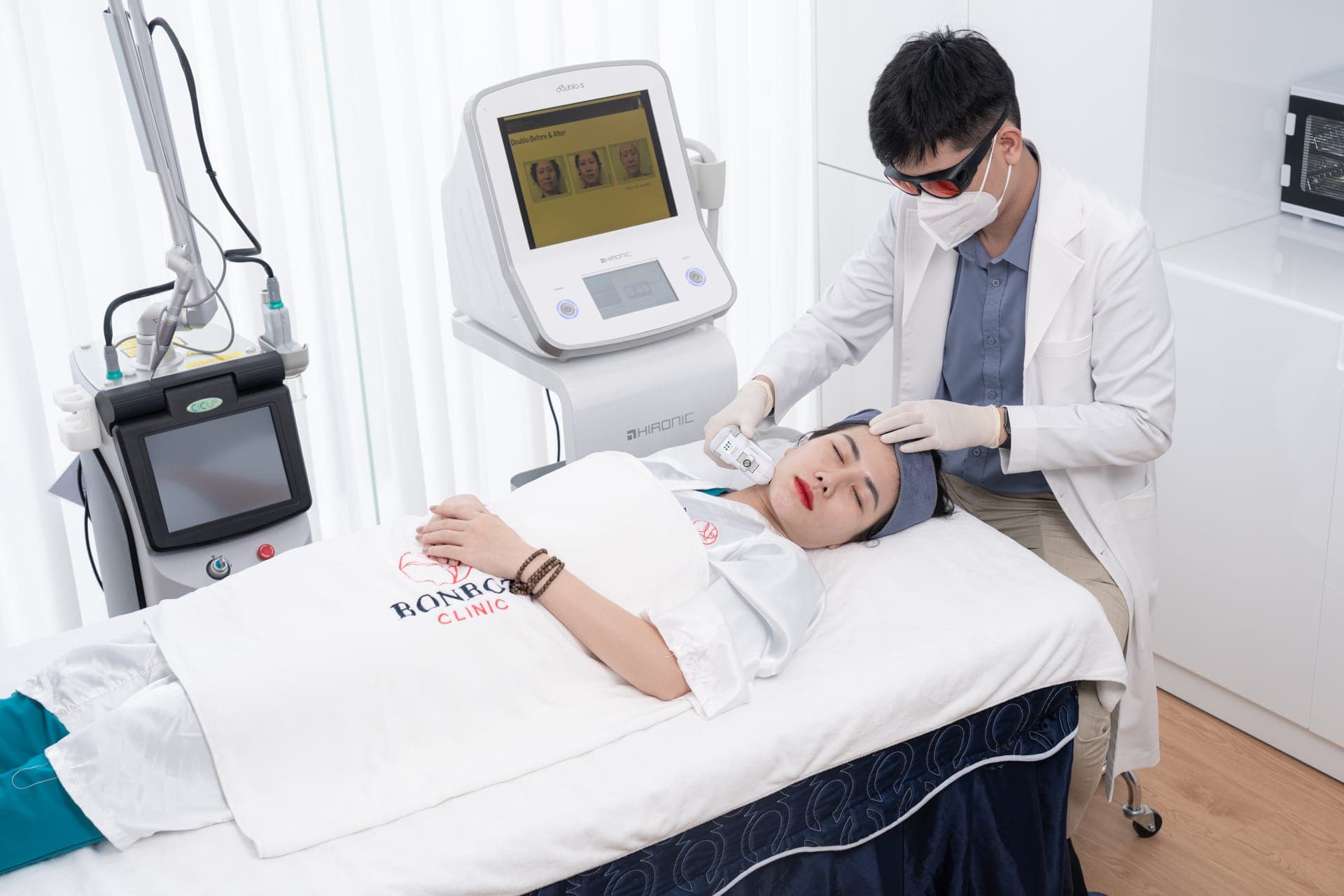
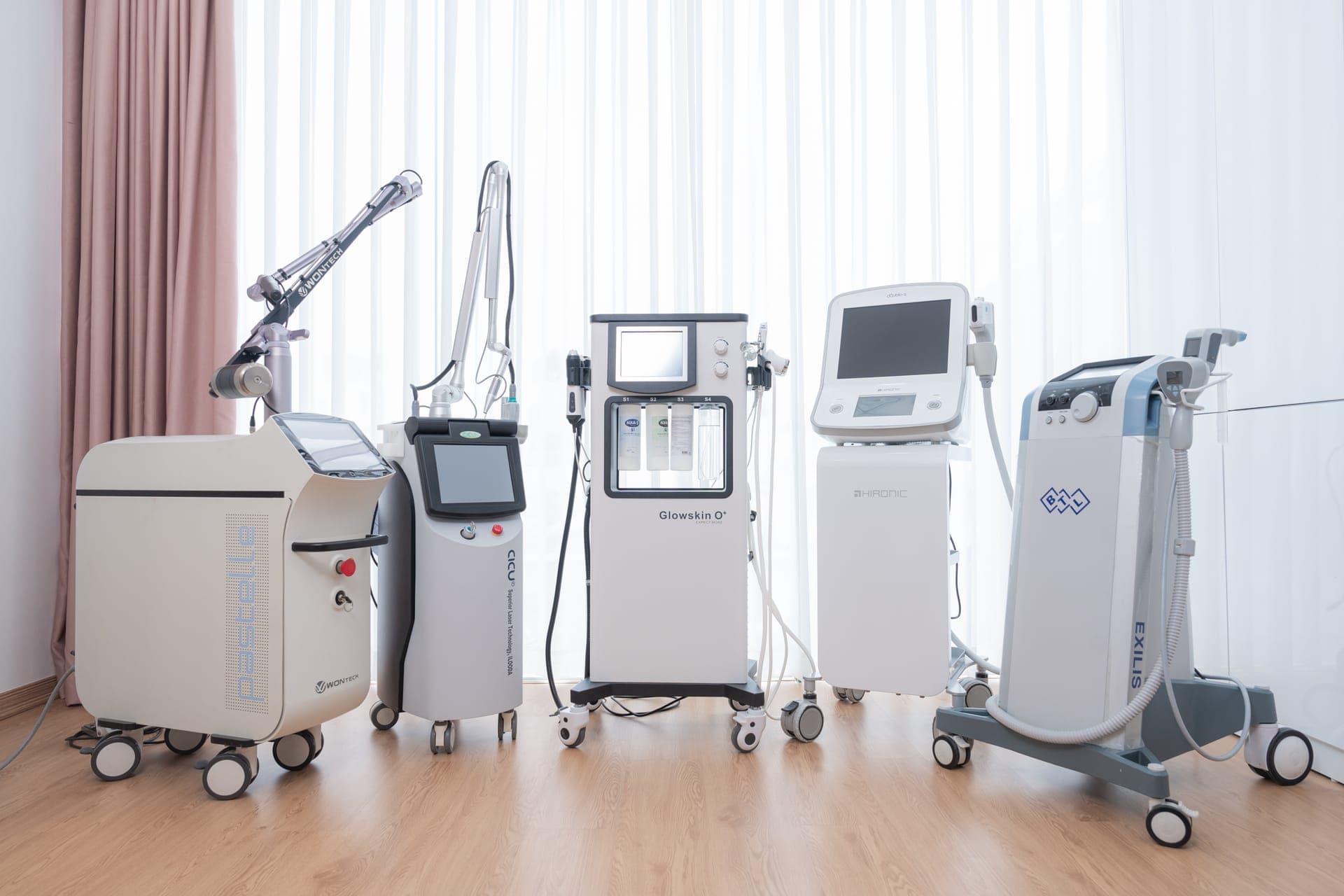
Inside the BonBoz clinic
Book a consultation with a doctor
Choose a date, time slot and doctor — the clinic calls to confirm within 5 minutes during opening hours. Free consultation, no commitment.
Frequently asked questions
Does chemical peeling thin the skin?
How long after a peel will the skin stop being red and start peeling?
Can chemical peels treat pitted/atrophic acne scars?
How many sessions are needed to see results?
Can chemical peeling cause hyperpigmentation?
Is it safe to DIY chemical peels at home with acids purchased online?
Can chemical peels be combined with laser treatments or acne extractions?
Can sensitive skin undergo chemical peels?
Is a back peel different from a facial peel?
Related topics
- Microneedling Costs: How Pricing Is Determined and When It Is Worth It
- Laser Atrophic Scar Treatment Costs: Per-Session and Package Pricing
- Medical-grade Acne Treatment Cost: Pricing per Session and Full Treatment Plans
- Medical-grade acne extraction: how it differs from spa extractions, the sterilization process, and which types of acne should not be extracted.
- Uneven skin tone, dullness, and hyperpigmentation: Distinguishing between pigmentary changes, dead skin cells, or poor circulation, and how to brighten and even out your complexion
- Sensitive, Red, and Stinging Skin: A Damaged Skin Barrier Following Improper Treatment and the Recovery Protocol
More from our doctors
How long does skin peeling after a chemical peel or laser treatment last? Should you pick at the peeling skin?
Skin peeling after a chemical peel or laser treatment typically lasts from a few days to 1–2 weeks, depending on the procedure. Do not pick or peel the flaking skin, as this can easily lead to scarring and infection.
Retinol, AHA, BHA, and Vitamin C: A Beginner’s Guide to Understanding and Safe Usage
Retinol, AHAs, BHAs, and vitamin C are popular active ingredients that can often feel overwhelming for beginners. Understanding their basic properties and using them prudently will help you incorporate them safely into your routine while avoiding irritation caused by improper use.
Proper Exfoliation: How Often to Do It and Who Needs to Be Cautious?
Exfoliation helps unclog pores and keep the skin clear, but overdoing it can cause harm. Understanding proper exfoliation techniques, the right frequency, and who should proceed with caution will help you care for your skin effectively without damaging your skin barrier.
Post-Laser Skin Care: How Long Should You Avoid Sun Exposure for Healthy Skin?
After laser treatment, avoid direct sun for about 1–2 weeks or longer depending on the laser and your skin; how to protect the treated area day by day.