
TCA CROSS (Chemical Reconstruction of Skin Scars)
TCA CROSS involves applying high-concentration trichloroacetic acid precisely to the base of each atrophic scar using a toothpick or fine needle, creating a controlled chemical injury that stimulates collagen production from the base of the scar upward. It is ideal for ice pick and deep, narrow boxcar scars, leaving the surrounding healthy skin unaffected. Treatments typically require 3–6 sessions spaced 4–6 weeks apart.
Compiled from BonBoz Clinic clinical documentation — currently in medical review
Mechanism of Action
The acid causes protein coagulation and controlled injury within the deep dermis at the base of the scar. The subsequent wound healing process stimulates neocollagenesis, gradually raising the scar floor. Because the acid is applied strictly inside the scar depression, the surrounding healthy skin remains untouched—unlike full-face chemical peels. This provides a "bottom-up" approach for deep scars that "top-down" modalities like lasers or microneedling cannot reach.
Ideal Candidates & Indications
Ice pick scars—the primary indication; deep, narrow boxcar scars; and enlarged post-acne pores. It is not indicated for broad rolling scars (which require subcision), hypertrophic or keloid scars, nor is it a stand-alone replacement for a comprehensive treatment plan. TCA CROSS is typically one component of a multi-modality regimen, combined with fractional CO2 laser or RF microneedling for other scar types on the same face.
Why Must It Be Performed by a Physician?
The acid concentration used is exceptionally high; any spillage onto healthy skin can cause chemical burns, secondary scarring, or permanent depigmentation. A physician selects the appropriate concentration based on scar depth and skin type, applies a micro-droplet precisely into each scar, and monitors the clinical endpoint of "frosting" before neutralizing or stopping. Performing this procedure at home with online-purchased TCA solutions is a frequent cause of severe scarring and worsening hyperpigmentation.
Treatment Sessions and Expected Results
Typically 3–6 sessions spaced 4–6 weeks apart. Treated points form small scabs that shed within 5–7 days. The scar depth gradually becomes shallower and the scar opening tightens with each session; the degree of improvement depends on initial depth and individual healing response. Darker skin phototypes carry a higher risk of temporary post-inflammatory hyperpigmentation (PIH) at the treated spots—strict sun protection is essential.
At BonBoz Clinic
A dermatologist examines your skin, maps out each individual ice pick and deep boxcar scar, selects the precise acid concentration, manually performs focal application point by point, and integrates resurfacing modalities for the remaining scars according to your tailored treatment plan.
Technique variants
1
Low concentration, multiple sessions
Safer for hyperpigmentation-prone skin, requires several visits.
2
High concentration, fewer sessions
Stronger impact per session, requires strict post-treatment care.
3
Combined TCA CROSS
Alternated with subcision or lasers within the same treatment plan.
When should you see a doctor?
- Wide rolling or boxcar scars — TCA CROSS is best suited for ice pick scars and is not suitable for all scar types.
- Active inflammatory acne or skin currently peeling from strong topical treatments.
- High susceptibility to post-inflammatory hyperpigmentation (PIH), or inability to strictly avoid sun exposure post-treatment.
- Active facial skin infections.
How is it performed?
The skin is cleansed and disinfected. Anesthesia may not be necessary (as it only causes a brief stinging sensation) or a mild topical anesthetic may be applied. The doctor uses a toothpick or fine needle dipped in the selected concentration of TCA to dot the base of each scar until frosting occurs—taking a few seconds per scar, and around 15–30 minutes for several dozen scars. Afterward, a soothing ointment and sunscreen are applied.
Before the procedure
Discontinue topical retinoids for 5–7 days; avoid sun exposure for 1–2 weeks prior; disclose any history of keloids or herpes; control inflammatory acne beforehand; arrive with clean skin.
After the procedure
The treated spots will turn red and form brown scabs within 5–7 days — do not pick at them; cleanse gently, apply prescribed recovery cream, and strictly use SPF 50 sunscreen for 4 weeks; avoid exfoliating the treated areas for 2 weeks. Follow up in 4–6 weeks for the next session.
Possible risks — your doctor explains them before treatment
- Temporary hyperpigmentation at treated spots, especially in darker skin types or without sun protection
- Mild burning and erythema for a few hours post-treatment
- Scar widening or localized hypopigmentation if acid spills onto healthy skin or if the concentration is inappropriate
- Variable response across individual scars — multiple sessions required
- Herpes reactivation in patients with a history of the virus
Who should NOT have this?
- Broad rolling scars (require subcision, not spot treatment)
- Keloids or a history of keloid-prone skin
- Active inflammatory acne, dermatitis, or active herpes infection
- Very dark skin tones without prior assessment of hyperpigmentation risk
- Currently pregnant (postpone treatment)
- Individuals purchasing TCA for DIY at-home application — extremely high risk of chemical burns and new scarring
How BonBoz uses it
Subcision
Subcision utilizes a specialized needle inserted beneath the skin's surface to sever the fibrous bands pulling the scar base downward. This is a core step for rolling scars, often combined with laser therapy or microneedling to smooth the skin surface afterward.
Learn about this method →Microneedling
Microneedling creates thousands of micro-injuries to stimulate natural collagen production—minimally invasive with a fast recovery, suitable for shallow pitted scars and uneven skin texture. For deep scars, microneedling alone is often insufficient and requires a combination approach.
Learn about this method →Fractional CO2 Laser for Pitted Scars
Fractional CO2 laser creates thousands of controlled microscopic treatment zones to trigger self-collagen regeneration and elevate the base of pitted scars. Effective for boxcar scars and shallow-to-moderate rolling scars; requires multiple sessions and strict sun protection.
Learn about this method →Acne Treatment
Services page: A specialist physician conducts an examination, recommends a suitable treatment plan, and discloses costs upfront before you decide.
Learn about this method →Want a cost range for your own case?
Estimate the cost →Cost guidance
The cost depends on the number of scar spots requiring treatment, the number of sessions in the treatment plan, and whether it is combined with other procedures.
The final price follows the doctor’s recommendation after an in-person exam. A confirmed quote has no hidden extras.
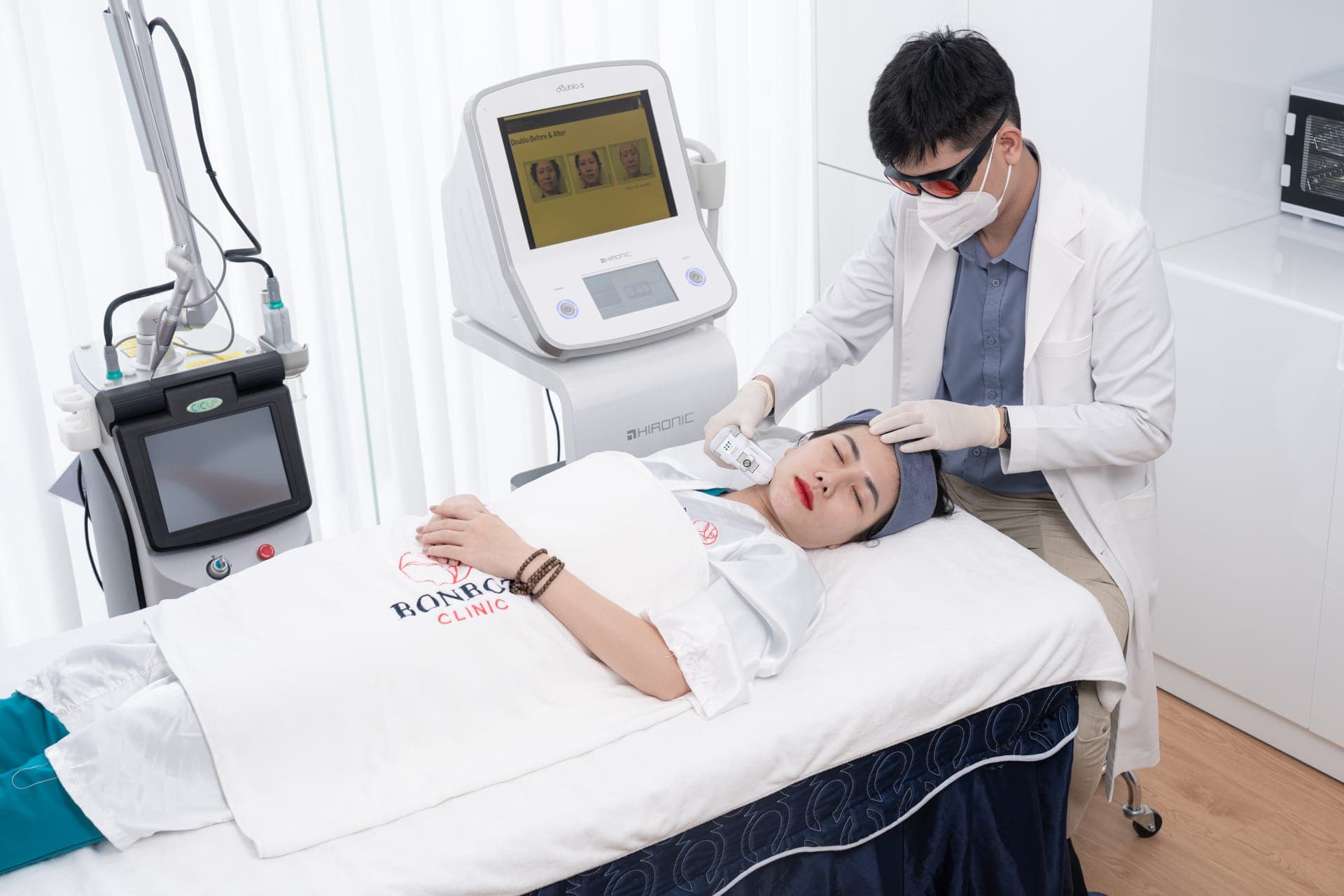
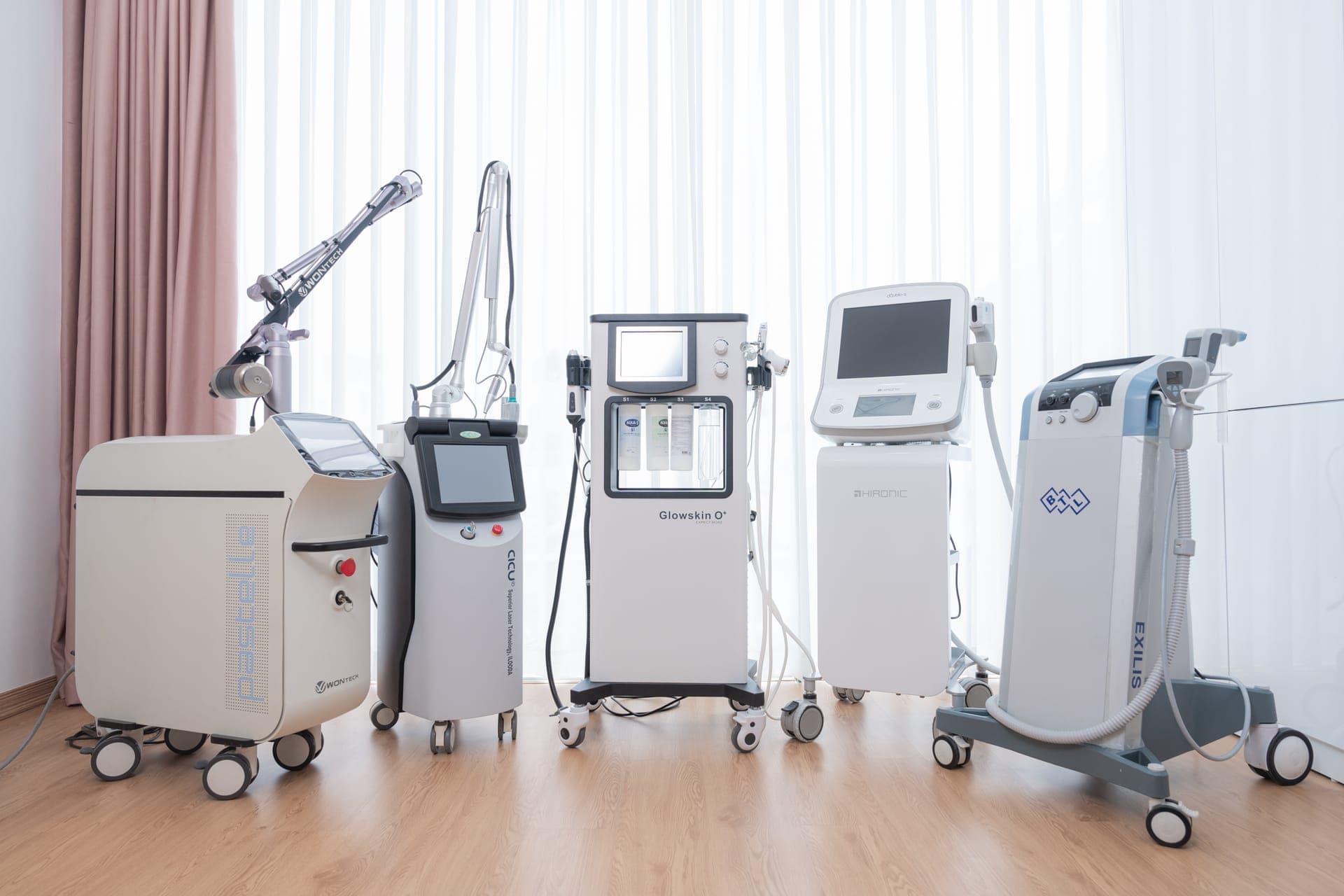
Inside the BonBoz clinic

Book a consultation with a doctor
Choose a date, time slot and doctor — the clinic calls to confirm within 5 minutes during opening hours. Free consultation, no commitment.
Frequently asked questions
Is TCA Cross painful?
How long does it take for the scabs to fall off?
How many sessions are needed?
Can it cause new scars?
Can darker skin tones undergo this treatment?
Can TCA Cross replace laser treatments?
Can it be done on the same day as laser treatment?
Can I buy TCA to apply at home?
How soon will I see results?
Who performs the procedure at BonBoz?
Related topics
- Microneedling Costs: How Pricing Is Determined and When It Is Worth It
- Laser Atrophic Scar Treatment Costs: Per-Session and Package Pricing
- Medical-grade Acne Treatment Cost: Pricing per Session and Full Treatment Plans
- Medical-grade acne extraction: how it differs from spa extractions, the sterilization process, and which types of acne should not be extracted.
- Chemical Peels for Acne, Hyperpigmentation, and Dull Skin: Acid Types, Peel Depths, Procedure, and Contraindications
- Sensitive, Red, and Stinging Skin: A Damaged Skin Barrier Following Improper Treatment and the Recovery Protocol
More from our doctors
What is TCA Cross for Ice Pick Scars? How Does It Differ from Laser and Microneedling?
How TCA Cross Works on Ice Pick Scars: Why It’s the Ideal Treatment, How It Differs from Laser/Microneedling, and Key Safety Guidelines.
How do icepick, boxcar, and rolling scars differ? Which type is more difficult to treat?
Differentiating 3 Types of Atrophic Acne Scars — Ice Pick, Boxcar, and Rolling — and Why Dermatologists Must Classify Them Before Treatment.
Fractional CO2 Laser for Acne Scars: How It Works and Who Is It For?
How Fractional CO2 Laser Works on Pitted Scars, Number of Sessions, Ideal Candidates, and Post-Treatment Care.
Does scar treatment hurt? What each method actually feels like
What it feels like to undergo acne scar treatments with laser, microneedling, TCA Cross, and subcision: Why pain levels vary from person to person, and how to minimize discomfort.