
Fractional CO2 Laser
Fractional CO2 laser delivers thousands of microscopic treatment zones into the skin; the surrounding intact tissue promotes rapid healing, while the micro-injuries stimulate collagen production to elevate the scar base. It is ideal for shallow to moderate boxcar and rolling scars on skin free of active inflammatory acne. The treatment typically requires 3–5 sessions spaced 4–8 weeks apart, with redness and peeling lasting 5–7 days.
Compiled from BonBoz Clinic clinical documentation — currently in medical review
Mechanism of Action
The CO2 laser is absorbed by water within skin cells, vaporizing microscopic columns of tissue several hundred micrometers deep while creating surrounding zones of thermal damage. The body responds through a natural wound-healing cascade: contracting existing collagen and stimulating neocollagenesis over the course of 4–12 weeks. Because only 10–30% of the skin surface is treated in a single session, the skin recovers within approximately one week, unlike the multi-week downtime required by fully ablative lasers.
Which Types of Scars Benefit Most?
Best candidates: shallow to moderate boxcar scars, rolling scars (following subcision), uneven skin texture, and enlarged pores. Limitations: deep icepick scars (require combination therapy with TCA cross), keloid or hypertrophic scars (contraindicated — may worsen the condition), and active inflammatory acne.
Why Are Multiple Sessions Necessary?
Each session targets only a fraction of the skin's surface, and collagen remodeling takes time. Results are cumulative; shortening the intervals between sessions does not accelerate improvement, but rather increases the risk of hyperpigmentation. Your dermatologist will estimate the required number of sessions following a skin analysis and adjust the plan based on your skin's actual clinical response.
Darker Skin Tones and PIH Risks
Vietnamese skin is more prone to post-inflammatory hyperpigmentation (PIH) compared to lighter skin types. Consequently, energy parameters, microbeam density, and post-procedure care must be strictly personalized. Rigorous sun protection for at least 4 weeks following each session is mandatory, not optional. For very dark skin tones or patients with a history of persistent pigmentation, our dermatologists may recommend microneedling RF as a preferred alternative.
The BonBoz Approach
Our dermatologists conduct a thorough skin analysis, classify scar types, evaluate active acne and medical history, customize laser parameters for each facial zone, apply topical anesthesia, and provide a day-by-day post-treatment care protocol. All procedures are performed directly by dermatologists—never delegated to technicians—with follow-up assessments scheduled before proceeding to subsequent sessions.
Technique variants
1
Low energy level
Faster recovery, requires more sessions; suitable for hyperpigmentation-prone skin.
2
High energy level
Deeper impact per session, longer recovery time.
3
Combined laser therapy
Combined with subcision or TCA CROSS within the same treatment regimen.
When should you see a doctor?
- Active inflammatory acne or infection at the target area.
- History of keloid scarring or marked post-inflammatory hyperpigmentation (PIH).
- Inability to strictly avoid sun exposure during recovery — this is a mandatory requirement, not merely a recommendation.
- Recent use of oral isotretinoin or strong topical medications — a wash-out period is required, as determined by the physician.
How is it performed?
Cleanse the face, apply topical anesthesia for 30–45 minutes, and thoroughly remove the numbing cream. The doctor performs the laser treatment zone by zone using customized parameters (density, energy, depth) — taking 15–30 minutes for the entire face; patients may experience a tolerable warm, prickling sensation. Afterward, the skin is cooled, followed by the application of a recovery cream and physical sunscreen.
Before the procedure
Discontinue topical retinoids 5–7 days prior and avoid exfoliating for 1 week beforehand; inform your doctor if you are taking oral retinoids or anticoagulants, or if you have a history of oral herpes or keloid scarring; avoid sun exposure and tanning for 2 weeks prior; arrive with clean skin and no makeup.
After the procedure
Days 1–2: Skin may be red, warm, and show mild oozing; Days 3–7: Skin may darken with micro-crusting/flaking — do not pick or scratch; apply prescribed post-procedure recovery products, cleanse with physiological saline solution, and apply SPF 50 sunscreen every 2–3 hours when outdoors. Avoid saunas, strenuous exercise, and swimming pools for 1 week; schedule a follow-up visit before your next session (4–8 weeks).
Possible risks — your doctor explains them before treatment
- Post-inflammatory hyperpigmentation (temporary dark spots) — higher risk in darker skin tones and individuals with inadequate sun protection
- Prolonged erythema lasting several weeks in sensitive skin
- Infection or herpes reactivation due to improper aftercare / a prior history
- Spotty hypopigmentation or new scarring if the settings are too aggressive — which is why treatment parameters must be set by a physician
- Partial scar improvement, not complete scar removal
Who should NOT have this?
- Active inflammatory acne or cystic acne in the treatment area
- History of keloids or active keloids on the face
- Currently taking oral retinoids or recently discontinued without completing the required waiting period specified by a doctor
- Currently pregnant or breastfeeding (insufficient safety data — defer treatment)
- Recently sunburned skin, active dermatitis, or active herpes infection
- Unable to adhere to strict sun protection for 4 weeks following each session (e.g., continuous outdoor work)
How BonBoz uses it
Subcision
Subcision involves using a specialized needle beneath the skin to sever the fibrous bands pulling the scar base down—a core step for rolling scars, often combined with laser or microneedling to smooth the skin surface afterward.
Learn about this method →TCA CROSS
TCA CROSS applies high-concentration acid directly into the base of each scar to stimulate regeneration from within—a technique typically reserved for ice pick scars and deep boxcar scars that surface lasers cannot reach.
Learn about this method →Microneedling
Microneedling creates thousands of micro-injuries to stimulate natural collagen production—minimally invasive with quick recovery, ideal for shallow scars and rough skin texture. For deep scars, standalone microneedling is usually insufficient and requires combination therapy.
Learn about this method →Acne Treatment
Service page: A specialist physician examines your skin, recommends a suitable treatment plan, and provides transparent pricing before you decide.
Learn about this method →Want a cost range for your own case?
Estimate the cost →Cost guidance
The cost depends on the size of the treatment area, the energy settings, and the number of sessions prescribed by the doctor, as well as whether subcision or TCA CROSS is combined with the treatment.
The final price follows the doctor’s recommendation after an in-person exam. A confirmed quote has no hidden extras.
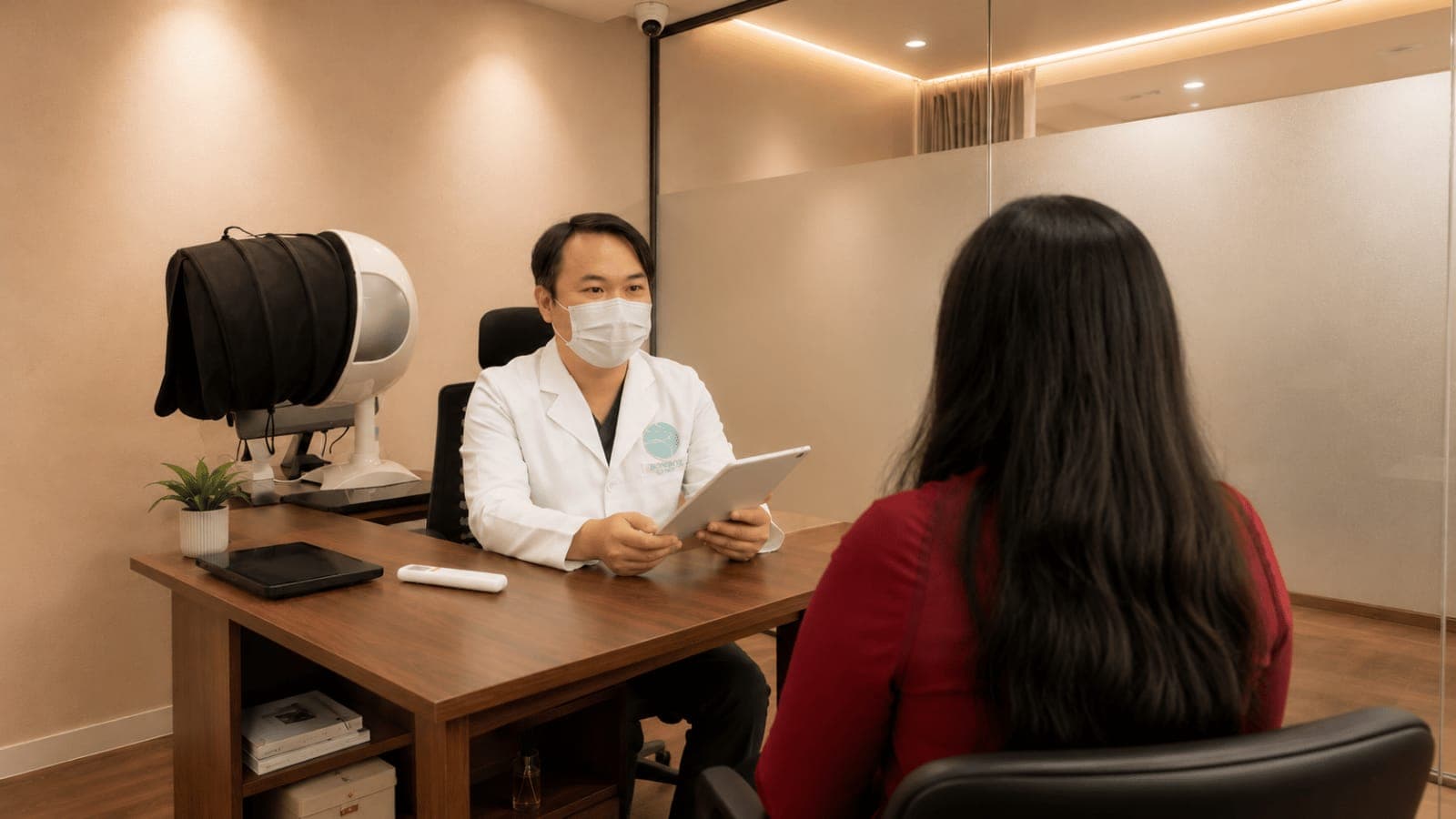
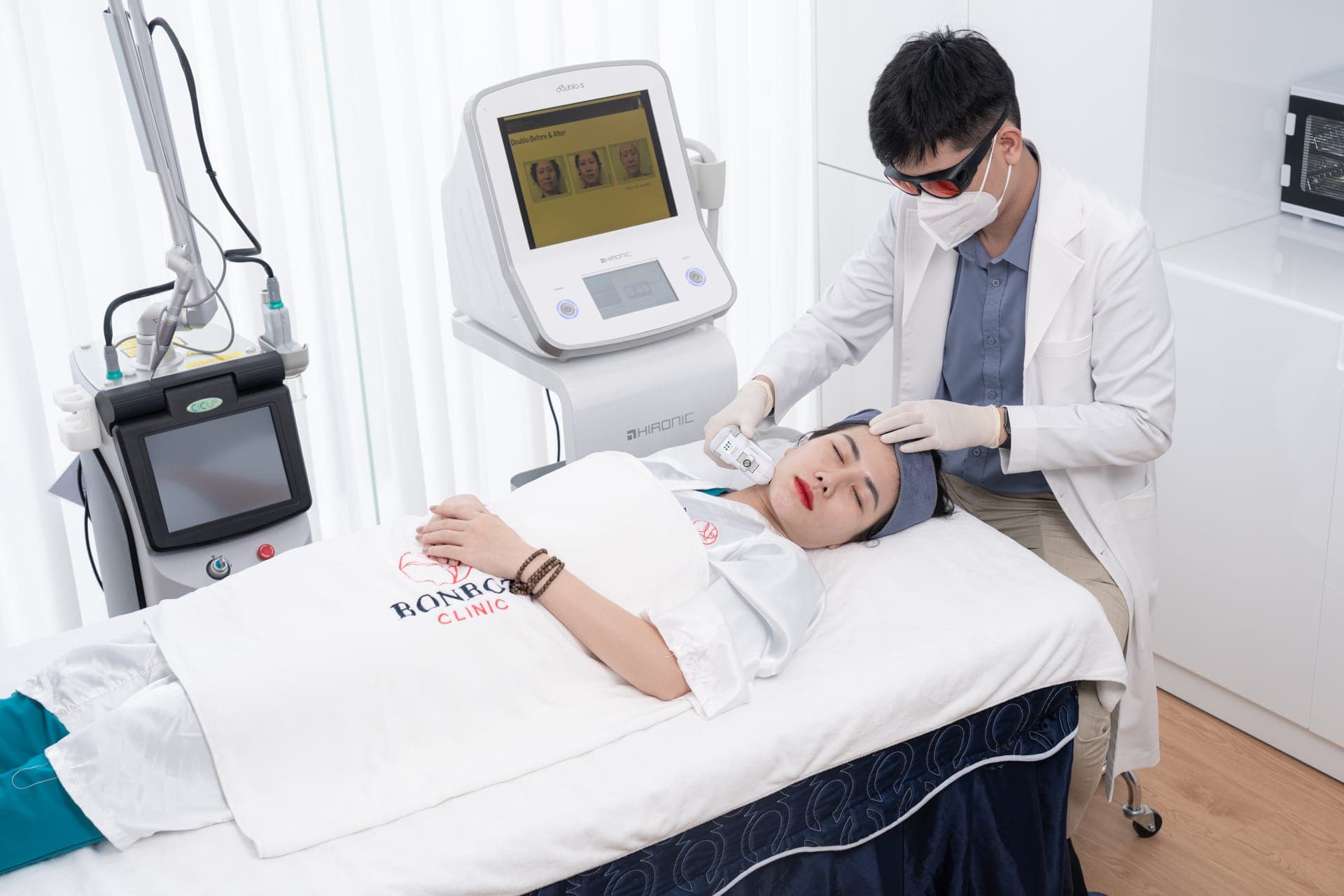
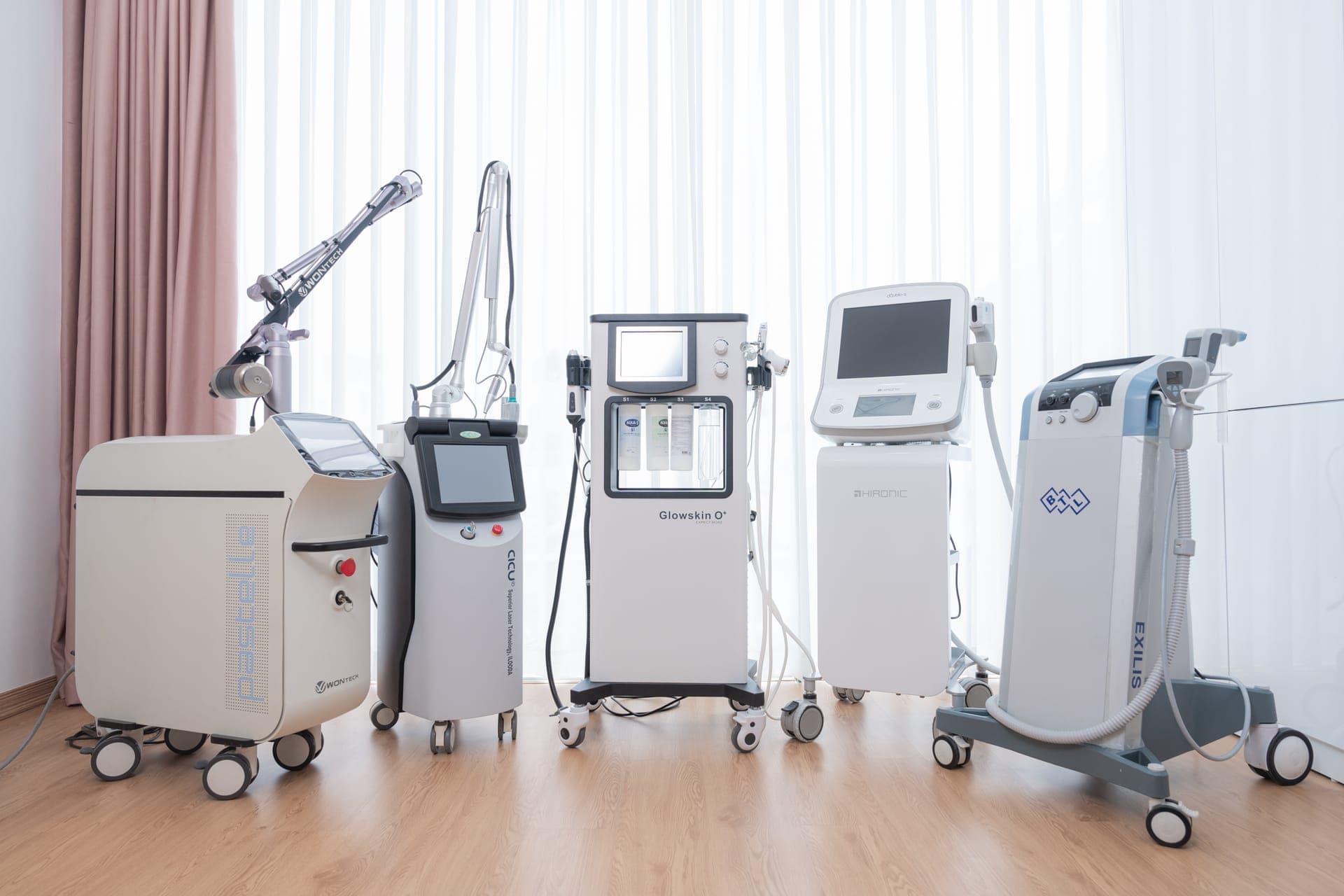
Inside the BonBoz clinic
Book a consultation with a doctor
Choose a date, time slot and doctor — the clinic calls to confirm within 5 minutes during opening hours. Free consultation, no commitment.
Frequently asked questions
Is Fractional CO2 Laser painful?
How soon can I return to work?
How many sessions are needed?
How long does it take to see results?
Does it cause post-inflammatory hyperpigmentation (PIH)?
How does it differ from traditional CO2 laser?
What can it be combined with for better results?
What is the best season to undergo this treatment?
Can thin, sensitive skin undergo this treatment?
Is maintenance needed after completing the treatment course?
Related topics
- Microneedling Costs: How Pricing Is Determined and When It Is Worth It
- Laser Atrophic Scar Treatment Costs: Per-Session and Package Pricing
- Medical-grade Acne Treatment Cost: Pricing per Session and Full Treatment Plans
- Medical-grade acne extraction: how it differs from spa extractions, the sterilization process, and which types of acne should not be extracted.
- Chemical Peels for Acne, Hyperpigmentation, and Dull Skin: Acid Types, Peel Depths, Procedure, and Contraindications
- Sensitive, Red, and Stinging Skin: A Damaged Skin Barrier Following Improper Treatment and the Recovery Protocol
More from our doctors
Fractional CO2 Laser for Acne Scars: How It Works and Who Is It For?
How Fractional CO2 Laser Works on Pitted Scars, Number of Sessions, Ideal Candidates, and Post-Treatment Care.
How long does acne scar treatment take, and why are multiple sessions required?
Why Acne Scar Treatment Takes Time and Multiple Sessions, When to Expect Results, and How to Support Your Healing Process.
Does scar treatment hurt? What each method actually feels like
What it feels like to undergo acne scar treatments with laser, microneedling, TCA Cross, and subcision: Why pain levels vary from person to person, and how to minimize discomfort.
How to Care for Your Skin After Acne Scar Treatment for Fast Healing and Minimal Hyperpigmentation?
How to care for your skin after laser and microneedling treatments for acne scars: soothing, moisturizing, sun protection, avoiding mistakes that cause hyperpigmentation, and knowing when to see a doctor.
When is the best time to treat pitted scars? Should you avoid the sunny season?
When is the best time to treat pitted scars? Why is sun exposure a critical factor, do you need to avoid the sunny season, and how should you prepare before starting treatment?