
Medically reviewed by Dr. Kim Kha, MSc, Specialist I — BonBoz Clinic
Does scar treatment hurt? What each method actually feels like
What it feels like to undergo acne scar treatments with laser, microneedling, TCA Cross, and subcision: Why pain levels vary from person to person, and how to minimize discomfort.
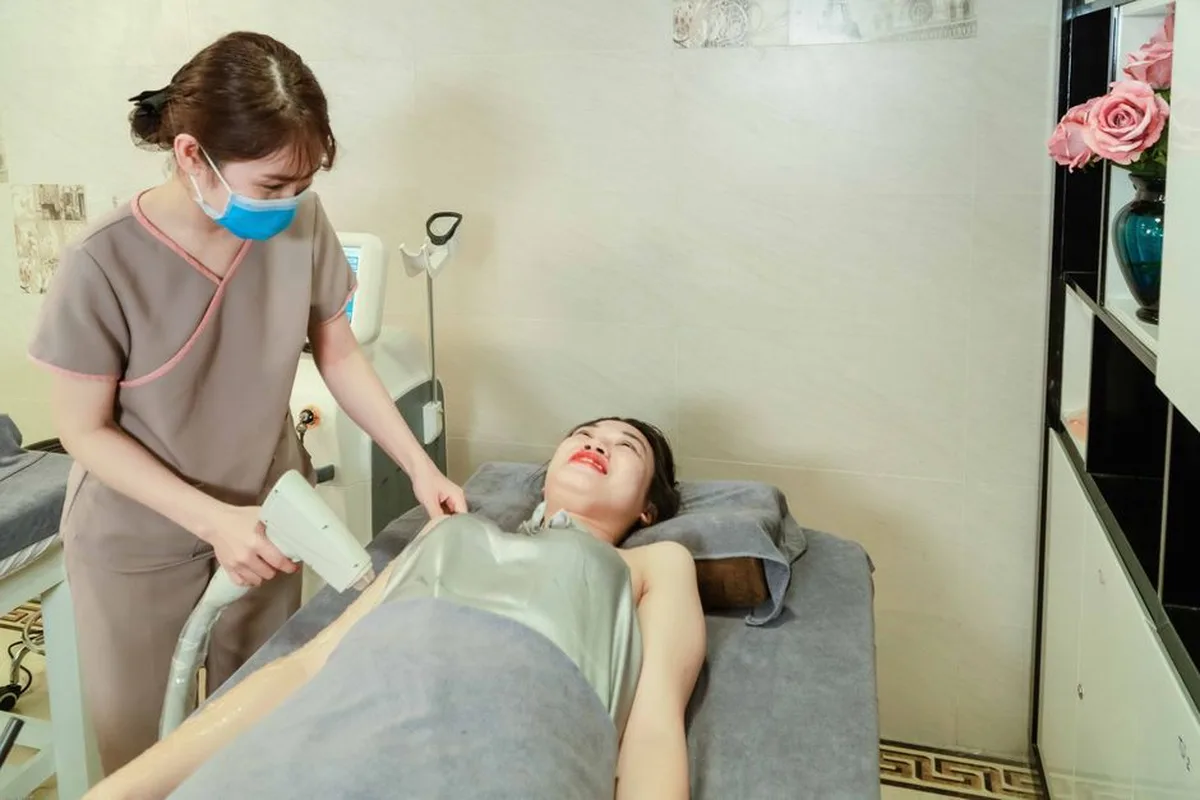
This article is compiled and clinically reviewed by the Dermatology specialists at BonBoz Clinic.
"Does acne scar treatment hurt?" is a common concern that makes many people hesitate to start treatment. In reality, the sensation varies depending on the method and each individual's pain tolerance, and is mostly well-managed with topical numbing cream or local anesthesia prior to the procedure. Understanding the sensation of each method helps ease your anxiety and prepare you mentally, rather than delaying treatment due to a fear of pain without proper information.
What does laser scar treatment feel like?
Before the laser procedure, clinics usually apply topical numbing cream to minimize discomfort. During the treatment, many describe the sensation as a mild stinging, warmth, or prickling, depending on the type of laser and energy settings used. After the laser session, the skin may feel slightly warm and tight, similar to a mild sunburn, for a short period. The intensity depends on the laser type, the treated area, and your personal pain threshold. The doctor will adjust the settings and communicate with you to ensure your comfort throughout the process.
Do microneedling and TCA cross hurt?
Microneedling is typically performed after applying topical numbing cream; during the procedure, you may feel a tingling sensation depending on the needle depth and the treated area. TCA Cross causes a brief stinging and burning sensation at each treated scar point, which usually subsides quickly. Both methods are generally well-tolerated by most patients, especially with the aid of numbing cream. Post-treatment, the skin may look flushed and feel slightly sensitive for a few days. The exact sensation varies from person to person, and the doctor will always walk you through the process beforehand so you know what to expect.
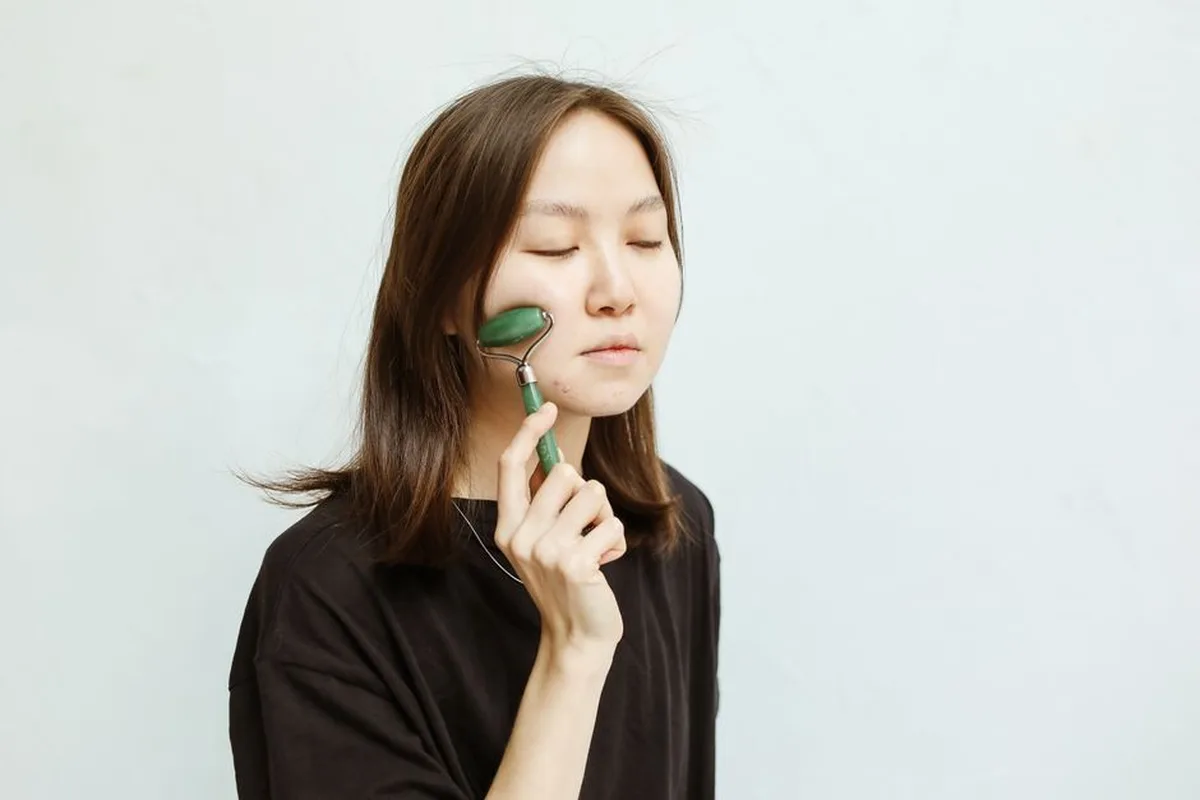
What does subcision feel like?
Subcision is performed under local anesthesia, so you typically will not feel significant pain during the procedure. Afterward, mild soreness, tightness, and bruising in the treated area for a few days are common reactions. Since this procedure involves inserting a needle beneath the skin to release scar tissue, the post-treatment sensation is more noticeable than surface treatments, but it is usually manageable and gradually subsides. Your doctor will provide instructions on how to minimize discomfort afterward.
Why does the sensation of pain vary from person to person?
Pain perception depends on several factors: individual pain tolerance, the treated area, the specific method and level of invasiveness, as well as whether the numbing cream or local anesthesia has been given sufficient time to take effect. Two people undergoing the exact same procedure may experience it differently. This is why you should not compare your experience directly with others, and you should communicate openly with your doctor if you are sensitive to pain so that appropriate adjustments can be made.

What can you do to minimize discomfort and feel more at ease?
To ensure a more comfortable experience, discuss your concerns with your doctor beforehand; clinics will ensure the numbing cream is left on for an adequate amount of time before starting. Post-treatment, following the aftercare instructions, soothing the skin, and avoiding harsh physical contact will help reduce discomfort. Mentally preparing yourself by knowing that the sensation during the procedure is brief and manageable also helps reduce anxiety. If you are highly concerned about pain, do not hesitate to tell your doctor so you can find the most suitable approach together.
Frequently Asked Questions
Does acne scar treatment require general anesthesia?
Most acne scar treatments only require topical numbing cream or local anesthesia; general anesthesia is not necessary. The appropriate pain management method depends on the technique and level of invasiveness, which will be determined by the doctor after an evaluation.
How long does the discomfort last after scar treatment?
Post-treatment discomfort is usually mild and gradually subsides within a few days, depending on the method used and your body's healing response. Your doctor will provide aftercare instructions and prescribe medication if necessary to make your recovery more comfortable.
Should I delay scar treatment if I am afraid of pain?
You should not delay treatment if you wish to improve your scars, as the sensation is usually well-controlled with numbing agents. Share your concerns with your doctor so they can advise you on the most suitable methods and ways to minimize discomfort.
If you want to treat your acne scars but are still concerned about pain, let our dermatologists consult you on the most suitable methods and ways to keep you as comfortable as possible during your treatment.
This article is for reference only and does not replace an in-person examination or a doctor's diagnosis. Actual results vary by individual condition.