
Microneedling
Microneedling utilizes a pen or roller equipped with fine micro-needles to create thousands of micro-injuries into the papillary dermis. This stimulates collagen production to gradually improve shallow atrophic scars, rough skin texture, and enlarged pores. Less invasive than laser treatments, it requires only 2–3 days of downtime; however, it is not sufficient as a standalone treatment for deep scars. A typical course consists of 4–6 sessions spaced 4 weeks apart.
Compiled from BonBoz Clinic clinical documentation — currently in medical review
Mechanism of Action
Microneedles penetrate at depths of 0.5–2.5 mm to create micro-channels of controlled injury. The skin responds by triggering growth factors and stimulating the synthesis of new collagen and elastin, gradually filling in scar depressions over 4–8 weeks. These micro-channels also significantly enhance the deep absorption of topically applied active ingredients (PRP, restorative serums) immediately after treatment. With no thermal energy and no epidermal ablation, recovery is fast with minimal risk of post-inflammatory hyperpigmentation (PIH).
What Are the Realistic Results?
Highly effective for mild-to-moderate rolling scars, shallow boxcar scars, uneven skin texture, enlarged pores, and post-inflammatory hyperpigmentation (when combined with active topicals). It has limited efficacy on ice pick scars and deep boxcar scars, as the needle depth and mechanical action alone cannot achieve deep thermal remodeling. In such cases, our dermatologists combine microneedling with subcision, TCA CROSS, or transition to RF microneedling/fractional CO2 laser.
At-Home Derma Rolling vs. In-Clinic Microneedling
At-home devices feature short needles (≤0.5 mm) that merely enhance product absorption without penetrating deep enough to remodel scar tissue. Improper use can lead to infections, skin tearing, and cross-contamination. Medical-grade microneedling utilizes single-use, sterile needle cartridges with customizable penetration depths adjusted per anatomical zone by a physician, performed under topical anesthesia with strict infection control.
Treatment Protocol and Expectations
A standard course typically consists of 4–6 sessions spaced 4 weeks apart. Mild erythema resembling a light sunburn lasts 1–2 days, followed by subtle flaking around day 3. Visible improvements progressively appear after the 2nd to 3rd session; the degree of response varies based on individual skin physiology, age, and post-treatment care. Your doctor will clearly outline beforehand which scars can be resolved with microneedling and which require alternative modalities.
The BonBoz Approach
A dermatologist conducts a thorough skin analysis to classify scar types, determining whether standalone microneedling or a combination protocol is indicated. Needle depth is precisely calibrated for each facial zone, performed under topical anesthesia using sterile needle cartridges, and combined with PRP or restorative active ingredients when clinically indicated.
Technique variants
1
Standard microneedling
Creates micro-injuries, relying on the skin's natural self-regeneration capacity.
2
Microneedling with active ingredients
Delivers active ingredients immediately after creating micro-channels.
3
Switching to RF microneedling
When deeper penetration beyond the reach of standard microneedling is required.
When should you see a doctor?
- Deep, ice pick scars—standalone microneedling is usually insufficient, and it is essential to clearly understand the limitations before commencing a treatment course.
- Active inflammatory acne, pustules, or skin infections.
- A predisposition to keloid scarring or post-inflammatory hyperpigmentation (PIH).
- Currently using medications that affect blood clotting or delay wound healing.
How is it performed?
Apply topical numbing cream for 20–30 minutes. The doctor uses a microneedling pen with a sterile needle cartridge, adjusting the needle depth for each facial zone (deeper on the cheeks, shallower around the eyes), and glides it evenly until uniform erythema with pinpoint bleeding appears—taking 20–30 minutes for the full face. Immediately follow with the application of PRP or restorative active ingredients, and finish with physical sunscreen.
Before the procedure
Discontinue topical retinoids 3–5 days prior; avoid exfoliation and sun exposure for 1 week before the procedure; disclose any history of herpes, keloids, or anticoagulant use; arrive with clean skin and no makeup.
After the procedure
Redness and tightness for 1–2 days, mild peeling on days 2–3; use a gentle cleanser, apply restorative moisturizer, and wear SPF 50 sunscreen; avoid makeup for 24 hours; avoid saunas and swimming pools for 3 days. Follow-up check and next session after 4 weeks.
Possible risks — your doctor explains them before treatment
- Redness, mild swelling, and pinpoint bleeding for 1–2 days
- Temporary acne breakouts in individuals with oily skin
- Infection or herpes flare-ups if tools or aftercare are improper
- Mild hyperpigmentation (rare, lower risk compared to laser)
- Ineffective for deep scars — unrealistic expectations are the most common risk
Who should NOT have this?
- Deep ice pick or deep boxcar scars are the primary concern (alternative treatments required)
- Active inflammatory acne, herpes infection, or dermatitis in the treatment area
- History or tendency of keloid scarring
- Coagulation disorders or current use of anticoagulants without prior physician consultation
- Currently pregnant (postpone treatment)
- Intending to perform DIY microneedling at home with long needles to 'save costs' — high risk of infection and scarring
How BonBoz uses it
Subcision
Subcision utilizes a specialized needle inserted beneath the skin to sever the fibrous bands pulling the scar base downward. This is a core step for rolling scars and is often combined with laser therapy or microneedling to subsequently smooth the skin surface.
Learn about this method →TCA CROSS
TCA CROSS applies high-concentration acid precisely into the base of each scar to stimulate regeneration from the bottom up—a technique tailored specifically for ice pick scars and deep boxcar scars that surface lasers cannot reach.
Learn about this method →Fractional CO2 Laser Scar Treatment
Fractional CO2 laser creates thousands of controlled micro-injuries to prompt the skin's natural collagen regeneration, elevating the depressed scar base. Effective for boxcar scars and shallow-to-moderate rolling scars; requires multiple sessions and strict sun protection.
Learn about this method →Acne Treatment
Service page: A specialist physician conducts an examination, recommends a suitable treatment plan, and provides a cost estimate prior to your decision.
Learn about this method →Want a cost range for your own case?
Estimate the cost →Cost guidance
The cost depends on the treatment area size, the number of sessions in the course, and whether it is combined with active nutrients or other modalities.
The final price follows the doctor’s recommendation after an in-person exam. A confirmed quote has no hidden extras.
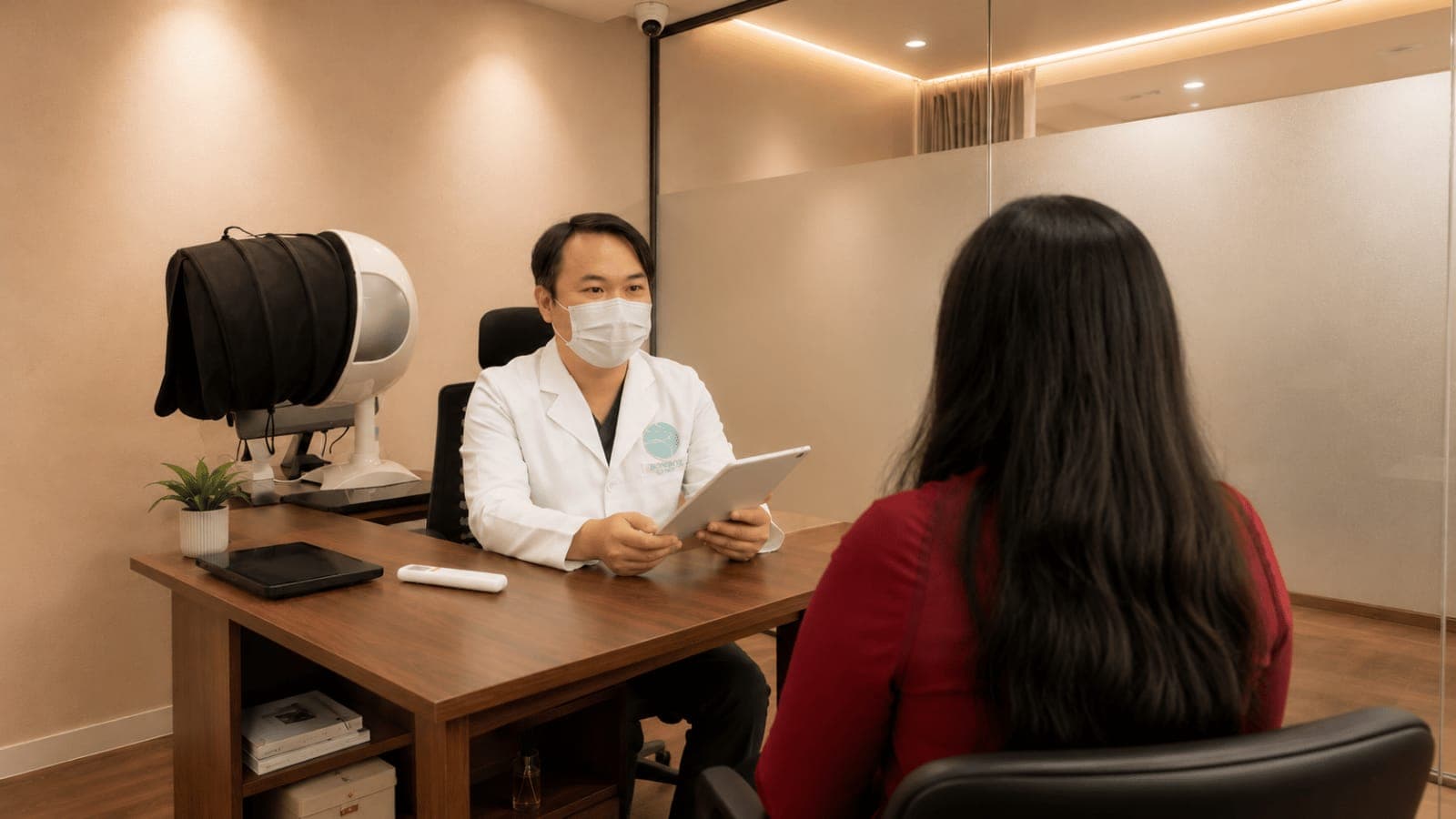
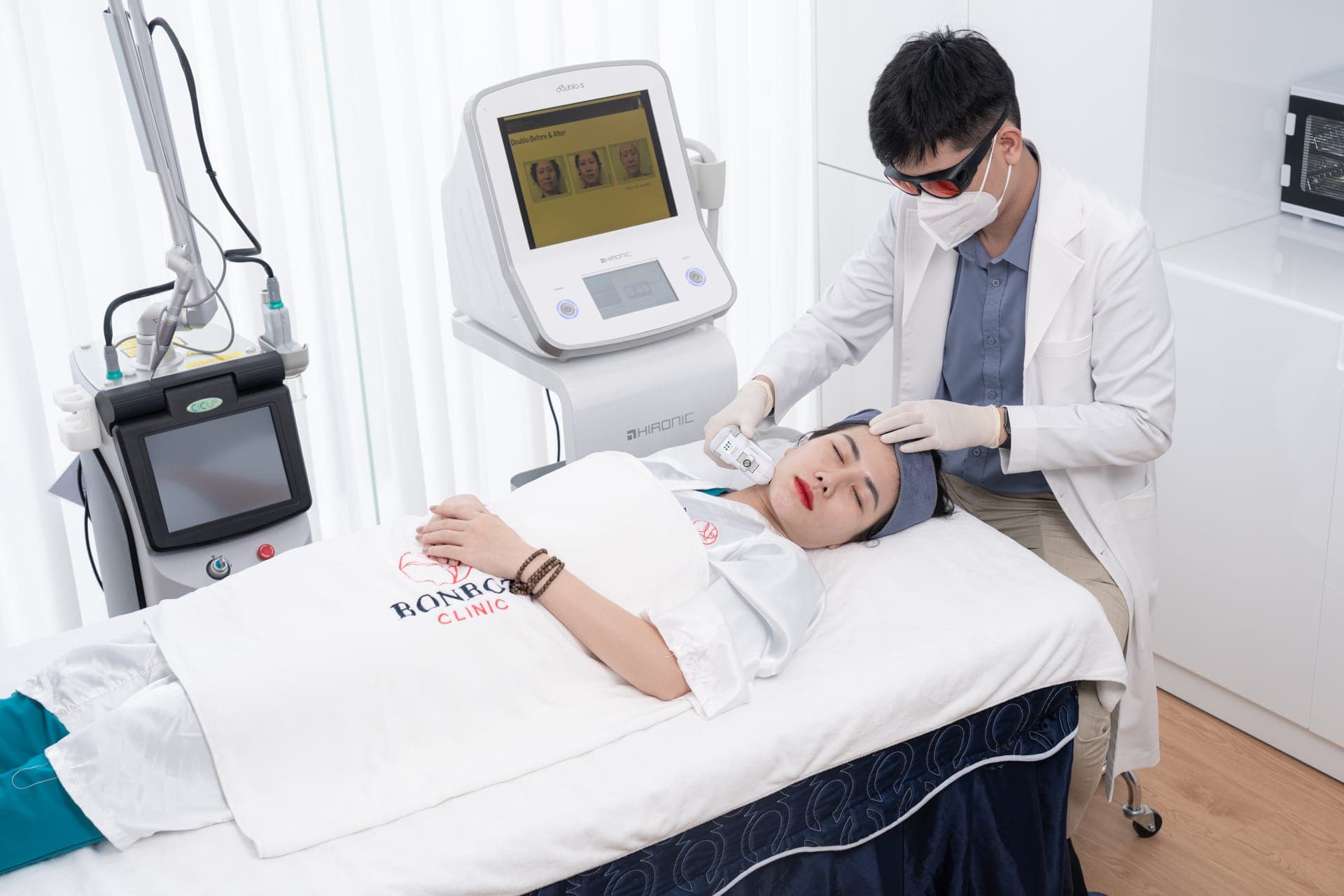
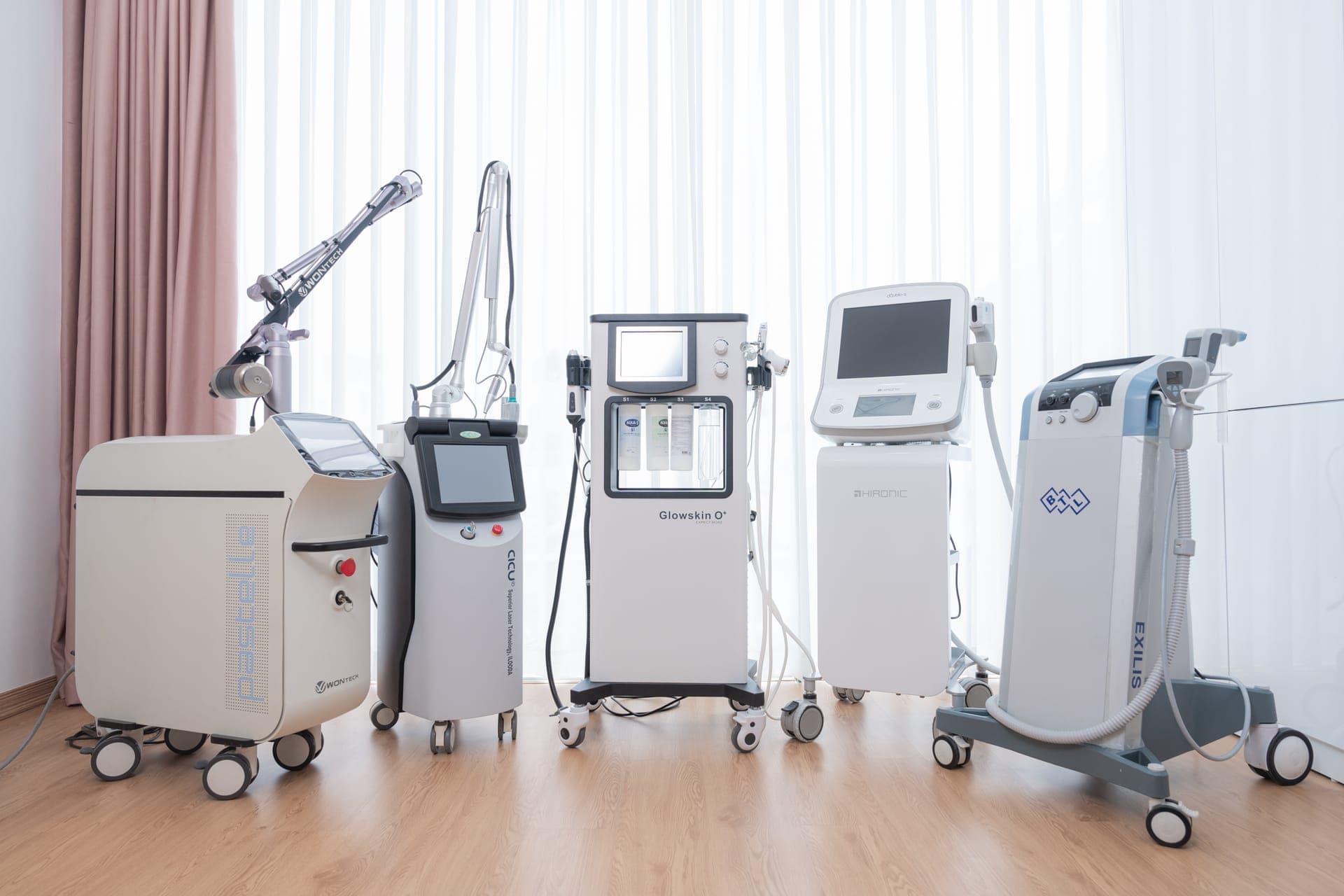
Inside the BonBoz clinic
Book a consultation with a doctor
Choose a date, time slot and doctor — the clinic calls to confirm within 5 minutes during opening hours. Free consultation, no commitment.
Frequently asked questions
Does microneedling hurt?
How long is the recovery time?
Can microneedling treat deep atrophic scars?
How many sessions are needed?
Can I do microneedling at home?
Is microneedling with PRP better?
Will I get hyperpigmentation after microneedling?
How long do the results last?
How does microneedling differ from RF microneedling?
Who performs the procedure at BonBoz?
Related topics
- Microneedling Costs: How Pricing Is Determined and When It Is Worth It
- Laser Atrophic Scar Treatment Costs: Per-Session and Package Pricing
- Medical-grade Acne Treatment Cost: Pricing per Session and Full Treatment Plans
- Medical-grade acne extraction: how it differs from spa extractions, the sterilization process, and which types of acne should not be extracted.
- Chemical Peels for Acne, Hyperpigmentation, and Dull Skin: Acid Types, Peel Depths, Procedure, and Contraindications
- Sensitive, Red, and Stinging Skin: A Damaged Skin Barrier Following Improper Treatment and the Recovery Protocol
More from our doctors
Microneedling for Acne Scars: How Effective Is It and How Does It Differ from Laser Therapy?
The Mechanism of Microneedling for Atrophic Acne Scars, Real Results, Number of Sessions, Comparison with Lasers, and Ideal Candidates.
What is Microneedling RF for Acne Scars? How Does It Differ from Traditional Microneedling?
What is RF microneedling for acne scars, how does it work, and how does it differ from traditional microneedling? This guide will help you choose the right treatment with your doctor.
Are at-home scar creams and serums effective for atrophic acne scars?
How effective are topical at-home acne scar treatments, why is it difficult to fill deep scars, and when should you see a dermatologist?
How do icepick, boxcar, and rolling scars differ? Which type is more difficult to treat?
Differentiating 3 Types of Atrophic Acne Scars — Ice Pick, Boxcar, and Rolling — and Why Dermatologists Must Classify Them Before Treatment.
What is PRP (Platelet-Rich Plasma) for acne scar treatment? When should it be combined?
What is PRP for acne scars, how does it work, when should it be combined with microneedling/laser, and who is the ideal candidate? Here is everything you need to know to set the right expectations.