
Scar subcision
Subcision is a procedure in which a doctor inserts a specialized needle beneath the skin to sever the fibrous tissue bands tethering the base of atrophic scars to deeper tissues, allowing the scar base to be released and elevated. It is primarily indicated for rolling scars; usually requires 1–3 sessions spaced 4–6 weeks apart, with bruising lasting 5–10 days, and is often combined with lasers or microneedling.
Compiled from BonBoz Clinic clinical documentation — currently in medical review
Mechanism
Rolling scars appear depressed because underlying fibrous bands pull the base of the scar downward. A subcision needle (Nokor needle or cannula) is inserted through a small puncture point and moved in a fanning motion beneath the scar to sever these tethering fibrous bands. The resulting hematoma and natural wound-healing cascade stimulate new tissue formation to fill the void, lifting the scar base to a more elevated position. This is a subdermal invasive procedure performed under local anesthesia and must be conducted by a physician.
Who Is It Suitable For?
Rolling scars—scars that flatten out when the skin is stretched; deep boxcar scars with fibrous tethering; and elongated linear scar tracks caused by acne or chickenpox. It is not suitable for ice pick scars (which lack fibrous tethers and require TCA cross), keloids, or actively inflamed skin.
Why Is It Often Combined with Other Treatments?
Subcision releases the tethered scar base, but the overlying skin surface still requires resurfacing—which is addressed by fractional CO2 laser, microneedling RF, or traditional microneedling. In certain cases, physicians may inject temporary dermal fillers or PRP into the subcised space to prevent re-tethering. The treatment sequence and intervals between sessions are tailored based on individual clinical response.
Sessions and Recovery
Typically, 1–3 sessions spaced 4–6 weeks apart are required for a target area. Bruising and swelling for 5–10 days are normal and indicate adequate subcision; mild soreness may persist for a few days. Visible improvements develop gradually over 4–8 weeks as the newly formed tissue stabilizes.
At BonBoz
Our dermatologists assess your skin using a stretch test to identify tethered scars, map the target areas, administer local anesthesia, and perform the subcision using sterile specialized needles. A light compression dressing is applied along with detailed post-care instructions; follow-up visits and a coordinated schedule for complementary laser or microneedling treatments are established accordingly.
Technique variants
1
Subcision using a needle
Suitable for shallow to moderate scars with thin fibrous bands.
2
Subcision using specialized instruments
Suitable for dense fibrous bands with visible scar traction.
3
Combined subcision
Performed in the same session or alternated with laser therapy, TCA CROSS, or RF microneedling according to the treatment plan.
When should you see a doctor?
- Active inflammatory acne in the treatment area — acne must be controlled prior to the procedure.
- A history of keloids or a predisposition to post-inflammatory hyperpigmentation.
- Currently taking anticoagulants or having a bleeding disorder.
- Your scars are deep ice pick scars — subcision alone is usually insufficient and requires combination therapy.
How is it performed?
Marking the scar areas under skin tension, followed by antiseptic cleansing and local anesthesia (injection). The doctor inserts a specialized needle through a small entry point, sweeping it horizontally beneath the scar base to release the fibrous bands — you may feel pressure or tightness, but no sharp pain; the procedure takes 20–40 minutes. A light pressure bandage is applied for a few hours.
Before the procedure
Discontinue anticoagulants/aspirin as directed by your prescribing physician; avoid alcohol for 24 hours prior (to minimize bruising); disclose any history of keloid scars, herpes, or bleeding disorders; ensure inflammatory acne is controlled beforehand; arrive with clean skin.
After the procedure
Noticeable bruising and swelling for 5–10 days — apply cold compresses for the first 48 hours, avoid vigorous massaging; mild soreness for 2–3 days; needle entry points heal within a few days; apply sun protection; avoid strenuous exercise and saunas for 1 week. Follow-up appointment in 4–6 weeks, combine with laser/microneedling treatments as scheduled.
Possible risks — your doctor explains them before treatment
- Bruising and swelling for 1–2 weeks (normal)
- Hematoma, temporary subcutaneous induration/nodules lasting a few weeks
- Infection due to improper aftercare (rare)
- Damage to small vessels/nerves if performed in the incorrect plane — the reason an anatomically knowledgeable doctor is required
- Partial re-adhesion, requiring repeated subcision
- Thin, highly vascular skin carries a risk of prolonged bruising
Who should NOT have this?
- Ice-pick scars are the primary concern (no tethering/fibrous bands)
- Coagulation disorders or currently on unadjusted anticoagulant therapy
- History of or predisposition to keloid scarring
- Active inflammatory acne or skin infections in the treatment area
- Currently pregnant (postpone treatment)
- Excessively thin or atrophic skin in the treatment area
How BonBoz uses it
TCA CROSS for Ice Pick Scars
TCA CROSS applies high-concentration acid precisely into the base of each scar to stimulate regeneration from deep within—a technique typically reserved for ice pick scars and deep boxcar scars that surface lasers cannot reach.
Learn about this method →Microneedling
Microneedling creates thousands of micro-injuries to trigger the skin's natural collagen production—minimally invasive with quick recovery, making it ideal for shallow rolling scars and uneven skin texture. For deeper scarring, standalone microneedling is usually insufficient and requires a combination approach.
Learn about this method →Fractional CO2 Laser for Scar Revision
Fractional CO2 laser creates thousands of controlled microscopic treatment zones to stimulate self-collagen regeneration, elevating depressed scar beds. Effective for shallow to medium-depth boxcar and rolling scars; requires multiple sessions and strict sun protection.
Learn about this method →Acne Treatment
Service Page: Consultation by a specialist physician, customized treatment selection, and clear cost estimates provided prior to your decision.
Learn about this method →Want a cost range for your own case?
Estimate the cost →Cost guidance
The cost depends on the size of the scarred area, the number of sessions in the treatment plan, and whether it is combined with other methods such as laser or TCA CROSS.
The final price follows the doctor’s recommendation after an in-person exam. A confirmed quote has no hidden extras.
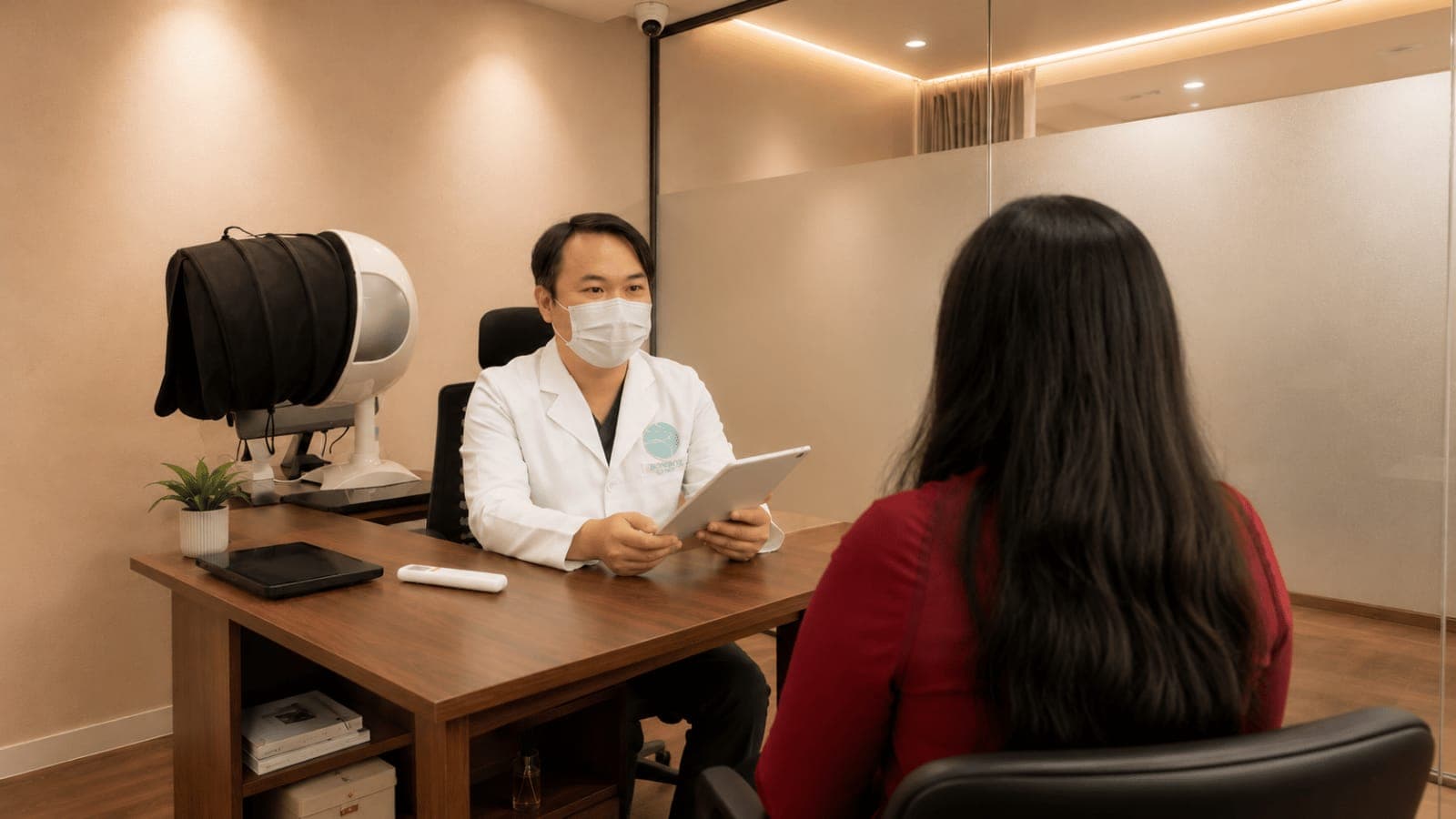
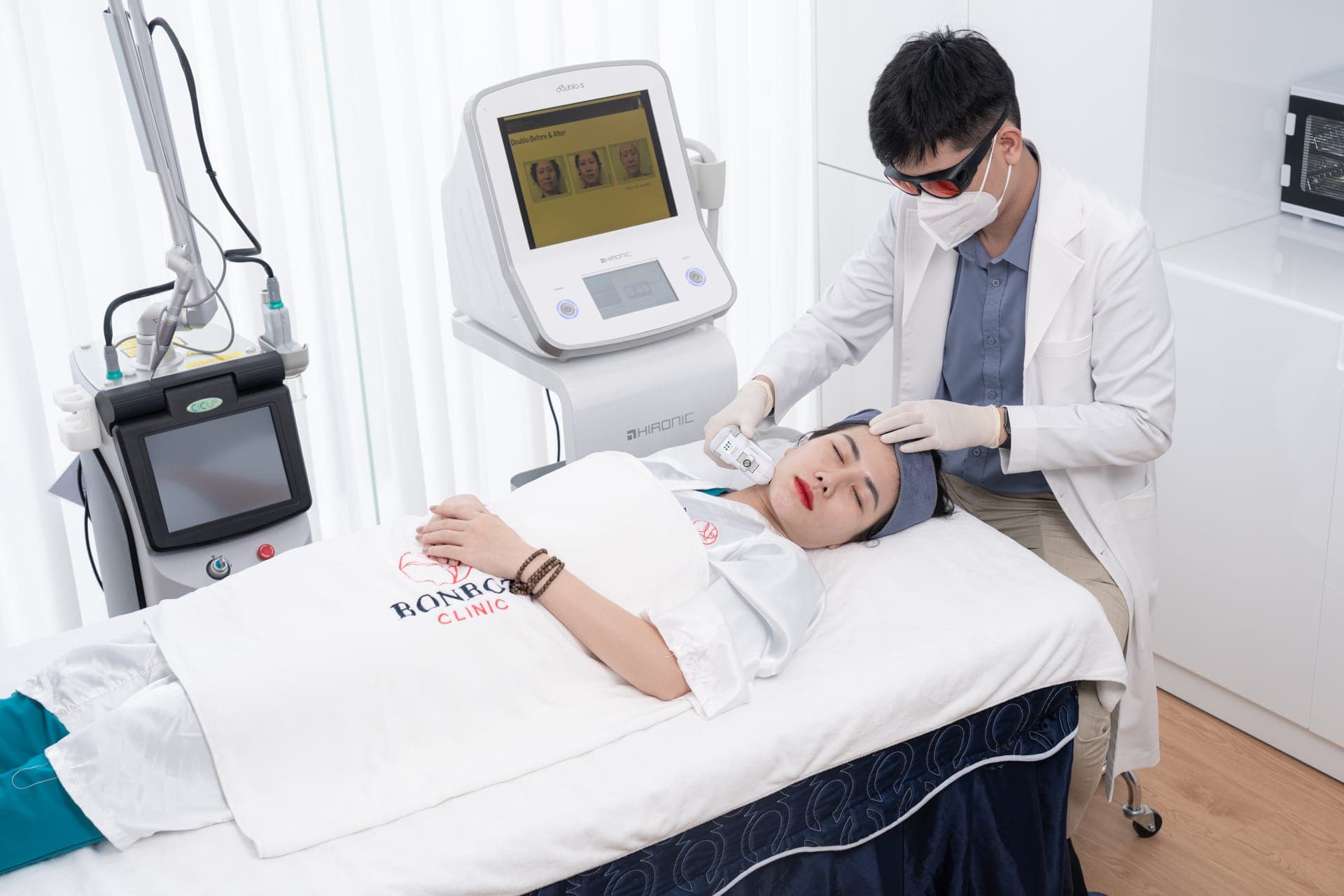
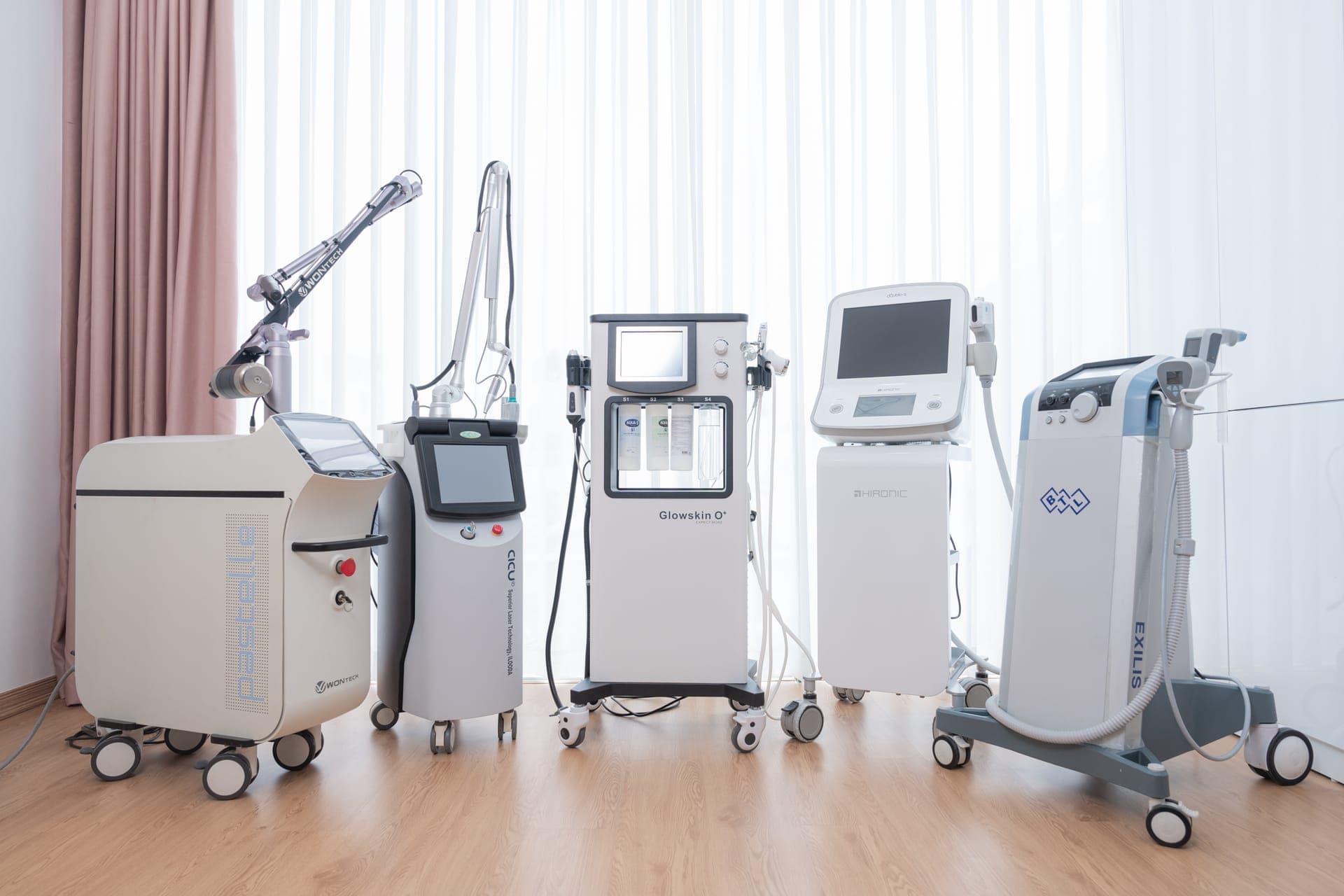
Inside the BonBoz clinic
Book a consultation with a doctor
Choose a date, time slot and doctor — the clinic calls to confirm within 5 minutes during opening hours. Free consultation, no commitment.
Frequently asked questions
Is subcision painful?
How long does bruising last?
Is one session enough?
Is laser treatment needed after subcision?
How does subcision differ from microneedling?
Will it leave scars at the needle entry points?
Can I undergo subcision while taking aspirin?
How long until I see results?
Is filler injected into the subcised area?
Who performs the procedure at BonBoz?
Related topics
- Microneedling Costs: How Pricing Is Determined and When It Is Worth It
- Laser Atrophic Scar Treatment Costs: Per-Session and Package Pricing
- Medical-grade Acne Treatment Cost: Pricing per Session and Full Treatment Plans
- Medical-grade acne extraction: how it differs from spa extractions, the sterilization process, and which types of acne should not be extracted.
- Chemical Peels for Acne, Hyperpigmentation, and Dull Skin: Acid Types, Peel Depths, Procedure, and Contraindications
- Sensitive, Red, and Stinging Skin: A Damaged Skin Barrier Following Improper Treatment and the Recovery Protocol
More from our doctors
What is subcision for acne scar treatment? When is a combination therapy needed?
The mechanism of subcision, why it is ideal for rolling scars, when to combine it with other treatments, and key safety considerations.
How do icepick, boxcar, and rolling scars differ? Which type is more difficult to treat?
Differentiating 3 Types of Atrophic Acne Scars — Ice Pick, Boxcar, and Rolling — and Why Dermatologists Must Classify Them Before Treatment.
What is PRP (Platelet-Rich Plasma) for acne scar treatment? When should it be combined?
What is PRP for acne scars, how does it work, when should it be combined with microneedling/laser, and who is the ideal candidate? Here is everything you need to know to set the right expectations.
Does scar treatment hurt? What each method actually feels like
What it feels like to undergo acne scar treatments with laser, microneedling, TCA Cross, and subcision: Why pain levels vary from person to person, and how to minimize discomfort.
Atrophic scars on the cheeks, forehead, and nose — which area is the most difficult to treat?
How do atrophic scars on the cheeks, forehead, and nose differ in characteristics and treatment response, which areas require extra caution, and what factors ultimately determine the results?