
What is subcision for acne scar treatment? When is a combination therapy needed?
The mechanism of subcision, why it is ideal for rolling scars, when to combine it with other treatments, and key safety considerations.

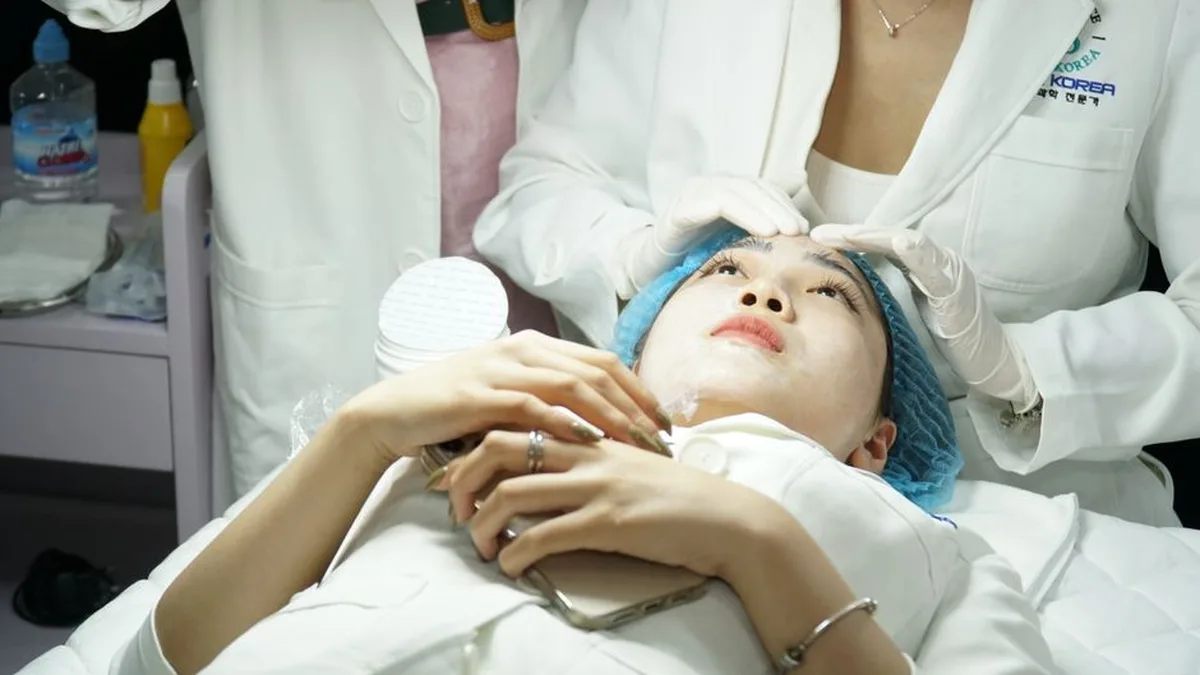
Subcision is a technique that uses a needle or specialized instrument inserted beneath the skin to sever the fibrous bands pulling the base of atrophic scars downward, releasing the scar base so it can elevate. This method is frequently considered for rolling scars tethered beneath the surface, and in many cases, it is combined with lasers or microneedling to achieve superior results — however, as it is a subdermal invasive procedure, it must be performed by a physician.
How does subcision work?
In many atrophic scars, the scar base is tethered downward by underlying fibrous tissue bands, creating persistent depressions. The physician introduces a needle beneath the scar base to sever these fibrous bands, helping release the scar base and allowing it to gradually elevate — a review by Chandrashekar & Nandini (2010, NCBI/PMC) describes subcision as using a hypodermic needle inserted through a puncture site in the skin to break the fibrotic strands tethering the scar to the subcutaneous tissue. Simultaneously, the controlled injury induced during subcision stimulates tissue regeneration, contributing to scar filling over time.
Why is subcision suitable for rolling scars?
Rolling scars typically have wide, shallow bases and are anchored by tethered fibrous bands — precisely the issue subcision targets. NCBI/PMC literature states that subcision is primarily useful for rolling scars (distensible, depressed scars with gentle, sloping edges), and Fabbrocini et al. (2010) describe the hallmark of rolling scars as dermal tethering to the subcutaneous tissue. For this scar type, superficial treatments alone are often insufficient because the root cause lies in the underlying fibrous bands. In contrast, deep and narrow ice pick scars generally require different techniques. Accurate scar classification prior to selecting a treatment method is therefore essential.
Why is subcision often combined with other modalities?
Subcision releases the scar base, but to fill depressions and refine skin texture, physicians frequently combine it with microneedling, lasers, or other regenerative modalities within the same treatment plan or in subsequent sessions. The combination strategy and sequence depend on the specific scar condition; according to NCBI/PMC, subcision can be performed alone or as an adjunct to other procedures such as microneedling or fractional lasers. Therefore, subcision is typically one component within a comprehensive protocol, rather than a standalone solution for all scar types.
Who is a suitable candidate and who should exercise caution?
Subcision is generally considered for individuals with distinct rolling scars and skin free from active, severe inflammatory acne. Individuals prone to bruising, those with bleeding disorders, patients on anticoagulant therapy, individuals with a history of keloid scarring, or those with active skin infections require thorough physician evaluation prior to treatment. Because it is a subdermal needle procedure, subcision must be performed under sterile conditions by a qualified physician.
What post-subcision care is required?
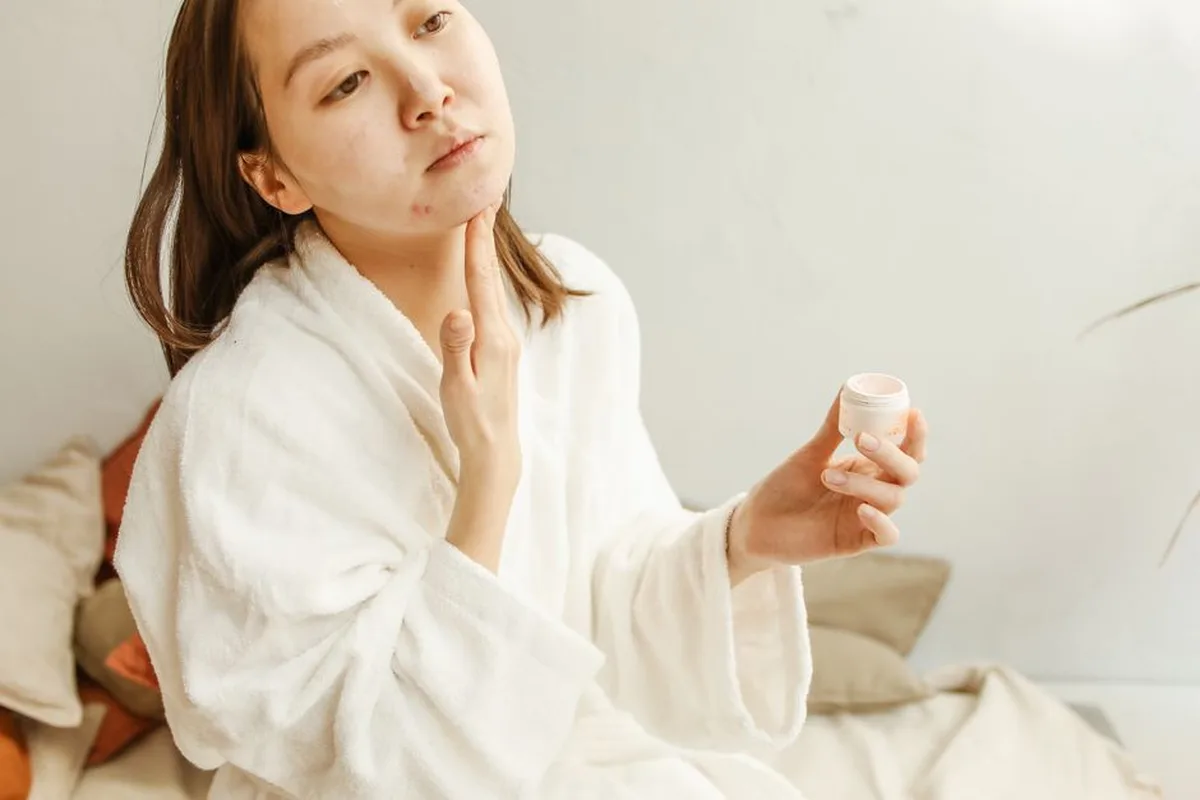
Following the procedure, mild bruising and swelling in the treated area for a few days are common reactions; the area must be kept clean, protected from mechanical trauma, and diligently shielded from sun exposure. NCBI/PMC literature also notes that patients should be counseled in advance regarding the possibility of hematoma and purpuric macules, and local ice packs should be applied on the day of the procedure. Improvement occurs gradually and typically requires multiple sessions or combination therapy, rather than resolving in a single treatment. Adhering to post-care instructions and attending follow-up visits allows the physician to monitor clinical response and adjust the treatment regimen accordingly.
Frequently Asked Questions
Is subcision painful?
Clinics typically administer local anesthesia before the procedure to minimize discomfort — NCBI/PMC notes that subcision is performed under local anesthesia (topical or infiltration). Mild soreness and bruising may occur post-procedure, the extent of which varies based on individual healing tendencies and the number of treated areas; your physician will discuss this in advance.
Does subcision leave new scars?
When performed with proper technique under sterile conditions, this is a well-established procedure in scar management; however, all interventions carry inherent risks, necessitating prior physician assessment of skin characteristics and proper post-treatment care.
How many sessions are needed for noticeable improvement?
The number of sessions depends on scar severity and type, often requiring multiple treatments and multimodal approaches. There is no universal number for all individuals; the degree of improvement varies according to individual physiological response.
If you have rolling atrophic scars and want to know whether you are a candidate for subcision, lasers, microneedling, or a combination approach, have a dermatologist evaluate your skin and classify your scars before selecting a treatment protocol.
References
This article is for reference only and does not replace an in-person examination or a doctor's diagnosis. Actual results vary by individual condition.