
Fractional CO2 Laser for Acne Scars: How It Works and Who Is It For?
How Fractional CO2 Laser Works on Pitted Scars, Number of Sessions, Ideal Candidates, and Post-Treatment Care.
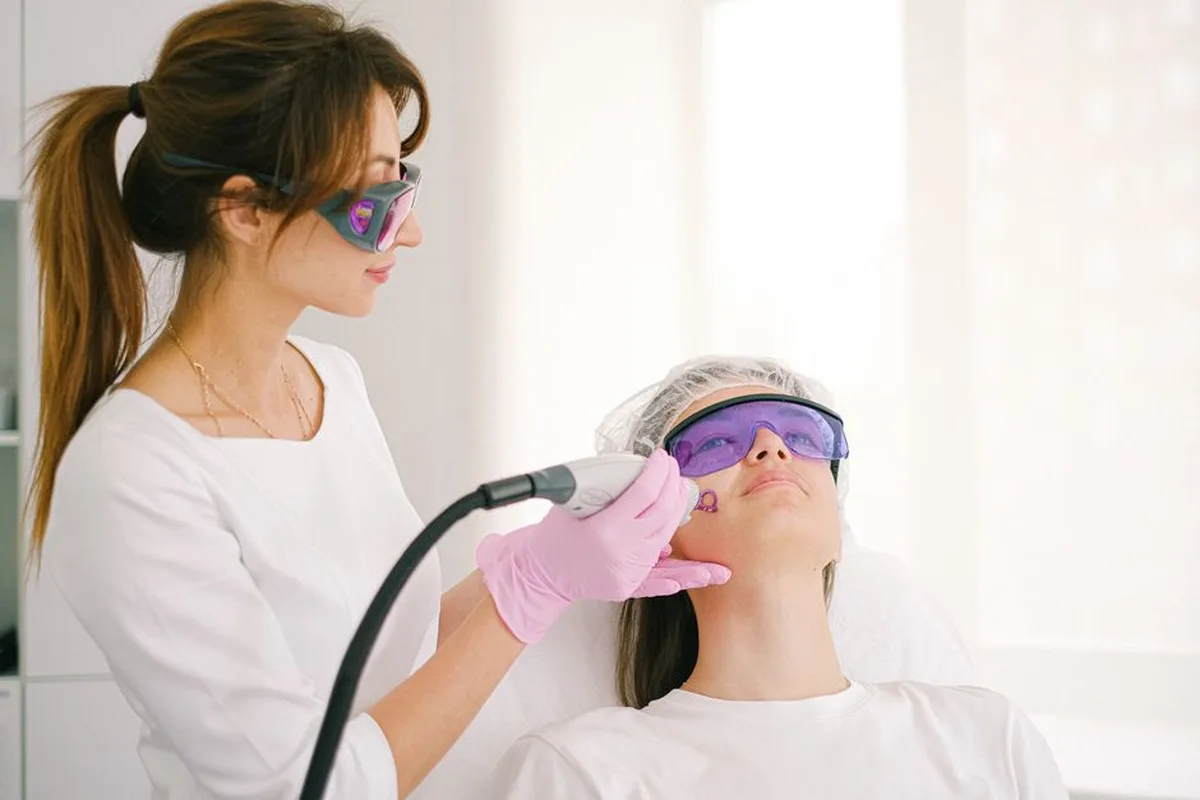
Fractional CO2 Laser is a technology that creates controlled micro-injuries on the skin, stimulating the body's natural collagen production to improve the appearance of atrophic acne scars. However, it is not suitable for everyone, nor is it the only solution — a dermatologist must evaluate your skin type, scar type, and active acne status before prescribing this treatment.
How does Fractional CO2 Laser work?
Instead of targeting the entire skin surface, the laser beam is split into thousands of microscopic treatment zones, penetrating the skin in a "fractional" pattern. These micro-injuries trigger the skin's natural healing process and stimulate new collagen synthesis, gradually lifting the depressed scar tissue. The untreated skin surrounding these micro-zones promotes faster healing compared to traditional fully ablative resurfacing techniques.
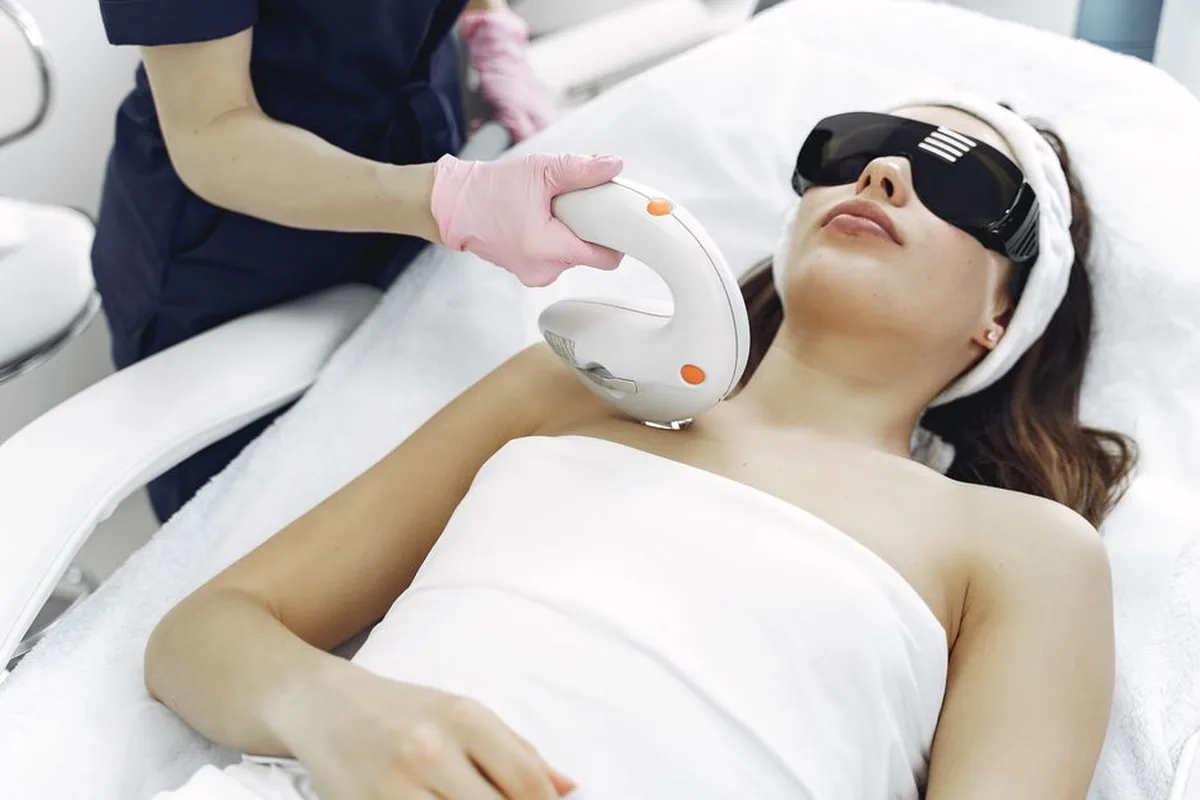
Why are multiple sessions required to see visible results?
Collagen remodeling is a gradual process that takes time, not an overnight fix. Each session delivers an additional layer of stimulation, with results accumulating progressively over multiple treatments spaced several weeks apart. The total number of sessions depends on the depth of the scars and individual skin response, which will be outlined by your doctor during your consultation.
Who is a suitable candidate and who should exercise caution?
Ideal candidates are typically individuals with stable atrophic scars, controlled inflammatory acne, and a desire to improve overall skin texture. Conversely, those with active inflammatory acne, those taking certain medications, or individuals prone to hyperpigmentation require a thorough evaluation by a dermatologist. This is why you should never self-prescribe this treatment without a professional consultation.
What should you expect after the laser treatment?
The skin typically experiences redness, mild warmth, and light peeling during the first few days — which are normal physiological responses of the skin's regenerative process. Proper post-treatment care, especially strict sun protection, plays a crucial role in the final outcome and helps minimize the risk of post-inflammatory hyperpigmentation (PIH). Your doctor will provide a customized skincare regimen tailored to your skin type.
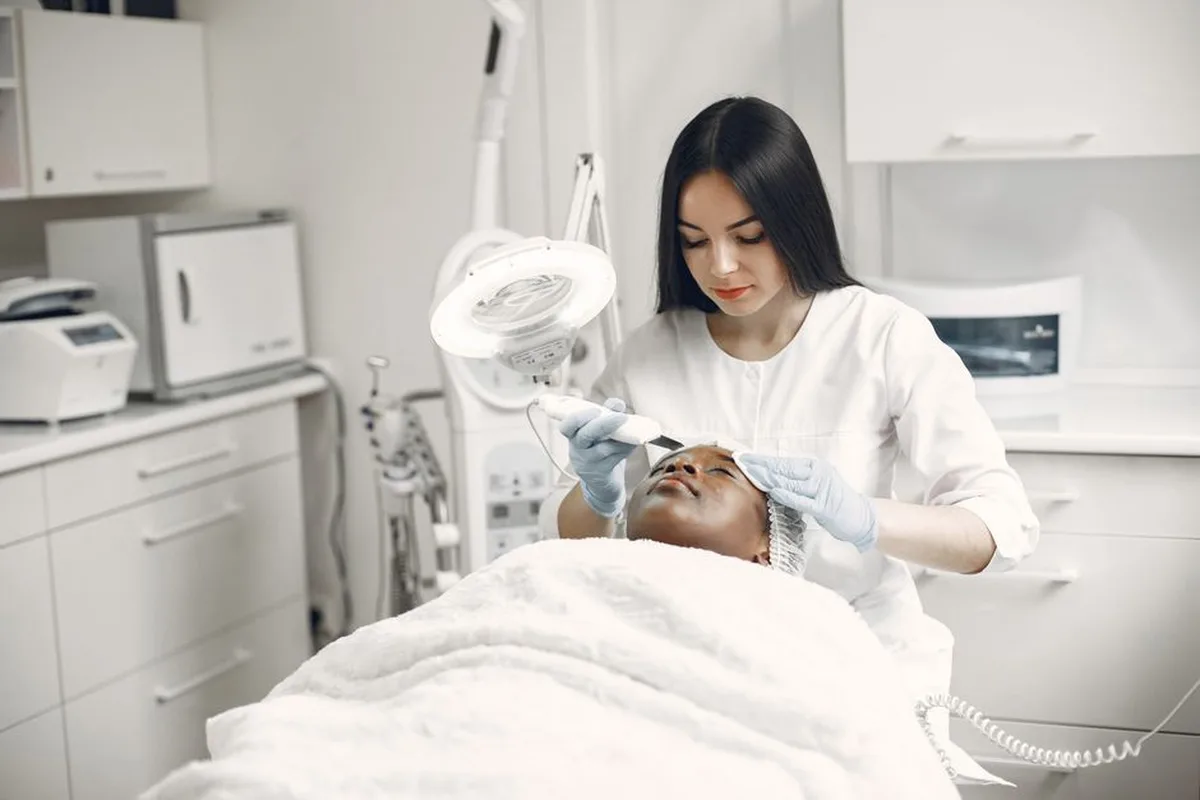
Is Fractional CO2 Laser the only option for acne scars?
No. Depending on the specific type of scar tissue, dermatologists may combine various treatment modalities to achieve optimal results. Fractional CO2 Laser is just one tool in the scar treatment arsenal, not a one-size-fits-all solution for every case.
References
- DermNet — Fractional laser treatment, accessed 3 Oct 2026
- AAD — Acne scars: Diagnosis and treatment, accessed 3 Oct 2026
Frequently Asked Questions
Is Fractional CO2 Laser painful?
Sensation varies depending on individual pain tolerance and the treated area; your doctor will discuss appropriate pain-management options to minimize discomfort prior to the procedure.
How long should I wait between laser sessions?
Sessions are typically spaced several weeks apart to allow the skin sufficient time to heal and regenerate. However, the exact interval will be determined by your doctor based on your skin's recovery progress.
Can darker skin tones undergo Fractional CO2 Laser?
This requires a professional dermatological assessment, as skin types prone to hyperpigmentation demand extra caution; patients should not make this decision on their own.
To find out if your acne scars are suitable for laser resurfacing or if another treatment path is more appropriate, schedule a consultation with our specialists for a personalized assessment.
This article is for reference only and does not replace an in-person examination or a doctor's diagnosis. Actual results vary by individual condition.