
Medically reviewed by Dr. Kim Kha, MSc, Specialist I — BonBoz Clinic
Post-Laser Skin Care: How Long Should You Avoid Sun Exposure for Healthy Skin?
After laser treatment, avoid direct sun for about 1–2 weeks or longer depending on the laser and your skin; how to protect the treated area day by day.
Post-Laser Skincare: How Long Should You Avoid Sun Exposure for Healthy Skin Recovery?
Quick Summary: After undergoing laser treatment, you need to avoid direct sun exposure for approximately 1–2 weeks to protect your sensitive skin and support the regeneration process. Adhering to guidelines such as using SPF 50+ sunscreen, wearing protective clothing, and moisturizing properly will help prevent post-inflammatory hyperpigmentation and unwanted complications. If you notice any unusual signs, such as prolonged erythema or excessive peeling, contact your doctor promptly for an evaluation.
At BonBoz Clinic — a Dermatology & Aesthetic Clinic licensed by the Ho Chi Minh City Department of Health (Operating License No. 11113/HCM-GPHĐ), located at 66–68 Vo Van Tan, HCMC, we understand the critical importance of post-laser skincare. Dr. Kim Kha, MSc, Specialist Level I in Aesthetic Dermatology (Practicing Certificate No. 009784/ĐL-CCHN issued by the Dak Lak Department of Health) with over 8 years of experience in acne treatment and non-surgical aesthetic procedures, provides comprehensive insights on the necessary sun avoidance period for healthy skin recovery.
Expert Insight: "Following laser treatment, avoiding direct sunlight for 1–2 weeks and applying broad-spectrum SPF 50+ sunscreen are vital to ensuring safe recovery and preventing hyperpigmentation." — Dr. Kim Kha, MSc, Specialist Level I Strict compliance with post-laser skincare instructions is a fundamental clinical principle in aesthetic dermatology.
How Long Should You Avoid the Sun After Laser Treatment?
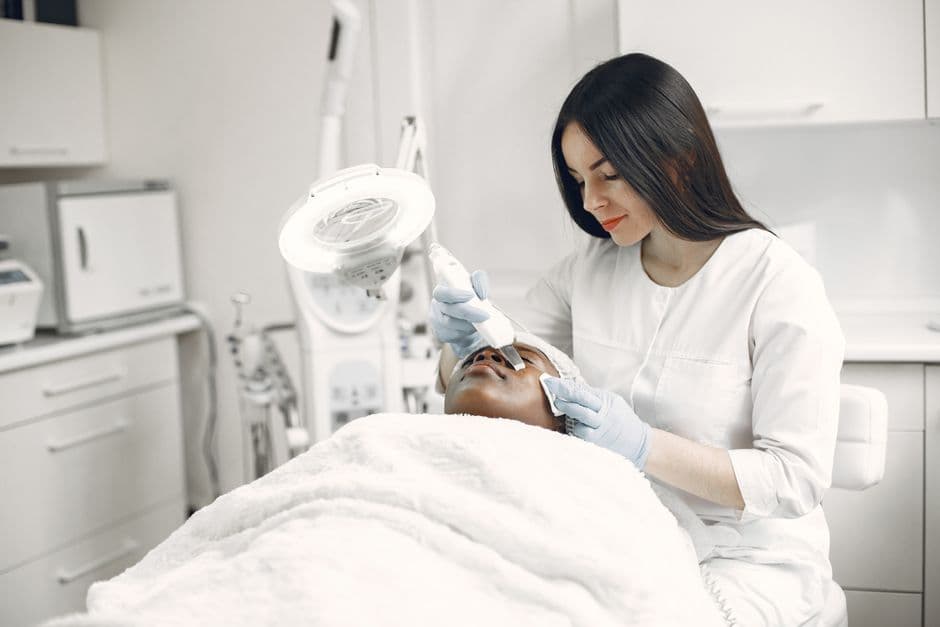
After laser therapy, you should avoid direct sunlight for about 1–2 weeks because your skin is exceptionally sensitive to ultraviolet radiation. The exact duration depends on the laser modality, treatment intensity, and individual skin characteristics; your physician will provide personalized guidance tailored to your specific regimen. According to the American Academy of Dermatology (AAD), sun protection is essential until the skin has completely healed.
Why is this necessary? Laser devices deliver controlled micro-injuries to stimulate tissue regeneration. During this phase, the skin temporarily loses its natural epidermal barrier, making it vulnerable to UV damage. Sun exposure can trigger post-inflammatory hyperpigmentation (PIH), skin eruptions, or delayed wound healing — as noted by the American Academy of Dermatology (AAD), sunlight can darken recently treated skin areas.
What Should You Do During the First Week?
The first week is the most critical stage. You should:
- Stay indoors or seek shade, limiting outdoor activities between 10:00 AM and 4:00 PM.
- Apply a Broad Spectrum SPF 50+ sunscreen daily, even while indoors, as UVA rays can penetrate standard window glass — according to the American Academy of Dermatology (AAD).
- Reapply sunscreen every 2 hours when spending time outdoors.
- Wear wide-brimmed hats, UV-protective sunglasses, and long-sleeved clothing for added physical defense.
- Avoid hot water when washing; use lukewarm or cool water instead.
How to Care for Skin During the Healing Phase?
In addition to sun protection, comprehensive aftercare is essential:
- Cleanse gently with a mild, non-irritating cleanser; avoid scrubbing or mechanical friction.
- Use soothing lotions or hydrating facial masks to support optimal barrier repair.
- Maintain adequate hydration by drinking sufficient water daily.
- Discontinue cosmetic products containing exfoliating acids (AHAs/BHAs), retinoids, or harsh active ingredients for 1–2 weeks.
- Do not pick, pop blemishes, or touch your face frequently.
If your skin begins to peel or flake (a normal physiological response), do not scrub or manually exfoliate. Allow the dead skin to shed naturally, and apply a moisturizer to soothe dryness.
When Can You Return to Your Normal Routine?
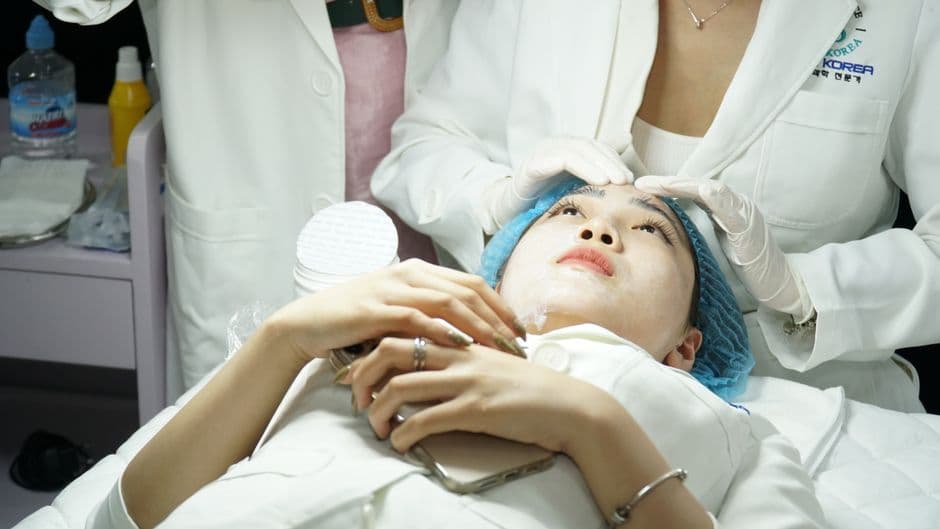
After 2–3 weeks, the skin barrier is generally more stable, but continuous precautions are still required:
- Maintain daily use of SPF 50+ sunscreen for months afterward — according to the American Society of Plastic Surgeons (ASPS), daily sun protection remains mandatory even after initial re-epithelialization.
- Once the skin is fully healed (no lingering erythema or desquamation), you can gradually resume standard sun exposure with proper UV protection.
- Avoid intentional sunbathing and tanning beds for several months post-treatment.
Remember that cellular turnover and deep remodeling continue beneath the surface, meaning residual photosensitivity persists longer than it visibly appears.
What Warning Signs Require Medical Attention?
Contact your physician if you experience any of the following symptoms post-laser:
- Persistent erythema (redness) lasting longer than 2 weeks.
- Persistent pruritus (itching) or a burning sensation.
- Excessive desquamation, blistering, or open skin ulcerations.
- Hyperpigmentation presenting as dark patches or abnormal discoloration.
These symptoms indicate that the skin may require clinical intervention or a follow-up assessment by a dermatologist.
Why Do Sun Avoidance Timelines Differ Between Lasers?
Not all laser modalities involve the same recovery parameters. Ablative lasers such as Fractional CO₂ or Erbium (which are more intensive, aimed at skin resurfacing and deep acne scar remodeling) require significantly longer sun avoidance compared to non-ablative, collagen-stimulating lasers.
This is why clinical post-care protocols must be strictly personalized — according to the American Academy of Dermatology (AAD), adhering to your dermatologist's home-care instructions enhances procedural outcomes and minimizes adverse reactions. Your physician at BonBoz will specify the precise aftercare protocol for your particular treatment.
Conclusion
In summary, direct sun avoidance is recommended for 1–2 weeks post-laser. However, comprehensive aftercare is equally critical: consistent broad-spectrum photoprotection, adequate skin hydration, avoiding chemical irritants, and monitoring your skin's recovery.
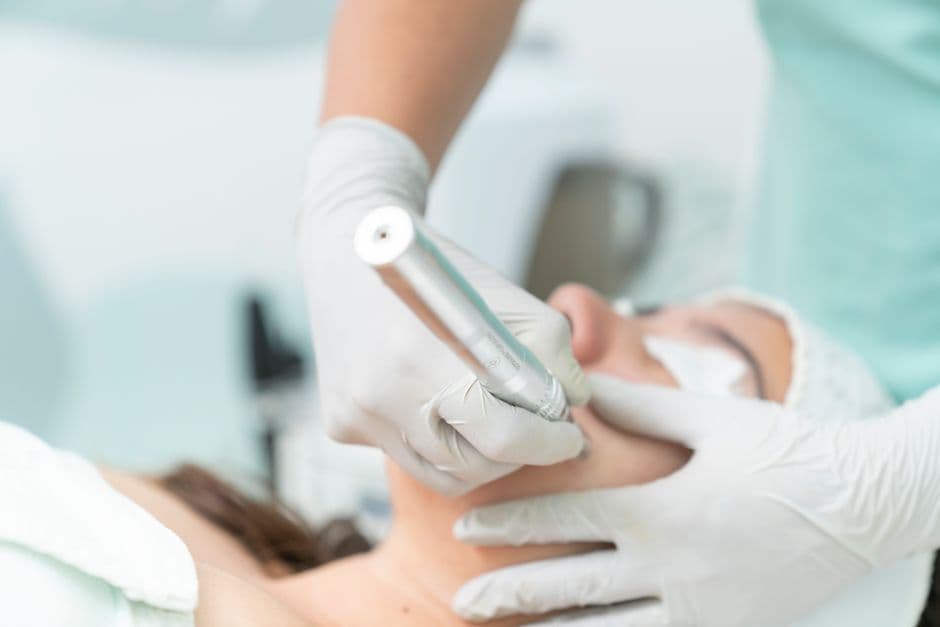
Healing trajectories vary by individual. If your skin experiences prolonged redness, swelling, or if you have concerns regarding post-care, contact BonBoz for a professional clinical evaluation. We are committed to supporting you throughout your skin recovery process.
Content compiled and medically reviewed by the clinical team at BonBoz Clinic.
Frequently Asked Questions
How long should I avoid the sun after a laser procedure?
You should avoid direct sunlight for approximately 1–2 weeks after laser treatment. The exact timeframe varies depending on the laser technology used, procedural parameters, and individual skin healing capacity.
What is the most effective way to use sunscreen for post-laser protection?
Apply a Broad Spectrum sunscreen with SPF 50+ daily, even when indoors. When exposed to outdoor environments, reapply every 2 hours and combine with physical protection such as wide-brimmed hats, sunglasses, and UV-protective clothing.
Do all laser treatments share the same sun avoidance period?
No. More aggressive ablative technologies, such as CO₂ or Erbium lasers (commonly used for deep resurfacing and acne scar revision), necessitate longer, more rigorous sun avoidance and post-care compared to milder collagen-stimulating lasers.
When should I contact my doctor immediately after laser treatment?
Notify your physician promptly if you develop red flag symptoms: erythema persisting beyond 2 weeks, continuous itching or burning, excessive skin peeling, ulceration, or the appearance of dark, irregular hyperpigmentation.
1. Besides sun avoidance, what other post-laser recovery steps should I follow?
Keep your skin clean, adequately moisturized, and avoid harsh active ingredients such as retinoids, AHAs, or BHAs during the initial recovery phase. Avoid high-temperature environments such as saunas and hot showers, as well as strenuous exercise that causes heavy sweating. Most importantly, follow all specific instructions provided by your BonBoz Clinic physician to ensure safe and effective recovery.
2. When can I wear makeup or resume my normal skincare routine after laser treatment?
The timeline varies depending on the laser modality and your skin's healing speed. Generally, you should wait at least 3–7 days, or until the skin has completely epithelialized and shows no signs of irritation. Your BonBoz Clinic doctor will advise you on the exact timeframe to safely resume your standard skincare regimen and cosmetics.
References
- American Academy of Dermatology (AAD) — 10 things to know before having laser treatment for your scar, accessed 02/09/2026
- American Academy of Dermatology (AAD) — Acne scars: How to care for your skin after treatment, accessed 02/09/2026
- American Academy of Dermatology (AAD) — Sunscreen FAQs, accessed 02/09/2026
- American Society of Plastic Surgeons (ASPS) — Laser Skin Resurfacing Recovery, accessed 02/09/2026
This article is for reference only and does not replace an in-person examination or a doctor's diagnosis. Actual results vary by individual condition.