
Medically reviewed by Dr. Kim Kha, MSc, Specialist I — BonBoz Clinic
Post-Acne Extraction Care at the Spa: Secrets to Preventing Dark Spots and Scarring
Facial extraction aftercare step by step: what to apply, what to avoid and for how long, so extracted spots heal without dark marks or scars — guidance from a BonBoz dermatologist.
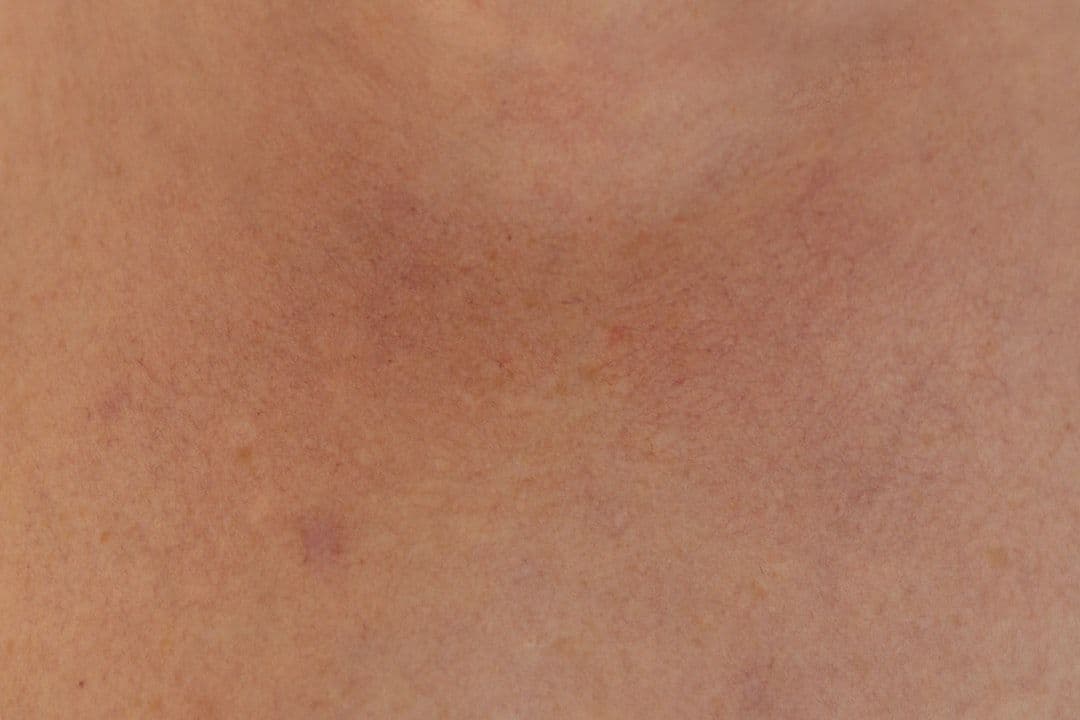
Post-Acne Extraction Skincare at the Spa: Secrets to Preventing Dark Spots and Scarring
Quick Summary: Proper skincare after acne extraction at a spa is the deciding factor in helping the skin recover smoothly and avoiding dark spots and scarring. This regimen requires gentle cleansing, soothing hydration, and strict sun protection. Additionally, avoiding bad habits and recognizing early warning signs to consult a doctor promptly are extremely important.
At BonBoz Clinic (Operating License No. 11113/HCM-GPHĐ, 66–68 Vo Van Tan, HCMC), we fully understand the importance of proper post-extraction skincare to prevent dark spots and scarring. Dr. Kim Kha, MSc, Specialist I in Aesthetic Dermatology, holding Medical Practice Certificate No. 009784/ĐL-CCHN issued by the Dak Lak Department of Health, with over 8 years of experience in acne treatment, provides professional guidance in this article. These insights are drawn from clinical practice to help you establish a medical-grade skincare routine.
Why Is Post-Acne Extraction Skincare So Important?
To prevent dark spots and scarring after acne extraction at a spa, proper extraction technique and immediate post-care are equally important: gentle cleansing, proper hydration, and strict sun protection during the recovery days. When extracting acne, whether at a spa or at home, you are directly impacting the skin layers; if done with incorrect techniques or without meticulous post-care, the damaged skin tissue can easily leave scars or long-lasting dark spots.
Therefore, BonBoz advises: acne extraction is only the first step. The following days will determine the final result—whether your skin recovers smoothly or leaves behind unwanted marks.
Skincare Steps Immediately After Acne Extraction
Gentle Cleansing
- Wash your face with cool water and a gentle cleanser, avoiding rubbing the freshly extracted areas.
- Use your hands or clean, sterilized cotton pads.
- Avoid products containing acids (BHA, AHA) for the first 24–48 hours.
Hydration and Protection
After cleansing, your skin needs immediate hydration. We recommend:
- A gentle serum or toner to balance moisture.
- A non-irritating moisturizer (oil-free and fragrance-free).
- If the extracted spots are not completely dry, wait a few minutes before applying moisturizer.
Sun Protection
Sunlight can darken damaged skin areas, making dark spots and scars more visible. Therefore:
- Use a sunscreen with SPF 30 or higher daily, even when staying indoors.
- Reapply sunscreen every 2 hours when outdoors, as recommended by the American Academy of Dermatology (AAD).
- If possible, shield the damaged skin with a hat, face mask, or protective clothing.

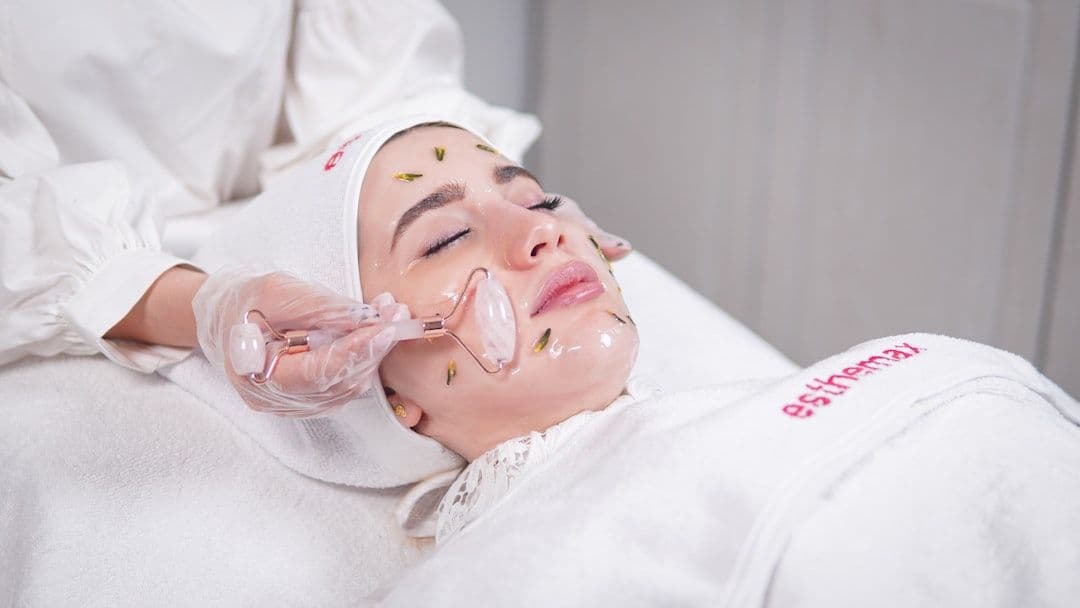
Things to Avoid for 1–2 Weeks After Acne Extraction
Here are the habits you should stop immediately:
- Do not touch the freshly extracted areas—even if they itch or form scabs.
- Avoid activities that cause excessive sweating—such as running, yoga, or intense gym workouts.
- Do not use skincare products containing strong active ingredients—such as retinoids, high-concentration vitamin C, or exfoliants.
- Avoid heavy makeup coverage—if you must wear makeup, use it sparingly and choose products safe for sensitive skin.
- Avoid inflammatory foods—such as sweets and greasy, deep-fried foods.
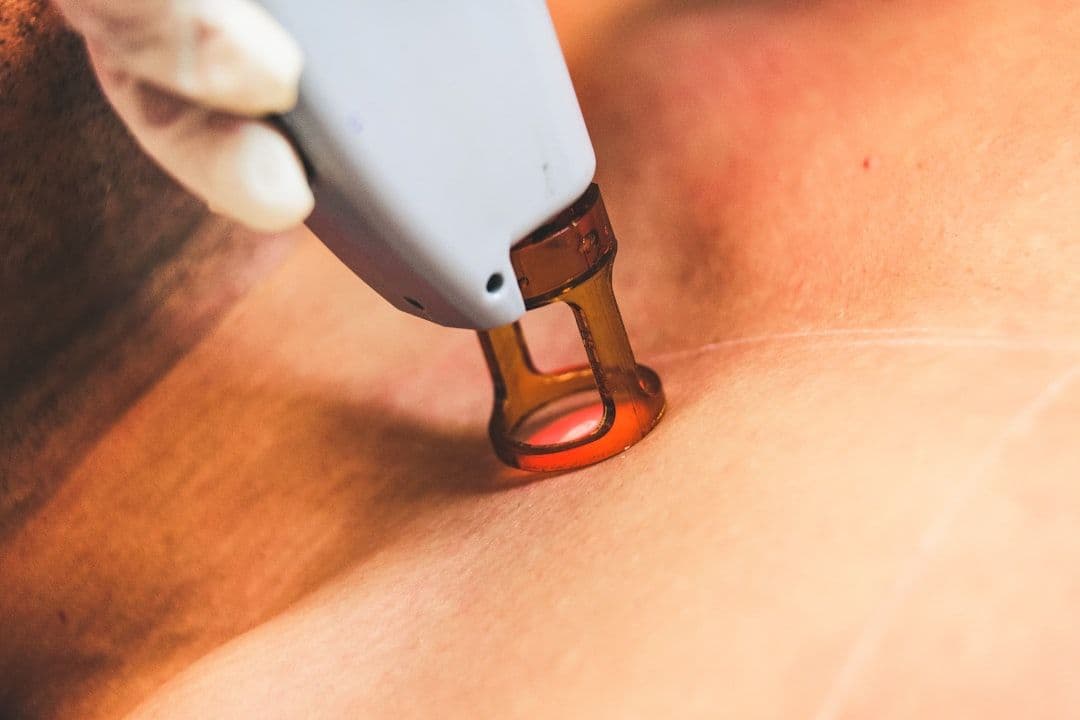
When Should You Return to the Spa for Further Care?
If you want to ensure optimal results, BonBoz offers advanced skincare services such as technology-based acne treatments or skin recovery therapies to enhance the post-extraction healing process.
Typically, you should return after:
- 1 week: if your skin remains swollen, or if you want further consultation on a personalized skincare routine.
- 2–3 weeks: to check the healing progress of the extracted areas, especially if new scars are forming.
- 1–2 months: if you want early intervention for dark spots and scars using specialized methods.
Warning Signs to See a Doctor Immediately, Do Not Treat at Home
If the extracted area develops spreading redness and swelling accompanied by pus or abnormal discharge, fever, or pain that progressively worsens instead of subsiding after a few days of proper care, consult a dermatologist immediately instead of continuing self-treatment at home.
Conclusion
Post-extraction skincare at a spa is not just about cleanliness, but about how you "cherish" your skin during its recovery days. If you are unsure about the next steps, or if your skin shows abnormal signs after extraction, visit BonBoz for a direct examination and consultation with our doctors. We will help you find the most suitable care routine for your skin.
This content is compiled and medically reviewed by the professional medical team at BonBoz Clinic.
See also: 5 Criteria for Choosing a Reputable Aesthetic Dermatology Clinic in HCMC
Frequently Asked Questions
How long after acne extraction can I resume using products containing AHA/BHA or retinoids?
You should avoid using acid-containing products like AHA and BHA for the first 24–48 hours. For skincare products containing strong active ingredients such as retinoids, high-concentration vitamin C, or physical/chemical exfoliants, temporarily discontinue them for about 1–2 weeks after acne extraction to allow the skin to fully recover.
Do I need to apply sunscreen when staying indoors after acne extraction?
Yes. You should use a sunscreen with an SPF of 30 or higher daily, even when staying indoors. If you must go outside, reapply every 2 hours and protect the skin thoroughly with a hat and face mask to prevent the damaged areas from darkening.
When can I wear makeup normally again?
During the first 1–2 weeks after acne extraction, you should limit heavy makeup. If makeup is necessary, use a minimal amount and prioritize lightweight products that are safe for sensitive skin to avoid clogging pores.
How do I know if my skin is infected after extraction and needs medical attention?
If the extracted area exhibits spreading swelling, redness, pus, or abnormal discharge, accompanied by a fever or pain that increases instead of subsiding after a few days, you must see a dermatologist immediately for timely medical treatment.
1. Should I extract more acne on my own or touch the freshly extracted skin?
Absolutely not. You should never attempt to extract acne yourself or touch the skin that has just been treated at the spa. This action can cause infection, worsen skin damage, lead to dark spots and scarring, and prolong the recovery time. Let the skin heal naturally and strictly follow the care instructions from professionals.
2. After acne extraction, what skincare ingredients should I prioritize to help the skin recover quickly and avoid dark spots and scarring?
After extraction, prioritize gentle, non-irritating products that hydrate and restore the skin barrier. Ingredients such as Hyaluronic Acid, Ceramides, Vitamin B5 (Panthenol), or Centella Asiatica extract can help soothe the skin and promote the healing process. For the most suitable skincare regimen, you should consult a specialist doctor at BonBoz Clinic.
This article is for reference only and does not replace an in-person examination or a doctor's diagnosis. Actual results vary by individual condition.