
Should Blackheads Be Popped?
You should not extract blackheads at home. Improper extraction can easily lead to inflammation, post-inflammatory hyperpigmentation (PIH), and scarring—it is best to cleanse properly and let professionals handle the procedure when thorough removal is needed.
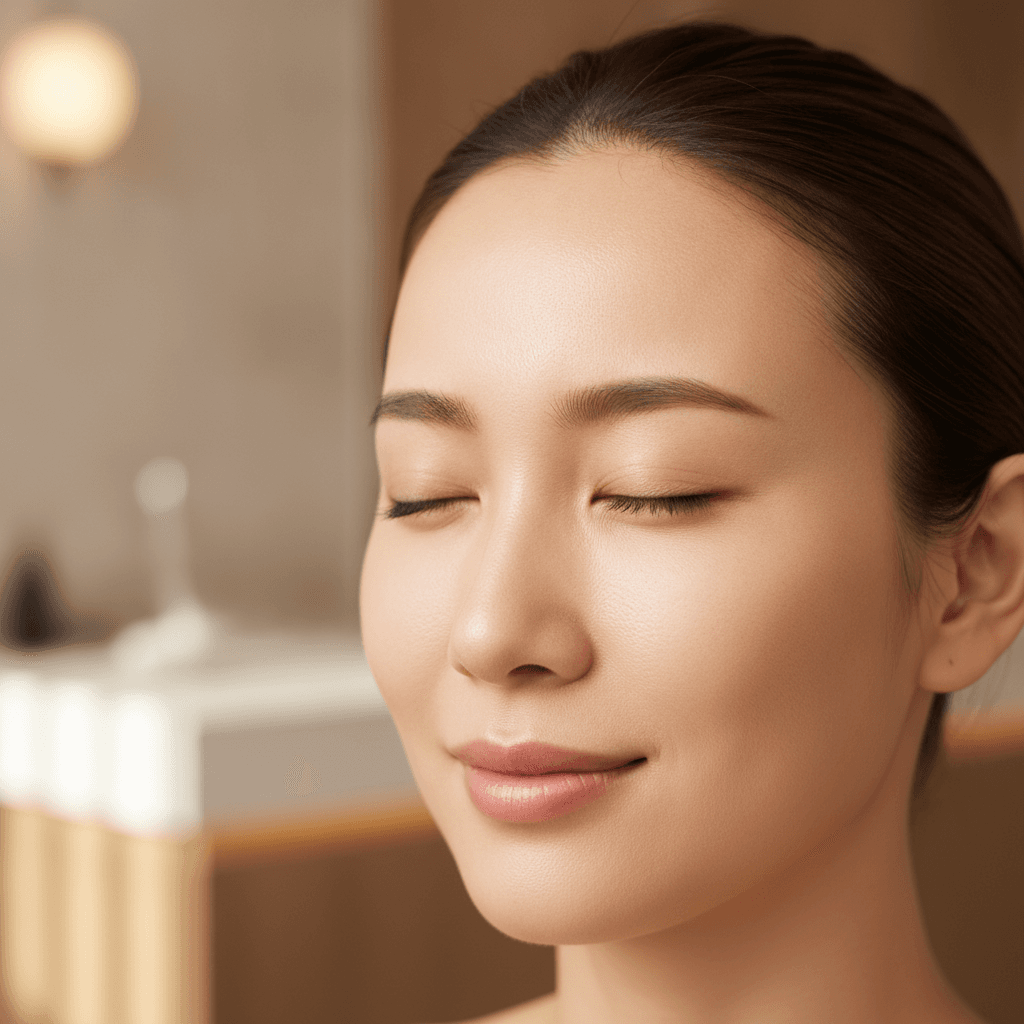
Quick Summary: You should not extract blackheads yourself at home — it easily leads to inflammation, hyperpigmentation, and scarring. For thorough and definitive treatment, have a dermatologist perform the extraction using sterile instruments.
Blackheads are an extremely common type of acne, especially on the nose and nasal ala (alar base), where sebaceous glands are highly active. When visible black dots appear on the skin, it is tempting to squeeze them right away. However, this is one of the most common mistakes in at-home acne care — and here is why.
What Are Blackheads?
Blackheads form when your pores become clogged with sebum and dead skin cells, while the pore opening remains exposed to the air. As the trapped core is exposed to oxygen, it oxidizes and turns black or dark brown. This is not accumulated dirt as many commonly believe, but a natural oxidation process of sebum — which means no matter how thoroughly you wash your face, surface cleansing alone will not make blackheads disappear.
Blackheads differ from whiteheads in that whiteheads are covered by a thin layer of skin over the pore opening, preventing the core from contacting air and changing color. While both are non-inflammatory acne, each requires a specific approach for effective treatment.
Quick Comparison Table
| Criteria | At-Home Blackhead Extraction | Professional Blackhead Treatment |
|---|---|---|
| Mechanism | Typically performed using fingers or non-professional tools without proper hygiene and uncontrolled pressure. | Dermatologists/specialists use sterile medical instruments with precise techniques for extraction, potentially combined with supportive therapies. |
| Safety & Risk Level | High risk of infection, skin trauma, widespread inflammation, and bacterial spread. | Higher level of safety due to medical-grade protocols, sterile instruments, and correct technique, minimizing risks. |
| Extraction Efficacy | Often fails to remove deep comedones; prone to rupturing hair follicles, pushing the core deeper, or worsening the condition. | Thoroughly removes comedones, deeply purifies pores, reduces new breakout formation, and improves skin texture. |
| Potential Complications | Highly prone to post-inflammatory hyperpigmentation (PIH), atrophic scars, keloids, folliculitis, and worsening cystic/pustular acne due to trauma and infection. | Minimizes complications when performed with proper technique followed by expert-guided post-treatment care. |
| Suitable Candidates | Not recommended for anyone due to high risks and potential skin damage. | Suitable for all cases of blackheads, especially severe, deep-seated comedones, or sensitive, fragile skin requiring medical intervention. |
| Long-term Results | High recurrence rate; skin condition may deteriorate due to cumulative damage without root-cause management. | Helps improve skin structure and reduces recurrence when combined with a prescribed skincare regimen and maintenance therapy. |
Why Should You Avoid Extracting Blackheads at Home?
Extracting blackheads at home carries substantial risks. Your hands and regular extraction tools are rarely completely sterile, making it easy to introduce bacteria into compromised skin. Applying uncontrolled force can tear or overstretch the follicle, leaving you with permanently enlarged pores in that area — the exact opposite of your goal.
Excessive pressure can also force part of the comedone deeper into the dermis rather than expelling it, triggering inflammation and creating new inflammatory breakouts at the site. Common consequences of improper extraction include persistent post-inflammatory hyperpigmentation (PIH), visibly enlarged pores, or in severe cases, atrophic scars — problems that are far more difficult to resolve than the initial blackheads.
How Should You Properly Treat Blackheads?
Instead of squeezing them yourself, start with proper and consistent skin cleansing to minimize sebum accumulation. Use products tailored to your specific skin condition as prescribed by a dermatologist, rather than choosing products based on advertisements or online reviews. While some rely on pore strips or store-bought extraction tools, these only remove surface-level debris and fail to address the underlying follicular congestion — causing blackheads to recur quickly without proper, comprehensive skincare.
For widespread or stubborn blackheads, the safer and more definitive solution is to have a dermatologist perform comedone extraction using specialized, sterile instruments in a clinical setting. At BonBoz, our acne treatment protocol consists of 3 steps:
- 1Clinical examination to accurately assess your skin condition.
- 2Targeted intensive treatment according to clinical indications.
- 3Post-treatment skin barrier restoration and recovery care to minimize recurrence.
During your treatment period, please keep in mind:
- Limit your intake of sweets and dairy.
- Avoid alcohol and tobacco.
- Apply sunscreen consistently.
- Do not use additional skincare products without medical guidance.
When Should You See a Doctor Instead of Self-Treating?
If you have tried multiple methods and your blackheads persist, or if you notice redness and inflammation after attempting extractions, it is time to consult a dermatologist. A direct clinical examination provides an accurate diagnosis of your skin condition and an appropriate treatment plan, sparing you the guesswork of online information.
Read more: 5 Criteria for Choosing a Reputable Dermatology and Aesthetic Clinic in HCMC
Frequently Asked Questions
Will blackheads go away on their own without extraction?
With proper skincare — appropriate cleansing and sebum control — blackheads can gradually diminish over time. However, if your sebaceous glands are highly active, they tend to recur without consistent maintenance care.
Are pore strips safe to use?
Pore strips can remove superficial parts of the comedone, but they do not resolve the underlying clog and may cause skin irritation if used too frequently. They are not a substitute for proper skincare or professional medical evaluation when needed.
Is blackhead extraction at a spa safer than doing it at home?
It is safer only if the spa or clinic ensures fully sterile instruments and properly trained practitioners. You should prioritize medical facilities where dermatologists examine your skin prior to treatment, rather than extraction services that lack verified sterilization standards.
How do blackheads differ from closed comedones (hidden acne)?
Blackheads have an open pore surface that oxidizes and turns dark, whereas closed comedones sit entirely beneath the skin barrier without an exposed opening and do not change color. Consequently, each requires a different clinical approach.
BonBoz Aesthetic & Dermatology Clinic — 66–68 Vo Van Tan, Xuan Hoa Ward, HCMC.
1. How can I prevent blackheads from recurring?
To prevent blackheads, maintain a consistent facial hygiene routine using suitable cleansers and gentle exfoliation. Avoid oil-based or comedogenic products. If blackheads recur persistently, a consultation with a specialist at BonBoz Clinic will help identify the root cause and establish an effective skincare regimen.
References
- Do not pop, squeeze, or pick at acne: doing so prolongs healing time and increases the risk of scarring and post-inflammatory hyperpigmentation (PIH) — according to the American Academy of Dermatology (AAD), aad.org.
This article is for reference only and does not replace an in-person examination or a doctor's diagnosis. Actual results vary by individual condition.