
Oily, shiny skin
Oily skin occurs when overactive sebaceous glands produce excess sebum, leaving the face shiny and greasy within a few hours, accompanied by visible pores prone to clogging and closed comedones. The primary causes are genetics and androgen hormones, compounded by heat and humidity, stress, and improper skincare—such as over-cleansing or using harsh, drying products, which triggers compensatory oil production.
Compiled from BonBoz Clinic clinical documentation — currently in medical review
What Causes Oily Skin?
The size and activity of sebaceous glands are determined by genetics and androgen hormones, which is why oily skin typically begins during puberty and persists over time. High temperatures and humidity (such as Vietnam's climate) cause sebum to liquefy and spread more rapidly across the skin's surface. Stress and sleep deprivation also increase oil production via cortisol. Lastly, skincare habits play a role: over-washing, using harsh foaming cleansers, applying alcohol-based toners, and skipping moisturizer dehydrate the upper layers of the skin, triggering the sebaceous glands to overcompensate by producing even more oil.
Truly Oily Skin vs. Dehydrated Skin Overcompensating with Oil
Truly oily skin presents with uniform shine across the entire face, enlarged pores on the cheeks, and rarely feels tight or irritated. In contrast, dehydrated skin overcompensating with oil is shiny in the T-zone while the cheeks feel tight, mildly flaky, or experience a stinging sensation upon product application—indicating a compromised skin barrier that must be repaired before addressing oil control. Confusing these two conditions is why many individuals find their skin becoming progressively oilier the more mattifying products they use.
How Is Oily Skin Linked to Congested Pores and Enlarged Pores?
Excess sebum mixes with dead skin cells to form follicular plugs, resulting in closed comedones and blackheads. As hair follicles become chronically distended with sebum over time, pores appear enlarged, particularly on the nose and inner cheeks. Controlling excess oil is the foundational step in improving both associated concerns.
What Determines the Degree of Improvement?
Genetically predisposed oily skin cannot be permanently "cured," but it can be effectively managed: a proper skincare routine visibly reduces shine; topical active ingredients (retinoids, niacinamide, exfoliating acids) decrease sebum production and prevent congestion; and in-clinic procedures like chemical peels and laser toning provide additional support when indicated. Sustained results depend on maintaining consistent skincare habits.
How Does BonBoz Approach Oily Skin?
Our dermatologists conduct a thorough skin analysis to distinguish truly oily skin from dehydrated skin and to assess the extent of congestion and underlying comedones. The treatment protocol includes a streamlined, targeted skincare routine for oily skin, step-up concentrations of sebum-regulating active ingredients, medical-grade comedone extractions, and periodic chemical peels for significant congestion; laser toning is utilized for enlarged pores and excessive shine when appropriate. The dermatologist closely monitors progress and tailors the regimen based on the skin's actual clinical response.
Severity levels
1
Mild — T-zone becomes shiny after half a day
Mainly adjust the skincare routine and switch to a lightweight sunscreen; monitor progress.
2
Moderate — shiny all over the face, closed comedones, enlarged pores
Add sebum-regulating active ingredients, perform comedone extractions, and undergo periodic chemical peels as directed by a doctor.
3
Severe — heavy oil production accompanied by recurrent inflammatory acne
Concurrent acne treatment protocol, which may include prescribed oral medication; supportive clinical procedures once inflammation is well under control.
When should you see a doctor?
- Shiny skin accompanied by tight, flaking cheeks and a stinging sensation upon product application—signs of dehydration that worsen with excessive oil control.
- Persistent congested acne/closed comedones clustered along the cheeks and chin despite using oil-control products.
- A sudden surge in oiliness accompanied by breakouts, hirsutism, or irregular menstrual cycles—requiring endocrine evaluation.
- You are considering aggressive procedures for "oil reduction" without a prior clinical skin analysis.
How BonBoz treats it
Skincare Regimen and Sebum-Regulating Actives
A minimalist routine featuring retinoids, niacinamide, and BHA at optimal concentrations; restores the skin barrier in cases of dehydration.
Learn about this method →Chemical Peels
Salicylic acid or combined acids clear follicular congestion, reducing excess shine and subclinical acne over a planned treatment course.
Learn about this method →Laser Toning
Low-fluence settings help reduce sebum production and refine the appearance of pores and shiny skin once active congestion is well-managed.
Learn about this method →Want a cost range for your own case?
Estimate the cost →Cost guidance
The cost depends on the number of chemical peels, extractions, or laser sessions in your treatment plan; home care only covers the cost of skincare products. The doctor will provide an exact quote after a skin consultation, while our cost estimator provides an approximate reference range.
The final price follows the doctor’s recommendation after an in-person exam. A confirmed quote has no hidden extras.
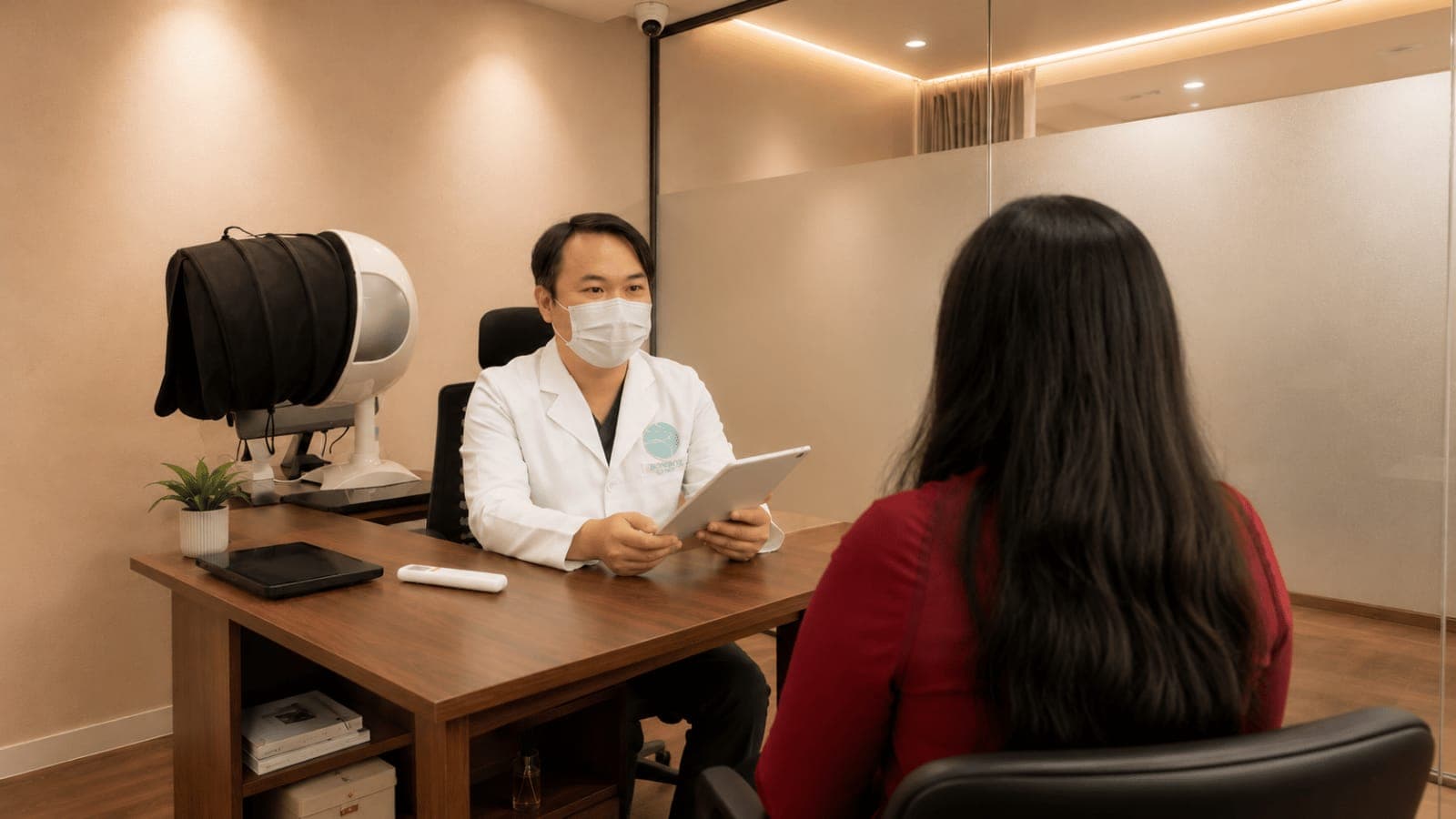
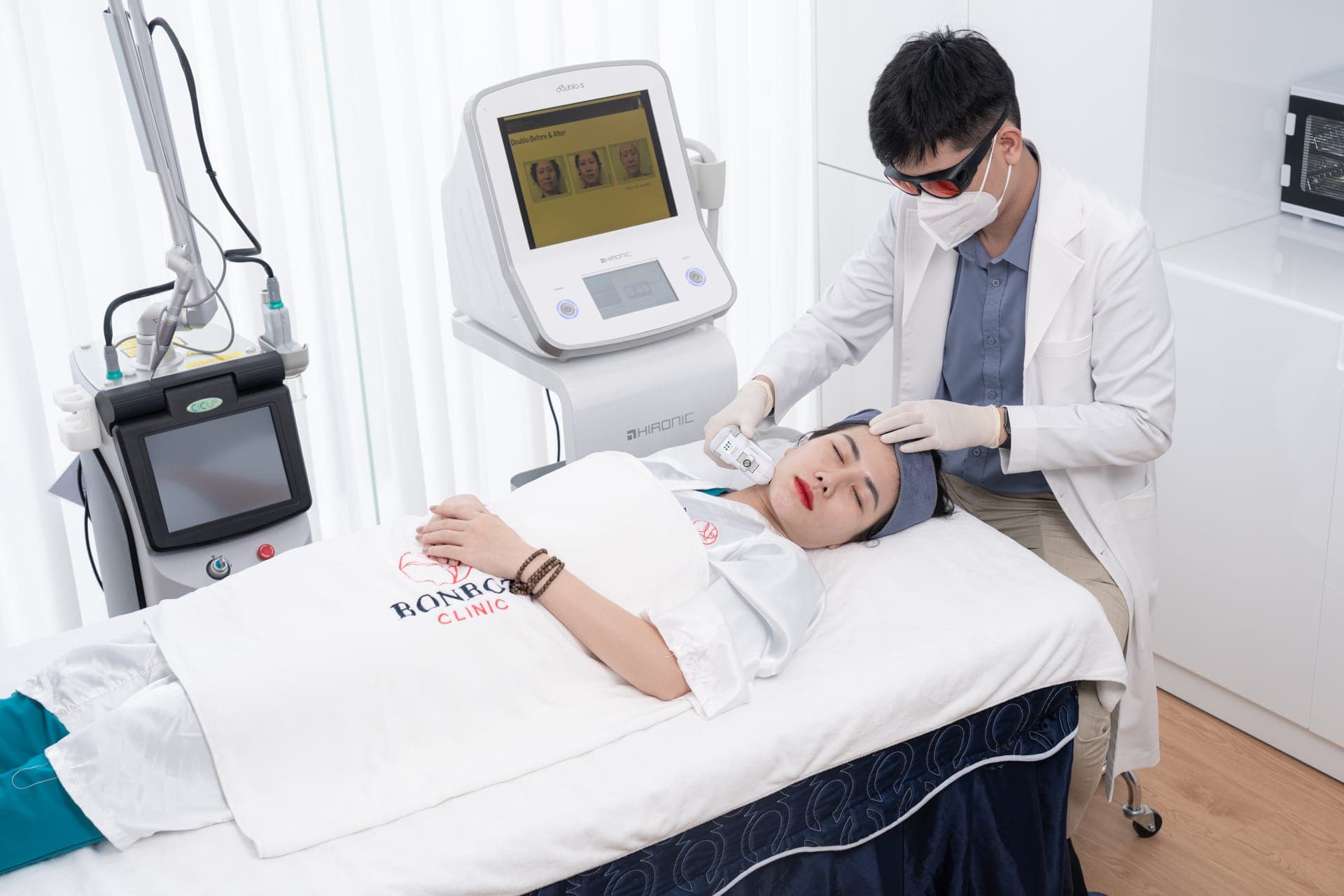
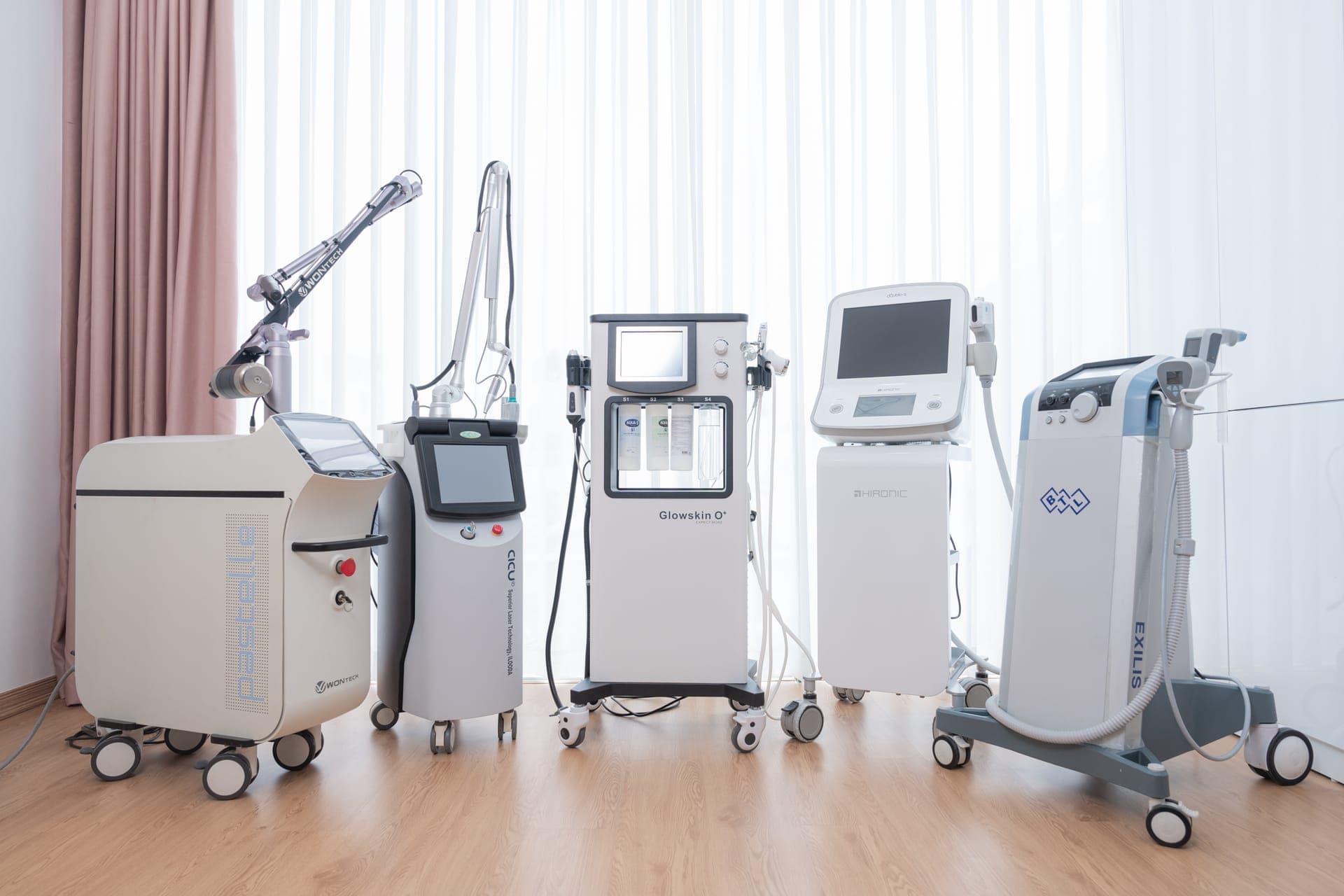
Inside the BonBoz clinic
Book a consultation with a doctor
Choose a date, time slot and doctor — the clinic calls to confirm within 5 minutes during opening hours. Free consultation, no commitment.
Frequently asked questions
How many times a day should oily skin be washed?
Does oily skin need a moisturizer?
Do blotting papers make your skin produce more oil?
Can enlarged pores shrink?
Does alcohol-based toner help control oil?
Does a chemical peel thin the skin?
Does eating greasy food make your skin oilier?
Does oily skin age more slowly?
Related topics
- Microneedling Costs: How Pricing Is Determined and When It Is Worth It
- Laser Atrophic Scar Treatment Costs: Per-Session and Package Pricing
- Medical-grade Acne Treatment Cost: Pricing per Session and Full Treatment Plans
- Medical-grade acne extraction: how it differs from spa extractions, the sterilization process, and which types of acne should not be extracted.
- Chemical Peels for Acne, Hyperpigmentation, and Dull Skin: Acid Types, Peel Depths, Procedure, and Contraindications
- Uneven skin tone, dullness, and hyperpigmentation: Distinguishing between pigmentary changes, dead skin cells, or poor circulation, and how to brighten and even out your complexion
More from our doctors
How Many Times a Day Should You Wash Oily, Acne-Prone Skin? Doctor's Advice
Oily, acne-prone skin should not be washed more than 2–3 times a day. Over-washing dries out the skin, triggering excess oil production and worsening acne.
What is the difference between dry skin and dehydrated skin? How to care for each type
Dry skin and dehydrated skin are often mistaken for the same condition, but they are fundamentally different and require distinct care approaches. Understanding the difference helps you choose the right skincare routine instead of struggling with ineffective treatments.
Subclinical Acne (Closed Comedones): Causes and Scar-Minimizing Treatment Methods
Sub-surface acne causing a rough, bumpy texture needs to be treated properly and should not be squeezed or picked at home to avoid scarring.
Retinol, AHA, BHA, and Vitamin C: A Beginner’s Guide to Understanding and Safe Usage
Retinol, AHAs, BHAs, and vitamin C are popular active ingredients that can often feel overwhelming for beginners. Understanding their basic properties and using them prudently will help you incorporate them safely into your routine while avoiding irritation caused by improper use.