
Medically reviewed by Dr. Kim Kha, MSc, Specialist I — BonBoz Clinic
Subclinical Acne (Closed Comedones): Causes and Scar-Minimizing Treatment Methods
Sub-surface acne causing a rough, bumpy texture needs to be treated properly and should not be squeezed or picked at home to avoid scarring.
Quick summary: Hidden acne (closed comedones) forms when pores become clogged with dead skin cells and excess sebum, lying deep beneath the skin without causing red, swollen inflammation. Squeezing hidden acne at home can easily worsen the condition, leading to persistent post-inflammatory hyperpigmentation (PIH) and difficult-to-treat atrophic scars. To resolve it effectively, you need an in-person consultation with a dermatologist to identify the root cause and develop a personalized treatment regimen combined with proper home care.
Hidden acne consists of small bumps formed when pores are blocked by dead skin cells and sebum beneath the skin's surface—they are non-swollen, non-red, and lack a extractable head, making standard topical products largely ineffective. From a distance, your skin might look fine, but touching it reveals a rough, bumpy texture across the entire area. That is hidden acne. And the reason it causes so much frustration is that despite applying product after product, your skin remains unchanged.
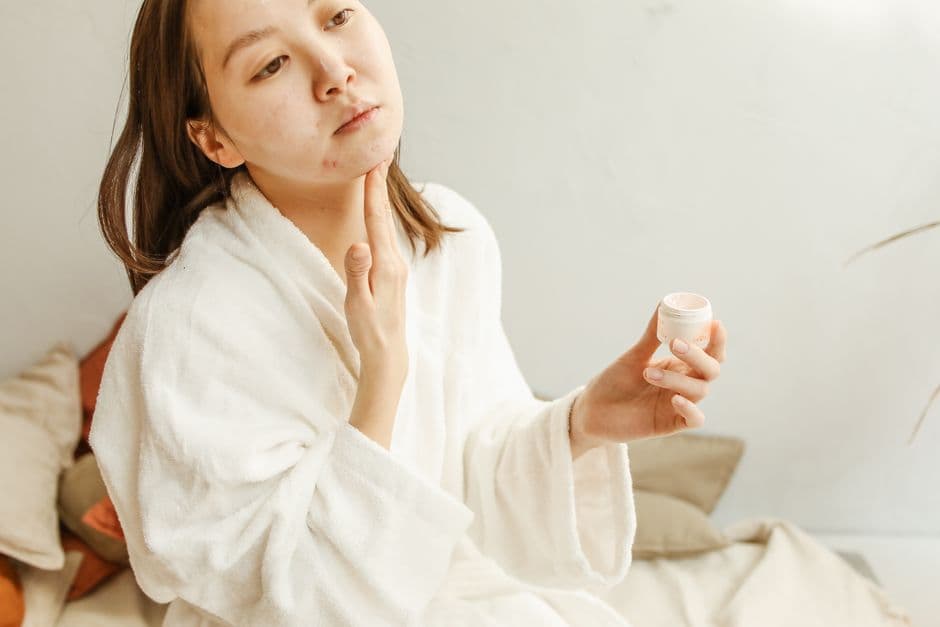
What is hidden acne and how to recognize it?
What hidden acne actually is
Simply put, hidden acne forms when pores are occluded. Dead skin cells fail to shed properly and, together with sebum, create a plug beneath the skin's surface. Because there is no inflammatory reaction yet, it is not red, swollen, or painful—it simply sits quietly under the skin, disrupting its smooth texture.
This is a key difference from inflammatory acne. Inflammatory acne involves an active inflammatory response and bacterial involvement, requiring a completely different treatment approach. Although both are categorized as acne, they demand different management strategies—which is why using a single cream for all types of acne rarely yields results. Moreover, hidden acne has a noteworthy characteristic: if left untreated for a long time, some lesions can evolve into inflammatory acne.
Why does facial skin develop hidden acne?
Why you develop hidden acne
There is no single cause. In clinical practice, commonly encountered factors include:
- The skin's natural desquamation process is disrupted, causing dead skin cells to accumulate and clog pores.
- Skincare or cosmetic products that are unsuitable for your skin type, especially comedogenic formulations.
- Inadequate cleansing or over-cleansing. Both cause problems. Washing your face excessively with harsh products compromises the skin barrier, prompting the skin to react by producing even more oil.
- Hormonal factors, which influence the amount of sebum your skin produces.
- Lifestyle and environmental habits—staying up late, chronic stress, prolonged mask-wearing that creates a humid environment, and dusty surroundings.
An important note: you should not diagnose your own causes based on online information. Identifying your specific trigger is the dermatologist's role after a thorough examination, as the success of your treatment regimen relies entirely on this step.
Should you pop hidden acne at home?
What you should not do: squeezing at home
This is the most crucial part of this article.
Hidden acne lies deep beneath the skin and has no visible opening or head. When you attempt to squeeze it, what you are actually doing is applying heavy mechanical pressure to already congested tissue. Typical consequences include:
- The blockage is pushed deeper into the dermis rather than being extracted.
- The area transforms from non-inflammatory hidden acne into red, swollen, and painful inflammatory acne.
- Tissue damage spreads to surrounding areas, leaving long-lasting post-inflammatory hyperpigmentation (PIH).
- If the damage is deep enough, atrophic scars form—and pitted scars are far more difficult to treat than acne itself.
Many cases of PIH and atrophic scarring seen in clinic visits are not caused by the acne itself, but by incorrect self-extraction. If you have already squeezed a lesion and the area is now swollen and tender, schedule a clinical consultation promptly rather than continuing at-home interventions.
What is the medical-standard approach to treating hidden acne at its root?
The proper treatment approach
Because acne is a dermatological disease, it requires a structured medical regimen rather than a single miracle product. The protocol at BonBoz proceeds as follows:
- 1Examination and classification. The dermatologist directly examines and assesses your skin under magnification to determine the specific acne subtype, severity, and any accompanying skin conditions.
- 2Identifying root causes. The physician inquires about your skincare routine, current cosmetics and medications, menstrual cycle, lifestyle, and previous treatments. This step determines whether the therapeutic plan will hit the right target.
- 3Formulating a personalized regimen. The dermatologist designs a tailored protocol for your exact condition, explaining what to use, why to use it, the expected timeframe for re-evaluation, and the corresponding costs.
- 4In-clinic procedures when indicated. If necessary, clinical procedures are performed strictly according to medical protocols and sterile standards—not an aggressive full-face extraction in a single session.
- 5Home care routine. You will receive detailed instructions on your routine, product sequencing, and equally important: products that need to be eliminated because they are worsening your skin.
- 6Follow-up and regimen adjustment. Because every individual's skin responds differently, the dermatologist will schedule follow-up appointments to track progress and adjust the treatment plan. This is a mandatory step, not an optional one. If inflammatory breakouts worsen after 2 weeks of treatment, or if your skin experiences severe irritation from current products, notify your doctor immediately rather than waiting for your scheduled appointment.
- 7Addressing residual hyperpigmentation and scarring. Only when acne is fully controlled will residual PIH and scarring be addressed—because treating pigmentation and scars while active inflammation persists is generally ineffective.
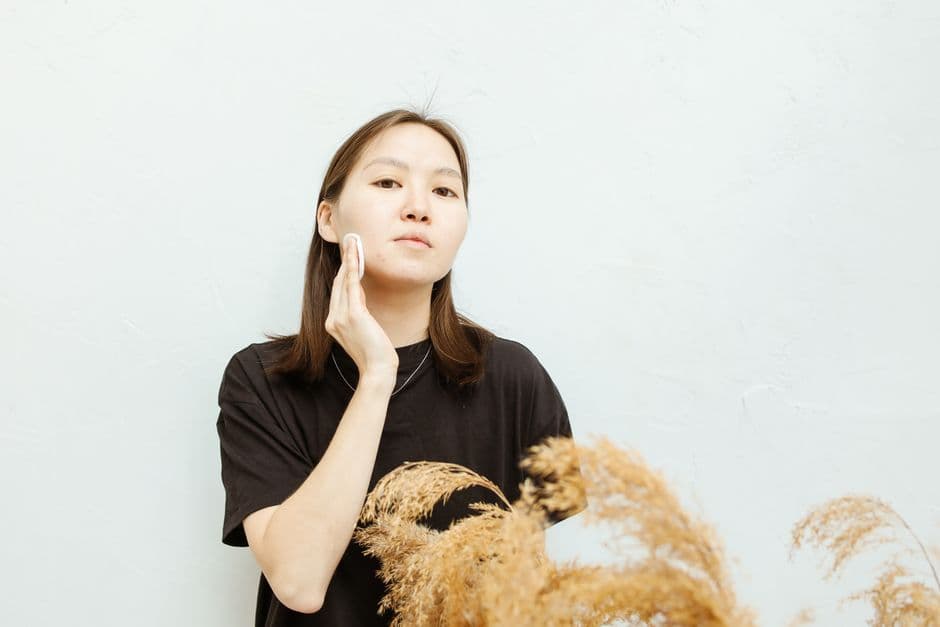
How long does hidden acne treatment take to clear the skin?
How long until your skin clears?
This is a question everyone wants a precise number for, but offering a generic timeline is an overpromise.
The speed of recovery depends on the acne subtype, severity, underlying causes, and your degree of adherence to the regimen. One important thing to anticipate: with certain active regimens, the skin may undergo a purging phase before stabilizing and clearing up. If you abandon treatment during this phase thinking the regimen is ineffective, you will return to square one.
Your dermatologist will provide a personalized re-evaluation milestone right after your initial consultation, so you know exactly when to expect visible improvements.
How to prevent hidden acne from recurring after treatment?
What happens after your skin clears?
Acne is a condition with a high tendency to recur, particularly when maintenance therapy is discontinued or when there are shifts in hormones, lifestyle, or environment. Therefore, post-treatment maintenance guidance is just as vital as the active treatment phase. Your dermatologist will discuss this with you toward the end of your protocol.
If you are struggling with hidden acne and have tried multiple solutions without success, the issue may not be the products you are choosing. Booking an in-person consultation to let a dermatologist accurately diagnose your condition is the most meaningful first step.
When coming in for your consultation, bring along or take clear photos of all the skincare and cosmetic products you are currently using. The dermatologist will identify which ones to keep and which ones to discontinue.
Read more: 5 criteria for choosing a reputable dermatology and aesthetic clinic in HCMC

Frequently Asked Questions
How does hidden acne differ from inflammatory acne?
Hidden acne resides deep beneath the skin's surface and is non-swollen, non-red, painless, and without a visible head because no inflammatory reaction has occurred yet. In contrast, inflammatory acne involves an active inflammatory response and bacterial proliferation, presenting with redness, swelling, and pain, which requires a completely different clinical approach.
Why should you avoid squeezing hidden acne at home?
Hidden acne is deep-seated and lacks an open head. Attempting to squeeze it forces intense mechanical pressure onto congested tissue, which can push the comedogenic core deeper, trigger inflammatory swelling, cause widespread tissue trauma, and result in long-lasting PIH or difficult-to-treat atrophic scars.
Do I need to bring my current skincare products to the consultation?
Yes. When visiting BonBoz Clinic for a consultation, you should bring along or photograph all the skincare and cosmetic products you are currently using. The dermatologist will evaluate them directly to determine which items are suitable to retain and which ones may be causing pore blockages that need to be eliminated.
Why does my skin purge or break out more at the beginning of treatment?
With certain hidden acne treatment protocols, the skin may go through a purging phase before reaching a stable, clear, and smooth state. This is a normal physiological response. It is important to persistently follow your regimen and avoid stopping mid-treatment to prevent returning to the starting point.
BonBoz Aesthetic & Dermatology Clinic — 66–68 Vo Van Tan, Xuan Hoa Ward, HCMC.
Content compiled and medically reviewed by the physician team at BonBoz Clinic.
1. How long does it take to see results from hidden acne treatment?
Treating hidden acne requires patience and strict adherence to your physician's regimen. Depending on your specific severity and skin condition, the dermatologists at BonBoz Clinic will design a personalized treatment plan and provide an estimated timeline to achieve optimal outcomes.
2. Does diet affect hidden acne?
Diet can play a certain role in the formation and progression of hidden acne in some individuals. However, it is not the sole factor, and successful treatment requires a multifaceted approach. The physicians at BonBoz Clinic will provide tailored advice regarding lifestyle and nutritional adjustments appropriate for your treatment journey.
This article is for reference only and does not replace an in-person examination or a doctor's diagnosis. Actual results vary by individual condition.