
Microneedle RF (Radiofrequency)
Microneedling RF combines microneedles penetrating the skin with radiofrequency energy emitted from the needle tips, delivering dual stimulation into the deep dermis with minimal epidermal damage. It offers a faster recovery than CO2 lasers and carries a lower risk of hyperpigmentation — ideal for deep atrophic scars, thick skin, darker skin tones, and enlarged pores; typically requiring 3–4 sessions spaced 4–6 weeks apart.
Compiled from BonBoz Clinic clinical documentation — currently in medical review
Mechanism of Action
Sterile microneedles penetrate the skin at preset depths (0.5–3.5 mm) and deliver radiofrequency (RF) energy directly from their tips, creating controlled fractional heating within the dermis. This thermal energy immediately contracts existing collagen fibers and triggers neocollagenesis and neoelastogenesis over the next 1–3 months; simultaneously, the microneedles create mechanical micro-channels similar to traditional microneedling. Because the RF energy is delivered beneath the surface, the epidermis remains virtually intact with minimal ablation.
How does it differ from traditional microneedling and fractional CO2 laser?
Traditional microneedling only creates superficial mechanical micro-injuries. RF microneedling adds deep thermal coagulation, delivering significantly stronger remodeling for deep scars and skin laxity. Fractional CO2 laser works from the surface downward—highly effective for uneven skin texture, but it ablates the epidermis and carries a higher risk of post-inflammatory hyperpigmentation (PIH). In contrast, RF microneedling works from the inside out while sparing the epidermal surface, making it safer for darker skin types and ideal for patients requiring minimal downtime. Many clinical cases benefit from combining both modalities in a structured protocol.
Who is it suitable for?
Moderate-to-deep boxcar and rolling scars, thick skin; enlarged pores; mild skin laxity along the cheeks and jawline; acne scars on darker skin tones; and patients needing quick recovery times. Less suitable for: very deep ice-pick scars (which typically require TCA CROSS), excessively thin skin, and patients with implanted electronic devices.
Treatment Course & Results
Typically 3–4 sessions spaced 4–6 weeks apart. Mild erythema usually subsides within 1–2 days, followed by faint micro-crusting that flakes off within 3–5 days. Visible improvements generally emerge after the 2nd session and continue to progress for up to 3 months following the final treatment. The degree of improvement varies based on scar depth and individual healing response.
At BonBoz Clinic
A dermatologist performs a detailed skin analysis, tailoring the needle penetration depth and RF energy levels for each specific facial zone (adjusting between thicker areas like the cheeks and thinner areas like the temples). The procedure is performed under topical anesthesia and can be combined with PRP or restorative active serums when clinically indicated. A dermatologist directly performs the treatment and conducts a follow-up assessment before each subsequent session.
Technique variants
1
Superficial RF microneedling
For thin skin or sensitive areas.
2
Deep RF microneedling
For prominent deep scars requiring action in deeper skin layers.
3
Combined RF microneedling
Alternated with subcision or laser therapy according to a customized treatment plan.
When should you see a doctor?
- Active inflammatory acne or skin infection.
- Presence of implanted electronic devices — please inform the doctor in advance.
- History of keloid scarring or susceptibility to post-inflammatory hyperpigmentation (PIH).
- Currently pregnant or breastfeeding.
How is it performed?
Topical numbing cream is applied for 30–45 minutes. The doctor customizes the needle depth and RF energy levels for each specific area, systematically stamping the tip across the targeted zone in a grid pattern — taking 20–40 minutes for the full face; a mild prickling and warm sensation is to be expected. The procedure is followed by cooling, the application of recovery active serums or PRP, and sunscreen.
Before the procedure
Discontinue topical retinoids for 5–7 days; avoid exfoliating and sun exposure for 1 week prior; inform your doctor of any anticoagulants, implanted electronic devices (pacemakers), history of keloids, or herpes; arrive with clean, makeup-free skin.
After the procedure
Redness and mild swelling for 1–2 days; micro-crusts will dry and naturally peel off after 3–5 days — do not pick or scratch; use a gentle cleanser, apply restorative moisturizer, and wear broad-spectrum SPF 50 sunscreen; avoid makeup for 24–48 hours; avoid saunas and strenuous exercise for 3 days. Follow-up appointment in 4–6 weeks.
Possible risks — your doctor explains them before treatment
- Mild redness and swelling for 1–3 days; pinpoint bruising is rare
- Post-inflammatory hyperpigmentation (PIH) — lower risk than CO2 laser, but still possible, especially without proper sun protection
- Temporary grid-like micro-crusting on the skin
- Infection due to improper aftercare; herpes reactivation in patients with a prior history
- Rare: grid scarring or subcutaneous fat loss if energy levels are set too high — requires proper parameter setting by a doctor
Who should NOT have this?
- Having a pacemaker or implanted electronic devices
- Active inflammatory acne, dermatitis, or herpes infection in the treatment area
- Currently pregnant or breastfeeding
- Predisposition to severe keloid scarring
- Expecting complete scar removal after a single session
- Very thin or atrophic skin in the treatment area (RF may cause further thinning)
How BonBoz uses it
Subcision
Subcision involves inserting a specialized needle beneath the skin's surface to break up the fibrous bands anchoring the scar downward. This serves as a core step for rolling scars and is commonly combined with lasers or microneedling to smooth out the skin surface afterward.
Learn about this method →TCA CROSS
TCA CROSS applies high-concentration acid directly into the base of individual scar pits to stimulate deep-skin regeneration from the inside out—a technique primarily reserved for ice pick scars and deep boxcar scars that surface lasers cannot reach.
Learn about this method →Microneedling
Microneedling creates thousands of micro-injuries to trigger the skin's natural collagen production. It is minimally invasive with a fast recovery time, making it ideal for shallow scars and uneven skin texture. For deeper scars, standalone microneedling is usually insufficient and requires a combination approach.
Learn about this method →Acne Treatment
Service page: A specialist physician will examine your condition, recommend a suitable plan, and provide transparent pricing before you make your decision.
Learn about this method →Want a cost range for your own case?
Estimate the cost →Cost guidance
The cost depends on the treatment area size, the scar depth, the prescribed number of sessions, and whether additional methods are incorporated into the personalized regimen.
The final price follows the doctor’s recommendation after an in-person exam. A confirmed quote has no hidden extras.
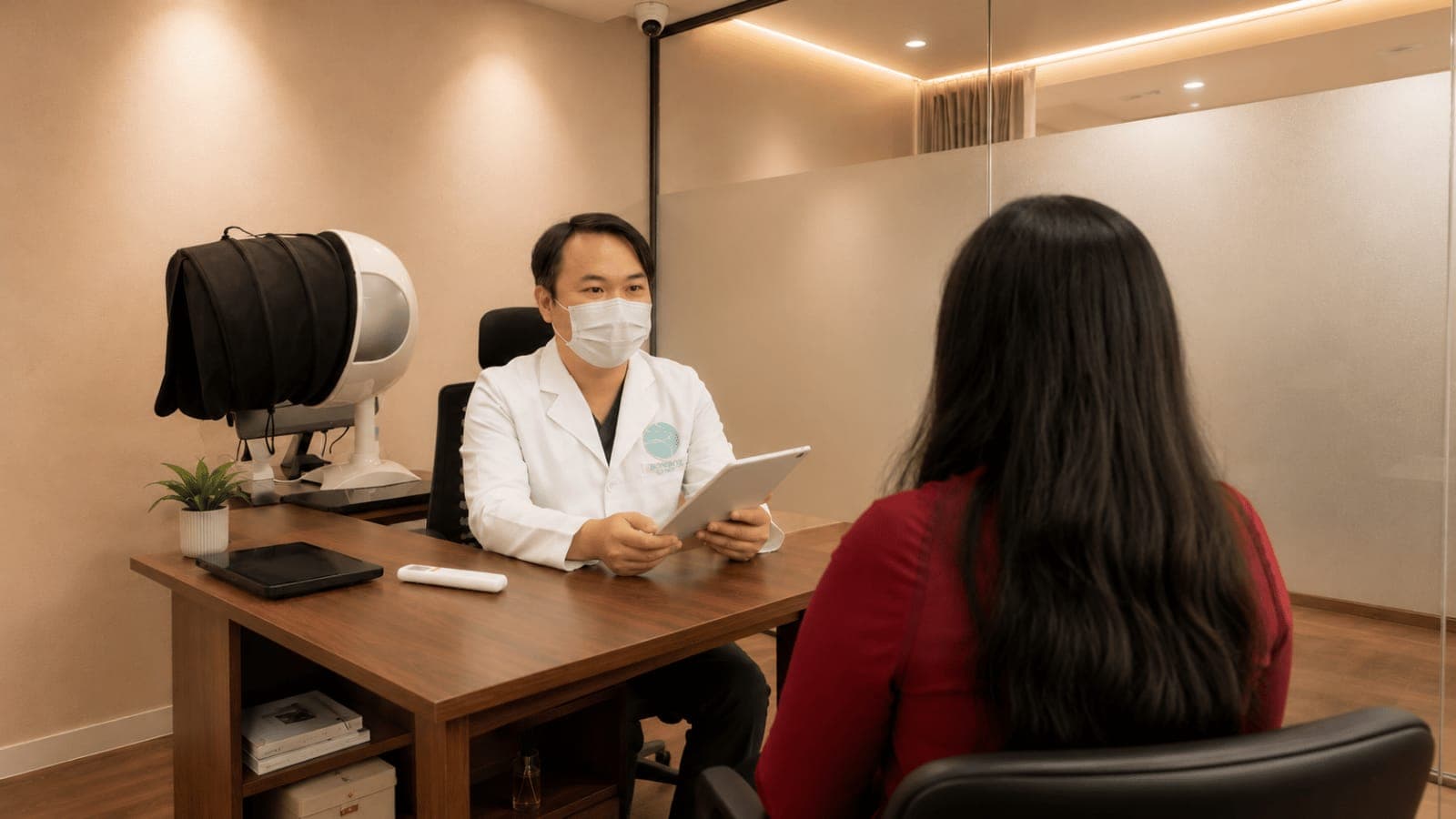
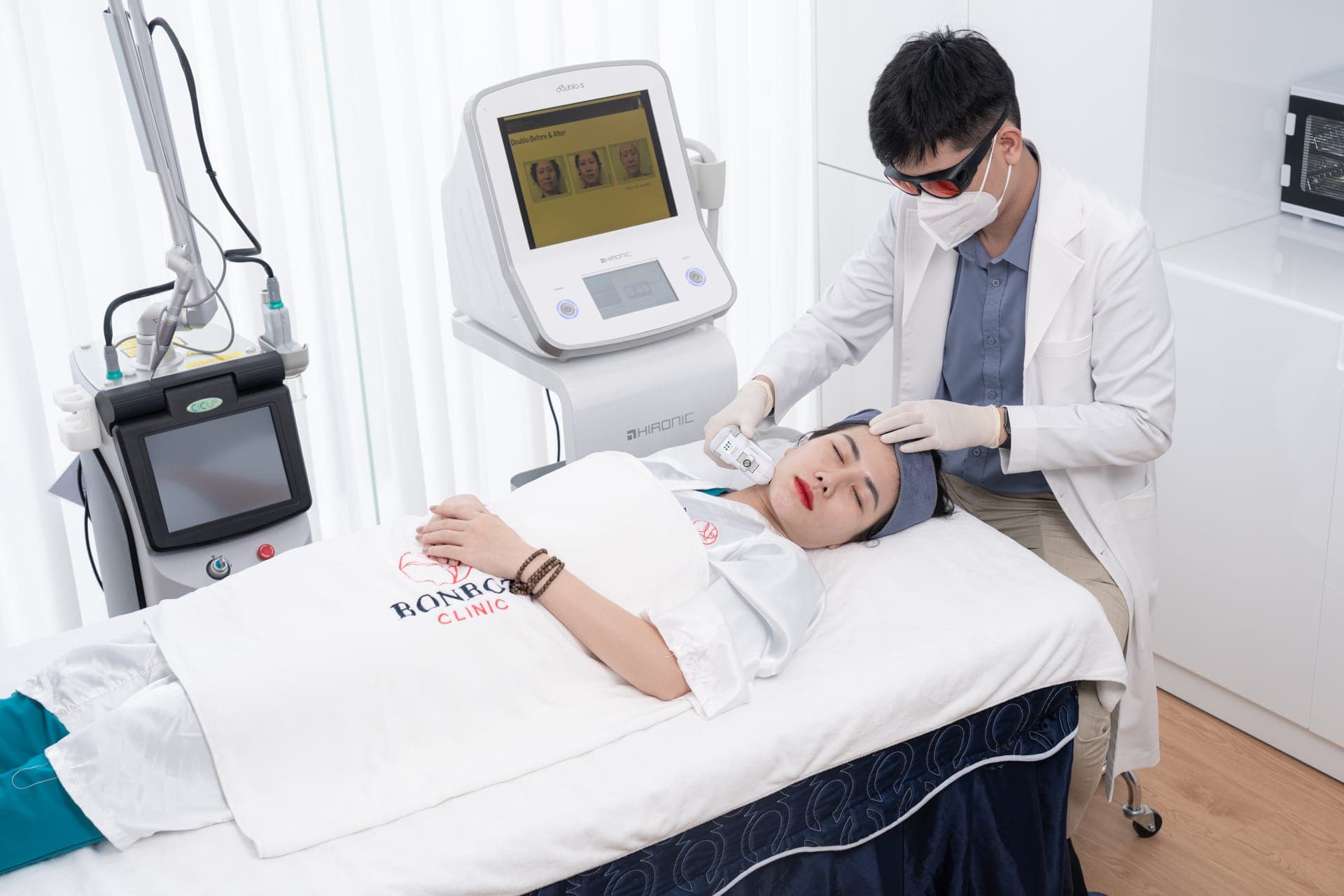
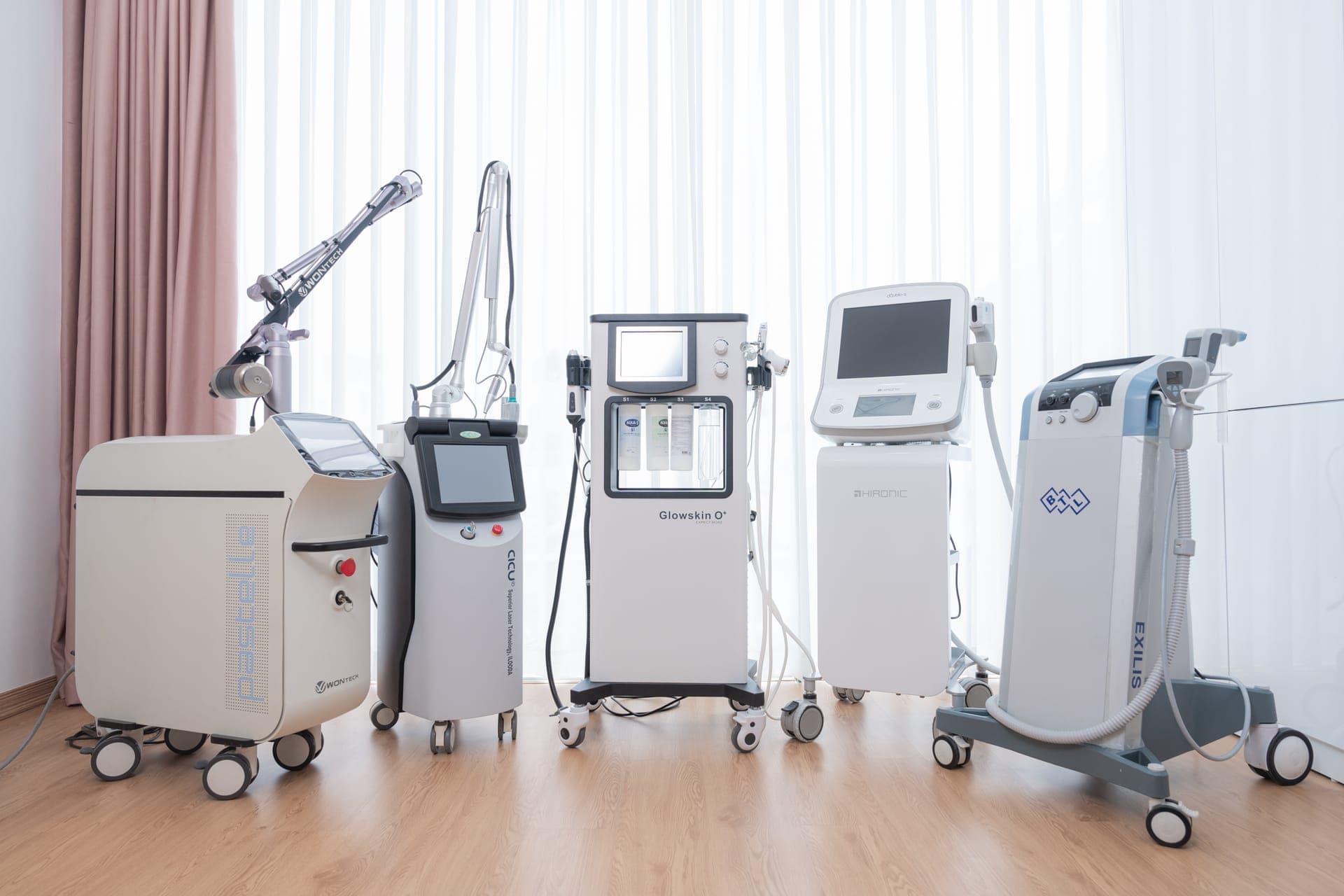
Inside the BonBoz clinic
Book a consultation with a doctor
Choose a date, time slot and doctor — the clinic calls to confirm within 5 minutes during opening hours. Free consultation, no commitment.
Frequently asked questions
Is RF microneedling painful?
How long is the recovery time?
Which is better, RF microneedling or CO2 laser?
How many sessions are needed?
Does it thin the skin?
Does it cause hyperpigmentation?
Does RF microneedling treat enlarged pores?
Is combining with PRP necessary?
How long does it take to see scar improvement?
Who performs the treatment at BonBoz?
Related topics
- Microneedling Costs: How Pricing Is Determined and When It Is Worth It
- Laser Atrophic Scar Treatment Costs: Per-Session and Package Pricing
- Medical-grade Acne Treatment Cost: Pricing per Session and Full Treatment Plans
- Medical-grade acne extraction: how it differs from spa extractions, the sterilization process, and which types of acne should not be extracted.
- Chemical Peels for Acne, Hyperpigmentation, and Dull Skin: Acid Types, Peel Depths, Procedure, and Contraindications
- Sensitive, Red, and Stinging Skin: A Damaged Skin Barrier Following Improper Treatment and the Recovery Protocol
More from our doctors
What is Microneedling RF for Acne Scars? How Does It Differ from Traditional Microneedling?
What is RF microneedling for acne scars, how does it work, and how does it differ from traditional microneedling? This guide will help you choose the right treatment with your doctor.
Microneedling for Acne Scars: How Effective Is It and How Does It Differ from Laser Therapy?
The Mechanism of Microneedling for Atrophic Acne Scars, Real Results, Number of Sessions, Comparison with Lasers, and Ideal Candidates.
Fractional CO2 Laser for Acne Scars: How It Works and Who Is It For?
How Fractional CO2 Laser Works on Pitted Scars, Number of Sessions, Ideal Candidates, and Post-Treatment Care.
What is the difference between pitted scars and enlarged pores? Can they be treated at the same time?
How do atrophic scars and enlarged pores differ, why are they easily confused, can they coexist, and can they be treated simultaneously? — Helping you choose the right path.
Does scar treatment hurt? What each method actually feels like
What it feels like to undergo acne scar treatments with laser, microneedling, TCA Cross, and subcision: Why pain levels vary from person to person, and how to minimize discomfort.