
Back acne, chest acne
Back and chest acne develops on thicker skin with larger sebaceous glands, which are frequently clogged by sweat and irritation from clothing. The causes include hormone-driven excess sebum production, *C. acnes* bacteria, yeast in the hair follicles, and mechanical friction.
Compiled from BonBoz Clinic clinical documentation — currently in medical review
Why Are the Back and Chest Prone to Breakouts?
The skin on the back and chest has a high density of sebaceous glands, a thicker dermis, and deeper hair follicles. Sweat, sebum, and dead skin cells trapped beneath tight clothing, backpacks, or bra straps create an environment of occlusion and friction—a condition known as acne mechanica. Hormonal fluctuations (puberty, menstrual cycles, stress), hair conditioner residue rinsing down the back, and delaying showers after workouts further aggravate the condition.
Is Back Acne Caused by Bacteria or Fungi?
Two distinct conditions may look similar but require entirely different treatments. Acne vulgaris is driven by pore blockage and *C. acnes* bacteria, presenting as a mix of blackheads, whiteheads, and inflammatory lesions of varying sizes. Malassezia folliculitis (fungal acne) presents as small, uniform, itchy red papules clustered across the back, chest, and shoulders; it worsens in hot, humid conditions and does not respond to conventional acne antibiotics. Using standard acne treatments on fungal folliculitis is ineffective and can even exacerbate the condition—a dermatologist differentiates between the two through clinical examination and direct microscopy when necessary.
Why Is Back Acne Stubborn and Prone to Scarring?
Due to the skin's thickness, topical treatments penetrate more slowly. The back is also difficult to reach and observe for self-application, and inflammatory lesions in this area tend to be deep, forming cysts and nodules. Post-inflammatory hyperpigmentation (PIH) on the back can linger for months, while hypertrophic and keloid scars are more common on the chest and shoulders due to high skin tension. Attempting to pop or squeeze back acne almost always worsens inflammation.
What Determines the Degree of Improvement?
Accurate diagnosis (bacterial acne vs. fungal folliculitis), the severity of inflammation, underlying hormonal factors, consistent application to hard-to-reach areas, and the reduction of friction and sweat. Most treatment regimens require 8–12 weeks to achieve noticeable results, followed by ongoing maintenance.
How Does BonBoz Approach Back and Chest Acne?
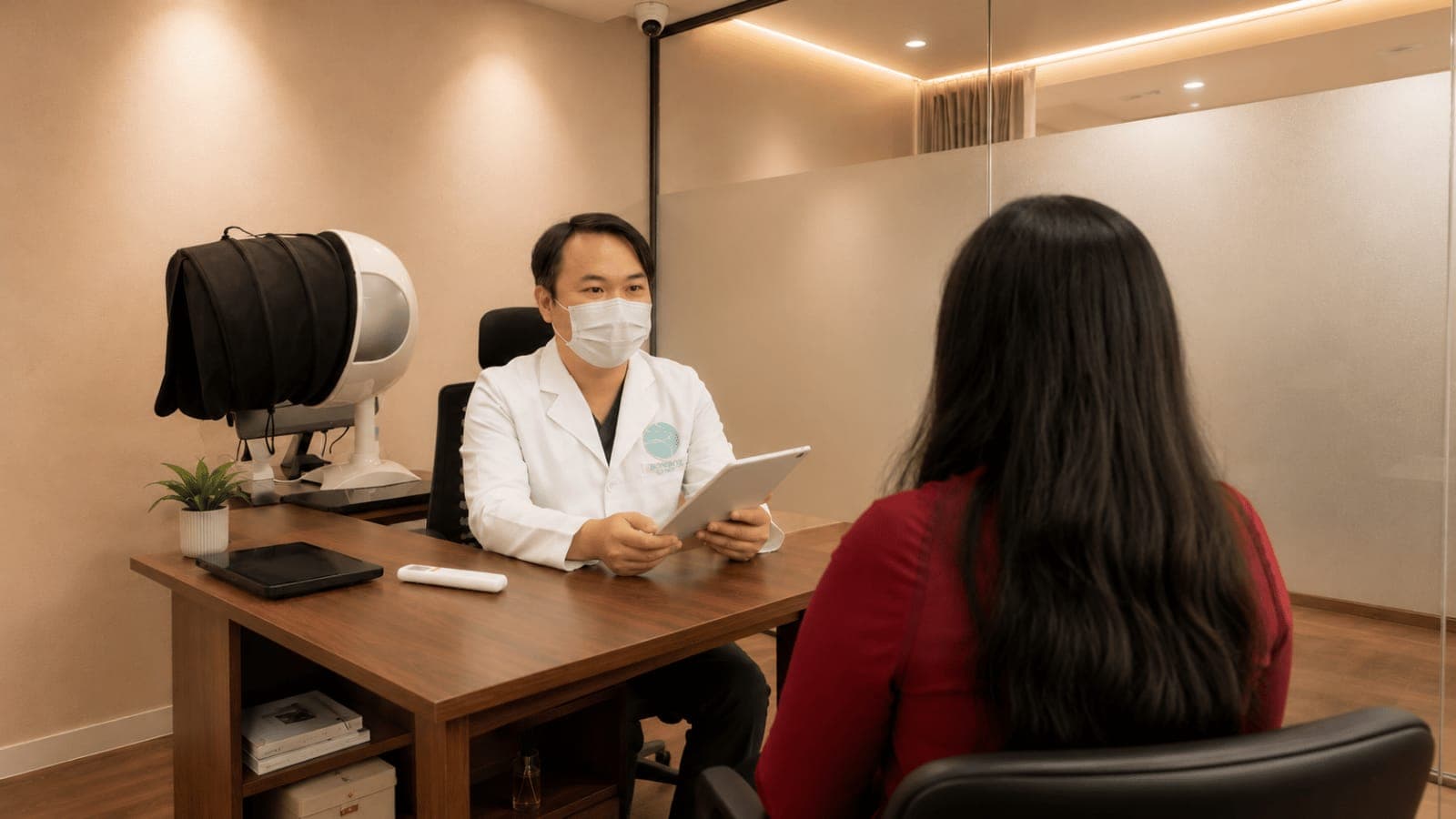
A dermatologist conducts a direct, comprehensive clinical examination of the entire affected area to differentiate acne vulgaris from fungal folliculitis and evaluate the extent of inflammation and scarring. The protocol includes specialized body washes and topical medications formulated for thicker skin, oral medications when indicated for moderate-to-severe inflammation, alongside personalized guidance on post-workout hygiene and fabric selection. For residual dark marks and scars, our dermatologists design a dedicated post-acne treatment plan once active breakouts are fully controlled. A dermatologist directly monitors your progress and adjusts the regimen at every follow-up visit.
Severity levels
1
Mild — scattered blackheads and whiteheads
Mainly clogged pores with minimal inflammation. Active-ingredient body washes, topical treatments, and routine adjustments are usually sufficient.
2
Moderate — multiple red inflammatory blemishes and dark spots
Papules and pustules on the upper back, shoulders, and chest. Requires prescription topicals and potentially short-term oral medication as directed by a doctor.
3
Severe — cysts, nodules, hypertrophic/keloid or atrophic scars
Deep, painful inflammatory acne that leads to scarring. Requires a doctor-prescribed oral regimen, followed by scar treatment once the acne is stabilized.
When should you see a doctor?
- Uniform, small, itchy red bumps clustered in patches that worsen in hot and humid conditions—suspected fungal folliculitis (Pityrosporum folliculitis), unresponsive to conventional acne treatments.
- Deep, painful inflammatory acne, nodules, cysts, or lesions that leave hypertrophic/keloid scars.
- No improvement after more than 8 weeks of using over-the-counter (OTC) products.
- Back acne accompanied by menstrual irregularities, hirsutism, or onset following new medication use—requiring evaluation for hormonal or drug-induced factors.
How BonBoz treats it
Prescription topical and oral medication regimens
Medicated body washes, topical retinoids, or benzoyl peroxide for thicker skin areas; oral medications for severe inflammation, administered under medical supervision.
Learn about this method →Medical-grade acne extraction
Extraction of clogged comedones under sterile conditions to enhance medication absorption and reduce inflammation — avoid popping at home.
Learn about this method →Chemical peels for the back
Tailored-strength acids to clear congestion and fade hyperpigmentation over large areas once active acne is under control.
Learn about this method →Want a cost range for your own case?
Estimate the cost →Cost guidance
Cost depends on the treatment plan and the number of sessions; because the back is a larger area, sessions for chemical peels or acne extractions are typically priced differently from the face. The doctor will provide a quote after the consultation; the cost estimation tool provides a reference range for the acne treatment category.
The final price follows the doctor’s recommendation after an in-person exam. A confirmed quote has no hidden extras.
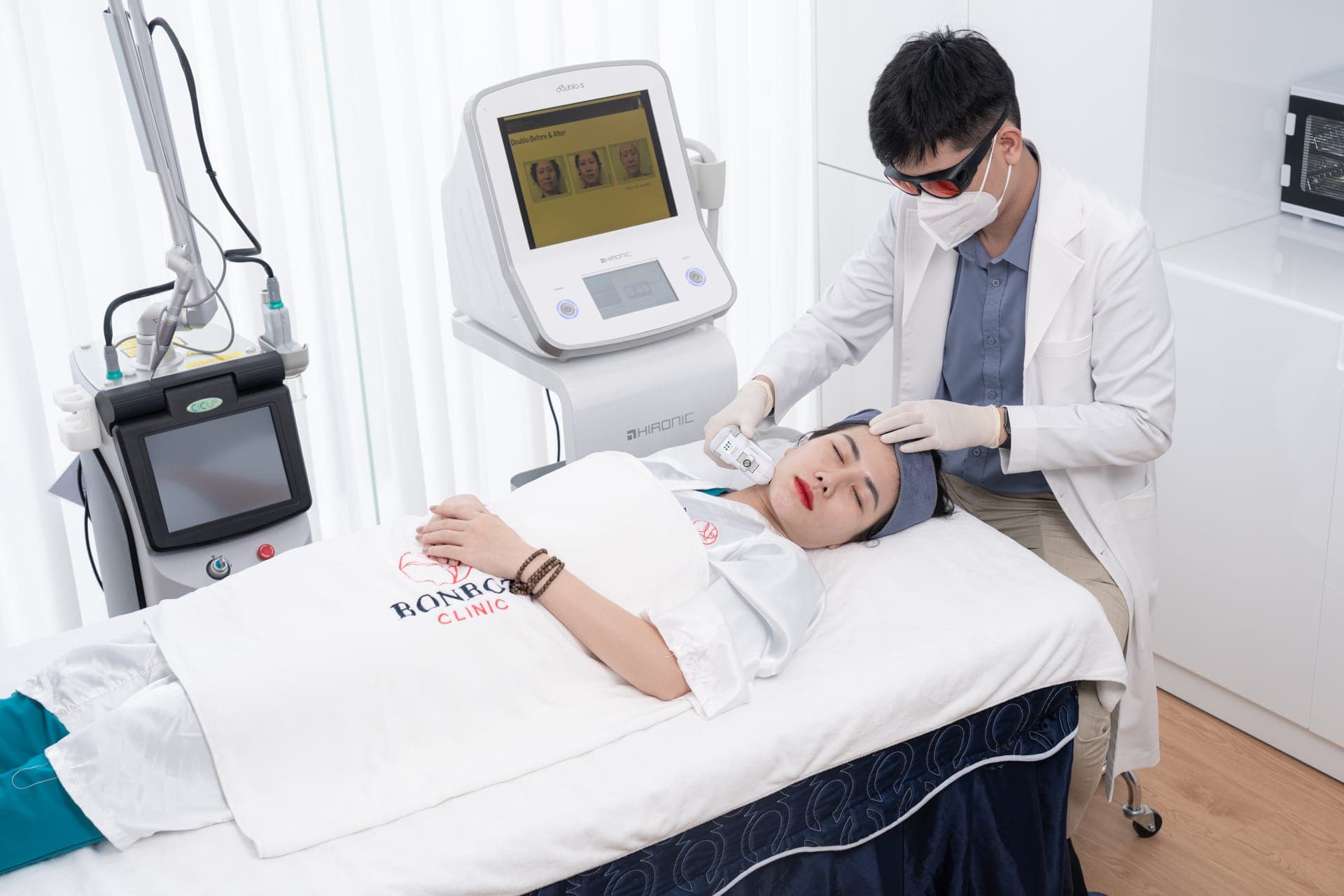
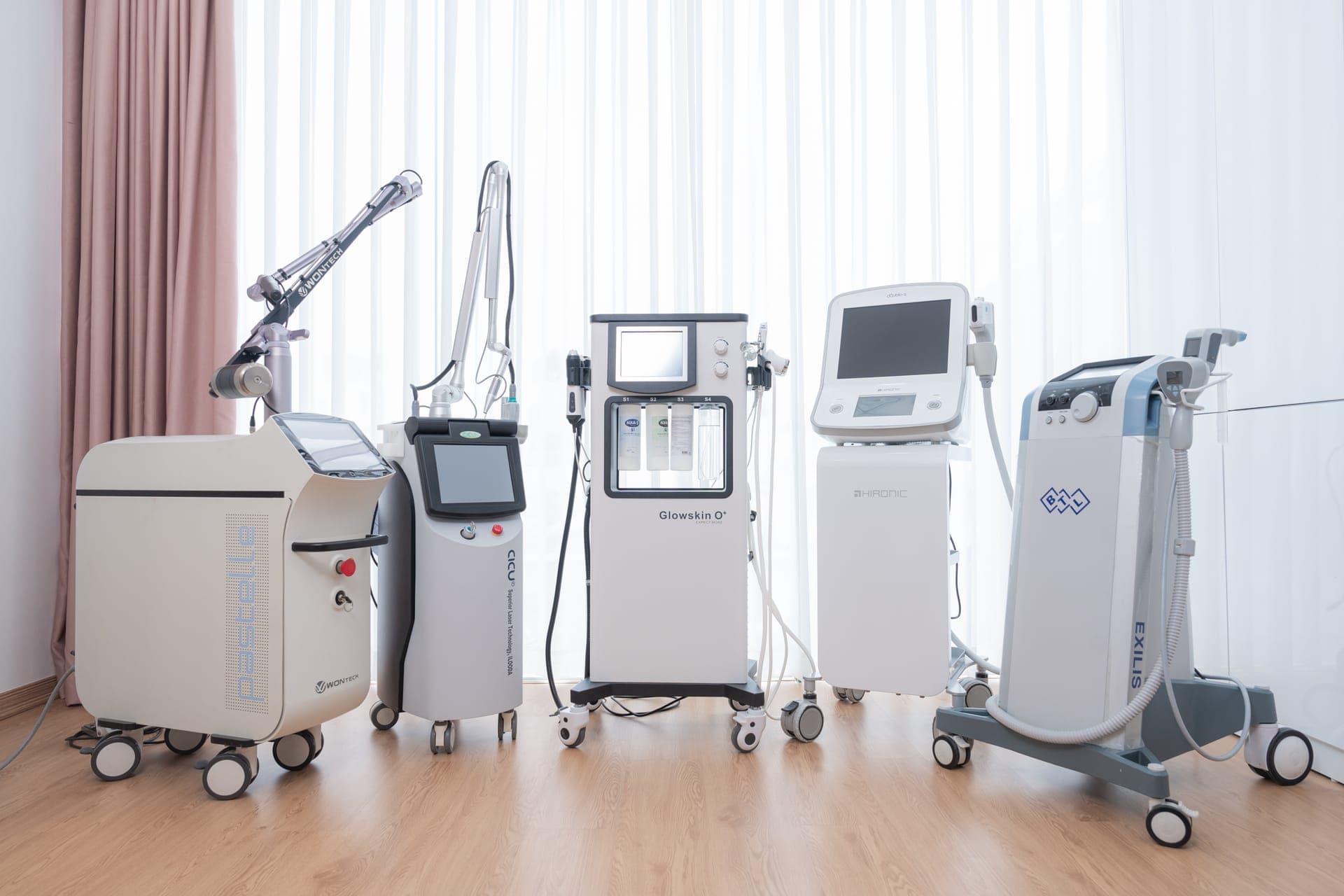
Inside the BonBoz clinic
Book a consultation with a doctor
Choose a date, time slot and doctor — the clinic calls to confirm within 5 minutes during opening hours. Free consultation, no commitment.
Frequently asked questions
Is back acne caused by poor hygiene?
Is an acne-fighting body wash enough?
How can I tell if it is regular acne or fungal acne?
How soon should I shower after working out?
Can hair conditioner cause back acne?
How long does it take for back acne dark spots to fade?
Can back acne leave keloid scars?
Do I need oral medication?
How long does it take to see results?
Related topics
- Microneedling Costs: How Pricing Is Determined and When It Is Worth It
- Laser Atrophic Scar Treatment Costs: Per-Session and Package Pricing
- Medical-grade Acne Treatment Cost: Pricing per Session and Full Treatment Plans
- Medical-grade acne extraction: how it differs from spa extractions, the sterilization process, and which types of acne should not be extracted.
- Chemical Peels for Acne, Hyperpigmentation, and Dull Skin: Acid Types, Peel Depths, Procedure, and Contraindications
- Sensitive, Red, and Stinging Skin: A Damaged Skin Barrier Following Improper Treatment and the Recovery Protocol
More from our doctors
Is Back and Chest Acne the Same as Facial Acne? Key Differences in Treatment
Back and chest acne differs from facial acne in skin structure, sebum levels, and treatment approach. A targeted protocol is required for optimal results.
Red, Inflamed Acne: Why You Shouldn't Pop It Yourself and How to Treat It Properly
Popping inflamed, red, and swollen pimples on your own can worsen the condition, cause scarring, and spread infection. Doctors offer far safer, professional treatment methods.
How Long Does Acne Treatment Take? What You Need to Know
Acne treatment typically takes between 4 and 12 weeks, depending on the type of acne and the chosen method. Achieving optimal results requires patience and proper skincare.
How Many Times a Day Should You Wash Oily, Acne-Prone Skin? Doctor's Advice
Oily, acne-prone skin should not be washed more than 2–3 times a day. Over-washing dries out the skin, triggering excess oil production and worsening acne.