
Adult acne
Adult acne refers to acne that persists or first appears after age 25, typically concentrated along the chin, jawline, and neck. It often manifests as deep inflammatory lesions that flare up cyclically and with stress. The primary cause is androgenic hormones stimulating the sebaceous glands, compounded by stress, cosmetics, medications, and a compromised skin barrier.
Compiled from BonBoz Clinic clinical documentation — currently in medical review
How Does Adult Acne Differ from Teenage Acne?
Teenage acne is typically concentrated in the T-zone, characterized by numerous blackheads and whiteheads, very oily skin, and a high tolerance for potent topical treatments. In contrast, acne after age 25 usually appears in the U-zone—the chin, jawline, and neck—presenting as deep, inflammatory papules with few comedones that recur cyclically. At the same time, adult skin often shows signs of dryness and sensitivity, occasionally accompanied by melasma or early wrinkles. Because of these differences, aggressive "drying" acne regimens designed for teenagers frequently cause irritation and exacerbate persistent adult breakouts.
Why Do Breakouts Still Occur After Age 25?
Hormones: Androgens stimulate excess sebum production. Fluctuations before menstruation, postpartum, during perimenopause, in polycystic ovary syndrome (PCOS), or after discontinuing oral contraceptives can all trigger breakouts. Stress and Sleep Deprivation: Elevated cortisol levels increase sebum production and worsen inflammation. Cosmetics and Daily Habits: Heavy foundations, thick moisturizers, hair oils, face masks, and inadequately cleansed sunscreen. Medications: Certain drugs containing corticosteroids, lithium, or high-dose vitamin B12. Compromised Skin Barrier: Over-exfoliation and layering too many active ingredients, leaving the skin simultaneously dehydrated and acne-prone.
What Determines the Degree of Improvement?
Identifying the primary triggers (hormones, medications, cosmetics), preserving the skin barrier, and maintaining consistency with a long-term regimen rather than constantly switching products. Hormonal acne responds slowly—often taking up to 3 months to show noticeable improvement—and requires maintenance therapy to prevent cyclical recurrences.
When Are Medical Tests Necessary?
Diagnostic workups are recommended when acne is accompanied by irregular menstrual cycles, hirsutism, male-pattern hair thinning, unexplained weight gain, or sudden-onset severe breakouts after age 35. A dermatologist may collaborate with endocrinology or gynecology specialists to address the underlying root causes rather than treating the skin in isolation.
How Does BonBoz Approach Adult Acne?
A dermatologist conducts an in-person clinical examination and skin analysis to evaluate the acne type, level of inflammation, skin barrier integrity, and coexisting concerns (post-inflammatory hyperpigmentation (PIH), melasma, dryness). Treatment regimens prioritize active ingredients tailored for mature skin at gradually titrated concentrations, concurrent skin barrier repair, medical-grade comedone extractions when indicated, and hormonal management when clinically appropriate. The dermatologist directly monitors your progress at each follow-up visit and adjusts the protocol based on actual clinical response.
What Should You Avoid When Acne Recurs Persistently?
Avoid self-medicating with corticosteroid-containing creams or unverified topical mixtures for inflammatory acne; avoid changing skincare products in intervals under 8 weeks; avoid frequent exfoliation and layering multiple active ingredients simultaneously on inflamed skin; and do not self-administer oral antibiotics or hormonal medications. These practices impair the skin barrier and make acne far more persistent.
References
- American Academy of Dermatology — Adult acne: https://www.aad.org/public/diseases/acne/really-acne/adult-acne
- Zaenglein AL, et al. Guidelines of care for the management of acne vulgaris. J Am Acad Dermatol. 2016 — https://pubmed.ncbi.nlm.nih.gov/26897386/
Severity levels
1
Mild — cyclical inflammatory papules around the chin
A few breakouts appear before menstruation and then resolve spontaneously. Adjust cosmetic routine, use mild topical medications, and track the menstrual cycle.
2
Moderate — persistent inflammatory acne along the jawline and neck
Continuous pustules that leave post-inflammatory hyperpigmentation (PIH). Use prescription topical treatments, restore the skin barrier, and consider oral medications under a doctor's guidance.
3
Severe — deep cysts and nodules, accompanied by hormonal signs
Painful acne with scarring, accompanied by irregular menstrual cycles or hirsutism. Combination of dermatological and endocrinological management with a long-term treatment plan.
When should you see a doctor?
- Cyclical breakouts persisting for months, concentrated along the chin and jawline, unresponsive to over-the-counter products.
- Accompanied by irregular menstrual cycles, hirsutism, or hair loss — requiring an evaluation for underlying hormonal factors.
- Skin that is simultaneously acne-prone yet dry, red, and stinging upon product application — indicating a compromised skin barrier from overusing active ingredients.
- Acne appearing after starting a new medication or dietary supplement.
How BonBoz treats it
Prescription topical and oral regimens
Gradually increasing concentrations of retinoids, azelaic acid, and topical anti-inflammatories; oral medications or hormonal control as indicated by the doctor.
Learn about this method →Medical-grade acne extraction
Technically precise extraction of deep inflammatory lesions to reduce inflammation and minimize scarring, combined with a topical regimen.
Learn about this method →Chemical peel
Moderate-strength acids to clear congestion, reduce post-inflammatory hyperpigmentation (PIH), and refine skin texture once the skin barrier is restored.
Learn about this method →Want a cost range for your own case?
Estimate the cost →Cost guidance
Costs depend on the individualized treatment plan (prescribed medications, number of acne extraction or chemical peel sessions) and the maintenance duration. The doctor will provide an exact quote following a skin analysis; the cost estimator offers an estimated price range for acne treatment categories.
The final price follows the doctor’s recommendation after an in-person exam. A confirmed quote has no hidden extras.
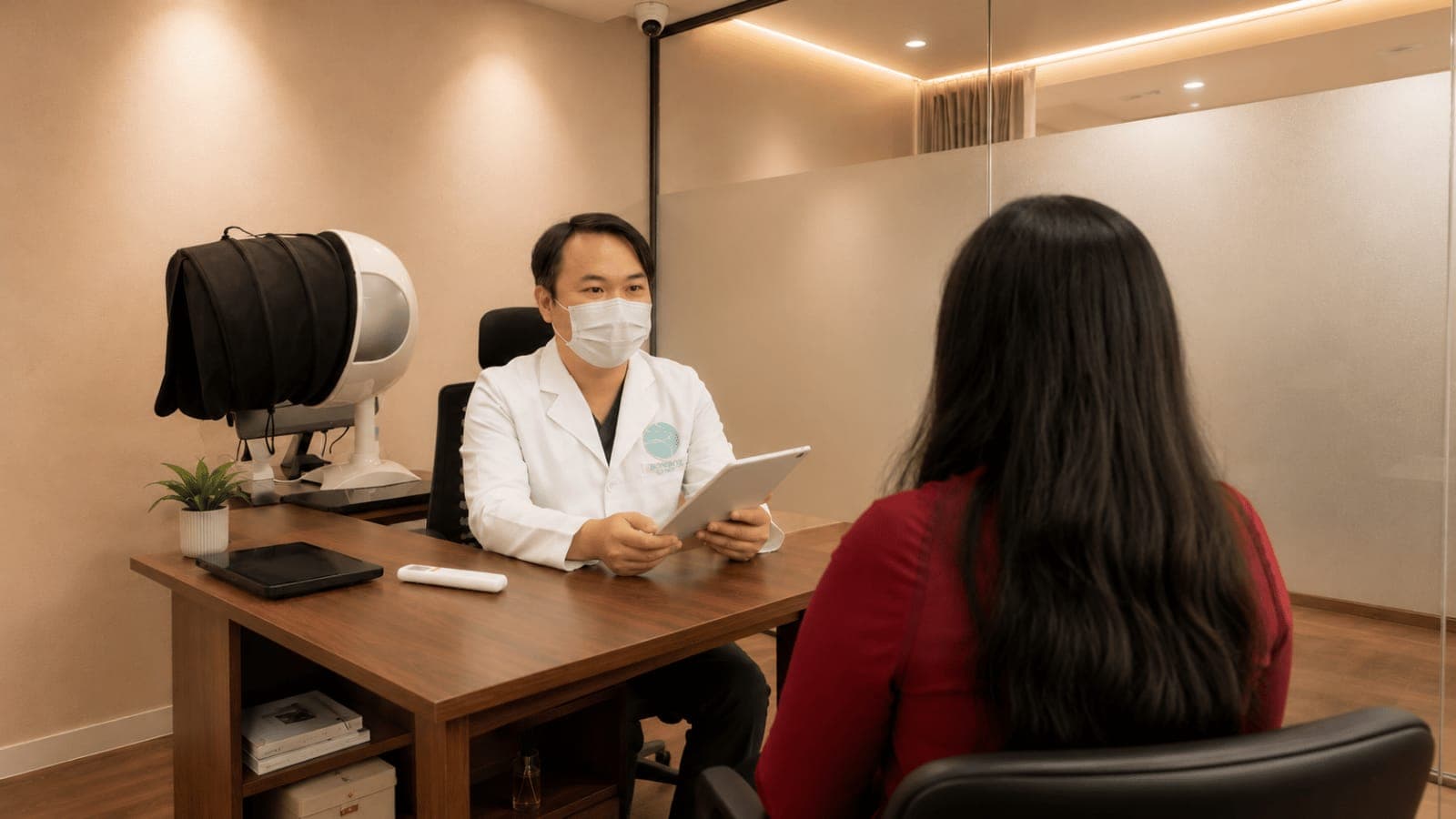
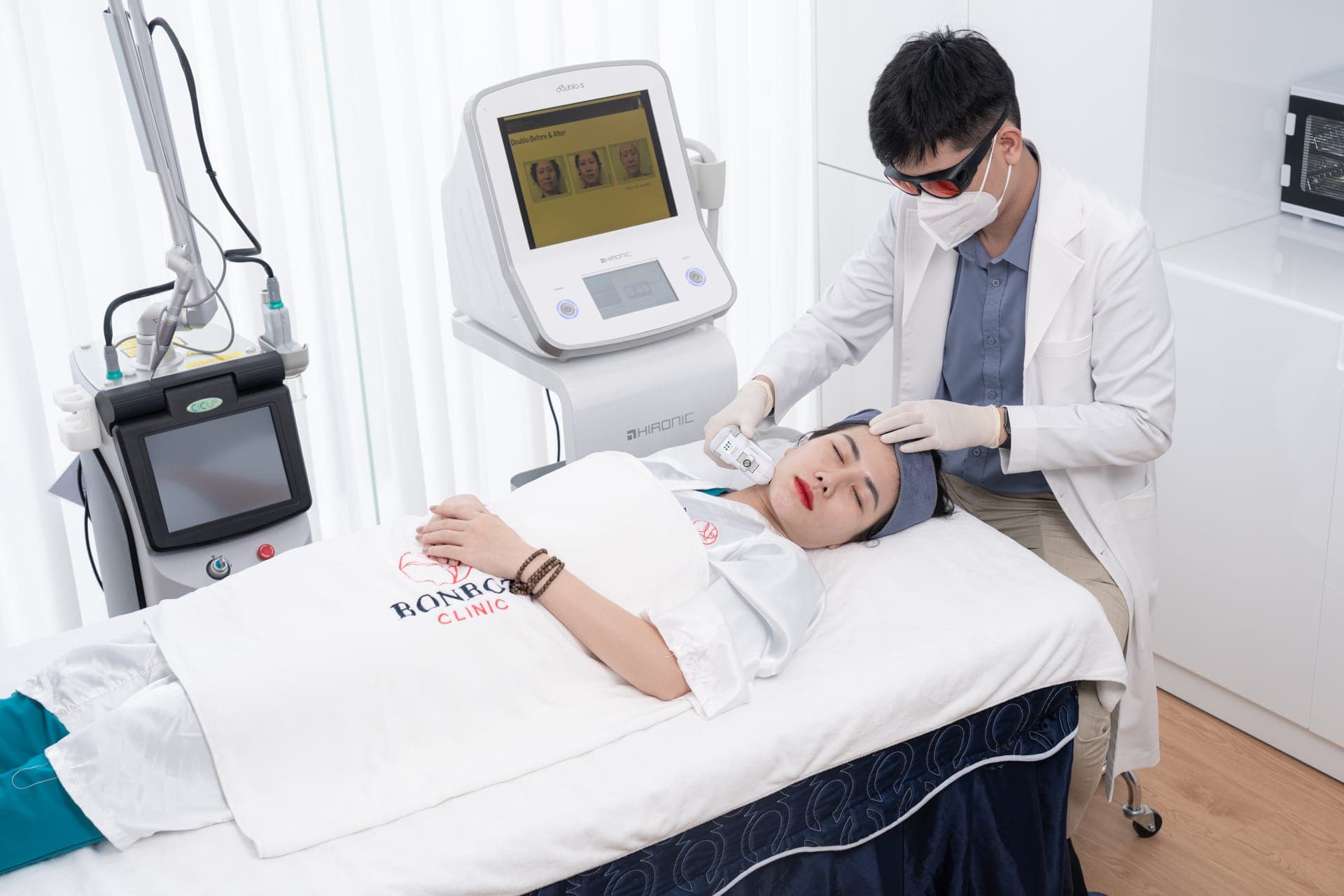
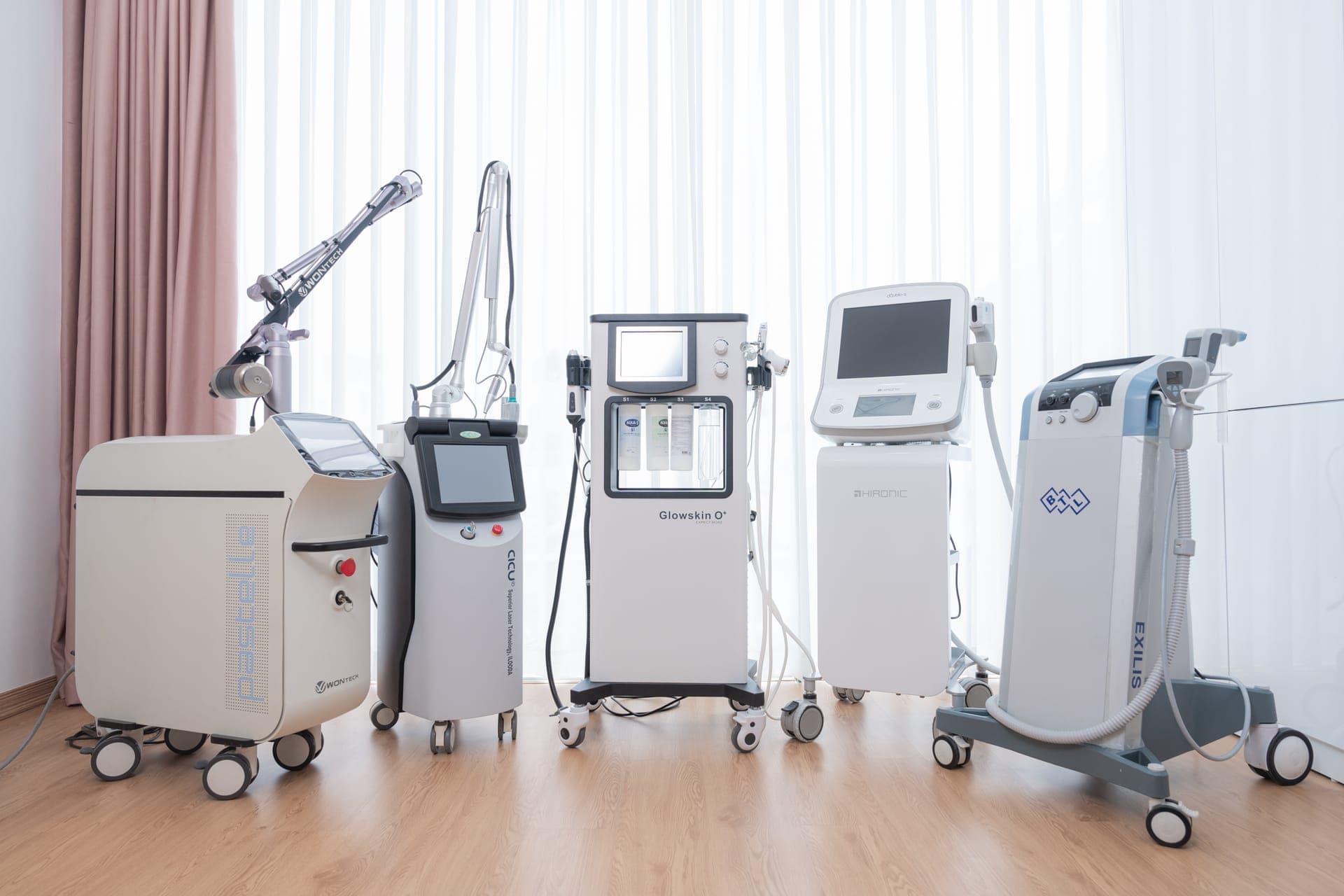
Inside the BonBoz clinic
Book a consultation with a doctor
Choose a date, time slot and doctor — the clinic calls to confirm within 5 minutes during opening hours. Free consultation, no commitment.
Frequently asked questions
Why do I still have acne long after puberty?
Is cyclical chin acne hormonal acne?
Do I need hormone testing?
Can I use teenage acne products?
Do birth control pills treat acne?
Does stress truly cause acne?
How long does it take for acne to clear?
If I have both acne and melasma, which should be treated first?
Do face masks and facial steaming help?
Related topics
- Microneedling Costs: How Pricing Is Determined and When It Is Worth It
- Laser Atrophic Scar Treatment Costs: Per-Session and Package Pricing
- Medical-grade Acne Treatment Cost: Pricing per Session and Full Treatment Plans
- Medical-grade acne extraction: how it differs from spa extractions, the sterilization process, and which types of acne should not be extracted.
- Chemical Peels for Acne, Hyperpigmentation, and Dull Skin: Acid Types, Peel Depths, Procedure, and Contraindications
- Sensitive, Red, and Stinging Skin: A Damaged Skin Barrier Following Improper Treatment and the Recovery Protocol
More from our doctors
How does pubertal hormonal acne differ from adult hormonal acne?
Pubertal acne is triggered by hormonal activation and predominantly concentrates in the T-zone. In contrast, adult hormonal acne is linked to chronic hormonal imbalances, typically appearing along the lateral face and chin.
Hormonal Acne in Women: Identifying Signs and Effective Treatment Methods
Hormonal acne in females typically presents around the jawline and chin, which is linked to hormonal fluctuations. Early recognition allows for timely and effective treatment.
Chin Acne: Causes and Effective Treatments
Acne on the chin is often linked to hormones and tends to recur cyclically. An examination by a dermatologist is necessary to accurately determine the root cause instead of guessing and self-treating.
How Do Lifestyle Habits Affect Your Skin? (Sleep, Hydration, Stress, Sun Exposure)
Healthy skin depends not only on the products you use but also on your daily lifestyle. Understanding how sleep, hydration, stress, and sun exposure affect your skin helps you achieve balanced skincare from both the inside and the outside.