
Enlarged pores
Enlarged pores are dilated follicular openings commonly found on the nose, inner cheeks, and T-zone, resulting from excessive sebum production, age-related loss of skin elasticity, and sun damage. They are not atrophic scars. Effective improvement requires sebum control, proper comedone extraction, and the stimulation of perifollicular collagen using laser treatments or RF microneedling.
Compiled from BonBoz Clinic clinical documentation — currently in medical review
Why Do Pores Look Enlarged?
The pore opening stretches when sebaceous glands overproduce oil and sebum accumulates inside the follicle, pushing the opening wider. As the skin loses collagen and elasticity due to aging or sun damage, the follicular walls can no longer snap back. Genetics largely determines your baseline pore size — which is why the goal is to refine and clear pores, not to "erase" them.
How Do Enlarged Pores Differ from Atrophic Scars?
Enlarged pores align directly with hair follicles, appear uniform, and often contain sebum plugs or blackheads. Atrophic (ice-pick or boxcar) scars are irregular depressions with distinct edges, caused by collagen loss following inflammatory acne. Both conditions can coexist on the cheeks and require different treatment approaches — digital skin analysis helps tell them apart.
Common Habits That Offer Little Benefit
Pore strips, "pore-tightening" toners, and aggressive scrubbing: these provide an instant feeling of cleanliness but do not change the actual size of the follicle, and harsh friction can even trigger excess oil production. Improperly squeezing blackheads at home stretches the pore opening and can leave post-inflammatory hyperpigmentation.
Evidence-Based Approaches for Improvement
Oil control and gentle chemical exfoliation (BHA) to keep follicles clear; topical prescription retinoids to regulate sebum production and boost collagen around the follicle walls; laser or microneedling RF to stimulate collagen and tighten the pore architecture; and structured chemical peel protocols for the T-zone. The result is refined pores and smoother skin texture — the degree of improvement depends on individual physiology and skincare adherence.
How BonBoz Approaches Pore Treatment
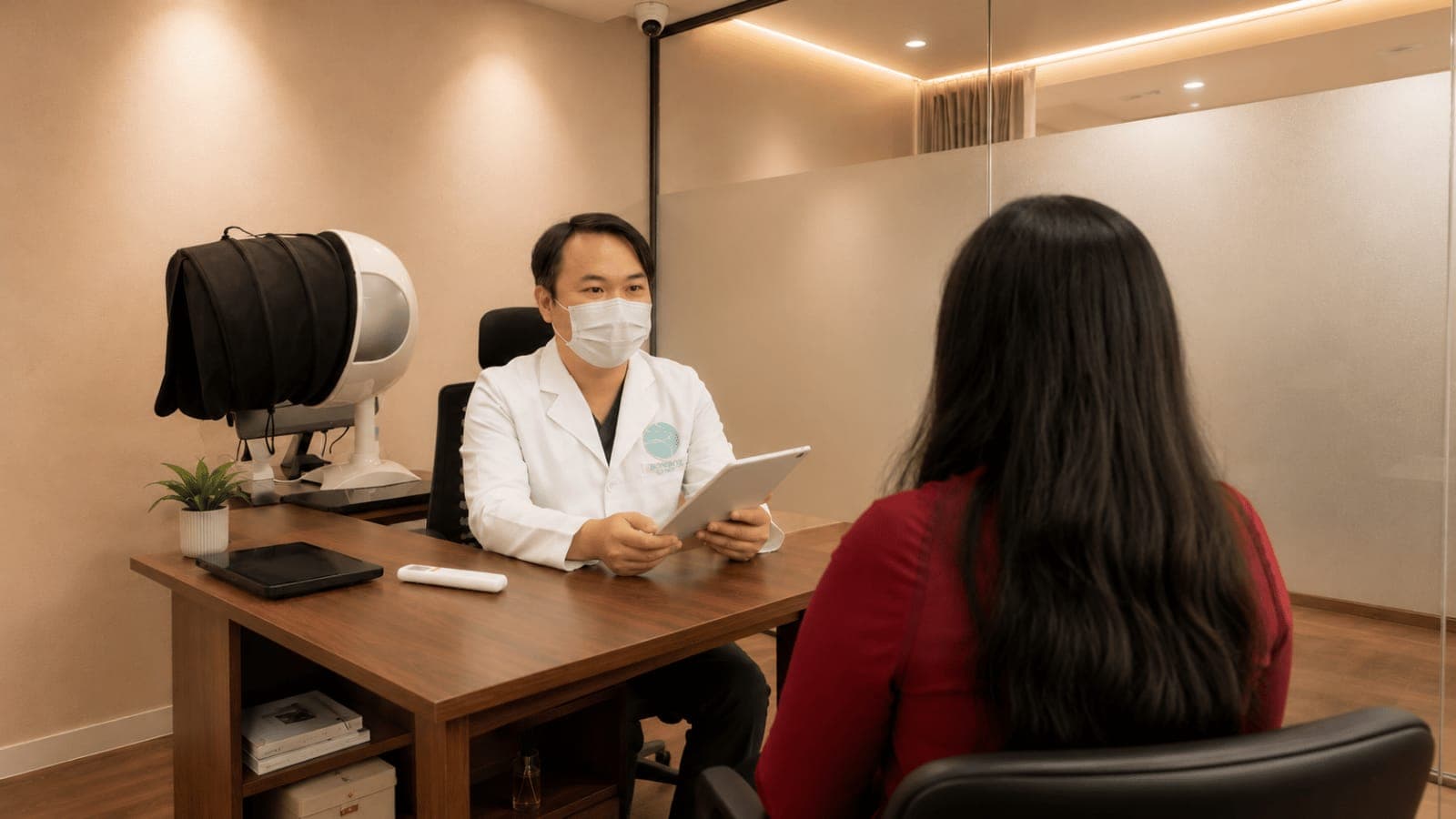
A dermatologist performs a digital skin analysis to distinguish enlarged pores from acne scars, assess sebum levels, and evaluate sun damage. We perform medical-grade blackhead extractions when indicated, prescribe a targeted home-care regimen, and recommend laser toning or microneedling RF when appropriate. We set clear, realistic expectations: pores can be refined, but they do not disappear.
Severity levels
1
Mild — visible only on the nose
Caused by excess oil and sebaceous filaments. Proper home care (BHA, sunscreen, proper cleansing) provides noticeable improvement.
2
Moderate — inner cheeks and T-zone
Accompanied by recurrent blackheads. Requires medical-grade comedone extraction + prescribed retinoids + chemical peel or laser toning sessions.
3
Severe — accompanied by aging and sagging skin
Follicular openings elongate into teardrop shapes due to loss of elasticity. Requires collagen stimulation (microneedling RF, laser) combined with clinical skin care.
When should you see a doctor?
- Enlarged pores with recurring blackheads and closed comedones, despite a consistent skincare routine.
- Uncertainty about whether you are dealing with enlarged pores or pitted acne scars.
- Redness, peeling, and stinging after using at-home "pore-tightening" products—suspected skin irritation.
- Interest in using retinoids or undergoing laser treatments while currently pregnant, breastfeeding, or taking other medications.
How BonBoz treats it
Prescription skincare regimen
Doctor-prescribed topical BHAs, retinoids, and sebum-control agents—the foundation of every treatment plan.
Learn about this method →Medical-grade blackhead extraction
Proper follicular cleansing technique that avoids further dilating the pore opening.
Learn about this method →Laser toning (Pastelle)
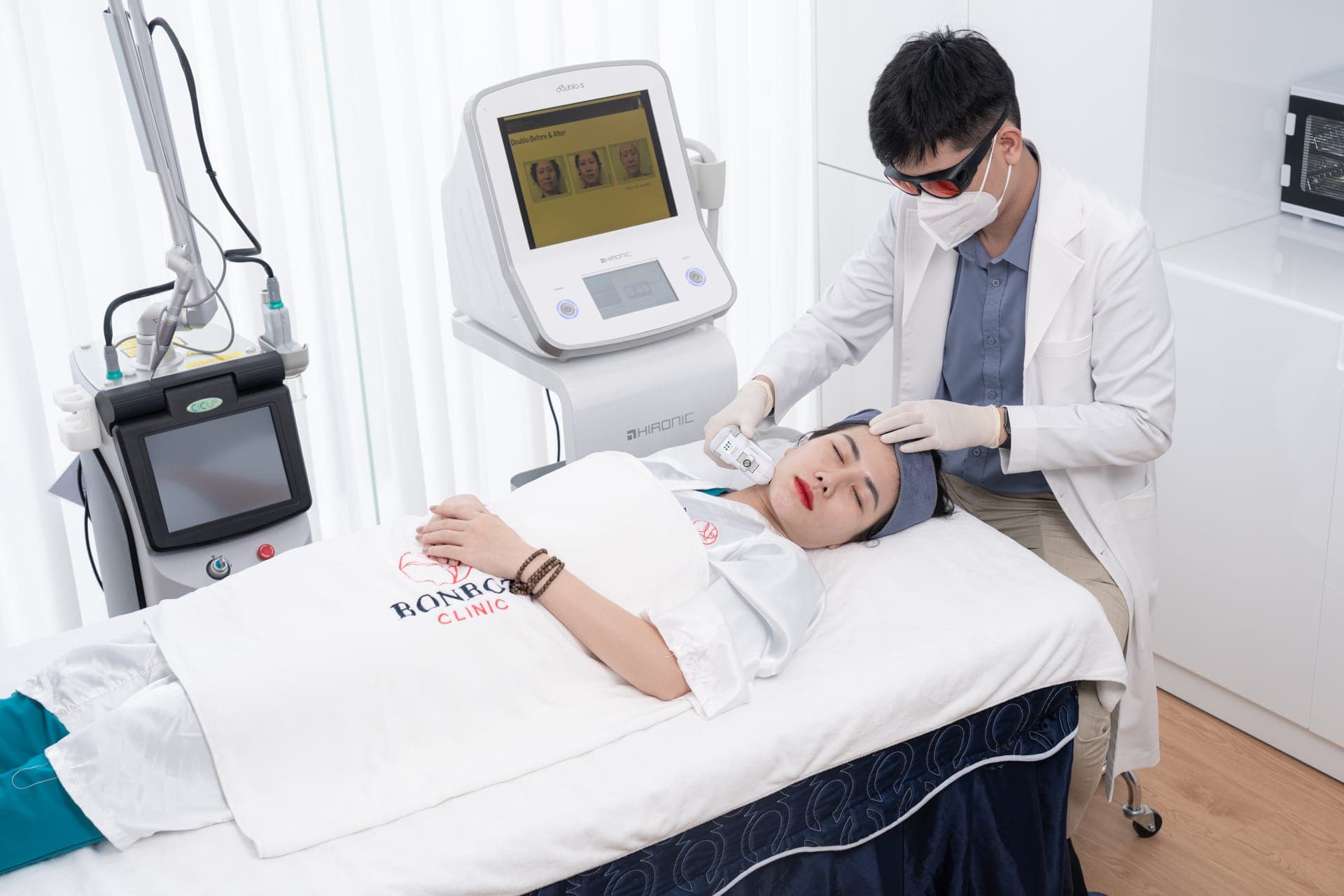
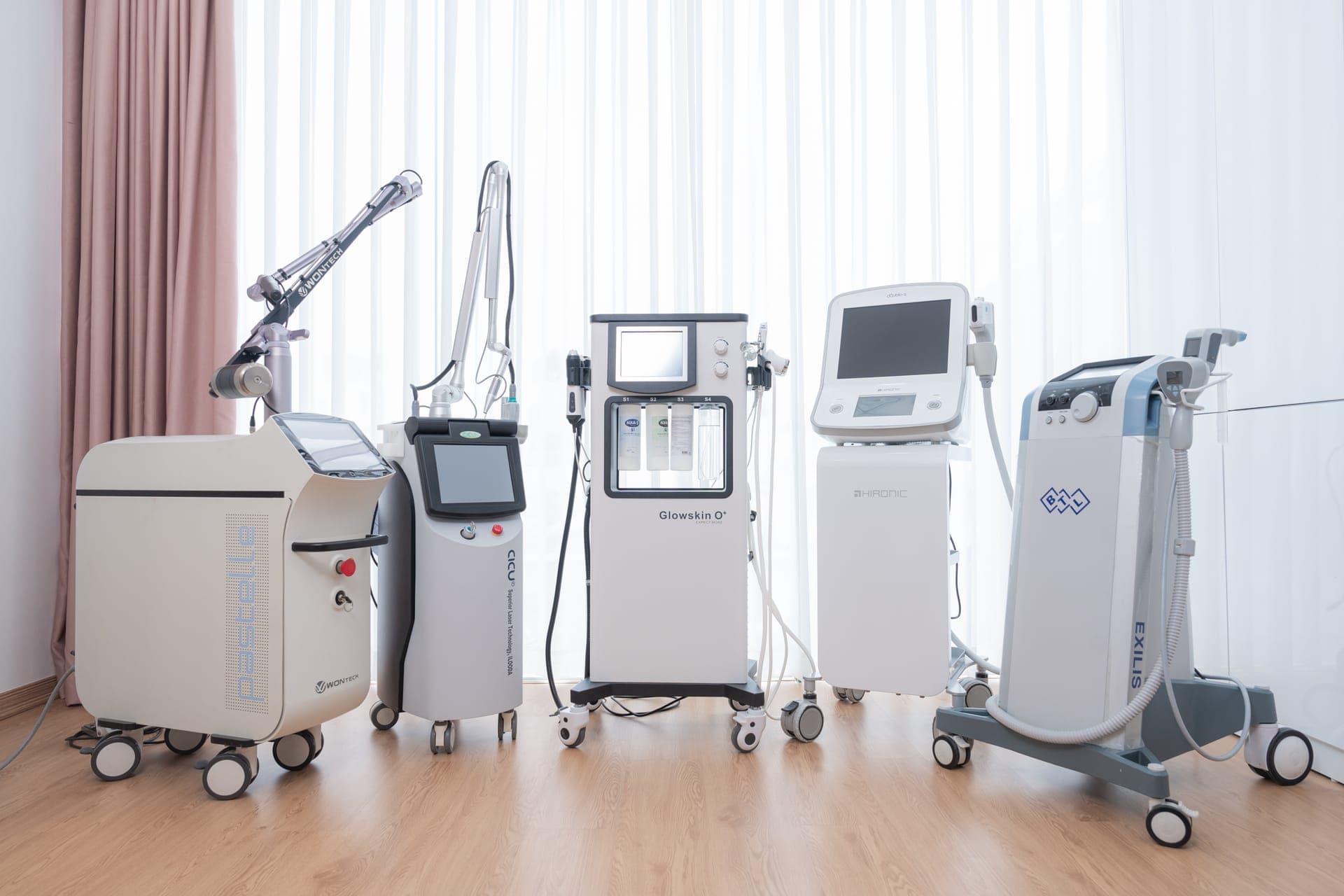
Stimulates superficial collagen and reduces excess oil, smoothing skin texture and visibly refining pores over a course of treatment.
Learn about this method →Microneedling RF
Firms the follicular walls when enlarged pores are accompanied by a loss of skin elasticity.
Learn about this method →Want a cost range for your own case?
Estimate the cost →Cost guidance
Most improvements come from prescribed at-home skincare at a low cost. Laser toning and RF microneedling are charged per session; the doctor will outline a treatment plan after a skin analysis.
The final price follows the doctor’s recommendation after an in-person exam. A confirmed quote has no hidden extras.
Inside the BonBoz clinic
Book a consultation with a doctor
Choose a date, time slot and doctor — the clinic calls to confirm within 5 minutes during opening hours. Free consultation, no commitment.
Frequently asked questions
Is there any way to permanently shrink pores?
Does ice water or toner tighten pores?
Does squeezing blackheads make pores larger?
Can retinoids be used long-term?
How many Laser Toning sessions are needed?
Do large pores result from not drinking enough water?
Do pore-blurring primers harm the skin?
Can dry skin have large pores?
How soon can I see results?
Is sun avoidance necessary?
Related topics
- Microneedling Costs: How Pricing Is Determined and When It Is Worth It
- Laser Atrophic Scar Treatment Costs: Per-Session and Package Pricing
- Medical-grade Acne Treatment Cost: Pricing per Session and Full Treatment Plans
- Medical-grade acne extraction: how it differs from spa extractions, the sterilization process, and which types of acne should not be extracted.
- Chemical Peels for Acne, Hyperpigmentation, and Dull Skin: Acid Types, Peel Depths, Procedure, and Contraindications
- Sensitive, Red, and Stinging Skin: A Damaged Skin Barrier Following Improper Treatment and the Recovery Protocol
More from our doctors
What is the difference between pitted scars and enlarged pores? Can they be treated at the same time?
How do atrophic scars and enlarged pores differ, why are they easily confused, can they coexist, and can they be treated simultaneously? — Helping you choose the right path.
How to Get Rid of Blackheads on the Nose Permanently: A Guide from BonBoz
Blackheads on the nose can be completely resolved through a combination of proper skincare and professional treatments at a medical aesthetic clinic.
Should Blackheads Be Popped?
You should not extract blackheads at home. Improper extraction can easily lead to inflammation, post-inflammatory hyperpigmentation (PIH), and scarring—it is best to cleanse properly and let professionals handle the procedure when thorough removal is needed.
How Many Times a Day Should You Wash Oily, Acne-Prone Skin? Doctor's Advice
Oily, acne-prone skin should not be washed more than 2–3 times a day. Over-washing dries out the skin, triggering excess oil production and worsening acne.
Medical-Grade Acne Extraction Protocol: Proper Techniques to Prevent Scarring
Medical-grade acne extraction is a procedure performed by a qualified dermatologist, using sterile instruments and proper techniques to safely remove acne without damaging the skin.