
Rolling scars
Rolling scars are wide depressions measuring 4–5 mm across with sloping edges, giving the skin a wavy, undulating texture when stretched. They are caused by subcutaneous fibrous bands tethering the base of the scar, so treatment typically begins with subcision to release these fibrous bands, followed by laser therapy or microneedling to smooth and even out the skin surface.
Compiled from BonBoz Clinic clinical documentation — currently in medical review
Identifying Rolling Scars
When you stretch the skin on your cheeks, the depressions almost completely flatten out—this is the hallmark sign of rolling scars, unlike boxcar or icepick scars which remain unchanged when the skin is stretched. The surface resembles rolling waves or soft undulations with no sharp edges. This type commonly appears on the lower cheeks and jawline, where inflammatory acne previously spread.
Why Are Surface Treatments Alone Not Enough?
The root cause of rolling scars lies in the fibrous bands beneath the skin that anchor the scar base to deeper tissues. Lasers or microneedling target the superficial to mid-dermis to stimulate new collagen production; however, if these fibrous bands continue to pull downward, the scar base can hardly lift. Therefore, for rolling scars, dermatologists often consider subcision prior to or during the same session as surface resurfacing methods.
What Is Subcision?
A dermatologist inserts a specialized needle beneath the skin to sever the fibrous bands, releasing the tethered scar base. This controlled subcutaneous trauma also triggers the body to generate new tissue that fills the released space. This is a subcutaneous minimally invasive procedure that must be performed by a physician under local anesthesia; mild bruising may occur for a few days afterward.
How to Properly Combine Treatments?
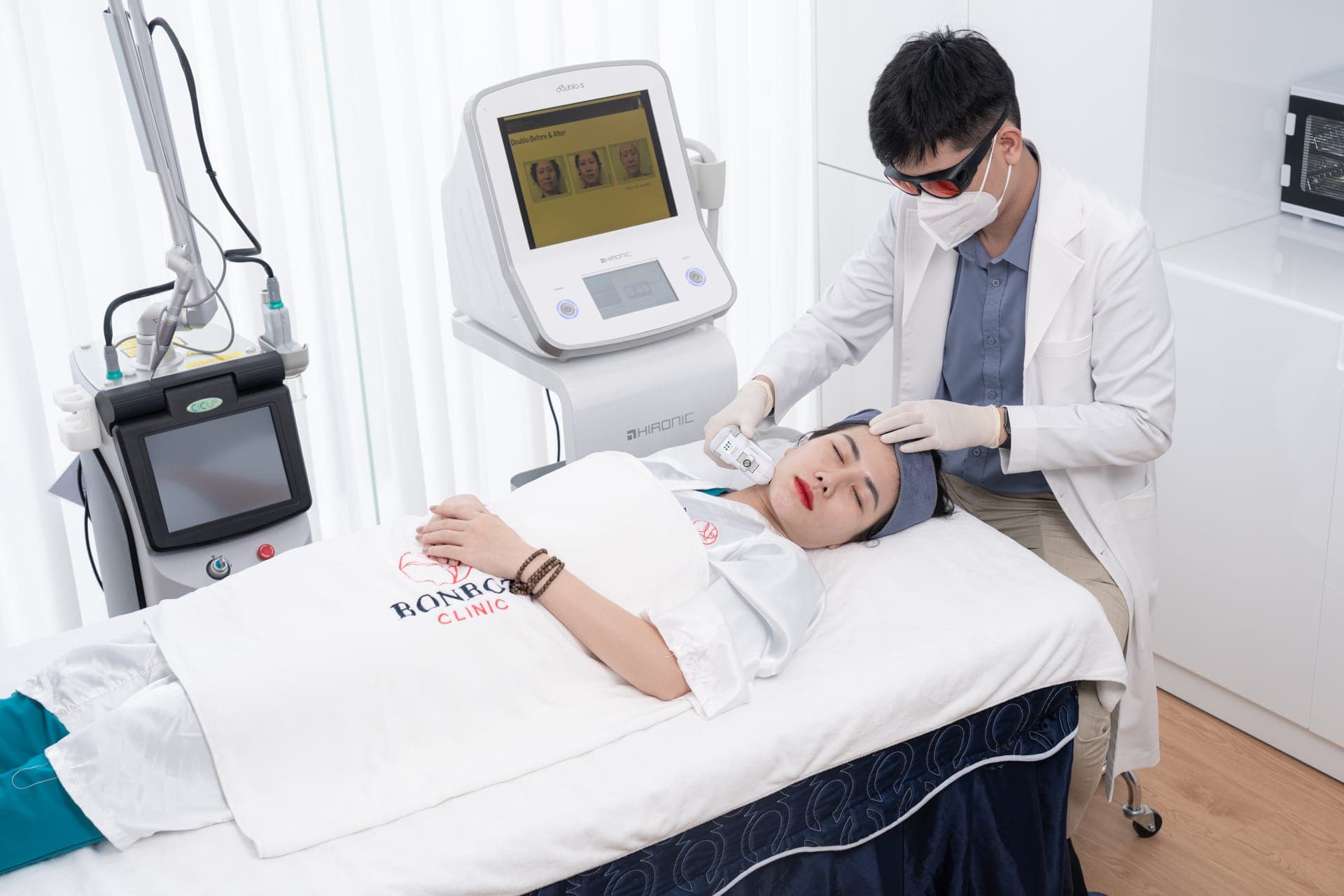
A common treatment plan involves: subcision for undulating areas, followed by fractional CO2 laser or microneedling RF to refine the skin surface and treat interspersed scars; temporary dermal fillers or PRP may occasionally be added to support recovery as clinically indicated. The sequence and interval between each step are determined by the doctor based on your skin's response.
What We Do at BonBoz
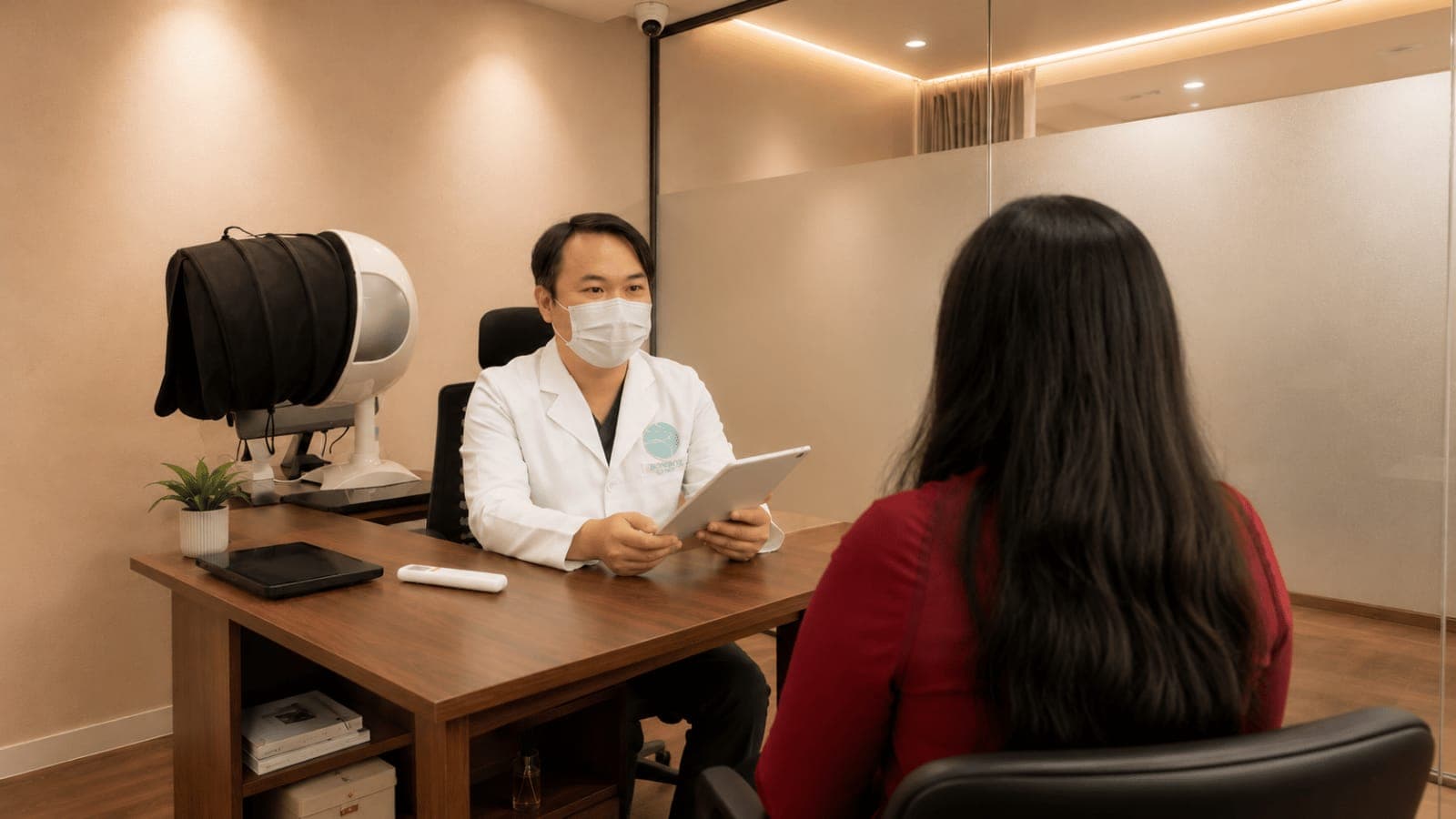
Our dermatologists assess your skin under magnification, perform skin-stretching tests to classify each scarred area, mark the zones requiring subcision, and discuss a customized combination plan, the estimated number of sessions, and expected downtime. The degree of improvement varies depending on individual skin response and scar depth; our doctors will clearly communicate what can and cannot be achieved before you make a decision.
Severity levels
1
Superficial — faint waviness under angled lighting
A few soft depressions that flatten almost completely when the skin is stretched. Can be improved with laser or microneedling, without requiring subcision.
2
Moderate — distinct rolling texture
Multiple broad depressions on the cheeks, with tethering bands still visible when the skin is stretched. Typically requires subcision combined with laser/RF microneedling.
3
Severe — deeply tethered, mixed with other scar types
The base is firmly anchored to deeper tissues, interspersed with boxcar and icepick scars. Requires a multi-step, multi-session treatment plan with the expectation of gradual improvement.
When should you see a doctor?
- Waviness on the cheeks becomes more noticeable when smiling or viewed from an angle — an evaluation is needed to determine the presence of fibrous tethering bands.
- You have undergone several laser sessions, but the broad depressed areas remain unchanged — the root cause may be unreleased fibrous bands.
- The skin around the scars is thin, with visible blood vessels or post-inflammatory hyperpigmentation from previous procedures.
- You are considering dermal fillers for your scars — a physician’s assessment is essential, as fillers are not suitable for all scar types.
How BonBoz treats it
Subcision
Releasing underlying fibrous bands to free the scar base — an essential step for rolling scars.
Learn about this method →Fractional CO2 Laser
Resurfacing the skin and stimulating collagen production after the scar base has been released.
Learn about this method →Microneedling RF
Stimulating deeper skin layers, ideal for tethered scars and skin prone to hyperpigmentation.
Learn about this method →PRP for Recovery Support
Utilizing your own platelet-rich plasma alongside treatment to support post-procedure skin healing.
Learn about this method →Want a cost range for your own case?
Estimate the cost →Cost guidance
The cost includes subcision (charged by area) combined with laser/RF microneedling sessions. The doctor will provide the estimated total cost for the treatment plan following your consultation; a reference price range is available in our cost estimator tool.
The final price follows the doctor’s recommendation after an in-person exam. A confirmed quote has no hidden extras.
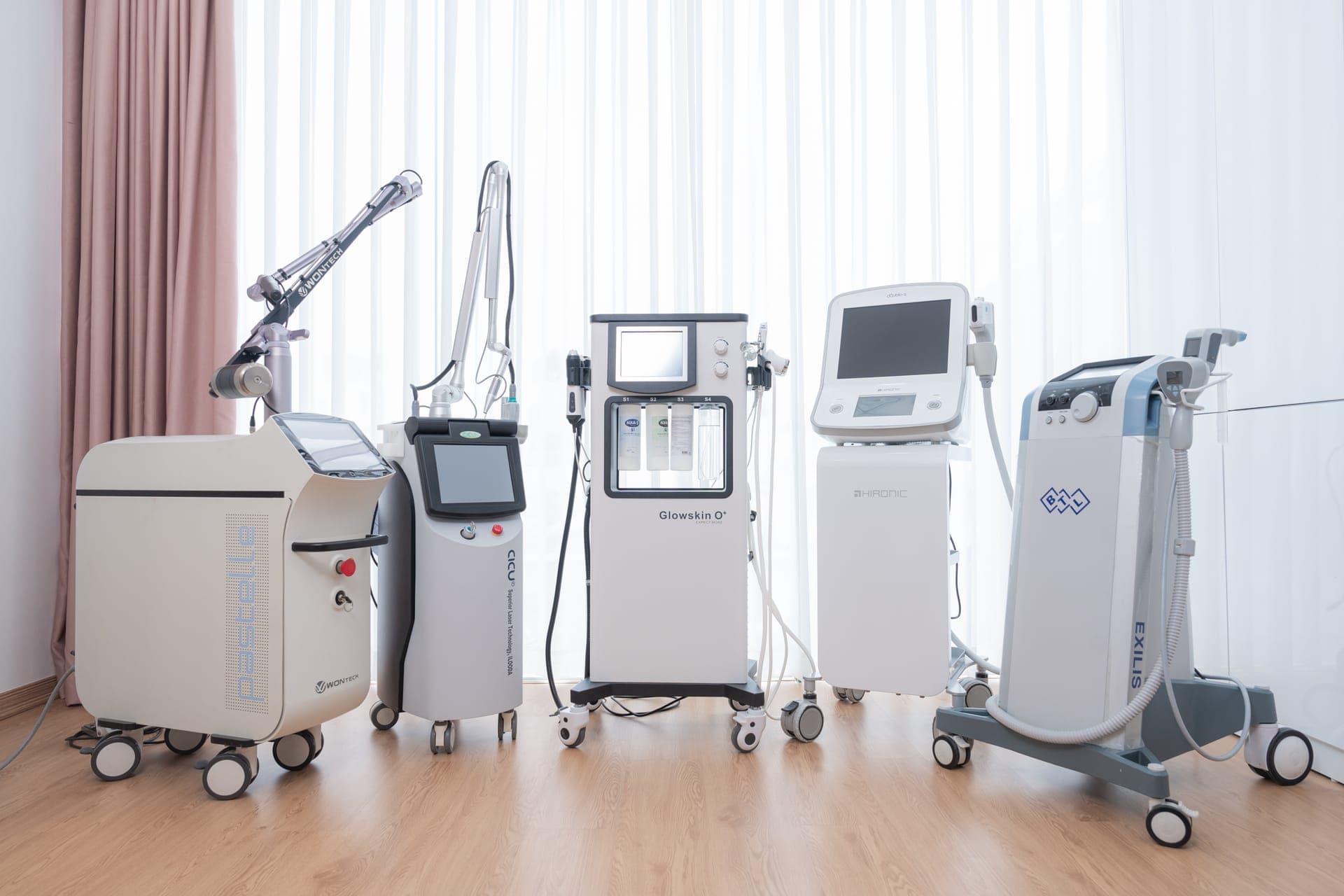
Inside the BonBoz clinic
Book a consultation with a doctor
Choose a date, time slot and doctor — the clinic calls to confirm within 5 minutes during opening hours. Free consultation, no commitment.
Frequently asked questions
Is scar subcision painful?
How long does bruising last after subcision?
Can I only undergo laser treatment without subcision?
How many subcision sessions are enough?
Is it advisable to inject fillers into atrophic acne scars?
Do rolling scars improve naturally with age?
What should be avoided after the procedure?
Can thin skin undergo subcision?
How long does the treatment plan take?
Who performs the subcision procedure at BonBoz?
Related topics
- Microneedling Costs: How Pricing Is Determined and When It Is Worth It
- Laser Atrophic Scar Treatment Costs: Per-Session and Package Pricing
- Medical-grade Acne Treatment Cost: Pricing per Session and Full Treatment Plans
- Medical-grade acne extraction: how it differs from spa extractions, the sterilization process, and which types of acne should not be extracted.
- Chemical Peels for Acne, Hyperpigmentation, and Dull Skin: Acid Types, Peel Depths, Procedure, and Contraindications
- Sensitive, Red, and Stinging Skin: A Damaged Skin Barrier Following Improper Treatment and the Recovery Protocol
More from our doctors
What is subcision for acne scar treatment? When is a combination therapy needed?
The mechanism of subcision, why it is ideal for rolling scars, when to combine it with other treatments, and key safety considerations.
How do icepick, boxcar, and rolling scars differ? Which type is more difficult to treat?
Differentiating 3 Types of Atrophic Acne Scars — Ice Pick, Boxcar, and Rolling — and Why Dermatologists Must Classify Them Before Treatment.
What is PRP (Platelet-Rich Plasma) for acne scar treatment? When should it be combined?
What is PRP for acne scars, how does it work, when should it be combined with microneedling/laser, and who is the ideal candidate? Here is everything you need to know to set the right expectations.
Does scar treatment hurt? What each method actually feels like
What it feels like to undergo acne scar treatments with laser, microneedling, TCA Cross, and subcision: Why pain levels vary from person to person, and how to minimize discomfort.
Atrophic scars on the cheeks, forehead, and nose — which area is the most difficult to treat?
How do atrophic scars on the cheeks, forehead, and nose differ in characteristics and treatment response, which areas require extra caution, and what factors ultimately determine the results?
Will pitted scars return after treatment? How to maintain long-term results
Will acne scars return after treatment, why does the skin sometimes look worse temporarily, and how can you maintain long-term results through proper skincare and acne control?