
PRP — Platelet-Rich Plasma
PRP stands for Platelet-Rich Plasma, which is prepared from 10–20 ml of your own blood. Through centrifugation, the portion concentrated with platelets and growth factors is separated and then applied topically or injected into the skin immediately following microneedling, laser, or subcision treatments. Its primary role is to aid recovery; PRP alone does not fill atrophic scars when used as a standalone treatment. Because it is autologous, there is a low risk of allergic reactions.
Compiled from BonBoz Clinic clinical documentation — currently in medical review
What is PRP and How Does It Work?
Platelets contain growth factors that play a vital role in wound healing and tissue regeneration. When concentrated and introduced to an area with controlled micro-injuries (such as after microneedling, laser, or subcision), PRP is expected to help the skin recover faster and promote more favorable collagen remodeling. Individual responses vary depending on platelet quality, processing methods, and application techniques.
Its True Role in Acne Scar Treatment
PRP is an adjunctive step, not a primary standalone treatment: controlled micro-trauma (needles, lasers, subcision) is what triggers regeneration, while PRP supports the recovery phase. Studies show that combining PRP with microneedling or laser yields better clinical outcomes in certain patient groups compared to these modalities alone, but PRP cannot replace them. Having the right expectations prevents you from spending money on standalone PRP treatments for scar revision.
Beyond Acne Scars: Other Applications of PRP
PRP is also used to accelerate post-laser recovery, improve skin elasticity and hydration via mesotherapy/micro-injections (often referred to as facial PRP/PRF), and support hair loss management according to specific medical indications. Each indication has varying levels of clinical evidence; our doctors will clearly explain what PRP can achieve and what remains uncertain.
Safety Profile
Because it is derived from your own blood, PRP does not cause allergic reactions to the substance itself; the primary risks stem from procedural factors (aseptic technique during blood drawing, processing, and reinjection) and injection technique. The procedure must be performed by a physician in a medical facility with strict sterilization protocols.
The Approach at BonBoz
Our dermatologists determine whether to incorporate PRP based on your specific treatment goals and individual skin profile. Blood is drawn and processed using a sterile kit, then applied immediately following microneedling, laser, or subcision, or administered via micro-injections as indicated. PRP is never sold as a standalone treatment course at BonBoz.
Technique variants
1
Standalone PRP
Injected or applied topically following micro-injuries for supportive care.
2
PRP combined with microneedling
Combined to deliver PRP into the newly created micro-channels.
3
PRP combined with laser or RF microneedling
Supports recovery in scar treatment protocols for ice pick, boxcar, and rolling scars.
When should you see a doctor?
- Currently suffering from blood disorders, coagulation disorders, or taking anticoagulant medications.
- Active infection at the treatment area.
- Currently pregnant or breastfeeding.
- Expecting PRP to completely replace other acne scar treatments — PRP typically serves a supportive role, not the primary treatment modality.
How is it performed?
Draw 10–20 ml of venous blood into a specialized tube, then centrifuge for 10–15 minutes to separate the platelet-rich plasma (PRP). Following microneedling, laser treatment, or subcision, the doctor applies PRP onto the newly created micro-channels or performs intradermal micro-injections using a fine needle. The entire procedure takes 45–60 minutes.
Before the procedure
Eat a light meal and stay well-hydrated before blood collection. Avoid alcohol and non-steroidal anti-inflammatory drugs (NSAIDs) for 2–3 days prior, as directed, since these can affect platelet function. Please inform us of any blood disorders, active infections, or current use of anticoagulants.
After the procedure
Follow the post-care instructions of the accompanying procedure (microneedling/laser). For mesotherapy: mild pinpoint redness and slight swelling may persist for 1–2 days; avoid makeup for 24 hours; apply sun protection; and avoid saunas and steam rooms for 3 days.
Possible risks — your doctor explains them before treatment
- Mild bruising and swelling at the injection site for 1–3 days
- Risk of infection if blood collection, centrifugation/separation, or injection procedures are not strictly sterile
- Variable and unpredictable responses depending on the individual
- Additional cost with minimal marginal benefit in certain cases
Who should NOT have this?
- Blood disorders, thrombocytopenia, or coagulation disorders
- Active systemic or localized infections
- Currently taking anticoagulants without prior physician consultation
- Active malignancies currently undergoing treatment
- Pregnant or breastfeeding (insufficient safety data — defer treatment)
- Expecting standalone PRP to fill atrophic scars
How BonBoz uses it
BAP Technique (Bio Aesthetic Points) with Skin Restructuring HA
The BAP technique involves injecting high-concentration, thermally cross-linked (chemical-free) HA into 5 specific anatomical points on each side of the face. This allows the product to diffuse widely, stimulating collagen and elastin production across a broad area. It improves skin firmness, elasticity, and overall skin quality without altering facial contours.
Learn about this method →Botulinum Toxin (Botox)
Botulinum toxin provides controlled relaxation of muscles responsible for dynamic wrinkles (forehead lines, frown lines, crow's feet) or overactive muscles (masseter, mentalis). Results appear within 5–14 days and last for 3–4 months.
Learn about this method →HA Dermal Fillers
HA dermal fillers consist of cross-linked hyaluronic acid gel injected into the skin or periosteum to restore volume, contour facial features (chin, nose, cheeks, lips), and smooth static wrinkles. They gradually dissolve over 6–18 months and can be reversed with an enzyme if needed.
Learn about this method →Non-Surgical Aesthetic Medicine
Services page: Our specialist physicians will examine you, recommend a suitable treatment plan, and provide transparent pricing before you make your decision.
Learn about this method →Want a cost range for your own case?
Estimate the cost →Cost guidance
The cost depends on the number of sessions in your treatment plan, the plasma separation protocol, and whether PRP is combined with other procedures.
The final price follows the doctor’s recommendation after an in-person exam. A confirmed quote has no hidden extras.
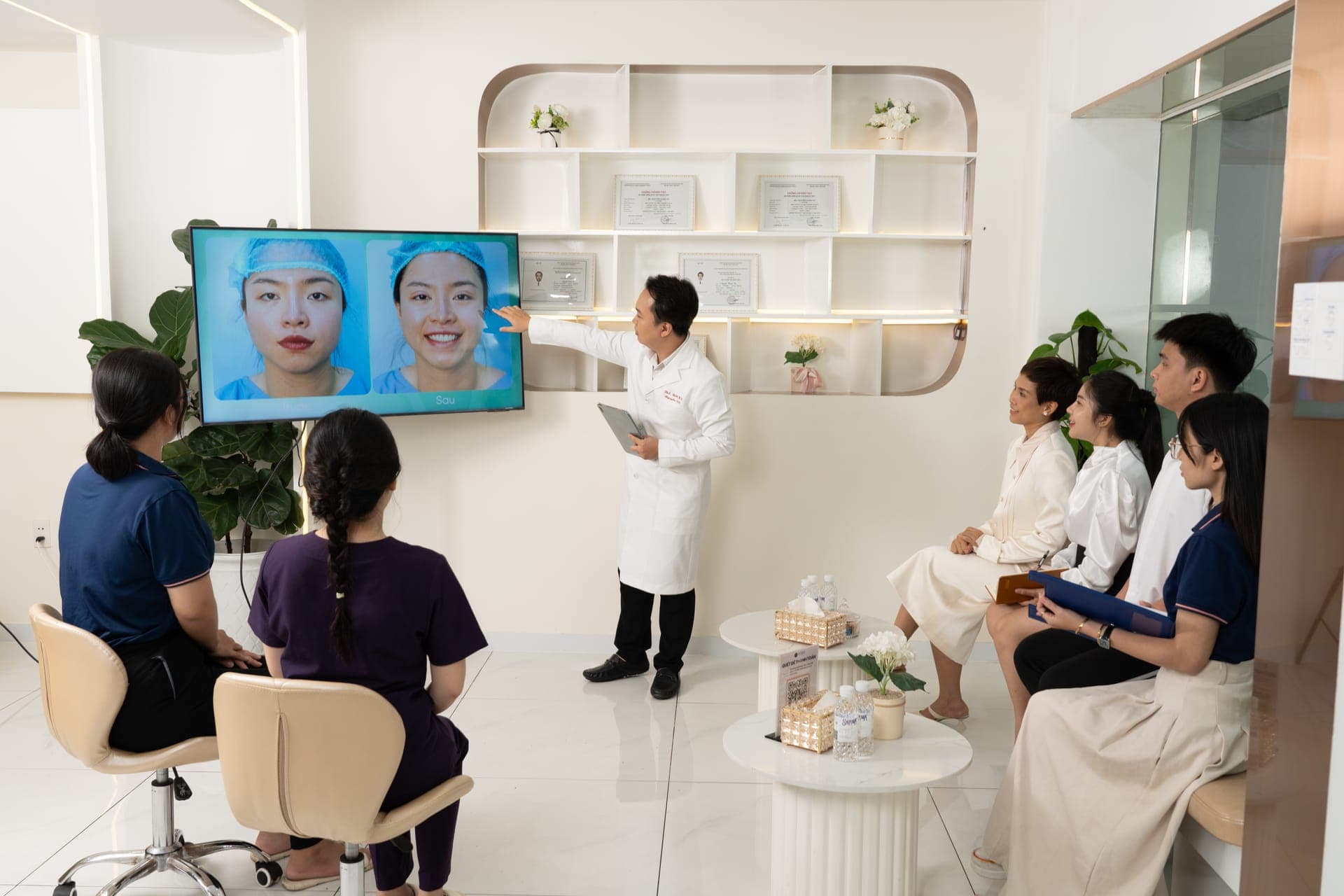
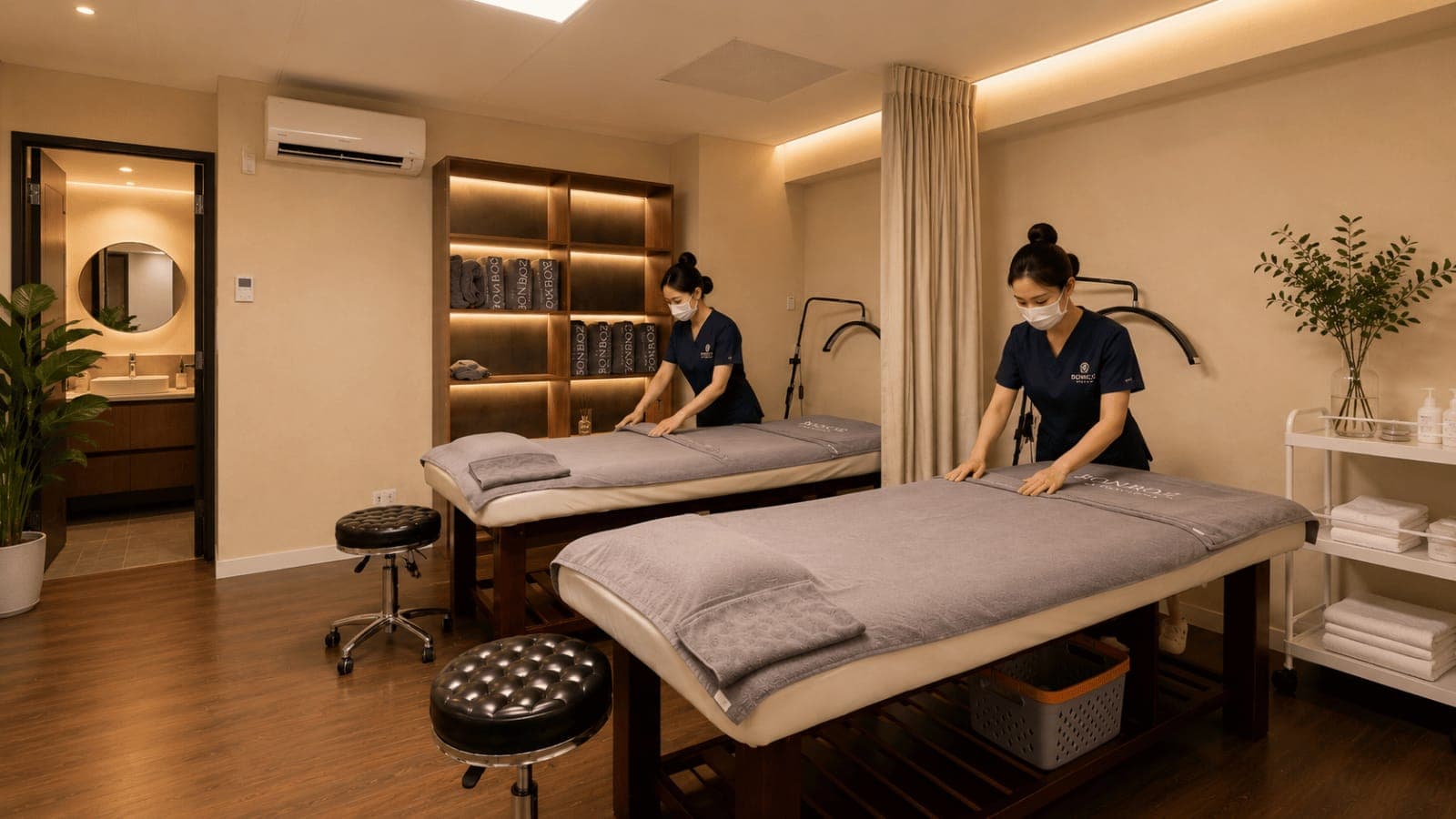
Inside the BonBoz clinic

Book a consultation with a doctor
Choose a date, time slot and doctor — the clinic calls to confirm within 5 minutes during opening hours. Free consultation, no commitment.
Frequently asked questions
Can PRP fill pitted acne scars?
Is PRP safe?
How much blood is drawn?
Is the procedure painful?
How many sessions are needed?
What is the difference between PRP and PRF?
Can PRP treat hair loss?
What medications should be taken or avoided before PRP?
When will results be visible?
Who performs the procedure at BonBoz?
Related topics
- PRP (Platelet-Rich Plasma) Cost: Price Range Reference
- Mesotherapy and Skin Booster Costs: Price per Session and Treatment
- Dermal Filler Cost by Treatment Area: Price per cc and Key Factors
- Botox Cost by Area: Reference Price Range
- BAP (Bio Aesthetic Points) Technique with Skin-Restructuring HA: 5 Points per Side of the Face, Mechanism of Action, and Ideal Candidates
- Mesotherapy (Micro-injections of Active Ingredients): Mechanism of Action, Common Ingredients, Treatment Protocol, and Limitations
More from our doctors
What is PRP (Platelet-Rich Plasma) for acne scar treatment? When should it be combined?
What is PRP for acne scars, how does it work, when should it be combined with microneedling/laser, and who is the ideal candidate? Here is everything you need to know to set the right expectations.
Microneedling for Acne Scars: How Effective Is It and How Does It Differ from Laser Therapy?
The Mechanism of Microneedling for Atrophic Acne Scars, Real Results, Number of Sessions, Comparison with Lasers, and Ideal Candidates.
What is subcision for acne scar treatment? When is a combination therapy needed?
The mechanism of subcision, why it is ideal for rolling scars, when to combine it with other treatments, and key safety considerations.
Will pitted scars return after treatment? How to maintain long-term results
Will acne scars return after treatment, why does the skin sometimes look worse temporarily, and how can you maintain long-term results through proper skincare and acne control?