
Acne and Corticosteroid-Damaged Skin
Steroid-induced acne develops from the prolonged use of unverified homemade bleaching creams, herbal alcohol tinctures, or topical corticosteroids: the skin becomes thin, erythematous, telangiectatic, burning, and covered in severe pustular eruptions that flare up aggressively upon discontinuation. This condition is a drug-induced dermatitis. Recovery requires a dermatologist to establish a controlled tapering protocol and restore the skin barrier over several weeks.
Compiled from BonBoz Clinic clinical documentation — currently in medical review
Why do homemade bleaching creams make your skin look good before ruining it?
Corticosteroids suppress inflammation and give the skin a fair, glowing, smooth appearance within the first few weeks—which is why these unregulated mixed creams sell so well. With prolonged use, however, corticosteroids thin the dermis, cause telangiectasia (broken capillaries), and suppress local immunity, allowing bacteria and yeasts to proliferate. The skin then becomes "addicted": stopping the cream triggers a severe rebound flare-up with sudden outbreaks of pustules, burning redness, and intense itching. Out of fear, many reapply the cream—deepening the vicious cycle.
Warning signs
Thin, translucent skin with visible fine blood vessels; diffuse redness across the cheeks with a burning sensation in the sun; widespread, uniform tiny pustules without comedones; skin that is simultaneously peeling dry and excessively oily; patchy hyperpigmentation or uneven depigmentation; and increased fine facial hair growth. A history of using unbranded, "traditional formula," or fast-whitening products (showing results in 1–2 weeks) strongly suggests steroid-induced damage.
What not to do
Stopping abruptly without a planned protocol when the skin is severely dependent—the severe rebound flare-up will make you give up. Switching to another mixed cream that claims to be "gentler." Squeezing or popping pustules on your own. Applying homemade masks or herbal peeling tinctures for "detoxification." Taking non-prescription oral antibiotics.
How does the recovery process work?
The dermatologist evaluates the level of steroid dependence and designs a tapering protocol: gradually reducing use or systematically substituting corticosteroids with non-steroidal anti-inflammatory agents, managing secondary bacterial or yeast infections, and restoring the skin barrier with soothing moisturizers and sunscreens. During the first 2–6 weeks, the skin may experience increased redness and breakouts—our dermatologists will prepare you for this and guide you through it; it is not a treatment failure. The skin gradually stabilizes after 2–4 months; vascular dilation and skin thinning take longer to improve.
How BonBoz approaches treatment
Our dermatologists conduct a thorough skin analysis, take a detailed history of your previously used products, classify the severity, and establish a tapering plan with close follow-up appointments (every 1–2 weeks initially), along with appropriate medical prescriptions and minimalist skincare guidance. Only once the skin has fully stabilized will we consider deeper restorative treatments or address any remaining hyperpigmentation and vascular dilation.
Severity levels
1
Mild — used for under 3 months
Mild redness, occasional pustules upon discontinuation. Tapered using alternative anti-inflammatory topicals, stabilizing within 4–8 weeks.
2
Moderate — used for 3–12 months
Visible skin thinning and erythema, widespread pustular eruption, severe flare-ups upon discontinuation. Requires a controlled withdrawal protocol combined with treatment for bacterial/yeast infections, lasting 2–4 months.
3
Severe — used for over 1 year
Telangiectasia, skin atrophy, patchy hyperpigmentation, severe steroid dependence. Requires an extended protocol with close follow-ups; telangiectasia may necessitate laser therapy once the skin stabilizes.
When should you see a doctor?
- Stopping a whitening product causes your skin to flare up with intense redness and a sudden outbreak of pustules within a few days.
- Skin becomes visibly thinned with visible blood vessels, stinging and burning when exposed to sunlight or during cleansing.
- You have stopped using bleaching creams for weeks, but the pustules and redness still have not subsided.
- You resort to reapplying the old product because the severe inflammatory flare-up is unbearable.
How BonBoz treats it
Controlled Corticosteroid Withdrawal Plan
Gradually tapering or substituting with non-steroidal anti-inflammatory agents according to a structured protocol, with close follow-ups during the first 1–2 weeks.
Learn about this method →Management of Secondary Bacterial / Fungal Infections
Prescription medications targeting pustules and folliculitis caused by microbial overgrowth on immunosuppressed skin.
Learn about this method →Skin Barrier Restoration
Restorative moisturizers, gentle sun protection, and a minimalist skincare routine—the foundation for every treatment phase.
Learn about this method →Post-Recovery Sequelae Treatment
Residual hyperpigmentation and telangiectasia are treated with appropriate laser therapies once the skin is no longer corticosteroid-dependent.
Learn about this method →Want a cost range for your own case?
Estimate the cost →Cost guidance
The withdrawal phase primarily relies on prescription medications and close follow-ups—cost-effective, but requiring patience. Restorative treatments and laser therapies for residual concerns are charged per session and only administered once the skin has stabilized.
The final price follows the doctor’s recommendation after an in-person exam. A confirmed quote has no hidden extras.
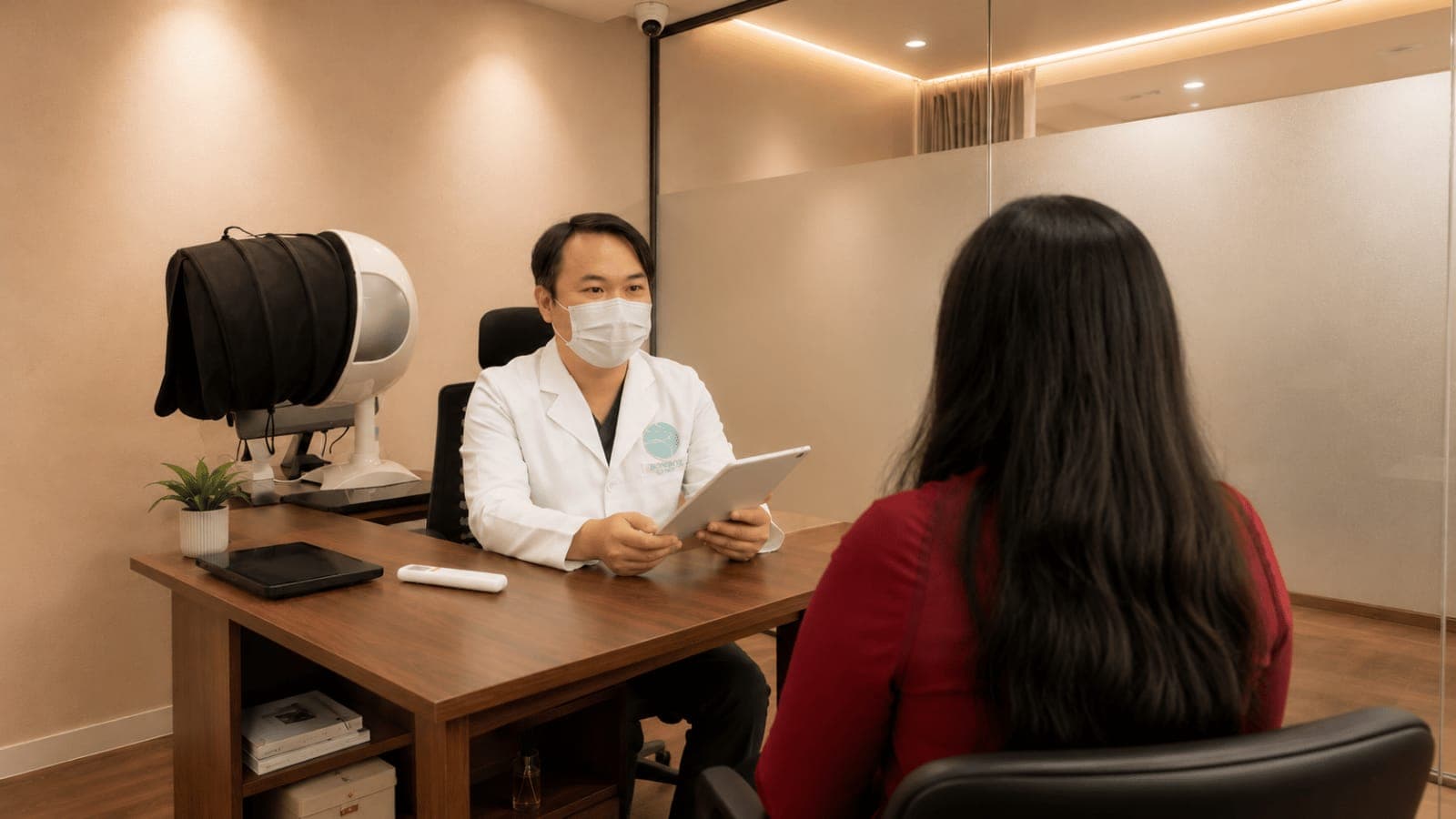
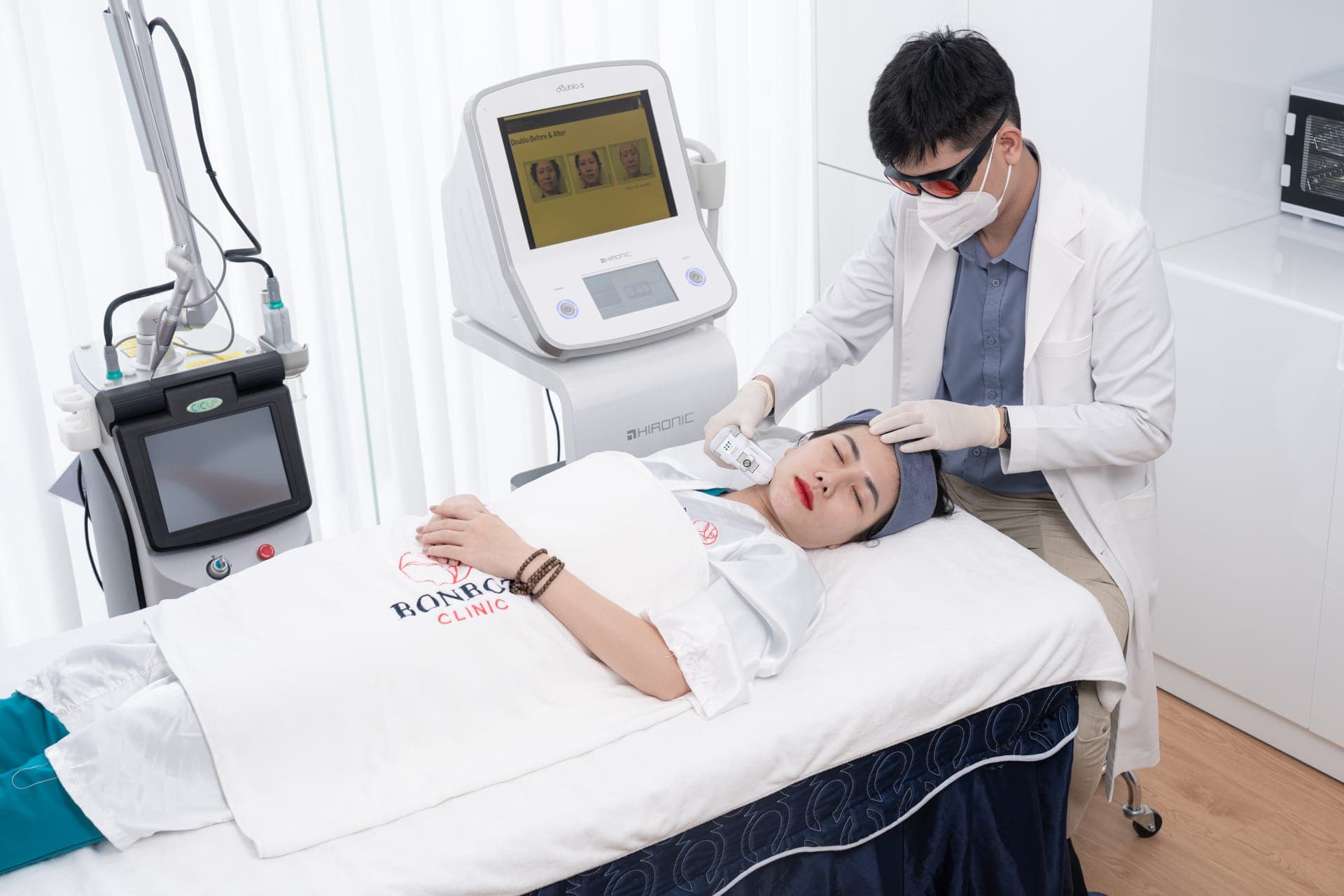
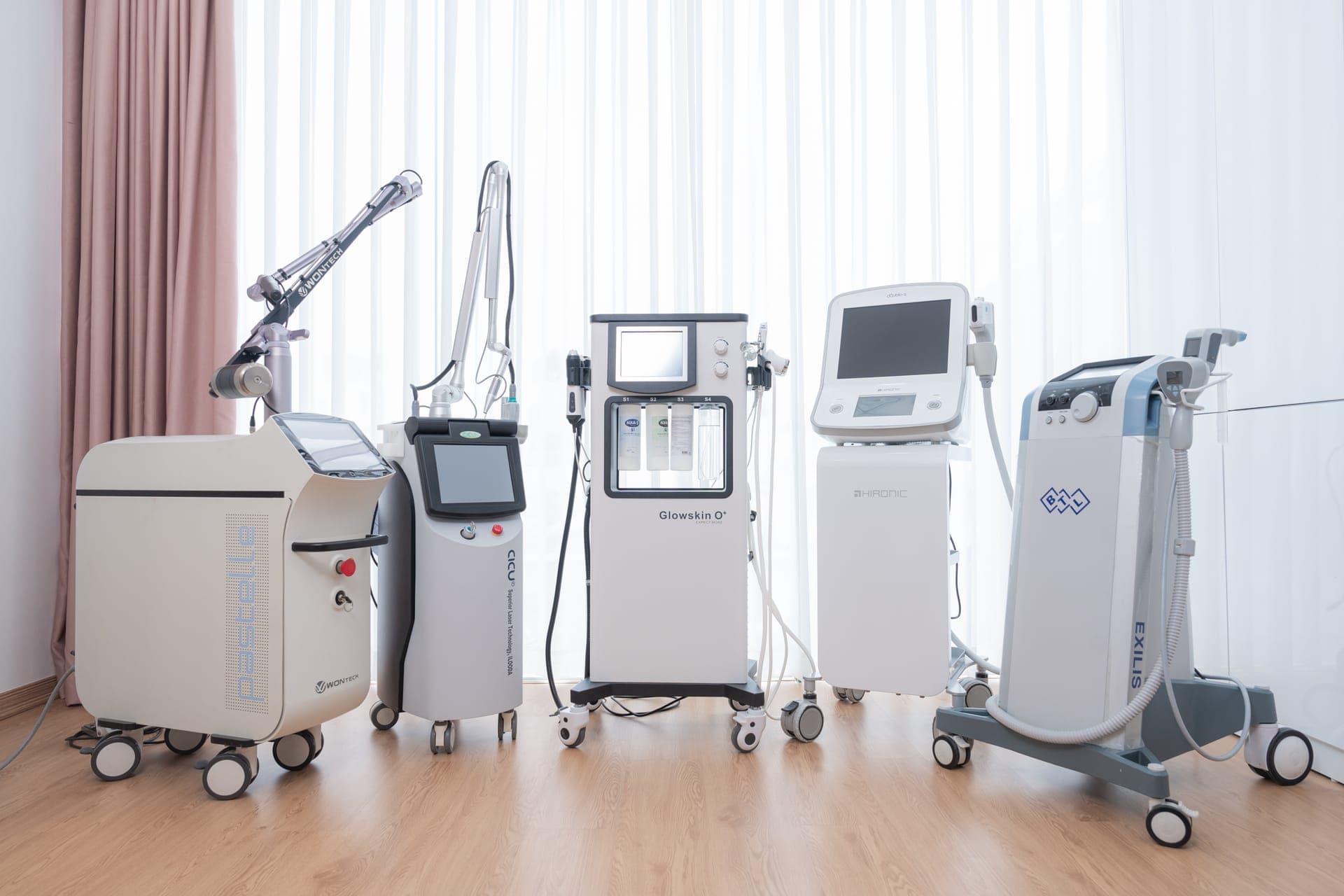
Inside the BonBoz clinic
Book a consultation with a doctor
Choose a date, time slot and doctor — the clinic calls to confirm within 5 minutes during opening hours. Free consultation, no commitment.
Frequently asked questions
How do I know if my cream contains corticosteroids?
Can I stop using it immediately?
How long will it take for my skin to stabilize?
Can I wear makeup during the withdrawal process?
Do face masks and facial steaming help 'detox' the skin?
Should I pop the pustules during a flare-up?
Will my skin return to its state before using the bleaching cream?
Will I need oral medication?
What can I use for safe skin brightening after recovery?
Who will manage my treatment at BonBoz?
Related topics
- Microneedling Costs: How Pricing Is Determined and When It Is Worth It
- Laser Atrophic Scar Treatment Costs: Per-Session and Package Pricing
- Medical-grade Acne Treatment Cost: Pricing per Session and Full Treatment Plans
- Medical-grade acne extraction: how it differs from spa extractions, the sterilization process, and which types of acne should not be extracted.
- Chemical Peels for Acne, Hyperpigmentation, and Dull Skin: Acid Types, Peel Depths, Procedure, and Contraindications
- Sensitive, Red, and Stinging Skin: A Damaged Skin Barrier Following Improper Treatment and the Recovery Protocol
More from our doctors
Steroid-Induced Acne from Prolonged Corticosteroid Use: Identifying Signs and Treatment Approaches
Prolonged use of topical corticosteroids, especially on the face, can cause adverse skin reactions such as perioral dermatitis, steroid acne, or rebound flares upon discontinuation. Safe management: DO NOT discontinue use abruptly on your own — consult your prescribing physician for a controlled tapering schedule, combined with targeted specialized treatment.
How Should Sensitive Skin Be Cared for After Acne Treatment? A Comprehensive Guide
After acne treatment, the skin often becomes more sensitive and delicate. You should adjust your skincare routine to prevent irritation and support skin recovery.
Red, Inflamed Acne: Why You Shouldn't Pop It Yourself and How to Treat It Properly
Popping inflamed, red, and swollen pimples on your own can worsen the condition, cause scarring, and spread infection. Doctors offer far safer, professional treatment methods.
How Long Does Acne Treatment Take? What You Need to Know
Acne treatment typically takes between 4 and 12 weeks, depending on the type of acne and the chosen method. Achieving optimal results requires patience and proper skincare.