
Boxcar scars
Boxcar scars are round or oval depressions, 2–4 mm in diameter, with vertical edges and a flat base, commonly found on the cheeks and temples. Compared to ice pick scars, they respond better to fractional CO2 laser, microneedling, or microneedling RF; deep boxcar scars may require additional subcision or TCA CROSS as indicated by a physician.
Compiled from BonBoz Clinic clinical documentation — currently in medical review
What Do Boxcar Scars Look Like?
You will notice relatively well-defined depressions, resembling a small piece of missing skin, with a flat base rather than a pointed one. Under angled lighting, the scar edges cast distinct shadow borders. These scars typically result from widespread inflammatory acne or chickenpox, and frequently coexist with rolling scars across the cheek area.
Depth Determines the Treatment Approach
Shallow boxcar scars (less than approximately 0.5 mm) respond well to resurfacing techniques because the tissue loss is confined to the superficial to mid-dermis. Deep boxcar scars have steeper edges with a lower base, requiring deeper stimulation—such as RF microneedling, higher-energy CO2 laser, or TCA CROSS applied to the scar base. Dermatologists assess the depth through dermoscopy and palpation, rather than visual estimation alone.
Why Are Multiple Sessions Necessary?
New collagen takes several weeks to regenerate following each session. Each treatment progressively elevates the scar base, yielding cumulative results over the course of the protocol. Scheduling sessions too closely together will not speed up the process, but rather increases the risk of post-inflammatory hyperpigmentation, particularly in darker skin types.
What to Do Before Scar Treatment
Control any active inflammatory acne, avoid picking or popping lesions, and apply sun protection consistently for at least several weeks beforehand. Stable skin responds better to treatment and carries a lower risk of complications. If you are currently taking oral retinoids for acne, inform your doctor, as this affects the timing of your procedures.
The BonBoz Approach
Our dermatologists evaluate your skin using dermoscopy, count and classify the scars, assess their depth, and recommend a combination protocol: fractional CO2 laser or RF microneedling for the overall area, TCA CROSS for isolated deep scars, and subcision if coexisting rolling scars are present. You will receive clear details regarding the expected number of sessions, downtime, and aftercare; the degree of improvement depends on individual physiological response, and our doctors do not promise predetermined numbers.
Severity levels
1
Shallow, scattered
Low-edged scars with bases close to the skin surface. Typically show noticeable improvement after a few sessions of microneedling or fractional CO2 laser.
2
Moderate, clustered
Distinct sloping edges intermingled with rolling scars. Require a combination of laser/RF microneedling and subcision, along with a longer treatment course.
3
Deep, wide
Deep-set bases with large diameters. Require deep stimulation and targeted focal treatments; improvement should be expected progressively in stages rather than complete eradication.
When should you see a doctor?
- New scars continue to form — active, inflammatory acne is not yet under control.
- The scarred area is darkening following at-home procedures or treatments at non-physician facilities.
- You are unsure of your scar type — a professional skin analysis is essential before choosing any treatment modality.
- Signs of co-existing hypertrophic or keloid scars are present (raised, itchy) — requiring a completely different treatment approach from atrophic scars.
How BonBoz treats it
Fractional CO2 Laser
Resurfaces the skin and stimulates collagen—often the primary consideration for shallow to medium boxcar scars.
Learn about this method →RF Microneedling
Dual stimulation (microneedles + RF thermal energy) delivered to deep dermal layers with minimal surface disruption—considered for deep scars or hyperpigmentation-prone skin.
Learn about this method →Microneedling
Less invasive than lasers, well-suited for shallow scars; frequently combined within comprehensive treatment protocols.
Learn about this method →TCA Cross / Subcision
Targeted treatment for isolated deep scars or releasing fibrous tethers in co-occurring rolling scars.
Learn about this method →Want a cost range for your own case?
Estimate the cost →Cost guidance
Costs are calculated per session and based on the combination of techniques used; shallow boxcar scars typically require fewer sessions than deeper scars. An estimated price range is available in our cost estimator tool, with the final quote provided by the doctor following a skin analysis.
The final price follows the doctor’s recommendation after an in-person exam. A confirmed quote has no hidden extras.
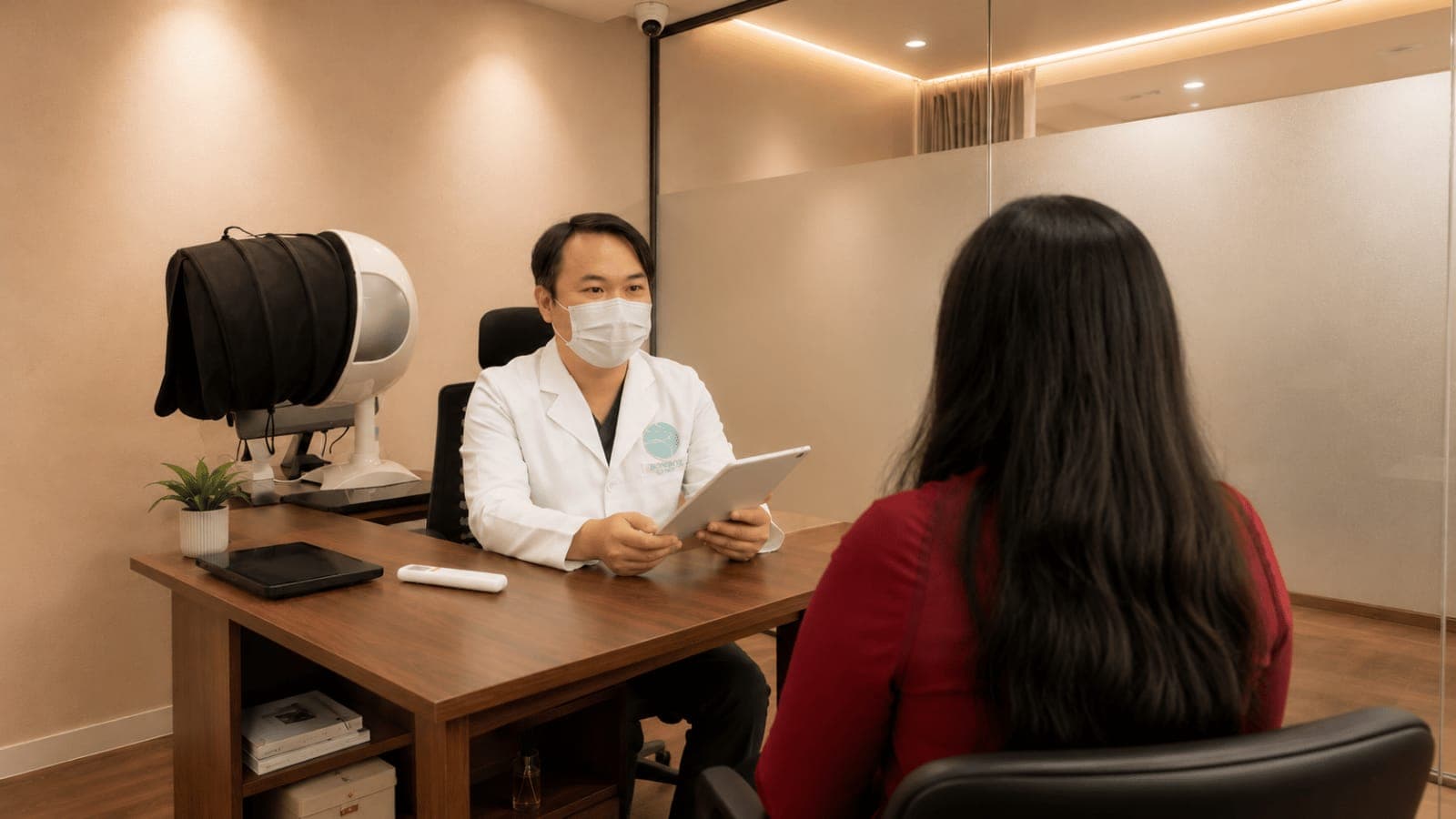
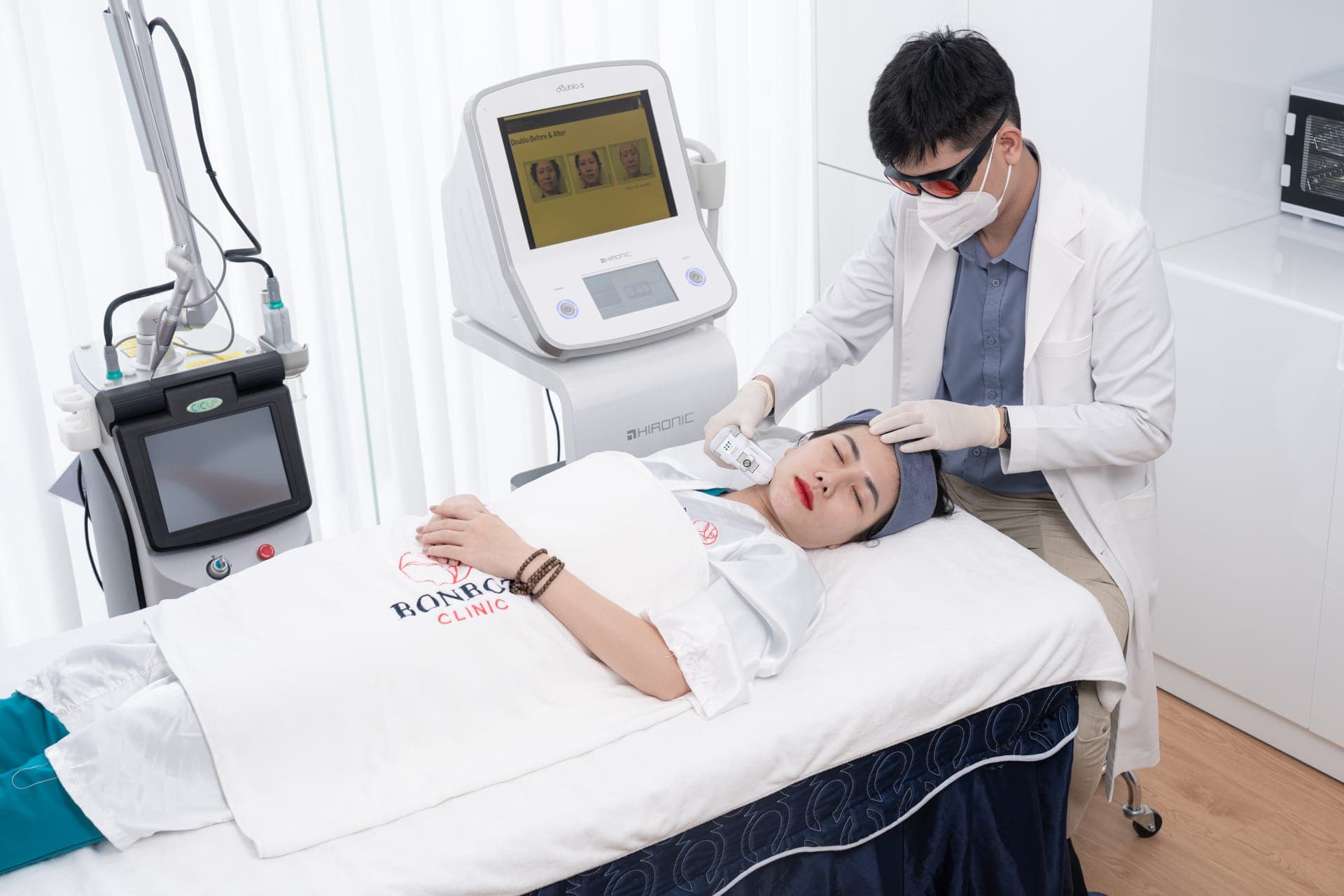
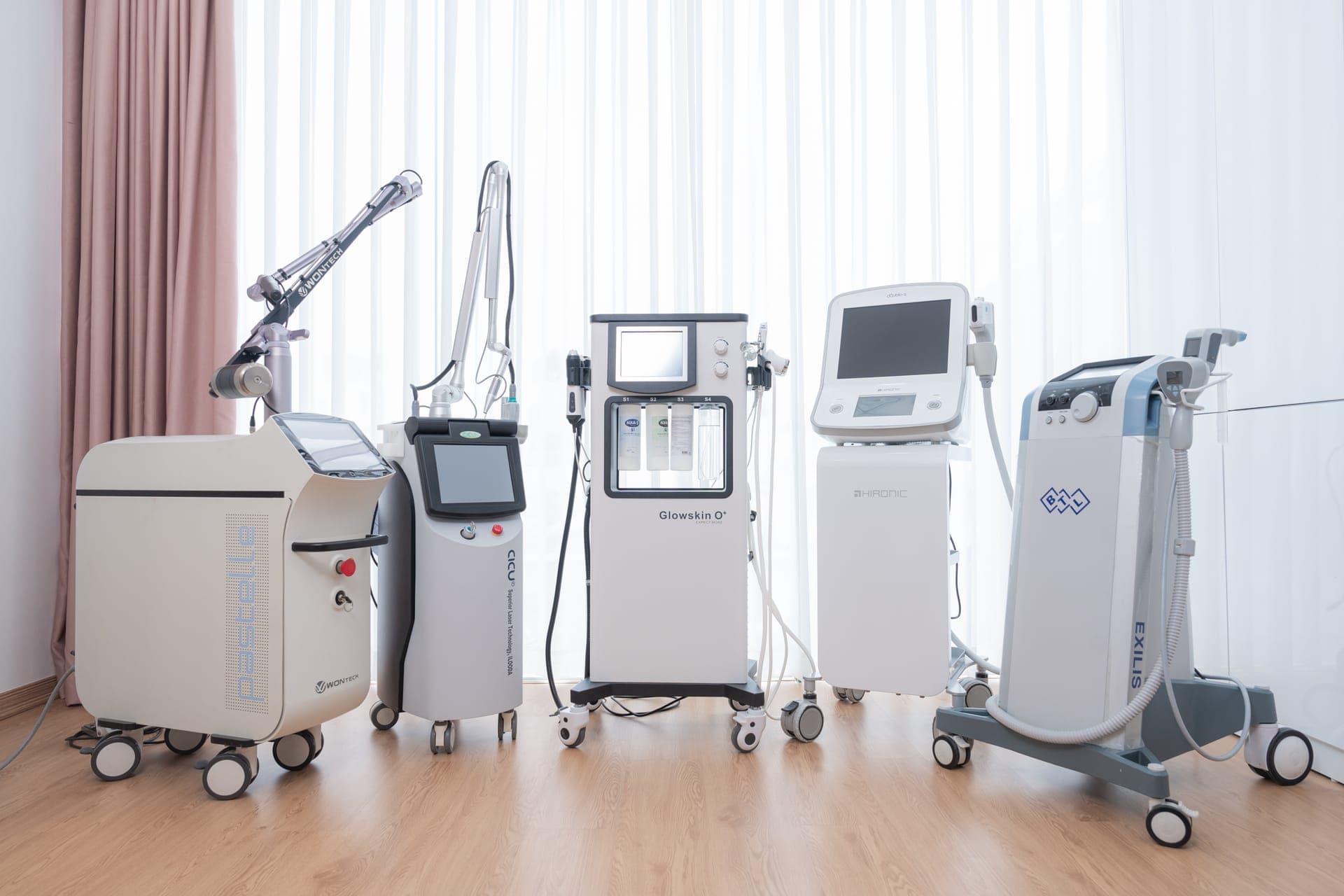
Inside the BonBoz clinic
Book a consultation with a doctor
Choose a date, time slot and doctor — the clinic calls to confirm within 5 minutes during opening hours. Free consultation, no commitment.
Frequently asked questions
Can boxcar scars be completely cured?
Is laser or microneedling better for boxcar scars?
How long after a session will I see a difference?
Can darker skin that is prone to hyperpigmentation undergo laser treatment?
Do I need to take time off work after the procedure?
What is the best time of year to treat atrophic scars?
Can I undergo treatment while taking oral acne medication?
Is maintenance required after completing the treatment plan?
How is the cost calculated?
Are boxcar scars genetic?
Related topics
- Microneedling Costs: How Pricing Is Determined and When It Is Worth It
- Laser Atrophic Scar Treatment Costs: Per-Session and Package Pricing
- Medical-grade Acne Treatment Cost: Pricing per Session and Full Treatment Plans
- Medical-grade acne extraction: how it differs from spa extractions, the sterilization process, and which types of acne should not be extracted.
- Chemical Peels for Acne, Hyperpigmentation, and Dull Skin: Acid Types, Peel Depths, Procedure, and Contraindications
- Sensitive, Red, and Stinging Skin: A Damaged Skin Barrier Following Improper Treatment and the Recovery Protocol
More from our doctors
How do icepick, boxcar, and rolling scars differ? Which type is more difficult to treat?
Differentiating 3 Types of Atrophic Acne Scars — Ice Pick, Boxcar, and Rolling — and Why Dermatologists Must Classify Them Before Treatment.
Fractional CO2 Laser for Acne Scars: How It Works and Who Is It For?
How Fractional CO2 Laser Works on Pitted Scars, Number of Sessions, Ideal Candidates, and Post-Treatment Care.
Microneedling for Acne Scars: How Effective Is It and How Does It Differ from Laser Therapy?
The Mechanism of Microneedling for Atrophic Acne Scars, Real Results, Number of Sessions, Comparison with Lasers, and Ideal Candidates.
What is Microneedling RF for Acne Scars? How Does It Differ from Traditional Microneedling?
What is RF microneedling for acne scars, how does it work, and how does it differ from traditional microneedling? This guide will help you choose the right treatment with your doctor.
When is the best time to treat pitted scars? Should you avoid the sunny season?
When is the best time to treat pitted scars? Why is sun exposure a critical factor, do you need to avoid the sunny season, and how should you prepare before starting treatment?
How to Care for Your Skin After Acne Scar Treatment for Fast Healing and Minimal Hyperpigmentation?
How to care for your skin after laser and microneedling treatments for acne scars: soothing, moisturizing, sun protection, avoiding mistakes that cause hyperpigmentation, and knowing when to see a doctor.