
Medically reviewed by Dr. Kim Kha, MSc, Specialist I — BonBoz Clinic
Does wearing makeup to cover atrophic acne scars damage the skin? How to safely conceal them
Does wearing makeup to cover atrophic acne scars damage the skin? Here is why proper cleansing is crucial, how to achieve natural coverage, and key precautions to prevent skin damage.

This article has been compiled and clinically reviewed by the Dermatology Specialist Team at BonBoz Clinic.
For many people with atrophic scars (pitted scars), makeup is the quickest way to achieve a smoother skin surface when going out. However, many worry whether frequent makeup application will worsen their skin condition or deepen the scars. In reality, proper makeup application and thorough removal do not typically cause harm; the issue lies in usage and cleansing habits. Understanding this allows you to confidently conceal imperfections while maintaining healthy skin.
Does wearing makeup to cover atrophic scars worsen the skin?
Makeup itself does not directly worsen atrophic scars, as these are depressions already formed within the skin structure. What can cause damage is leaving makeup on for too long, leading to clogged pores, or failing to cleanse thoroughly, which makes the skin prone to breakouts—and new inflammatory acne carries the risk of leaving new scars. In other words, the harm usually stems from improper cleansing habits rather than makeup in general. Everyone's skin is different, so if you are prone to irritation, you should choose suitable products and consult a doctor.
Why is cleansing more important than makeup application?
Skin with atrophic scars still needs to breathe and remain clean to minimize new breakouts. If you wear makeup but perform a careless makeup removal routine, cosmetic residue and dirt accumulate in the pores, easily causing congestion and acne. Therefore, thorough makeup removal and gentle cleansing every night are just as important as choosing your foundation. A proper cleansing routine allows you to wear makeup without worrying about skin degradation over time. This is a crucial step that many overlook when focusing solely on concealing imperfections.
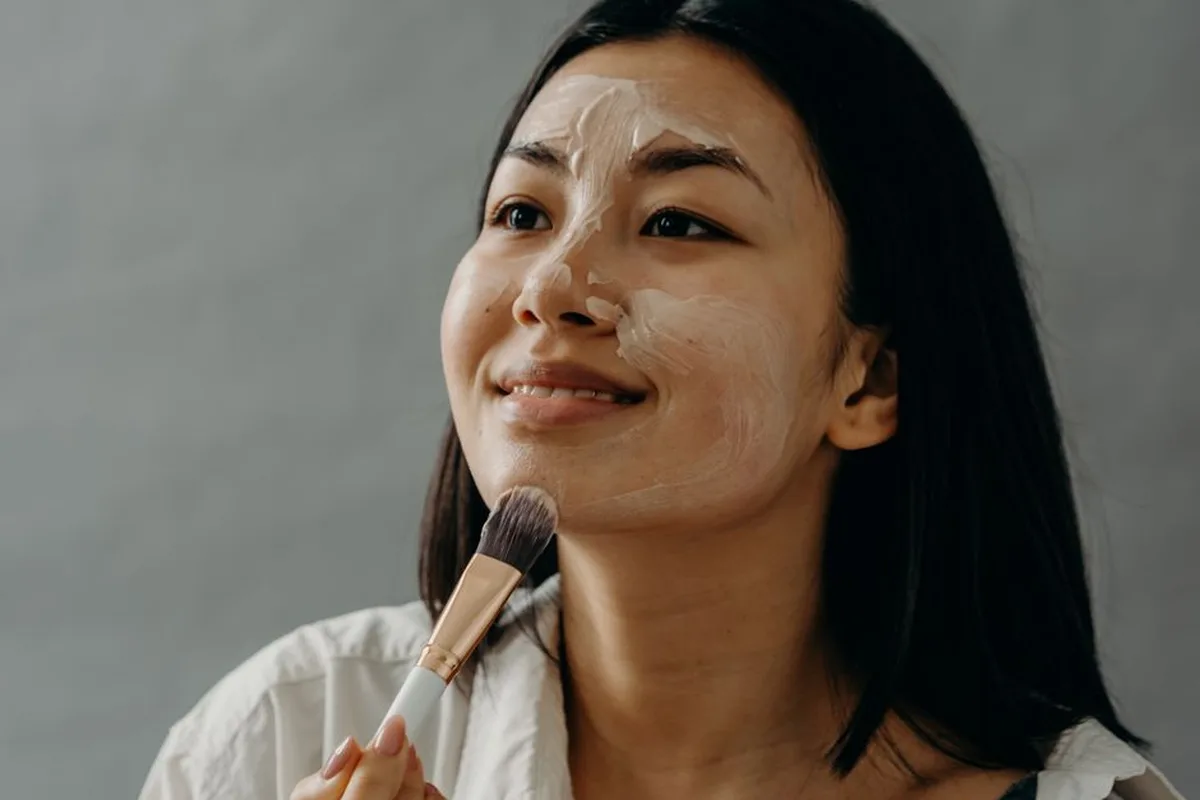
How to apply makeup for a more natural look over atrophic scars?
Since atrophic scars are depressions, an overly thick layer of foundation usually fails to conceal them completely and can sometimes make them more noticeable when the product settles into the indentations. Many find a more natural look by ensuring adequate hydration, using a thin layer of foundation, blending evenly, and prioritizing a healthy skin finish over heavy coverage. Lighting and viewing angles also affect how scars appear, so there is no need to strive for absolute concealment. Choosing the right products and application techniques depends on your skin type, and you can seek professional advice if needed.
Should you wear makeup while undergoing scar treatment?
During the post-treatment recovery phase, the skin is highly sensitive and needs time to heal, so makeup application should follow your doctor's instructions. There are times when you should let your skin rest and avoid makeup to minimize irritation, and other times when light makeup is permissible once the skin has stabilized. This depends on the specific treatment method and your skin condition, making it safest to consult your treating doctor. You should not apply heavy makeup on healing skin, as this can easily cause irritation or infection.
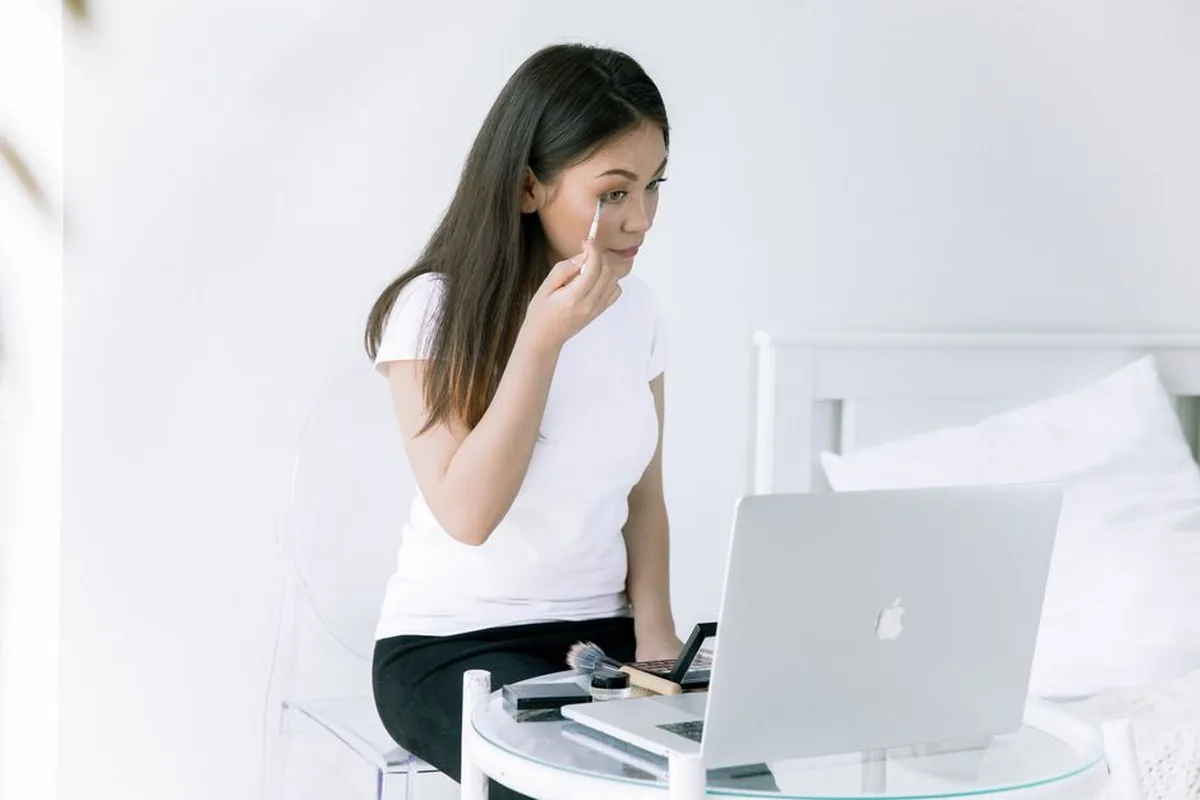
What should you keep in mind to prevent makeup from damaging your skin?
A few tips to make makeup safer for scar-prone skin: choose products suitable for your skin type, prioritize lightweight foundations, always remove makeup and cleanse thoroughly, avoid sharing dirty tools, and keep your makeup applicators clean. Effective acne control remains the foundation for preventing new scars. Daytime sun protection and a consistent skincare routine are also essential. If your skin frequently becomes irritated or breaks out when wearing makeup, you should consult a dermatologist for personalized advice.
Frequently Asked Questions
Does daily makeup enlarge pores or worsen scars?
Proper makeup application and thorough cleansing do not directly worsen atrophic scars. The common issue is pore congestion from inadequate cleansing, which leads to acne, and new acne can leave behind new scars. Therefore, thorough makeup removal and acne control are key.
What type of foundation should I choose for scar-prone skin?
There is no one-size-fits-all product; generally, you should prioritize products that suit your skin type, have a lightweight texture, and are non-comedogenic. If you have sensitive or acne-prone skin, you should choose gentle products and may consult a doctor.
Can makeup completely conceal atrophic scars?
Because atrophic scars are physical depressions, makeup can rarely conceal them completely, especially under angled lighting. A thin, well-blended foundation on well-hydrated skin usually looks more natural than heavy coverage. Improving the actual scars requires clinical treatments, which a doctor can advise on.
If you want to conceal your scars with makeup while keeping your skin healthy, let a dermatologist evaluate your skin condition and advise you on the right care and acne control routine for you.
This article is for reference only and does not replace an in-person examination or a doctor's diagnosis. Actual results vary by individual condition.