
Hormonal Acne
Hormonal acne presents as deep, inflamed breakouts along the chin, jawline, and hairline, typically flaring up with menstrual cycles, stress, or sleep deprivation due to hormone-driven excess sebum production. Because its root cause is internal, facial cleansers and spot treatments only provide temporary relief; it requires a dermatologist-designed regimen and weeks of patient commitment.
Compiled from BonBoz Clinic clinical documentation — currently in medical review
Why Is It Called Hormonal Acne?
Androgen hormones stimulate the sebaceous glands to overproduce sebum while dead skin cells clog hair follicles; bacteria within these follicles then trigger inflammation. In women, fluctuating hormone levels throughout the menstrual cycle cause periodic breakouts, typically along the chin and jawline—areas with a high concentration of androgen receptors. Stress, sleep deprivation, discontinuing oral contraceptives, or Polycystic Ovary Syndrome (PCOS) can also exacerbate the condition. During puberty, hormonal acne is more widespread (forehead, cheeks) and tends to subside as hormones stabilize; however, it can persist into adulthood due to genetics, stress, or improper skincare. Adult hormonal acne, by contrast, tends to be far more persistent.
How to Identify Hormonal Acne
Deep, inflamed, red, and painful lesions with few visible comedonal heads; primarily concentrated along the U-zone (chin, jawline, neck); recurring cyclically; often accompanied by an oily T-zone. If breakouts are accompanied by hair loss, hirsutism (excessive hair growth), or irregular menstrual cycles, a dermatologist may recommend endocrine testing.
Why Is Topical Care Alone Not Enough?
Cleansers and spot treatments only address clogged follicles and surface-level bacteria; they do not alter how hormones regulate the sebaceous glands. As a result, hormonal acne may subside for a few weeks only to return right on schedule with your cycle. Moreover, attempting to extract deep, inflamed cysts can spread inflammation and lead to post-inflammatory hyperpigmentation and atrophic scarring.
What Does a Medical Treatment Protocol Include?
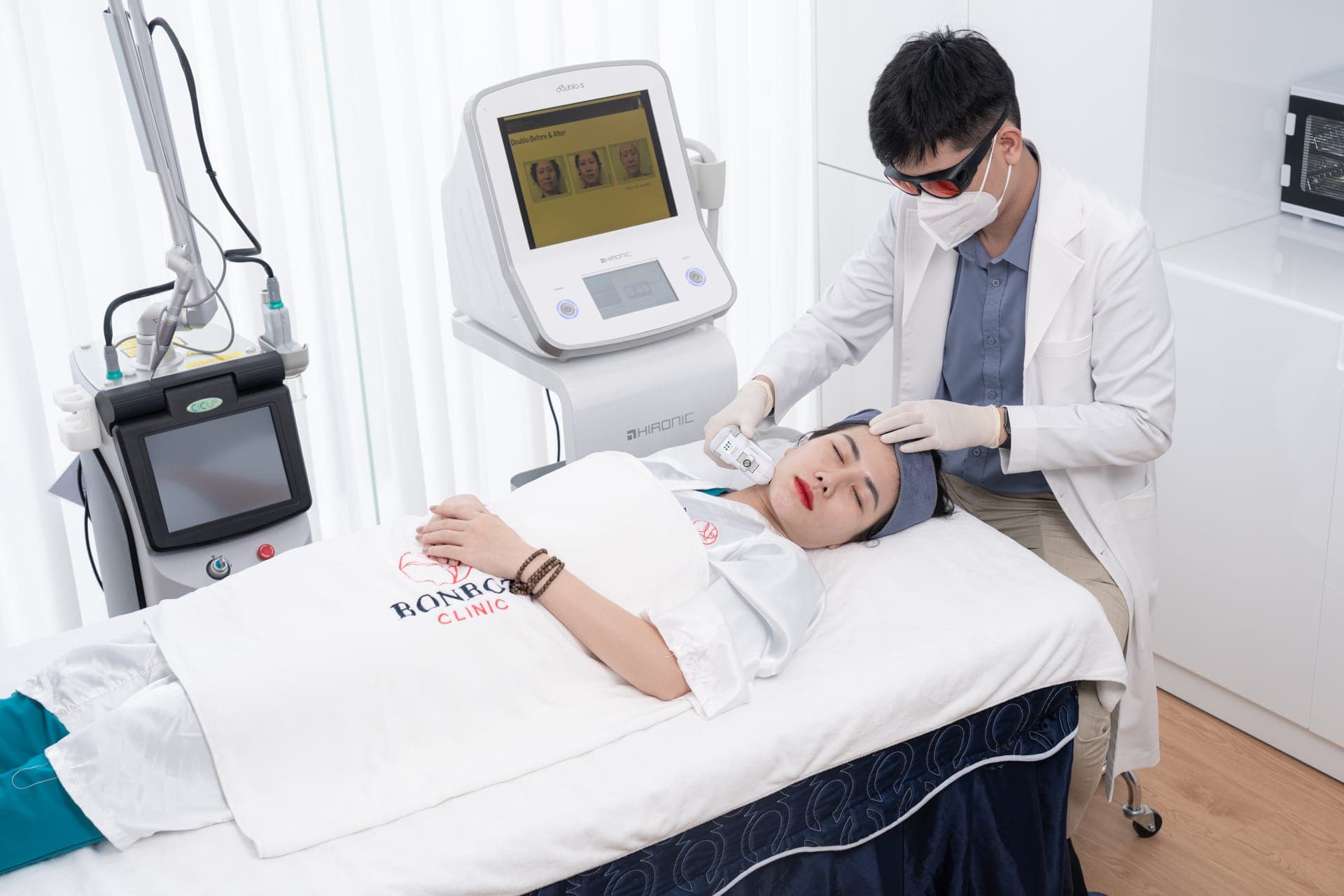
After evaluating the severity of the acne, the dermatologist will combine: topical treatments (retinoids, anti-inflammatories, benzoyl peroxide) for mild to moderate acne; and oral medications when necessary (short-term antibiotics, targeted hormonal therapies, or oral retinoids for severe cases, accompanied by regular laboratory monitoring). Concurrently, medical-grade extractions are performed when comedones are mature, alongside chemical peels or light therapy to help reduce inflammation. Managing sleep, stress, and specific dietary habits also enhances the efficacy of the treatment plan.
How BonBoz Can Help
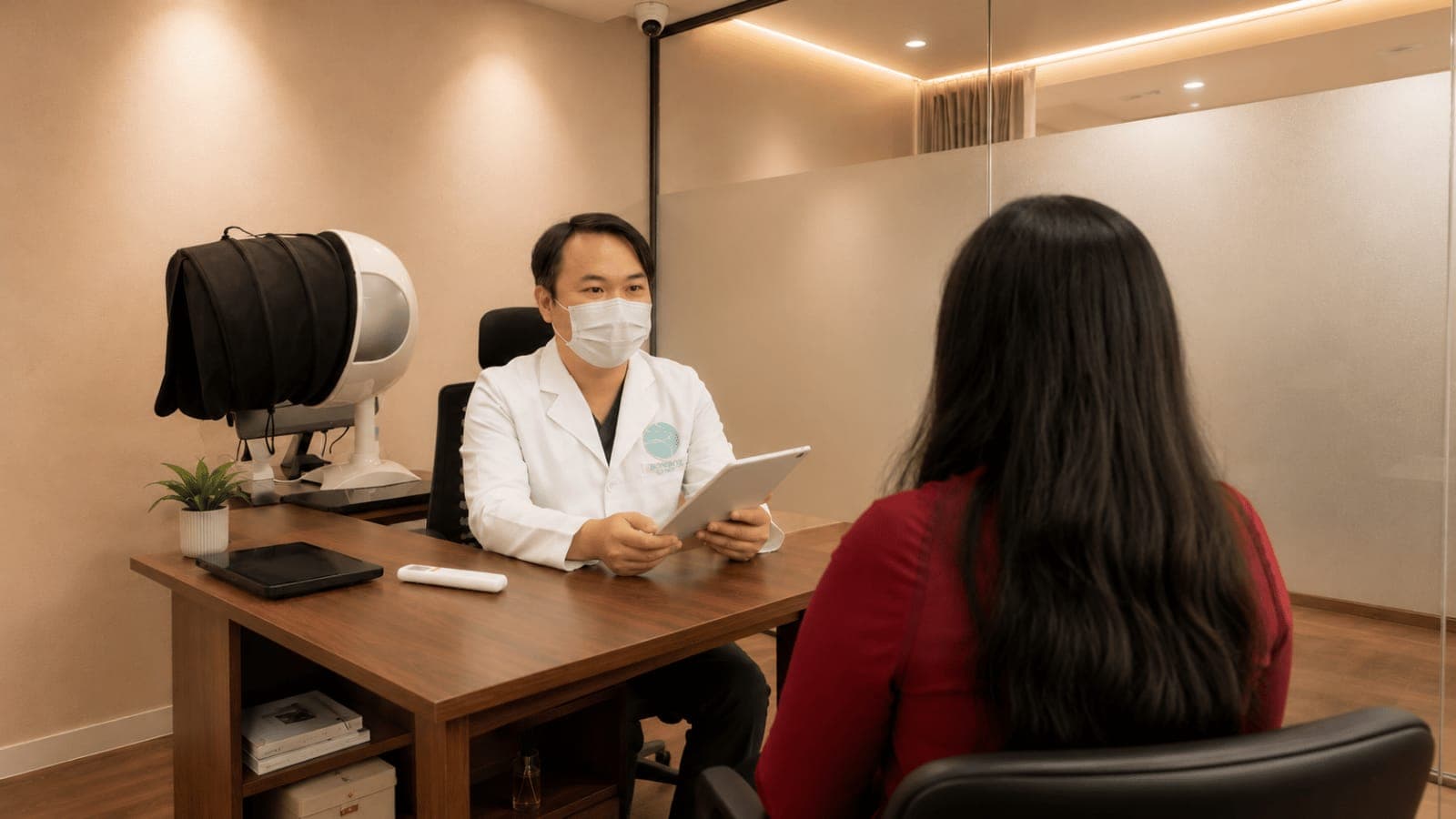
Our dermatologists conduct in-person consultations, thoroughly reviewing your menstrual cycle and medical history, performing skin analyses to assess severity, prescribing personalized protocols, and scheduling follow-ups for ongoing adjustments. Hormonal acne requires time: it typically takes 6–8 weeks to see significant improvement, and our doctors will set this expectation from the start so you stay the course without giving up halfway through.
Severity levels
1
Mild
A few inflammatory spots on the chin each cycle, resolving on their own within 1–2 weeks. Prescription topicals and proper skincare are usually sufficient.
2
Moderate
Multiple deep inflammatory lesions in the U-zone, recurring consistently every month, and beginning to leave dark marks. Requires combination topicals, with the potential addition of a short-term oral medication and supportive clinical treatments.
3
Severe
Painful nodules and cysts spreading down to the neck, leaving atrophic scars. Requires a monitored systemic protocol, focusing first on controlling inflammation before treating scars.
When should you see a doctor?
- Deep, recurrent inflammatory acne lasting over 3 months despite proper skincare.
- Painful, swollen blemishes that leave post-inflammatory hyperpigmentation or atrophic scars after every breakout.
- Acne accompanied by irregular periods, hair loss, or hirsutism — requiring hormonal evaluation.
- You are self-medicating with antibiotics or other unprescribed oral medications.
How BonBoz treats it
Prescription Topical & Oral Regimens
Prescribed and adjusted by dermatologists during follow-up visits — the core of hormonal acne management.
Learn about this method →Medical-Grade Acne Extraction
Extracts mature lesions only, using sterilized instruments to prevent spreading inflammation — reducing scarring risks.
Learn about this method →Chemical Peels
Help unclog follicles, reduce inflammation, and fade post-acne marks throughout the treatment course.
Learn about this method →Post-Acne Scar Treatment
Transitioning to a tailored scar treatment plan once active inflammation is well-controlled, customized to each scar type.
Want a cost range for your own case?
Estimate the cost →Cost guidance
Hormonal acne treatment primarily relies on prescription medications and follow-up consultations—costing significantly less than subsequent scar treatments. Procedures such as acne extractions, chemical peels, and acne mesotherapy are priced per session; reference price ranges are available in the cost estimator tool.
The final price follows the doctor’s recommendation after an in-person exam. A confirmed quote has no hidden extras.
Inside the BonBoz clinic
Book a consultation with a doctor
Choose a date, time slot and doctor — the clinic calls to confirm within 5 minutes during opening hours. Free consultation, no commitment.
Frequently asked questions
Does hormonal acne go away on its own?
Is hormone testing necessary?
Does diet affect hormonal acne?
How long does it take to see results?
Do I need to take birth control pills to treat acne?
Can I pop or squeeze hormonal acne?
Is hormonal acne in men different?
What if I have hormonal acne during pregnancy?
When should atrophic scars caused by hormonal acne be treated?
Who conducts the examinations and follow-ups at BonBoz?
Related topics
- Microneedling Costs: How Pricing Is Determined and When It Is Worth It
- Laser Atrophic Scar Treatment Costs: Per-Session and Package Pricing
- Medical-grade Acne Treatment Cost: Pricing per Session and Full Treatment Plans
- Medical-grade acne extraction: how it differs from spa extractions, the sterilization process, and which types of acne should not be extracted.
- Chemical Peels for Acne, Hyperpigmentation, and Dull Skin: Acid Types, Peel Depths, Procedure, and Contraindications
- Sensitive, Red, and Stinging Skin: A Damaged Skin Barrier Following Improper Treatment and the Recovery Protocol
More from our doctors
Hormonal Acne in Women: Identifying Signs and Effective Treatment Methods
Hormonal acne in females typically presents around the jawline and chin, which is linked to hormonal fluctuations. Early recognition allows for timely and effective treatment.
How does pubertal hormonal acne differ from adult hormonal acne?
Pubertal acne is triggered by hormonal activation and predominantly concentrates in the T-zone. In contrast, adult hormonal acne is linked to chronic hormonal imbalances, typically appearing along the lateral face and chin.
Recurrent Acne Breakouts: Causes and Treatment Solutions
Recurrent acne flares can stem from improper skincare routines, hormonal fluctuations, an unhealthy diet, or incomplete prior treatments.
Does Diet Really Affect Acne? The Truth from Dermatologists
Yes, diet affects acne, but it is not the sole cause—genetics and hormones also play a crucial role.
Chin Acne: Causes and Effective Treatments
Acne on the chin is often linked to hormones and tends to recur cyclically. An examination by a dermatologist is necessary to accurately determine the root cause instead of guessing and self-treating.
Acne Treatment Protocol at BonBoz: From Consultation to Skin Recovery
Acne treatment at BonBoz consists of three main steps: consultation and examination, specialized treatment, and skin recovery care following a personalized protocol designed by our doctors.