
Inflammatory acne — Nodular acne — Cystic acne
Inflammatory acne occurs when clogged hair follicles become infected and inflamed by bacteria, ranging from red papules and pustules to nodules (large, deep, and painful bumps) and cysts (large, deep pockets of inflammation under the skin). The deeper the inflammation, the higher the risk of atrophic (pitted) scars. Treatment is tailored to the severity level, utilizing monitored topical and oral medications; comedone extraction should only be performed once the lesions have matured—never pop them yourself.
Compiled from BonBoz Clinic clinical documentation — currently in medical review
How Does Inflammatory Acne Form?
Hair follicles clogged with sebum and dead skin cells create an ideal environment for *C. acnes* bacteria to proliferate; the immune system responds, triggering swelling, redness, and pain. If the follicle wall ruptures beneath the skin, inflammation spreads deeper into the dermis—forming nodules or cysts. This destroys collagen and leaves atrophic scars, even if you never pop them.
Distinguishing the Four Common Types
Papules: small red bumps with no visible pus. Pustules: white or yellow heads surrounded by an inflamed red base. Nodules: hard, painful bumps larger than 5 mm with no head that can persist for weeks. Cysts: soft, fluid-filled lesions deep under the skin that may interconnect, leaving broad atrophic scars. A single face often presents a mix of these lesions, so treatment protocols are tailored to target the most severe type present.
Why You Shouldn't Pop Inflammatory Acne Yourself
Inflammatory acne does not have a surfaced core; squeezing only pushes inflammatory fluids deeper and into neighboring follicles. Bacteria from your hands can enter the open lesion, doubling the inflammation and making hyperpigmentation and scarring almost inevitable. A popped blemish may look "flatter" for a few hours, only to swell up significantly more the next day—this is the physiological norm, not bad luck.
Severity-Based Treatment
Mild inflammatory acne: topical anti-inflammatory agents, benzoyl peroxide, and nighttime retinoids. Moderate acne: short-term prescription oral antibiotics combined with topical treatments to prevent antibiotic resistance. Nodulocystic acne: consideration of oral retinoids with regular blood test monitoring, intralesional injections for persistent, painful lesions, and adjunctive light therapy. All oral medications must be prescribed and monitored by a doctor—never self-medicate based on online advice.
What BonBoz Does
Our dermatologists examine your skin, grade the severity based on the lesion count and type, review your medical and medication history, prescribe a tailored protocol, and schedule follow-ups every 4–6 weeks to make necessary adjustments. Painful nodules are managed in-clinic using sterile techniques. Once active inflammation has remained stable for at least several months, the physician will transition your treatment to a regimen focused on atrophic scarring and post-inflammatory hyperpigmentation.
Severity levels
1
Mild — red papules, small pustules
Fewer than 20 lesions, no nodules. Typically controlled with topical prescription medication for 6–8 weeks.
2
Moderate — multiple pustules, a few nodules
20–50 lesions, including 1–5 nodules. Combination of topical and short-term oral medications, medical-grade acne extraction, and post-inflammatory hyperpigmentation monitoring.
3
Severe — widespread nodules and cysts
Multiple painful nodules/cysts with potential scarring. Systemic regimen with routine laboratory monitoring; prioritized on controlling inflammation and minimizing new scarring.
When should you see a doctor?
- Large, hard, painful acne nodules persisting for over 2 weeks without resolving.
- Acne leaves atrophic scars or dark spots after each breakout — inflammation has reached the deep dermis.
- Inflammatory acne spreads to the neck, back, chest, or is accompanied by fever and fatigue.
- You have been self-medicating with oral antibiotics for more than 2 weeks without a prescription.
How BonBoz treats it
Prescription Topical/Oral Regimen
A tailored combination of anti-inflammatory agents, retinoids, short-term antibiotics, or oral retinoids depending on severity, with scheduled follow-ups.
Learn about this method →In-Clinic Cystic Acne Treatment
Extraction of mature acne lesions and intralesional injections for persistent, painful nodules—performed by physicians using sterile techniques.
Learn about this method →Adjunctive Light Therapy / Chemical Peels
Reduces inflammation, unclogs follicles, and fades post-inflammatory hyperpigmentation through structured protocols once acute inflammation subsides.
Learn about this method →Post-Acne Atrophic Scar Treatment
CO2 Laser, Microneedling RF, and subcision—indicated only after inflammatory acne has been well controlled for several months.
Want a cost range for your own case?
Estimate the cost →Cost guidance
Costs primarily include prescription medications and follow-up visits; nodule extractions, chemical peels, and light therapy are charged per session. Treating acne early is significantly more cost-effective than treating subsequent atrophic scars later on—reference price ranges are available in our cost estimator tool.
The final price follows the doctor’s recommendation after an in-person exam. A confirmed quote has no hidden extras.
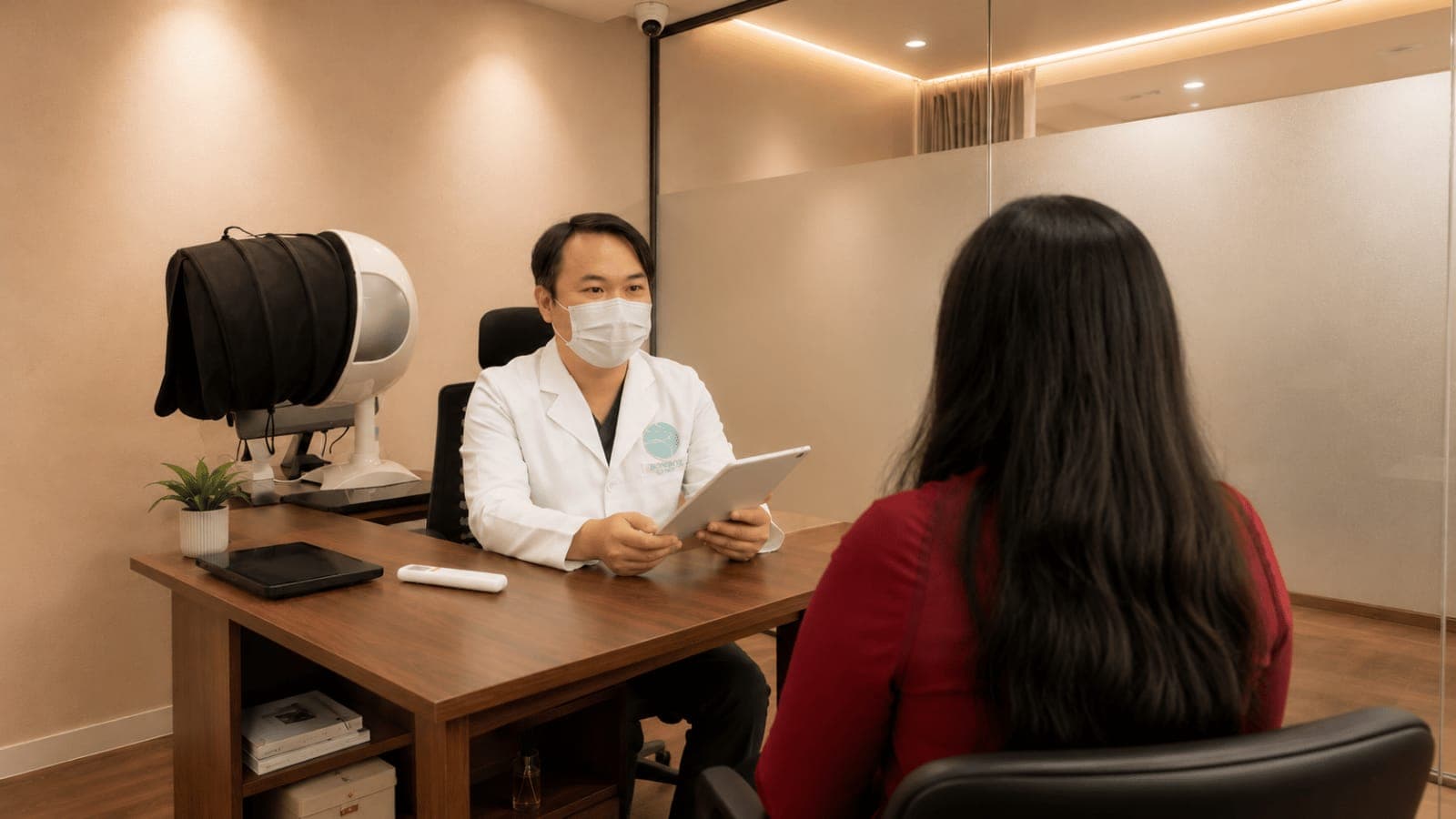
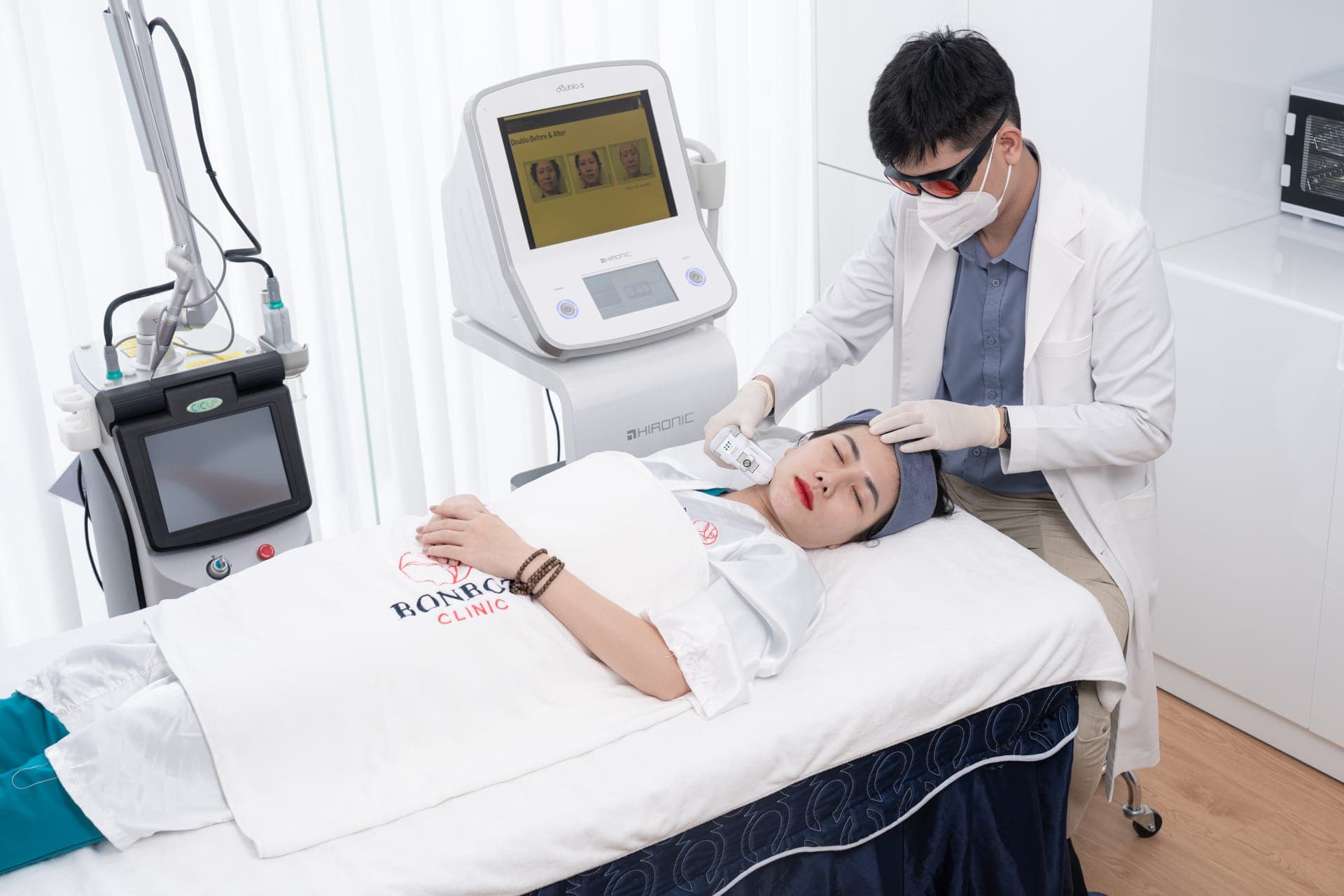
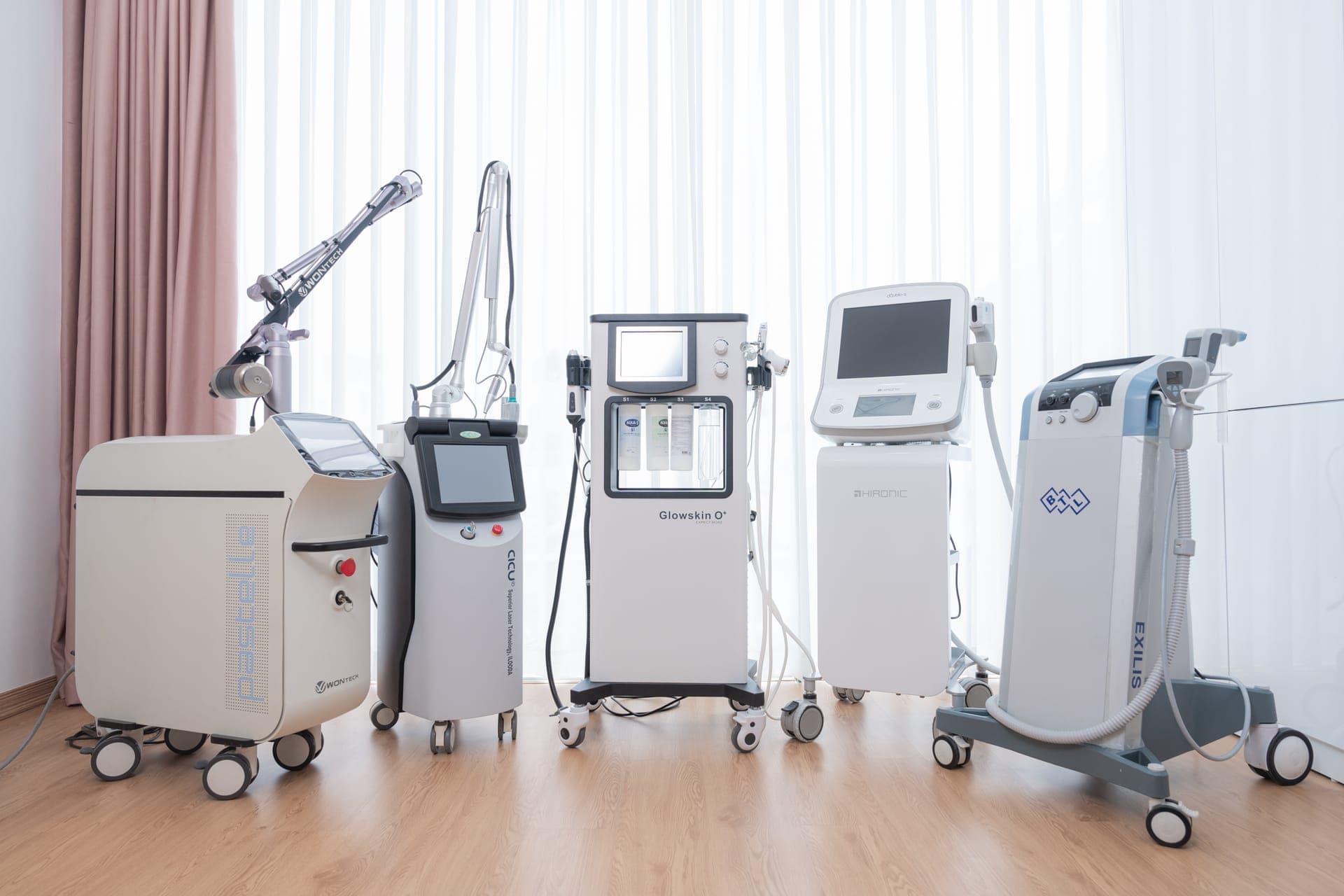
Inside the BonBoz clinic
Book a consultation with a doctor
Choose a date, time slot and doctor — the clinic calls to confirm within 5 minutes during opening hours. Free consultation, no commitment.
Frequently asked questions
Do cystic acne nodules go away on their own?
Is spot-treating cystic acne with creams effective?
Are oral antibiotics for acne harmful?
Are oral retinoids dangerous?
What is a cortisone injection for cystic acne?
Should home remedies be applied to inflammatory acne?
How long does it take to get inflammatory acne under control?
Is inflammatory acne on the back and chest treated the same as on the face?
When is the right time to start atrophic scar treatment?
Who performs the treatments at BonBoz?
Related topics
- Microneedling Costs: How Pricing Is Determined and When It Is Worth It
- Laser Atrophic Scar Treatment Costs: Per-Session and Package Pricing
- Medical-grade Acne Treatment Cost: Pricing per Session and Full Treatment Plans
- Medical-grade acne extraction: how it differs from spa extractions, the sterilization process, and which types of acne should not be extracted.
- Chemical Peels for Acne, Hyperpigmentation, and Dull Skin: Acid Types, Peel Depths, Procedure, and Contraindications
- Sensitive, Red, and Stinging Skin: A Damaged Skin Barrier Following Improper Treatment and the Recovery Protocol
More from our doctors
The Difference Between Nodular Acne and Cystic Acne: Proper Skincare Guide
Nodular acne and cystic acne are two distinct conditions that require different treatment approaches. Understanding their differences will help you care for your skin more effectively.
Red, Inflamed Acne: Why You Shouldn't Pop It Yourself and How to Treat It Properly
Popping inflamed, red, and swollen pimples on your own can worsen the condition, cause scarring, and spread infection. Doctors offer far safer, professional treatment methods.
Acne Treatment Protocol at BonBoz: From Consultation to Skin Recovery
Acne treatment at BonBoz consists of three main steps: consultation and examination, specialized treatment, and skin recovery care following a personalized protocol designed by our doctors.
Is Back and Chest Acne the Same as Facial Acne? Key Differences in Treatment
Back and chest acne differs from facial acne in skin structure, sebum levels, and treatment approach. A targeted protocol is required for optimal results.
Can improper acne popping cause pitted scars? How to prevent scarring from acne
Why improper acne popping causes pitted scars, acne types prone to scarring, prevention, and how to manage inflammatory acne.
How Long Does Acne Treatment Take? What You Need to Know
Acne treatment typically takes between 4 and 12 weeks, depending on the type of acne and the chosen method. Achieving optimal results requires patience and proper skincare.