
Subsurface acne
Sub-surface acne consists of sebum plugs trapped deep within hair follicles without forming whiteheads or blackheads, resulting in a rough, textured skin surface across the forehead, cheeks, and chin without redness or swelling. It is caused by an accumulation of excess oil and dead skin cells clogging the follicles. Proper management requires prescribed pore-clearing active ingredients, medical-grade extractions, and a structured chemical peel regimen — without picking or squeezing.
Compiled from BonBoz Clinic clinical documentation — currently in medical review
What are closed comedones and how do they differ from whiteheads?
Both are clogged follicles caused by trapped sebum and dead skin cells. However, closed comedones (hidden acne) sit deeper beneath the skin with closed follicular openings, preventing them from coming to a visible head. Whiteheads are more superficial, presenting as small, visible white bumps. If left untreated, closed comedones can turn into inflammatory acne as bacteria proliferate within the clogged pores. Under angled light or when stretching the skin, you will see clusters of tiny, textured bumps—a hallmark sign of this condition.
Why do closed comedones keep recurring?
Three common culprits include: improper cleansing (leaving sunscreen or foundation residue overnight), skincare products that are overly rich or contain comedogenic ingredients, and increased sebum production triggered by hormonal fluctuations or stress. Additionally, aggressive scrubbing or overusing physical exfoliants can compromise the skin barrier, making pores even more prone to clogging.
What to avoid
Do not pick or squeeze closed comedones: because the plugs lie deep within the skin, squeezing will not extract them. Instead, it can rupture the follicle internally, leading to inflammation and post-inflammatory hyperpigmentation (PIH). The same risks apply to using peel-off masks or at-home lancing needles. Furthermore, using high-strength retinoids without professional guidance often causes excessive peeling and severe irritation, leading to premature discontinuation.
Evidence-based management
Unclog pores with prescribed active ingredients (retinoids, BHA, azelaic acid) to facilitate the natural purging of trapped sebum over 6–12 weeks; undergo medical-grade comedone extractions once the plugs have matured to accelerate clearance; and apply structured chemical peels to remove the dead cell buildup obstructing the follicles. Concurrently, audit your entire daily skincare routine to eliminate any comedogenic formulations.
How BonBoz approaches treatment
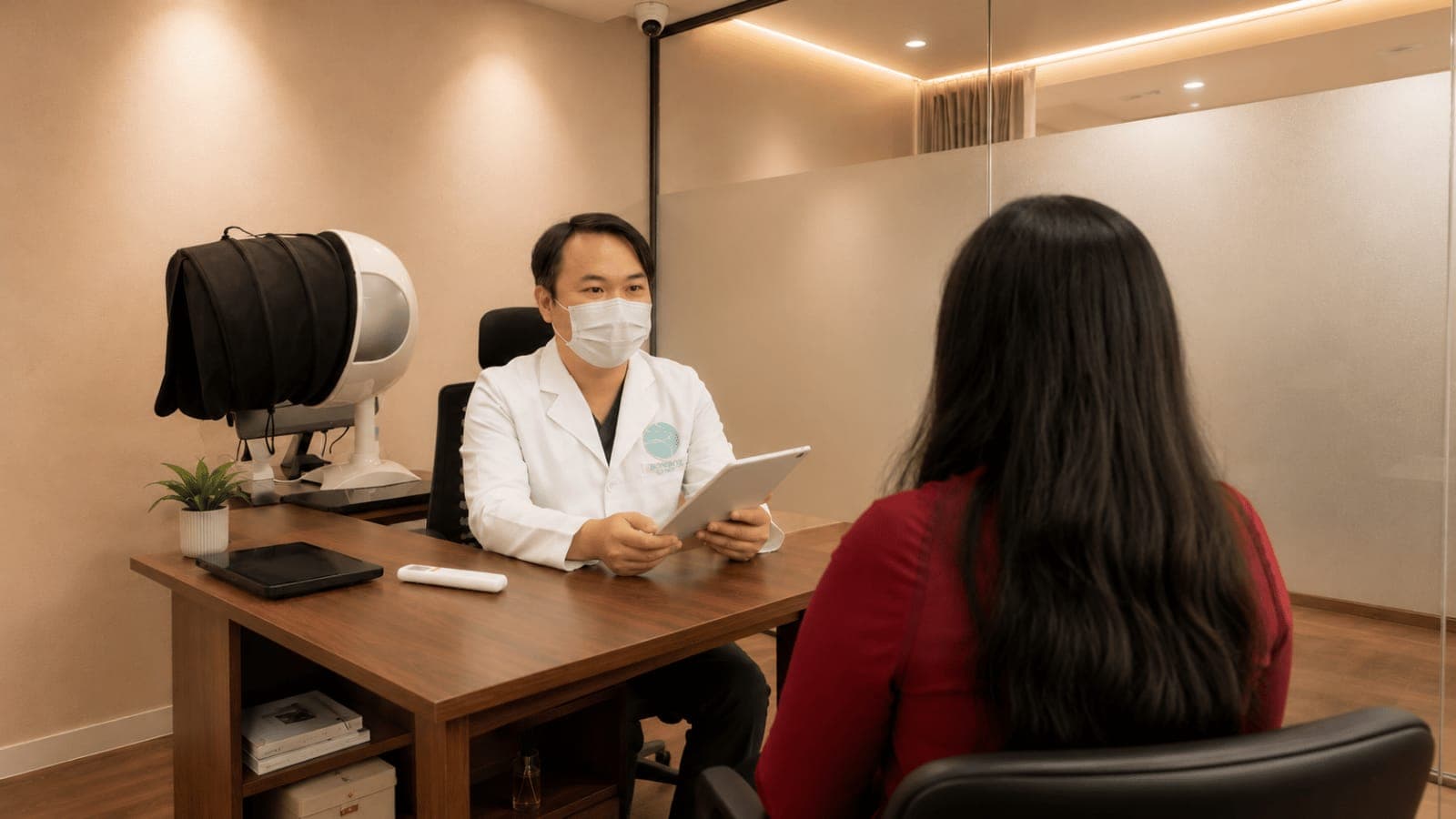
Our dermatologists conduct in-depth skin analyses to differentiate closed comedones from inflamed lesions, folliculitis papules, or cosmetic contact dermatitis (which appear similar but require distinct treatment protocols). We then review your current product regimen, prescribe a personalized pore-clearing plan, and schedule medical extractions and chemical peels accordingly. You will receive transparent guidance from the start: clearing closed comedones is a progressive process taking several weeks, not an instant single-session fix.
Severity levels
1
Mild — scattered on the forehead and chin
A few dozen small, non-inflammatory papules. Reviewing your skincare routine and applying prescribed topicals is usually sufficient.
2
Moderate — dense across the cheeks
Visible uneven texture under angled light, with some comedones turning inflammatory. Requires medical-grade comedone extractions combined with a structured chemical peel regimen.
3
Severe — accompanied by inflammatory acne and post-acne marks
Widespread closed comedones progressing into inflammatory lesions, leaving dark spots. The treatment protocol prioritizes controlling inflammation while unclogging pores, with close clinical monitoring.
When should you see a doctor?
- Closed comedones are spreading or becoming red, swollen, and painful—progressing into inflammatory acne.
- Over-the-counter products have shown no improvement after 2–3 months, or are causing irritation, peeling, and a burning sensation.
- Rough texture accompanied by itching and localized redness—potentially folliculitis or an allergic reaction, not closed comedones.
- You are planning to get acne extractions at a spa that does not provide a prior consultation with a doctor.
How BonBoz treats it
Prescription Pore-Clearing Protocol
Topical retinoids, BHA, or azelaic acid tailored by physicians to specific skin types — the foundation for natural clearing of sebum plugs.
Learn about this method →Medical-Grade Acne Extraction
Extracting mature comedones using sterile instruments without forcing immature lesions — shortening healing time and minimizing post-inflammatory hyperpigmentation.
Learn about this method →Chemical Peels
Controlled exfoliation to clear pore-clogging dead skin cells according to a structured treatment plan.
Learn about this method →Skincare Product Audit
Eliminating comedogenic ingredients and reorganizing the cleansing routine — an often overlooked step that ultimately determines acne recurrence.
Learn about this method →Want a cost range for your own case?
Estimate the cost →Cost guidance
Comedonal acne is primarily treated with prescription topical medications; acne extractions and chemical peels are charged per session. The doctor will estimate the expected number of sessions following a skin analysis; an estimated range is available in our cost calculator.
The final price follows the doctor’s recommendation after an in-person exam. A confirmed quote has no hidden extras.
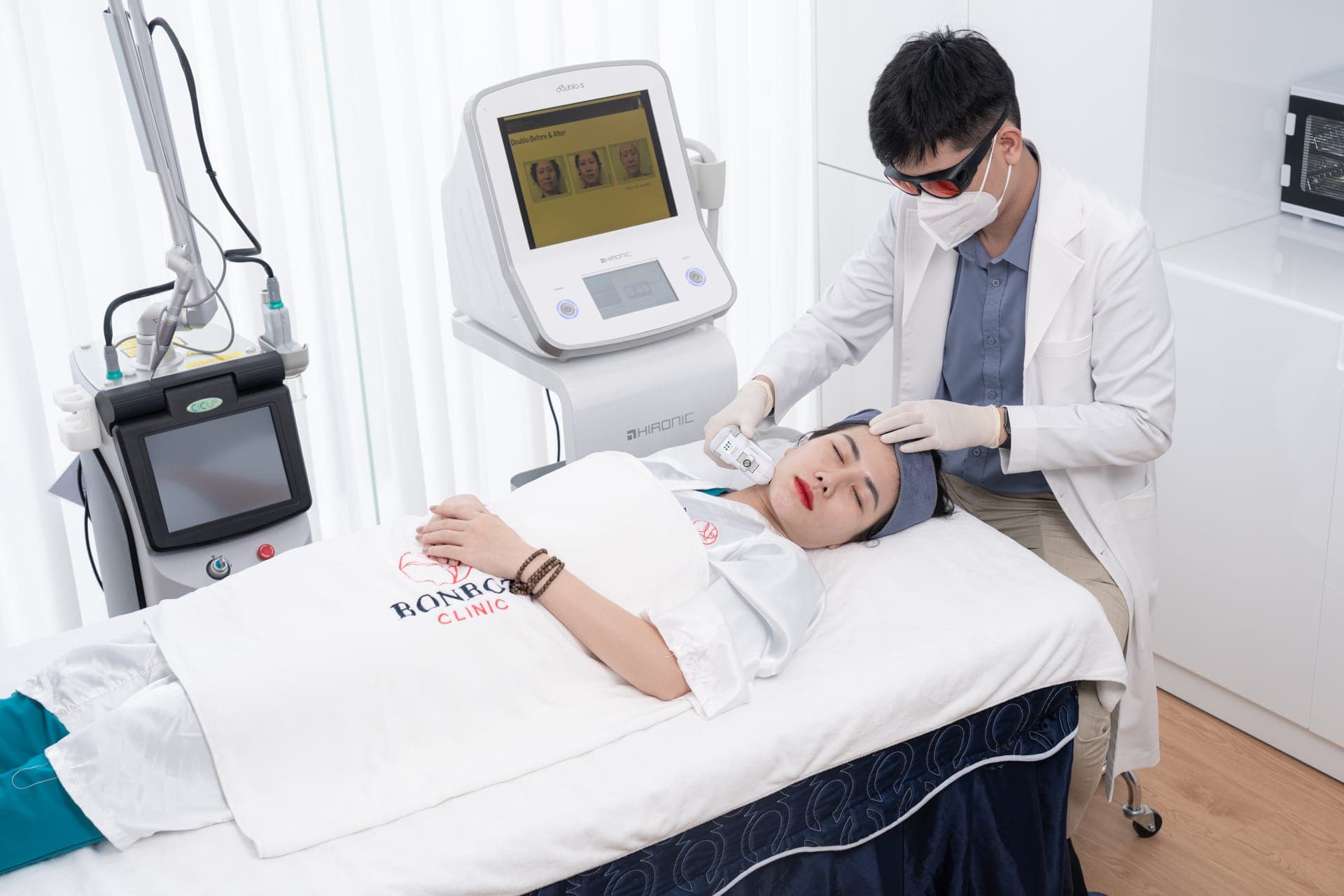
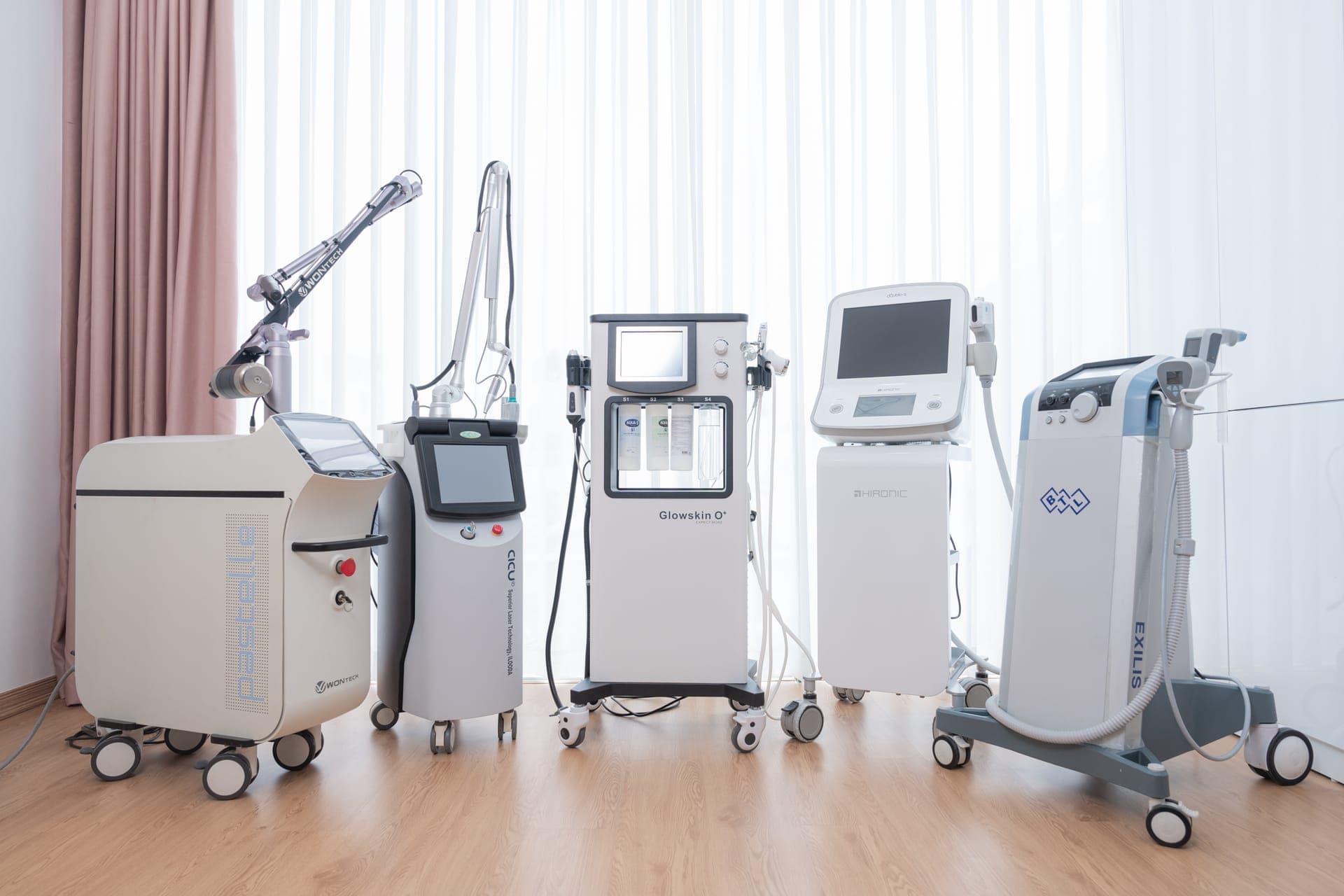
Inside the BonBoz clinic
Book a consultation with a doctor
Choose a date, time slot and doctor — the clinic calls to confirm within 5 minutes during opening hours. Free consultation, no commitment.
Frequently asked questions
Can closed comedones go away on their own?
Does extracting closed comedones cause scarring?
How long does it take to clear closed comedones?
Is daily exfoliation necessary?
Can sunscreen cause closed comedones?
What causes closed comedones on the forehead?
Do clay masks help?
What is the difference between closed comedones and folliculitis?
Do topical retinoids cause skin peeling?
Can they recur after clearing up?
Related topics
- Microneedling Costs: How Pricing Is Determined and When It Is Worth It
- Laser Atrophic Scar Treatment Costs: Per-Session and Package Pricing
- Medical-grade Acne Treatment Cost: Pricing per Session and Full Treatment Plans
- Medical-grade acne extraction: how it differs from spa extractions, the sterilization process, and which types of acne should not be extracted.
- Chemical Peels for Acne, Hyperpigmentation, and Dull Skin: Acid Types, Peel Depths, Procedure, and Contraindications
- Sensitive, Red, and Stinging Skin: A Damaged Skin Barrier Following Improper Treatment and the Recovery Protocol
More from our doctors
Subclinical Acne (Closed Comedones): Causes and Scar-Minimizing Treatment Methods
Sub-surface acne causing a rough, bumpy texture needs to be treated properly and should not be squeezed or picked at home to avoid scarring.
How Many Times a Day Should You Wash Oily, Acne-Prone Skin? Doctor's Advice
Oily, acne-prone skin should not be washed more than 2–3 times a day. Over-washing dries out the skin, triggering excess oil production and worsening acne.
Medical-Grade Acne Extraction Protocol: Proper Techniques to Prevent Scarring
Medical-grade acne extraction is a procedure performed by a qualified dermatologist, using sterile instruments and proper techniques to safely remove acne without damaging the skin.
Should Blackheads Be Popped?
You should not extract blackheads at home. Improper extraction can easily lead to inflammation, post-inflammatory hyperpigmentation (PIH), and scarring—it is best to cleanse properly and let professionals handle the procedure when thorough removal is needed.
How Long Does Acne Treatment Take? What You Need to Know
Acne treatment typically takes between 4 and 12 weeks, depending on the type of acne and the chosen method. Achieving optimal results requires patience and proper skincare.