
Post-acne dark spots (Post-Inflammatory Hyperpigmentation — PIH)
Post-inflammatory hyperpigmentation (PIH) presents as flat brown, grey, or pink marks on the skin after inflammatory acne heals. Unlike atrophic scars, which are indented, dark spots are a pigmentation issue and typically fade over several weeks to months; sun exposure and picking or squeezing can make them darker. Dermatologists can accelerate the fading process using topical treatments, chemical peels, or laser toning.
Compiled from BonBoz Clinic clinical documentation — currently in medical review
Why Do Dark Spots Persist After Acne Clears?
When the skin becomes inflamed, melanocytes are triggered to produce excess melanin. This melanin can deposit in the epidermis (causing brown spots) or drop into the dermis (causing grayish spots, which take longer to fade). Meanwhile, post-acne red or pink marks—known as Post-Inflammatory Erythema (PIE)—are caused by dilated capillaries rather than pigmentation; although they look similar, they require a different approach. Darker skin tones and individuals frequently exposed to the sun are more prone to hyperpigmentation.
How Do Dark Spots Differ from Atrophic Acne Scars?
Post-acne marks are flat and only involve a change in skin color; atrophic acne scars are depressed, creating an uneven texture that can be felt or seen under angled light. Pigmentation can fade on its own, whereas atrophic scars do not fill in naturally. Many people have both concurrently, and it is not uncommon to mistake dark spots for pitted scars—or vice versa. An accurate distinction ensures the right treatment path.
How Long Does It Take for Dark Spots to Fade?
Superficial epidermal pigmentation typically lightens within 1–3 months with diligent sun protection and by avoiding picking at the skin. Deeper dermal pigmentation can persist for 6–12 months or longer. Red marks (PIE) fade at their own pace and do not respond to conventional skin-lightening agents.
What Makes Post-Acne Marks Worse?
Sun exposure is the primary culprit, followed by picking, aggressive scrubbing, using irritating skincare products, and recurrent breakouts in the same spot. Additionally, unverified whitening products can trigger contact dermatitis, leading to more widespread hyperpigmentation.
How Does BonBoz Treat Post-Acne Hyperpigmentation?
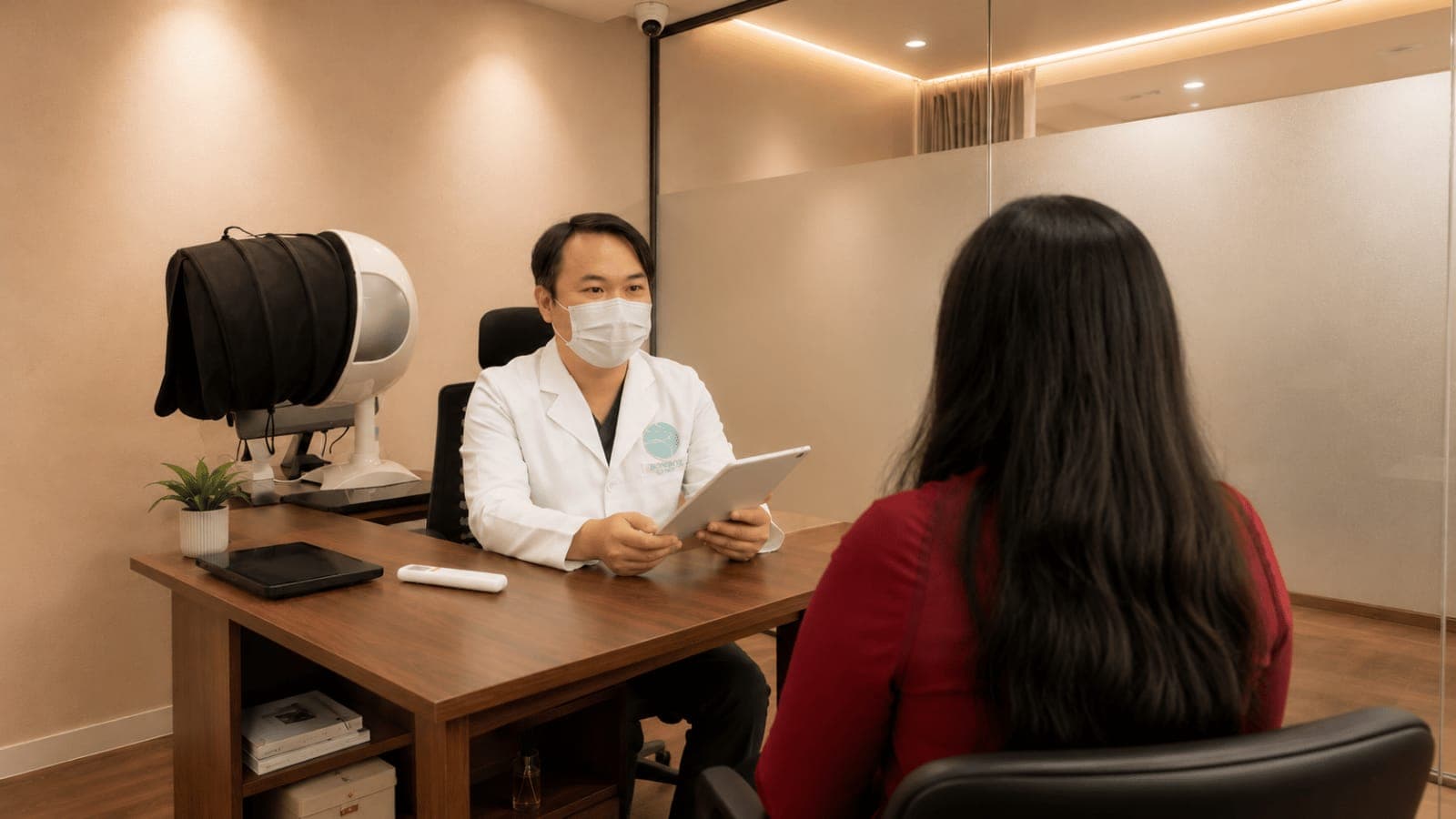
A dermatologist conducts a clinical skin examination to differentiate between brown hyperpigmentation, deep dermal gray spots, and vascular redness, while also checking for active acne. For pigmented marks, the treatment protocol typically involves prescription brightening topicals, a series of gentle chemical peels, or laser toning for stubborn, deep-seated pigmentation—combined with mandatory sun protection. If active, inflamed acne is still present, controlling the breakouts takes priority to prevent new marks from forming.
Severity levels
1
Epidermal Hyperpigmentation
Pigment is located in the epidermis with well-defined borders. Typically fades within 1–3 months with proper sun protection and topical treatments.
2
Dermal Hyperpigmentation
Pigment has dropped into the dermis, appearing grayish-blue, and fades slowly (6–12 months). Laser toning treatment courses may be considered.
3
Post-Inflammatory Erythema (PIE)
Caused by dilated capillaries, not melanin pigment. Brightening agents are ineffective; an alternative approach is required.
4
Hyperpigmentation with Active Inflammatory Acne
New dark spots continuously form. Active acne must be controlled before treating hyperpigmentation.
When should you see a doctor?
- Dark spots have not faded after 3 months, despite using sun protection and stopping skin picking.
- Hyperpigmentation is spreading or darkening after introducing a new product — suspected contact dermatitis.
- You are unsure whether you have dark marks, pitted scars, or both.
- Inflammatory acne keeps recurring in the same area, leaving layered dark spots.
How BonBoz treats it
Prescription Topical Regimen
Doctor-prescribed tone-evening and anti-inflammatory actives, combined with broad-spectrum sun protection.
Learn about this method →Chemical Peels
Controlled epidermal exfoliation to accelerate the clearance of superficial pigmentation over a treatment course.
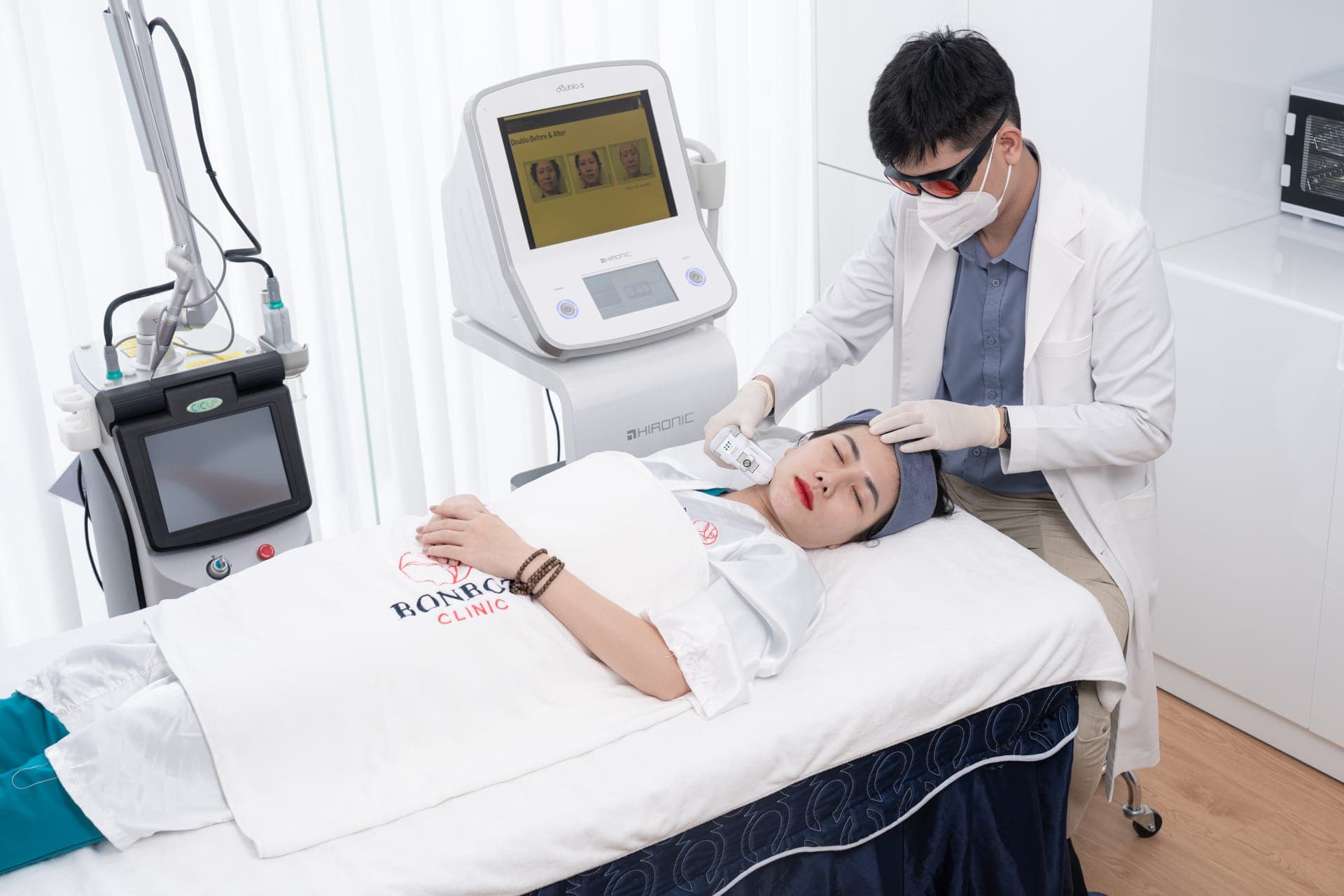
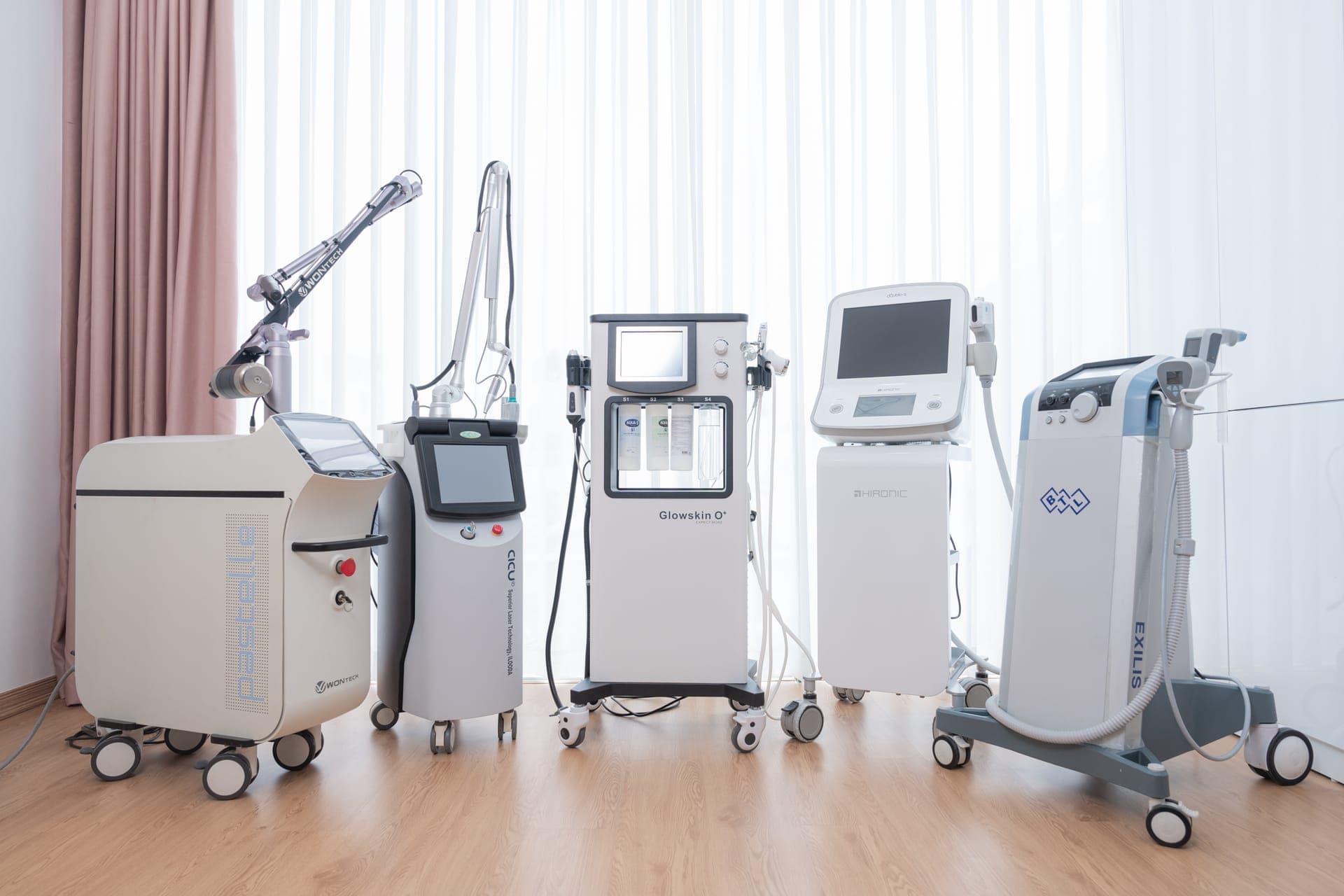
Learn about this method →Laser Toning (Pastelle)
Low-fluence Q-switched laser to break down deep pigmentation, designed for persistent slate-gray hyperpigmentation.
Learn about this method →Inflammatory Acne Control
Preventing new post-inflammatory hyperpigmentation — the foundational step for all treatment protocols.
Learn about this method →Want a cost range for your own case?
Estimate the cost →Cost guidance
Most cases of superficial hyperpigmentation only require prescription topicals and sun protection — making it a low-cost option. Chemical peels and laser toning are charged per session; the doctor will outline the estimated number of sessions following a skin analysis.
The final price follows the doctor’s recommendation after an in-person exam. A confirmed quote has no hidden extras.
Inside the BonBoz clinic
Book a consultation with a doctor
Choose a date, time slot and doctor — the clinic calls to confirm within 5 minutes during opening hours. Free consultation, no commitment.
Frequently asked questions
Does post-acne hyperpigmentation fade on its own?
Can I use over-the-counter dark spot creams?
Are red marks after acne considered hyperpigmentation?
How important is sun protection?
Do chemical peels thin the skin?
Does laser toning weaken the skin?
If I have both dark spots and atrophic acne scars, which should be treated first?
How long does it take to see dark spots fade with treatment?
Do I need to avoid certain foods to clear dark spots?
Can post-acne dark spots recur?
Related topics
- Microneedling Costs: How Pricing Is Determined and When It Is Worth It
- Laser Atrophic Scar Treatment Costs: Per-Session and Package Pricing
- Medical-grade Acne Treatment Cost: Pricing per Session and Full Treatment Plans
- Medical-grade acne extraction: how it differs from spa extractions, the sterilization process, and which types of acne should not be extracted.
- Chemical Peels for Acne, Hyperpigmentation, and Dull Skin: Acid Types, Peel Depths, Procedure, and Contraindications
- Sensitive, Red, and Stinging Skin: A Damaged Skin Barrier Following Improper Treatment and the Recovery Protocol
More from our doctors
Post-Acne Hyperpigmentation (PIH) vs. Atrophic Acne Scars: How to Tell the Difference and Treatment Approaches for Each Type
Post-inflammatory hyperpigmentation (PIH) is a flat pigmentary disorder on the skin, while atrophic acne scars are areas of collagen loss—their differentiation and treatment approaches are entirely different.
Post-Acne Extraction Care at the Spa: Secrets to Preventing Dark Spots and Scarring
Facial extraction aftercare step by step: what to apply, what to avoid and for how long, so extracted spots heal without dark marks or scars — guidance from a BonBoz dermatologist.
Red, Inflamed Acne: Why You Shouldn't Pop It Yourself and How to Treat It Properly
Popping inflamed, red, and swollen pimples on your own can worsen the condition, cause scarring, and spread infection. Doctors offer far safer, professional treatment methods.
Can Acne Scars Naturally Fill In Over Time?
Acne scars do not fully heal on their own over time. Clinical intervention is required for effective improvement.
Melasma, Freckles, and Brown Spots: Understanding the Causes and How to Tell Them Apart
Melasma, freckles, and brown spots are often confused despite having distinct characteristics. Understanding their causes and key differences helps you identify your skin condition and communicate effectively with your doctor.