
Medically reviewed by Dr. Kim Kha, MSc, Specialist I — BonBoz Clinic
Can Acne Scars Fill in on Their Own Over Time?
Acne scars do not fully heal or fill in on their own over time. Professional treatment is required to effectively improve them.
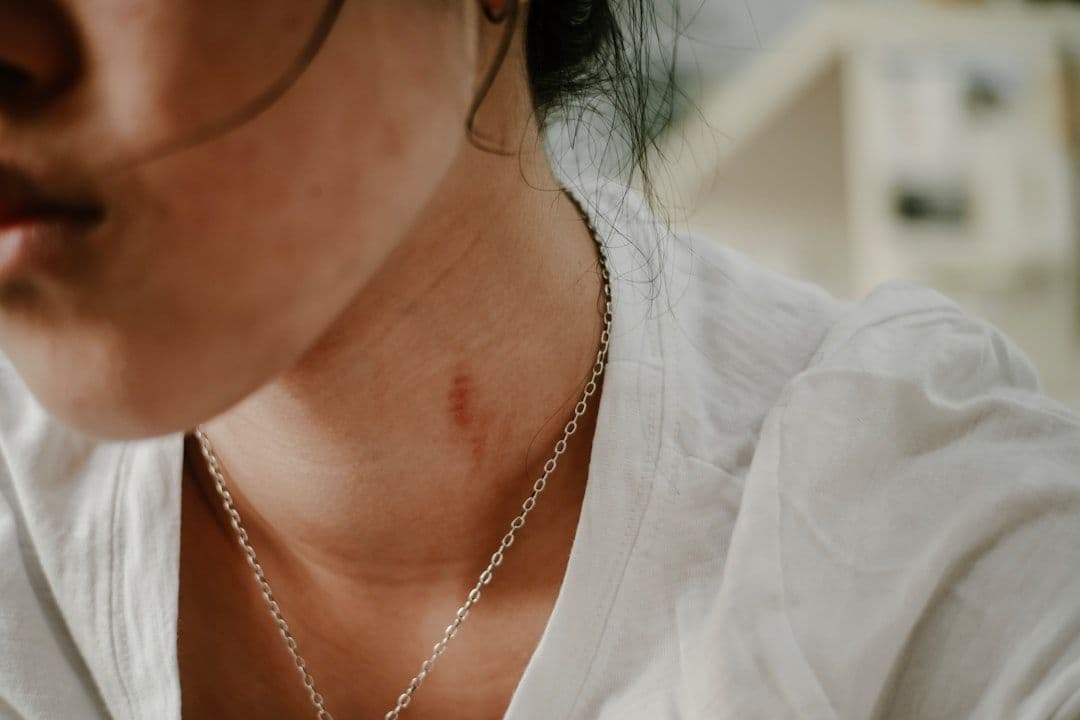
Can Acne Scars Fill in on Their Own Over Time?
Quick Summary: Acne scars cannot fill in on their own over time because deep tissue damage leads to the loss of underlying collagen fibers. However, this condition can be significantly improved through advanced aesthetic modalities such as dermal filler injections, microneedling, chemical peels, or laser therapy. To effectively prevent acne scarring, prompt acne treatment and proper skincare are essential.
This article was compiled by Dr. Kim Kha (MSc, Specialist Level I), specializing in Dermatology and Aesthetic Medicine with Practice License No. 009784/ĐL-CCHN issued by the Dak Lak Department of Health, who brings over 8 years of experience in acne management and non-surgical aesthetics at BonBoz Clinic. BonBoz Clinic is an Aesthetic & Dermatology Clinic operating under Operating License No. 11113/HCM-GPHĐ issued by the HCMC Department of Health, located at 66–68 Vo Van Tan, HCMC, ensuring accurate and reliable professional medical information.
Expert Insight: "Acne scars cannot completely fill in on their own over time because deep inflammatory acne destroys subcutaneous collagen and elastin fibers, forming permanent depressions without clinical intervention." — Dr. Kim Kha (MSc, Specialist Level I) This information is grounded in standard dermatological principles.

Can acne scars fill in on their own over time?
Unfortunately, no. Atrophic acne scars (depressed scars) do not fill in completely on their own over time. When deep inflammatory acne damages the dermal collagen layer, the body undergoes a natural healing process, but it is typically insufficient to fully restore the depressed areas. The scarred skin forms small indentations that will remain permanently over time without clinical intervention.
Why do acne scars fail to heal on their own?
The scarring process occurs when inflammatory acne destroys collagen and elastin fibers within the skin. Once the breakout subsides, the body attempts tissue repair by synthesizing new collagen; however, the amount produced is often less than the volume lost. This deficit leads to permanent depressions unless treated.
Additionally, depending on the depth of the injury and the scar type, some scars may slightly soften in appearance but will not completely resolve. Non-inflammatory comedones (blackheads, whiteheads) rarely leave atrophic scars, whereas deep inflammatory lesions (vesicles, pustules, nodules) carry a high risk of causing this type of scarring.
What methods help improve acne scars?
Although they do not fill in naturally, atrophic scars can be significantly improved through modern clinical modalities:
- Dermal filler injections: Injecting hyaluronic acid or similar biocompatible agents to elevate the depressed base, smoothing out skin indentations.
- Microneedling: Utilizing fine needles to stimulate natural collagen production, facilitating deep skin remodeling.
- Chemical peels: Exfoliating outer epidermal layers, stimulating skin regeneration, and refining surface texture.
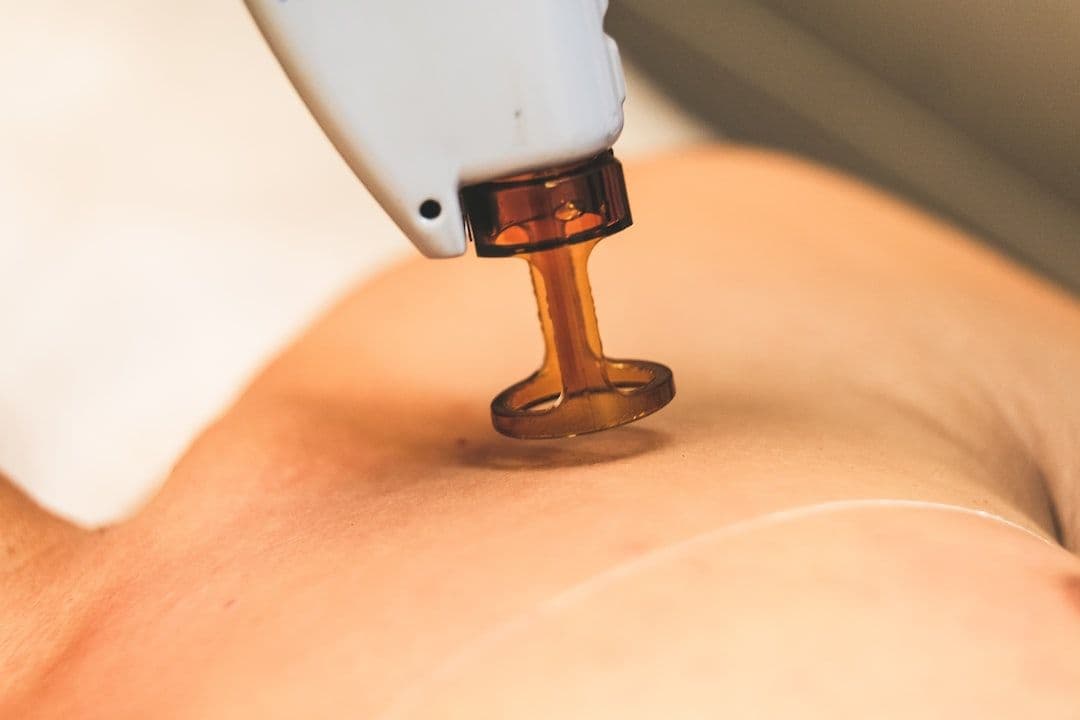
- Laser therapy: Advanced laser technologies effectively stimulate collagen remodeling and resurface the skin.
Selecting the appropriate method depends on the scar depth, scar subtype, and the individual's underlying skin condition.
How to prevent acne scars?
The most effective approach remains prevention:
- Treat acne early: Prevent inflammatory acne from prolonging or worsening through timely clinical evaluation and treatment.
- Avoid squeezing pimples: Manual extraction increases localized inflammation and aggravates tissue damage.
- Practice proper skincare: Cleanse the face gently and use skincare formulations appropriate for your specific skin type.
- Protect skin from sun exposure: UV radiation can exacerbate acne lesions and make scars more prominent.
If you are currently experiencing acne breakouts, seek early clinical consultation and treatment to minimize scar formation. BonBoz Clinic offers comprehensive acne treatment protocols, ranging from foundational medical care to intensive therapies, helping you control acne before it leaves permanent marks.
What if you already have acne scars?
Do not worry—even though they do not heal spontaneously, acne scars can certainly be improved. The degree of improvement depends on scar depth, skin age, and the selected treatment modality.
You should undergo an in-person consultation so a physician can evaluate your specific scar types and design an optimal treatment plan. BonBoz possesses extensive clinical experience in improving acne scars through proven, effective modalities to help you regain smoother skin.
Conclusion
Acne scars do not fill in on their own over time, but this does not mean you must live with them permanently. Prevention through early acne intervention is key; if scars have already formed, contact BonBoz Clinic for a specialized consultation to restore your smooth complexion.
Read more: 5 criteria for choosing a reputable acne scar treatment clinic in HCMC
Frequently Asked Questions
Can acne scars heal naturally over time?
No. Atrophic scars cannot completely fill in on their own over time because deep inflammatory acne damages the underlying collagen and elastin network, creating permanent indentations in the absence of clinical treatment.
Which types of acne are most likely to cause scarring?
Deep inflammatory acne lesions such as vesicles, pustules, and cystic nodules have a high propensity to cause atrophic scarring. Conversely, non-inflammatory comedones like blackheads or whiteheads rarely result in depressed scars.
What treatments are currently available to improve acne scars?
Acne scars can be improved using modern aesthetic treatments, including dermal filler (hyaluronic acid) injections, microneedling, chemical peels, or laser technologies designed for dermal collagen remodeling.
How can one prevent scarring while dealing with active acne?
To prevent scarring, you should seek early medical treatment for acne, strictly avoid manual popping or squeezing, adhere to a proper skincare regimen, and protect your skin against UV radiation.
Content compiled and medically reviewed by the clinical physician team at BonBoz Clinic.
1. What are the common types of atrophic acne scars?
Atrophic acne scars are clinically categorized into ice pick scars, rolling scars, and boxcar scars. Each scar type exhibits distinct structural characteristics and depths, influencing the selection of the most suitable treatment protocol. To accurately identify your scar types and their severity, visit BonBoz Clinic for a comprehensive direct evaluation by our specialist physicians.
2. Can home skincare improve atrophic acne scars?
Proper home skincare—particularly maintaining adequate hydration and diligent sun protection—supports overall skin barrier repair and helps fade post-inflammatory hyperpigmentation (PIH). However, once structural atrophic scars have formed, conventional topical skincare products cannot meaningfully elevate or fill the tissue defects. To achieve noticeable clinical improvement, consult with our specialist physicians at BonBoz Clinic for personalized, in-depth dermatological procedures tailored to your skin condition.
This article is for reference only and does not replace an in-person examination or a doctor's diagnosis. Actual results vary by individual condition.