
Blackheads
Blackheads are sebum plugs trapped within open hair follicles; the exposed surface oxidizes upon contact with air and turns black—not from dirt. They commonly appear on the nose, chin, and inner cheeks. Proper management includes BHA or prescription retinoids, periodic medical-grade extractions, and oil control; pore strips and manual squeezing enlarge the follicles, causing blackheads to recur quickly.
Compiled from BonBoz Clinic clinical documentation — currently in medical review
What Are Blackheads?
Sebum and dead skin cells accumulate inside hair follicles, forming a plug. If the pore opening remains closed, it becomes a whitehead or closed comedone; if the pore remains open, the exposed plug oxidizes in the air and turns dark—becoming a blackhead. This is why washing your face more thoroughly will not eliminate blackheads; the root cause is the plug deep inside, not surface dirt.
Why Do They Commonly Appear on the Nose?
The nose and T-zone have the highest density of sebaceous glands on the face and larger pores, causing plugs to form faster and become more visible. Oily skin, hormones, and overly rich skincare products make the condition more pronounced. Sebaceous filaments—the light gray dots distributed evenly across the nose—are a normal skin structure, not acne, and do not need to be "cured."
Can You Squeeze Blackheads?
Proper medical extraction (softening the follicle, using sterile tools, applying pressure in the correct direction) is a safe and integral part of treatment. In contrast, squeezing with fingers, using fingernails, or using pore strips does the opposite: tearing the pore opening, enlarging the pores, and pushing bacteria deeper, which leads to inflammation and post-inflammatory hyperpigmentation. The "clean" result after using pore strips lasts only a few days before new plugs form in pores that are now dilated even wider.
How to Manage Them and Prevent Recurrence
Use oil-soluble active ingredients inside the pores (BHA) 2–3 times a week; apply prescribed nighttime retinoids to regulate dead skin cells that clog follicles; control oil production and wear sunscreen to prevent further pore dilation; and schedule medical-grade extractions every 4–6 weeks as needed. A series of mild chemical peels can also help target densely congested T-zones.
How BonBoz Can Help
Our dermatologists conduct a thorough skin analysis to distinguish blackheads from sebaceous filaments and closed comedones, assess your skin's oil levels, perform professional medical extractions at the clinic, and prescribe a personalized home-care regimen to minimize recurrence. We are fully transparent about expectations: blackheads can be visibly reduced and appear much less frequently, but oily skin will naturally continue to produce new plugs if maintenance care is discontinued.
Severity levels
1
Mild — a few spots on the nose
Predominantly normal sebaceous filaments + occasional comedones. BHA and sunscreen are sufficient; no clinical intervention required.
2
Moderate — dense on the nose, chin, inner cheeks
Visible blackheads, dilated pores. Requires routine medical-grade extractions + prescription retinoids.
3
Severe — accompanied by blind pimples, inflammatory acne, post-acne marks
Widespread follicular occlusion, multiple lesions progressing to inflammation. Requires a comprehensive acne treatment protocol first.
When should you see a doctor?
- Blackheads accompanied by red, painful, swollen bumps — indicating that congested follicles have become inflamed.
- Enlarged pores on the nose and cheek areas after repeated home extractions or pore strips.
- You are unsure whether it is blackheads or normal sebaceous filaments.
- Over-the-counter products have shown no visible improvement after 2–3 months of use.
How BonBoz treats it
Medical-grade acne extraction
Softens follicles, uses sterile instruments, and applies directional pressure — clears impactions without enlarging pores.
Learn about this method →Prescription BHA/retinoid regimens
Dissolves intra-follicular sebum and normalizes cell turnover — the most sustainable approach to prevent recurrence.
Learn about this method →T-zone chemical peel
Supports clearing heavily congested follicles across a structured treatment course.
Learn about this method →Enlarged pore refinement
For pores significantly dilated from improper extraction — laser toning or RF microneedling.
Want a cost range for your own case?
Estimate the cost →Cost guidance
Medical-grade acne extractions and chemical peels are charged per session, with affordable prescription topical medications. Estimated price ranges are available in our cost calculator; the doctor will recommend a tailored treatment schedule following a skin analysis.
The final price follows the doctor’s recommendation after an in-person exam. A confirmed quote has no hidden extras.
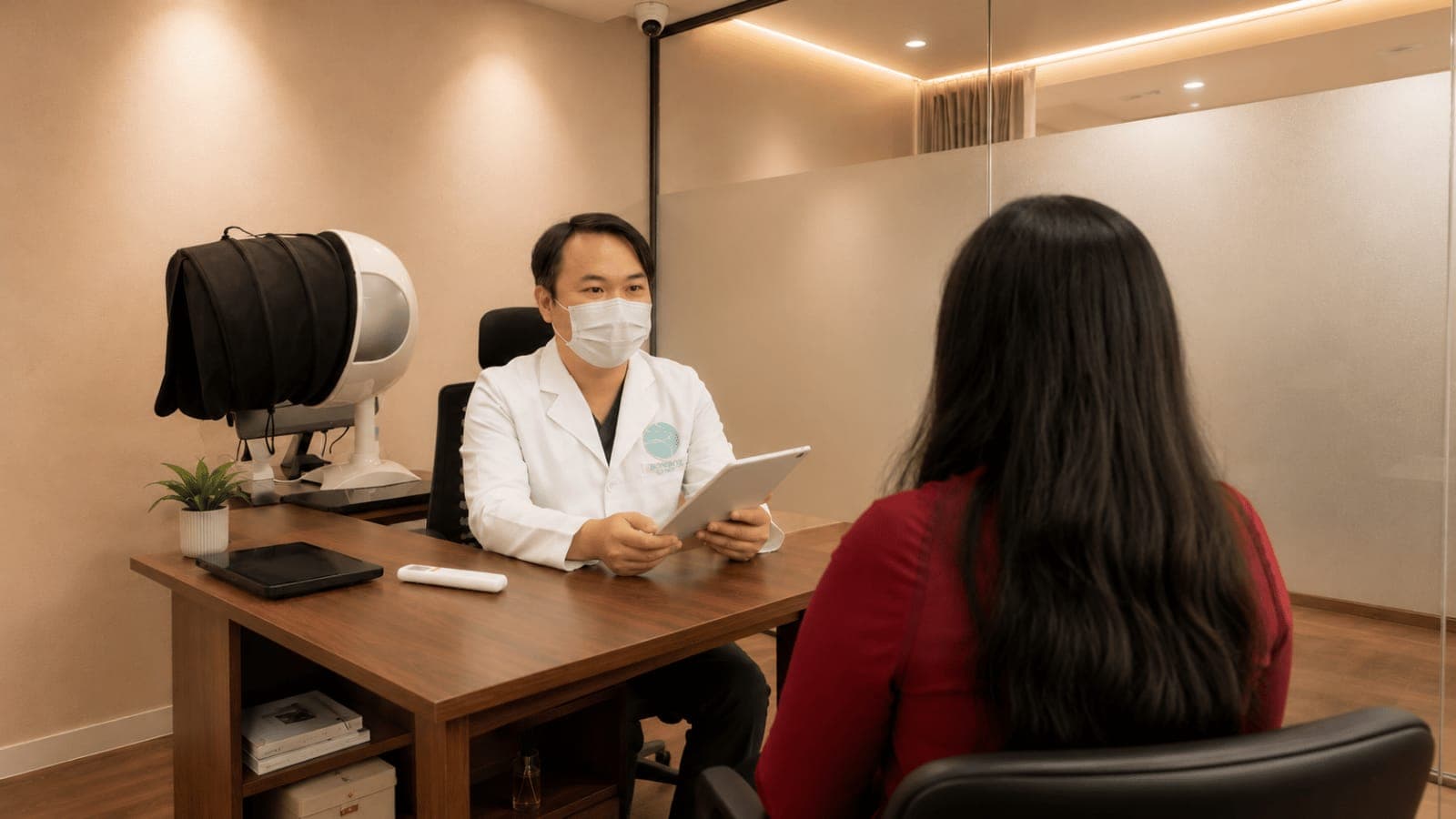
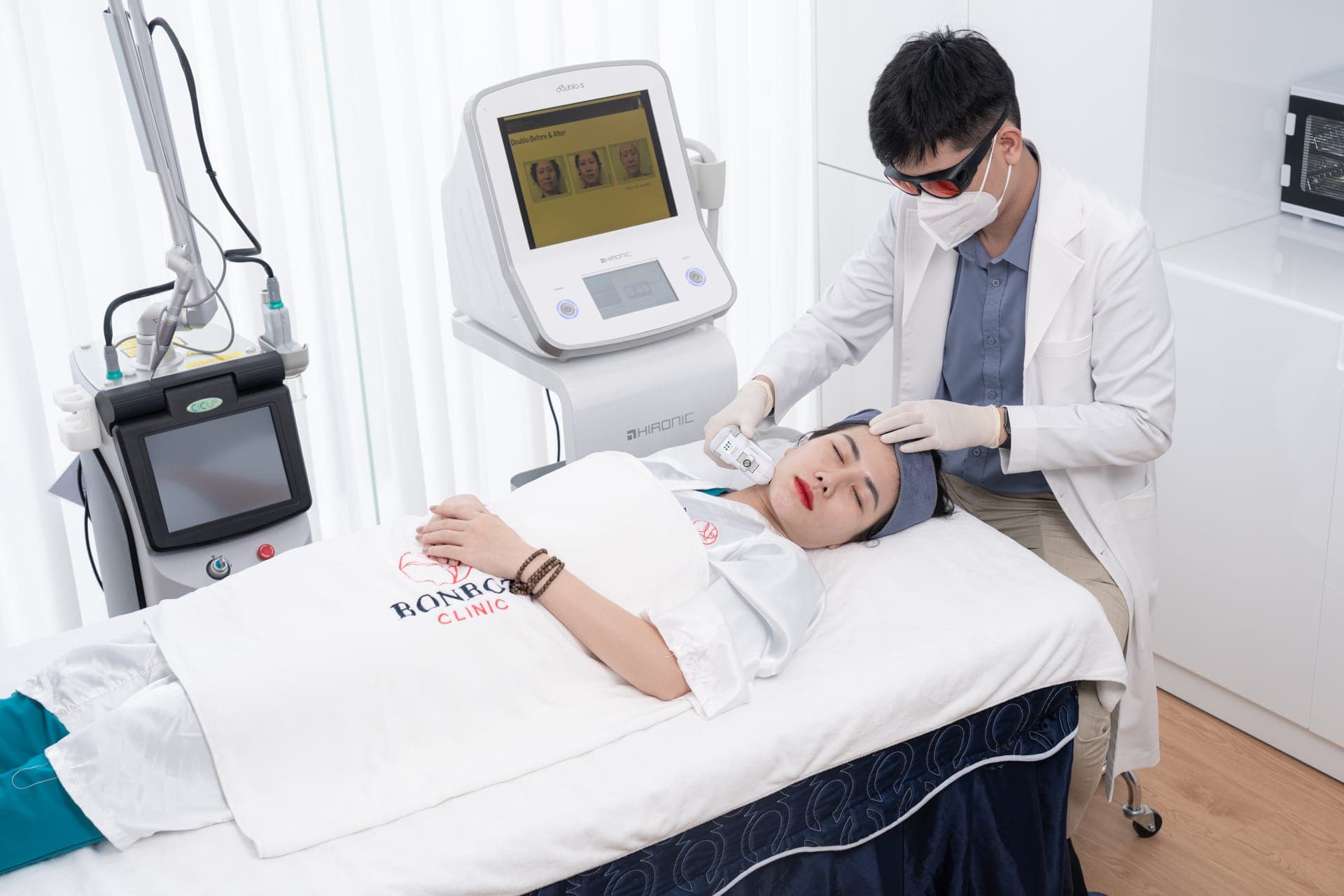
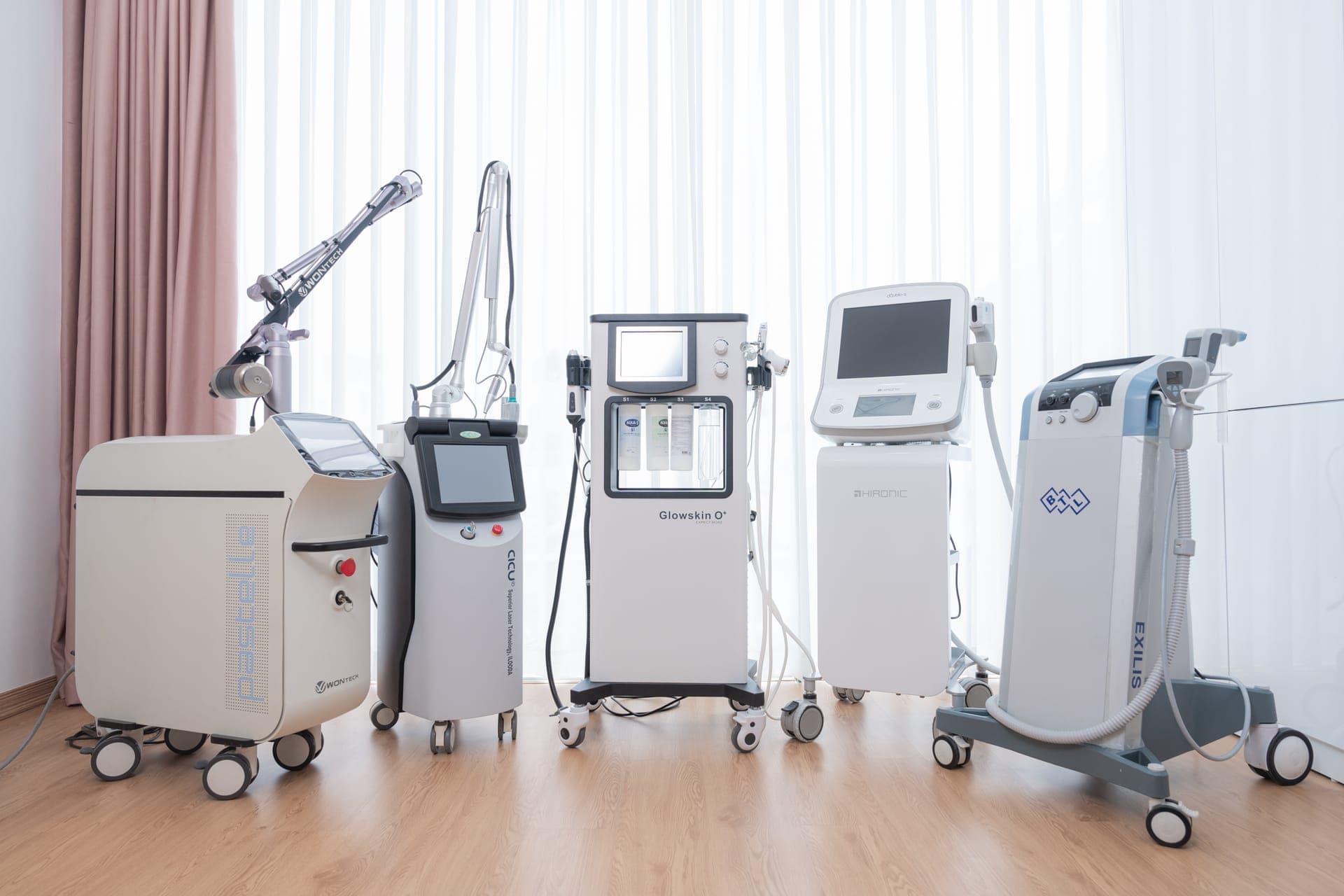
Inside the BonBoz clinic
Book a consultation with a doctor
Choose a date, time slot and doctor — the clinic calls to confirm within 5 minutes during opening hours. Free consultation, no commitment.
Frequently asked questions
Are blackheads caused by poor cleansing?
Are pore strips harmful?
How often should comedone extractions be performed?
What is the difference between BHA and AHA for blackheads?
Do sebaceous filaments need to be treated?
What about blackheads on the back?
Can retinoids be used for blackheads?
What should be applied after extractions?
Can blackheads be completely cured?
What is the difference between extractions at a regular spa versus a clinic?
Related topics
- Microneedling Costs: How Pricing Is Determined and When It Is Worth It
- Laser Atrophic Scar Treatment Costs: Per-Session and Package Pricing
- Medical-grade Acne Treatment Cost: Pricing per Session and Full Treatment Plans
- Medical-grade acne extraction: how it differs from spa extractions, the sterilization process, and which types of acne should not be extracted.
- Chemical Peels for Acne, Hyperpigmentation, and Dull Skin: Acid Types, Peel Depths, Procedure, and Contraindications
- Sensitive, Red, and Stinging Skin: A Damaged Skin Barrier Following Improper Treatment and the Recovery Protocol
More from our doctors
How to Get Rid of Blackheads on the Nose Permanently: A Guide from BonBoz
Blackheads on the nose can be completely resolved through a combination of proper skincare and professional treatments at a medical aesthetic clinic.
Should Blackheads Be Popped?
You should not extract blackheads at home. Improper extraction can easily lead to inflammation, post-inflammatory hyperpigmentation (PIH), and scarring—it is best to cleanse properly and let professionals handle the procedure when thorough removal is needed.
What is the difference between pitted scars and enlarged pores? Can they be treated at the same time?
How do atrophic scars and enlarged pores differ, why are they easily confused, can they coexist, and can they be treated simultaneously? — Helping you choose the right path.
Medical-Grade Acne Extraction Protocol: Proper Techniques to Prevent Scarring
Medical-grade acne extraction is a procedure performed by a qualified dermatologist, using sterile instruments and proper techniques to safely remove acne without damaging the skin.
How Many Times a Day Should You Wash Oily, Acne-Prone Skin? Doctor's Advice
Oily, acne-prone skin should not be washed more than 2–3 times a day. Over-washing dries out the skin, triggering excess oil production and worsening acne.