
Keloid Scars — Hypertrophic Scars
Keloids are an overgrowth of scar tissue that is raised and extends beyond the boundaries of the original wound. They are often itchy, red, firm, commonly develop on the chest, shoulders, ears, and jawline, and are associated with individual predisposition. Hypertrophic scars remain confined within the margins of the original wound and may subside on their own. Treatment involves multiple intralesional injections; simple surgical excision carries a high risk of recurrence.
Compiled from BonBoz Clinic clinical documentation — currently in medical review
How Do Keloids Differ from Hypertrophic Scars?
Both result from excessive collagen proliferation during wound healing. Hypertrophic scars remain confined within the boundaries of the original wound, develop early, and may gradually fade and flatten after 1–2 years. In contrast, keloids extend beyond the original wound margins, continue to grow over months or even years, do not regress spontaneously, and are often accompanied by noticeable itching and pain. Keloid formation is linked to individual predisposition and genetics; individuals with a history of keloids are highly prone to developing them at new wound sites.
Common Locations and Causes
Chests, shoulders, upper arms, earlobes (after piercings), jawlines (after cystic acne), and surgical sites. Any skin injury—inflammatory acne, piercings, surgery, burns, tattoos, chickenpox—can trigger keloid formation in predisposed individuals.
Why Simple Surgical Excision Is Not Recommended
Excision creates a new wound in an individual predisposed to keloids, and the recurrent scar is often larger than the original one. Surgical intervention is only considered when immediately combined with recurrence-prevention modalities (postoperative intralesional injections, pressure therapy, or superficial radiation therapy in select cases) and reserved for extensive scars that fail to respond to injections.
Evidence-Based Treatments
Intralesional corticosteroid injections administered every 3–6 weeks over multiple sessions help soften, flatten the scar, and relieve itching; other intralesional agents may be combined in refractory cases. Vascular lasers help reduce erythema and itching. Pressure garments and silicone gel sheets support healing and prevent recurrence. Cryotherapy is utilized for smaller scars. Results develop gradually, requiring recurrence monitoring for at least 1 year.
What BonBoz Does
Our dermatologists conduct clinical assessments to differentiate keloids from hypertrophic scars and rule out other lesions; design an intralesional injection regimen with scheduled follow-up milestones, combined with laser or pressure therapy when appropriate; and provide scar prevention guidance for new wounds in predisposed individuals. We maintain transparent communication: a keloid is a chronic scar tissue condition where the treatment goal is to flatten, soften, relieve itching, and prevent regrowth—not to 'completely erase' it.
Severity levels
1
Early hypertrophic scars (under 1 year)
Raised but confined to the original wound margins, still erythematous. Pressure therapy, silicone, potentially 1–2 injections; many cases resolve spontaneously.
2
Small keloids (under 2 cm)
Extending beyond the wound margins, pruritic. Intralesional injections every 3–6 weeks for 3–6 sessions, combined with vascular laser if erythematous.
3
Large, long-standing keloids
Firm, thick, painful and pruritic. Combination intralesional injections, consider surgical excision + recurrence prevention; long-term treatment plan.
When should you see a doctor?
- The scar continues to grow months after the wound has fully healed.
- The scar is itchy, painful, or red, interfering with daily activities or sleep.
- You are prone to keloids and plan to have surgery, body piercings, or tattoos — requiring a preventive plan.
- You have had keloid excision elsewhere and the scar has recurred even larger.
How BonBoz treats it
Intralesional injections
Corticosteroids (combined with other medications when needed) injected directly into the scar over multiple sessions — the cornerstone method.
Learn about this method →Vascular / anti-redness lasers
Reduce erythema and pruritus while softening the scar when combined with injection therapy.
Learn about this method →Pressure therapy, silicone sheets, cryotherapy
Support scar flattening and recurrence prevention, especially for new scars and post-intervention care.
Learn about this method →Surgical excision with recurrence prevention
Indicated only for large scars refractory to injections, strictly requiring immediate post-operative anti-recurrence protocols.
Learn about this method →Want a cost range for your own case?
Estimate the cost →Cost guidance
Intralesional injection is charged per session based on the scar's size (the 'small area keloid injection' package is a commonly selected service). A multi-session treatment plan is required; the doctor will provide an estimated number of sessions following your consultation. A reference price range is available in the cost estimator tool.
The final price follows the doctor’s recommendation after an in-person exam. A confirmed quote has no hidden extras.
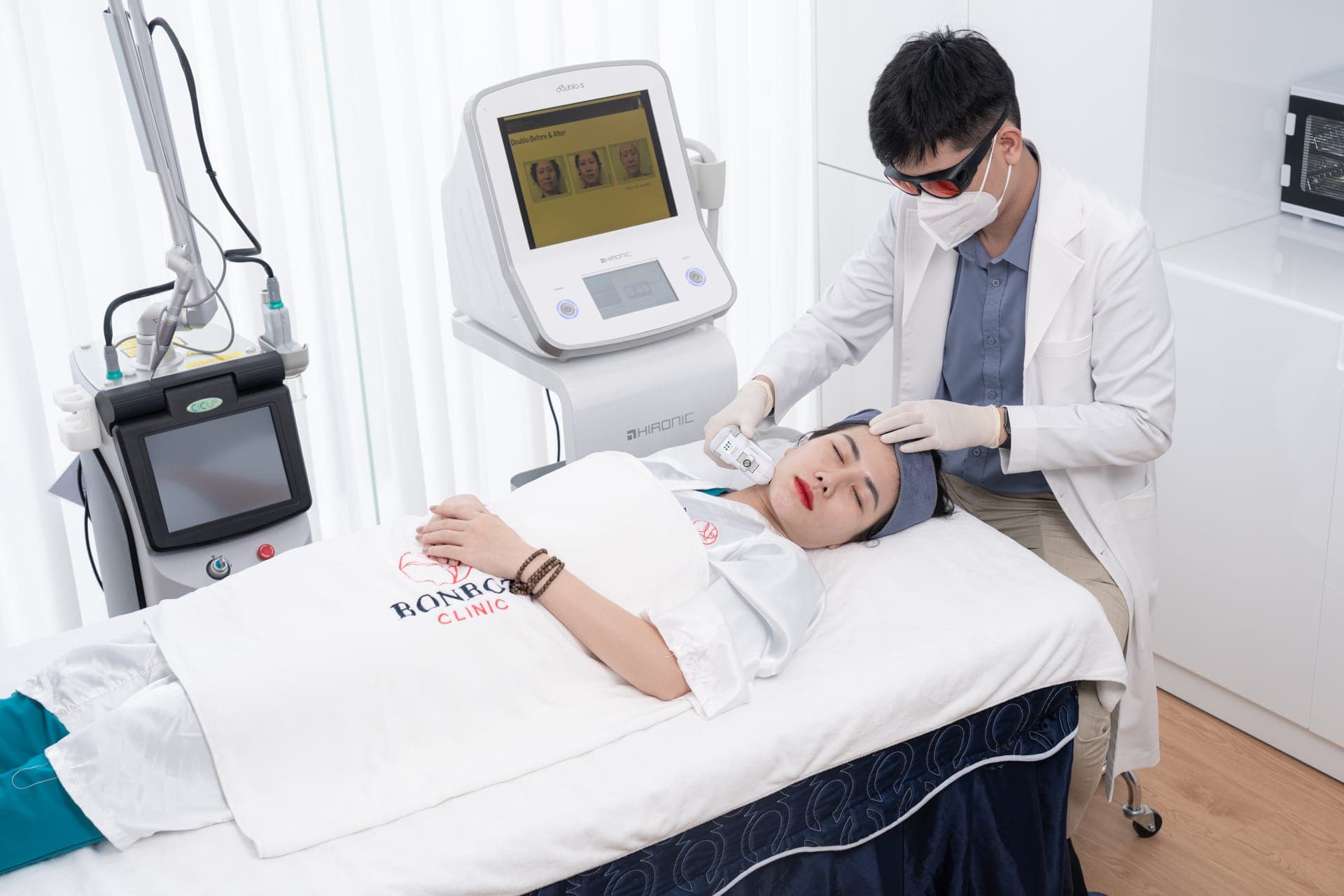
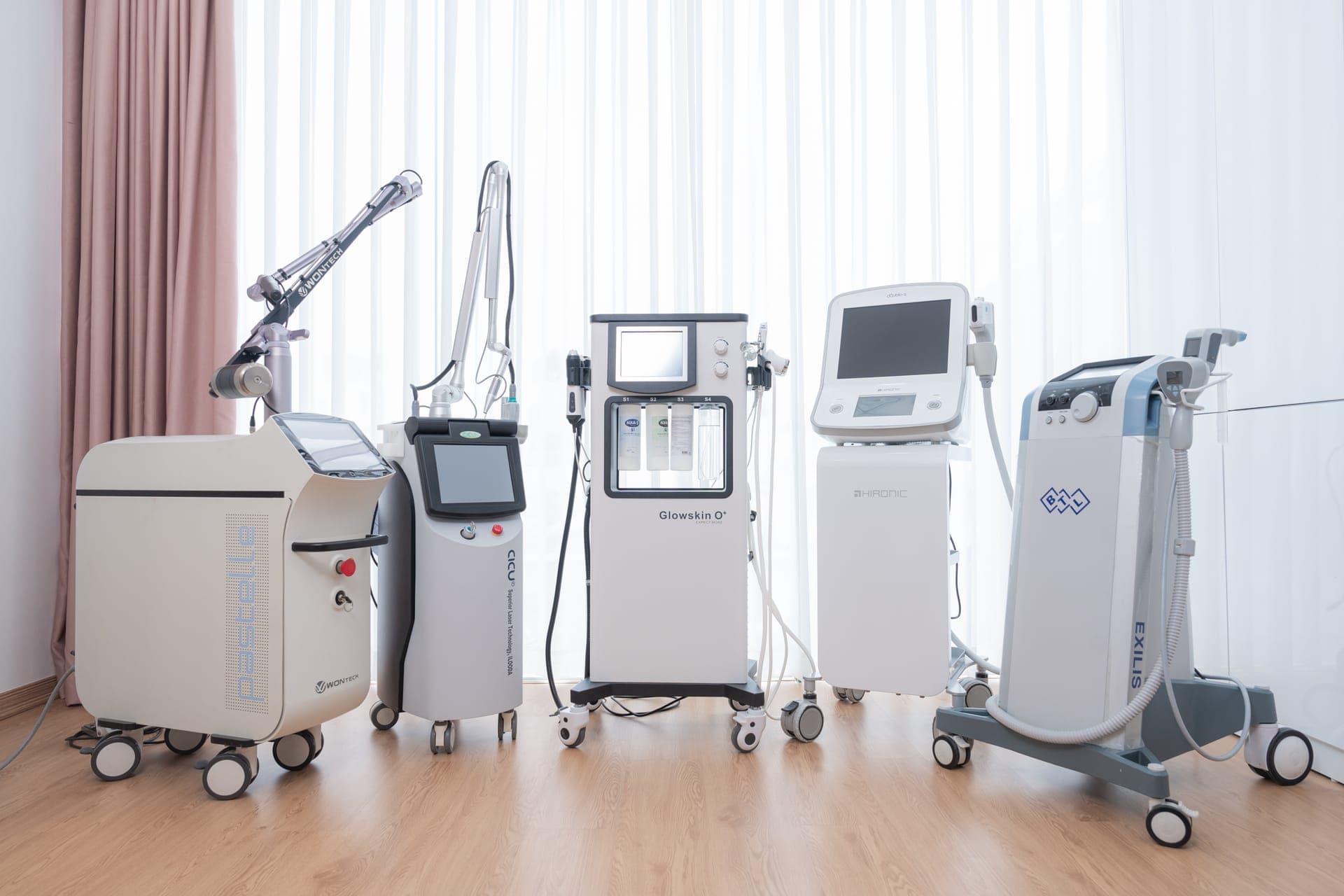
Inside the BonBoz clinic

Book a consultation with a doctor
Choose a date, time slot and doctor — the clinic calls to confirm within 5 minutes during opening hours. Free consultation, no commitment.
Frequently asked questions
Do keloids go away on their own?
Is keloid injection painful, and how many sessions are needed?
Are there any side effects from corticosteroid injections for scars?
Can keloids be surgically removed?
Can lasers treat keloids?
Are silicone gel sheets effective?
How are post-acne keloids on the jawline treated?
If I am prone to keloids, can I still get a rhinoplasty or eyelid surgery (blepharoplasty)?
Are keloids hereditary?
How long does it take to see the scar flatten?
Related topics
- Microneedling Costs: How Pricing Is Determined and When It Is Worth It
- Laser Atrophic Scar Treatment Costs: Per-Session and Package Pricing
- Medical-grade Acne Treatment Cost: Pricing per Session and Full Treatment Plans
- Medical-grade acne extraction: how it differs from spa extractions, the sterilization process, and which types of acne should not be extracted.
- Chemical Peels for Acne, Hyperpigmentation, and Dull Skin: Acid Types, Peel Depths, Procedure, and Contraindications
- Sensitive, Red, and Stinging Skin: A Damaged Skin Barrier Following Improper Treatment and the Recovery Protocol
More from our doctors
How do atrophic (pitted) scars differ from keloids and hypertrophic scars? Are their treatments the same?
Distinguishing Atrophic (Pitted) Scars from Keloids and Hypertrophic Scars: Mechanisms, Treatment Differences, and Identification Methods
The Difference Between Nodular Acne and Cystic Acne: Proper Skincare Guide
Nodular acne and cystic acne are two distinct conditions that require different treatment approaches. Understanding their differences will help you care for your skin more effectively.
Does rhinoplasty leave scars? What do the post-surgical marks look like?
Rhinoplasty may leave minor scars at the incision site, but they typically fade over time and become barely noticeable with proper aftercare.
How does the upper blepharoplasty incision fade over time? Does it leave visible scars?
Why double eyelid surgery (upper blepharoplasty) leaves minimal visible scarring, how the incision fades through different stages, and post-operative care for optimal scar fading.