
Types of Blepharoplasty: A Detailed Guide to Understanding Your Options
There are three main types of blepharoplasty: upper blepharoplasty, lower blepharoplasty, and combined upper and lower blepharoplasty. Each type serves a different purpose and addresses specific eye conditions.
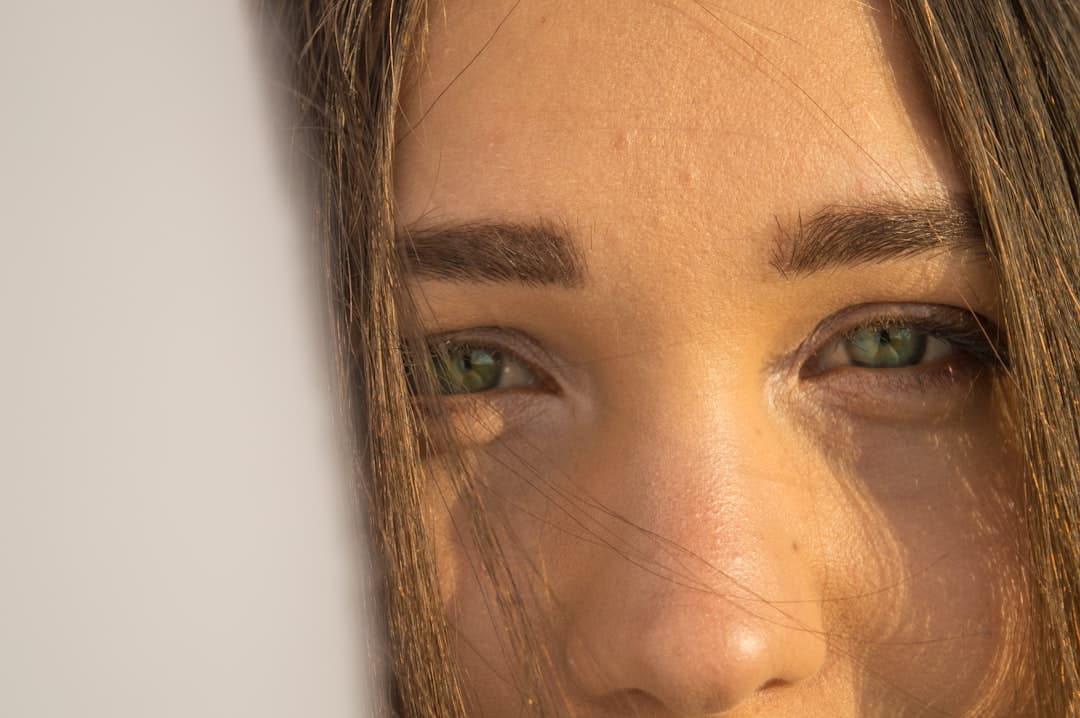
Types of Double Eyelid Surgery: A Detailed Guide to Help You Understand
Double eyelid surgery consists of three main types: upper blepharoplasty, lower blepharoplasty, and combined upper and lower blepharoplasty. Each type serves different purposes and addresses specific eye conditions.
Quick Summary: Double eyelid surgery is categorized into upper blepharoplasty (adjusting eye opening, creating double eyelids), lower blepharoplasty (lifting eye corners, reducing under-eye bags), and combined upper and lower blepharoplasty (transforming overall eye shape). A surgeon evaluates each individual's condition to select the most suitable approach, ensuring the eyes look bright, refreshed, and well-proportioned with facial features.
This comprehensive guide to double eyelid surgery techniques was compiled by BonBoz Clinic, an Aesthetic & Dermatology Clinic licensed by the Department of Health of Ho Chi Minh City (License No. 11113/HCM-GPHĐ) located at 66–68 Vo Van Tan, HCMC. The information has been clinically reviewed by Dr. Nguyen Xuan Vu, MSc, Specialist Level II, Medical Director of BonBoz Clinic, specializing in Plastic and Aesthetic Surgery with Practicing Certificate No. 007827/ĐL-CCHN issued by the Dak Lak Department of Health, who has personally examined and performed over 20,000 rhinoplasty, double eyelid surgery, and thread lift procedures over more than 15 years of experience.
Expert Insight: "Choosing the right double eyelid technique requires a thorough evaluation by a surgeon regarding individual eye conditions and facial anatomy to achieve the most natural and balanced outcome." — Dr. Nguyen Xuan Vu, MSc, Specialist Level II The choice of technique must adhere to professional plastic surgery principles based on personalized assessment.

Upper Blepharoplasty: Adjusting Eye Aperture and Definition
Upper blepharoplasty is the most common aesthetic eye procedure, utilized to create or deepen a double eyelid crease, elevate the eyelid platform, and widen the eye area. This procedure helps the eyes appear larger, brighter, and typically imparts a more youthful facial appearance. According to the NHS (UK), upper eyelid surgery involves removing excess skin, fat, or muscle from the eyelids.
The upper blepharoplasty process begins with the surgeon measuring the eyelid crease position, evaluating skin laxity, and analyzing eyelid fat distribution. The goal is to design a natural crease that is symmetrical on both sides and harmonizes with your personal features. Surgeons at BonBoz utilize a scar-concealing suturing technique aligned precisely with the natural eyelid fold to achieve the most seamless results.
Following the procedure, you may experience a heavy sensation in the eyes or difficulty closing them completely during the first few days. This is normal. Suture removal takes place on day 7 at the clinic (MedlinePlus notes that surgeons remove stitches 5–7 days post-operation), and adhering strictly to post-operative instructions is vital for optimal recovery.
Lower Blepharoplasty: Elevating Eye Corners and Reducing Under-Eye Bags
Lower blepharoplasty is typically indicated when you wish to reduce under-eye bags (orbital fat prolapse), lift the eye corners, or give the eyes a more rested and dynamic appearance. This procedure also refines the eye width and elevates the outer canthus. The NHS (UK) describes lower eyelid surgery as repositioning or removing fat from under-eye bags, occasionally alongside a small amount of skin.
This technique is more complex than upper blepharoplasty because lower eyelid tissue is thinner and more delicate. It demands meticulous surgical precision to ensure complete eyelid closure and prevent dry eye symptoms — MedlinePlus (U.S. National Library of Medicine) lists difficulty closing the eyes during sleep and dry eyes among potential surgical risks. The workflow mirrors upper blepharoplasty: precise measurement, meticulous surgical design, and execution under local anesthesia.
On day 7, sutures are removed. The recovery period for lower blepharoplasty may take slightly longer than upper blepharoplasty, as this region is more prone to post-operative swelling.
Combined Upper and Lower Blepharoplasty: Complete Eye Contour Transformation
Combined upper and lower blepharoplasty is indicated when you want a complete transformation of your eye shape, creating larger, brighter, and fully rejuvenated eyes. This approach integrates the benefits of both upper and lower eyelid surgery to achieve comprehensive aesthetic harmony.
Executing combined blepharoplasty requires advanced surgical expertise to ensure strict symmetry while safeguarding ocular function and preventing dry eyes. This option is generally chosen by individuals seeking significant, noticeable rejuvenation. While the surgical duration is longer, your surgeon will explain each step in detail beforehand.
Post-Operative Care for Blepharoplasty
Regardless of the surgical technique performed, diligent post-operative care is essential to achieve optimal results and prevent complications. BonBoz provides specific guidelines for each stage of healing:
First two days (Days 1–2): Apply cold compresses for 10–15 minutes per session, once every hour. Cold application helps reduce swelling and alleviate discomfort (MedlinePlus: place cold packs on the surgical site to minimize swelling and bruising).
From Day 3 onward: Transition to warm compresses to promote blood circulation and relieve tissue stiffness.
Dietary restrictions for 1 month: Avoid seafood, beef, glutinous rice, water spinach, alcohol, and stimulants. These foods may exacerbate inflammation, prolong swelling, and delay the healing timeline.
Incision site care:
- Avoid eye makeup for 1 month.
- Refrain from wearing contact lenses for 1 month.
- Do not rub your eyes; gently cleanse using sterile physiological saline solution.
- Avoid rigorous showering/hair washing, ensuring water does not flow directly into the eyes.
Follow-up schedule: Day 7 for suture removal, followed by structured follow-up visits at weeks 1–3, month 1, month 3, and month 6 to monitor the tissue healing progression.
Contact your surgeon immediately if you experience:
- Abnormal, severe swelling, active purulent discharge, or excessive bleeding.
- Fever above 38.5°C.
- Rapidly spreading erythema (redness) around the surgical area.
- Inability to close the eyelids completely after 1 week.
The NHS (UK) also advises contacting your surgical clinic immediately if you develop severe pain or any unusual symptoms.

How to Choose the Right Double Eyelid Technique
Deciding on the appropriate blepharoplasty technique is not a decision you make alone; it must be guided by a professional clinical consultation. The surgeon will examine your ocular anatomy, assess eyelid skin laxity, evaluate fat distribution, and analyze overall facial bone structure to recommend the optimal surgical plan.
The consultation process typically includes:
- 1Detailed clinical eye examination, measuring crease height, degree of skin laxity, and eyelid fat volume.
- 2Discussing your aesthetic goals: whether you aim for wider eyes, reduction of under-eye bags, or full contour reshaping.
- 3Providing tailored surgical recommendations based on anatomical assessment and personal preferences.
- 4Reviewing each surgical option in detail, including recovery expectations and crucial post-operative considerations.
- 5Finalizing the tailored surgical plan collaboratively before proceeding to the operating room.
Do not worry about the options — the surgical team at BonBoz will guide you toward a solution that looks natural, balances with your facial features, and achieves your aesthetic goals.
Conclusion
Double eyelid surgery is a well-established procedure capable of delivering dramatic aesthetic enhancements when performed with sound clinical technique and accompanied by proper post-operative care. The three primary modalities — upper blepharoplasty, lower blepharoplasty, and combined blepharoplasty — each offer distinct advantages tailored to individual anatomical needs and aesthetic desires.
If you are considering double eyelid surgery, schedule a consultation with the surgical team at BonBoz for an in-depth clinical evaluation. Your surgeon will clearly explain the options, address all inquiries, and ensure you have a thorough understanding of the entire process before deciding.
Read more: 5 criteria for choosing the best double eyelid surgery clinic in HCMC


Frequently Asked Questions
Does upper or lower blepharoplasty take longer to recover?
In general, lower blepharoplasty may require a slightly longer recovery window because the lower eyelid tissue is particularly delicate and susceptible to edema. However, the core clinical timeline (suture removal on day 7) remains identical. The difference typically spans only a few days, largely depending on individual metabolic healing rates — every patient recovers at their own pace.
Why must I avoid seafood and alcohol for 1 month after double eyelid surgery?
These foods and substances can trigger inflammatory responses, increase the propensity for post-operative bleeding, or prolong the scar maturation process. Alcohol also thins the blood, raising the risk of prolonged bruising or bleeding at the incision site. Adhering to these dietary restrictions for 1 month accelerates incision healing, minimizes swelling, and ensures the best aesthetic outcome.
Are there methods to minimize scarring after double eyelid surgery?
BonBoz employs an advanced scar-concealing suturing technique aligned precisely with the natural eyelid crease, executed by highly experienced surgeons. This ensures that surgical marks remain virtually unnoticeable. Nonetheless, the final scar quality also depends on individual skin genetics, age (younger skin generally exhibits faster cellular repair), and adherence to post-operative instructions. Meticulous aftercare during the first month is critical to optimizing scar healing.
What should you expect to see immediately after double eyelid surgery?
Immediately following surgery, the eye area will exhibit local swelling and mild ecchymosis (bruising). Swelling subsides significantly after 3–5 days, though the newly created crease may still feel slightly firm. By weeks 2–3, the crease softens gradually, settling into a much more natural appearance. Between months 1 and 3, incision marks fade progressively, revealing the final, refined surgical result.
How soon after double eyelid surgery can you wear makeup again?
It is generally advised to wait at least 1 month before applying eye makeup. Applying cosmetic products prematurely increases the risk of bacterial infection, irritates healing incisions, and may compromise the final aesthetic result. Follow your surgeon's specific guidance and verify tissue stability during your follow-up visits before resuming eye makeup.
1. Who is an ideal candidate for double eyelid surgery?
Ideal candidates are generally individuals with skin laxity or excess fat in the upper eyelids leading to ptosis (drooping eyelid), or those with under-eye bags (orbital fat prolapse) and excess skin in the lower eyelids. Candidates should be in good general health without underlying medical conditions that could interfere with surgery or recovery. Most importantly, an in-person clinical assessment with a specialist surgeon at BonBoz Clinic is required to evaluate your specific anatomy and advise the most appropriate surgical plan.
2. How does double eyelid surgery (incisional upper blepharoplasty) differ from suture double eyelid technique?
Double eyelid surgery (upper blepharoplasty) is an incisional surgical procedure that creates a permanent eyelid crease while excising redundant skin and excess orbital fat through a precise incision. In contrast, the suture (non-incisional) double eyelid technique is a non-surgical procedure that utilizes sutures to anchor the eyelid skin to the underlying levator muscle without removing excess skin or fat. Each technique is indicated for distinct anatomical profiles and aesthetic goals. A specialist surgeon at BonBoz Clinic will help determine the optimal approach based on your eyelid anatomy and clinical indications.
References
- NHS (UK) — Eyelid surgery (blepharoplasty), accessed 22/09/2026
- MedlinePlus — Eyelid lift, accessed 22/09/2026
This article is for reference only and does not replace an in-person examination or a doctor's diagnosis. Actual results vary by individual condition.