
Where to Find a Trustworthy Rhinoplasty Clinic in Ho Chi Minh City? 6 Criteria to Check Before Choosing
Where to get a trusted rhinoplasty in Ho Chi Minh City — 6 self-verifiable criteria: surgeon's specialization, actual case volume, operating license, consultation process, transparent pricing, post-operative follow-up.

Quick summary: Finding a reputable rhinoplasty clinic in Ho Chi Minh City depends on 6 verifiable criteria prior to booking: whether the doctor is properly specialized in Plastic and Reconstructive Surgery, the number of actual surgeries performed, the clinic’s operating license, the pre-operative consultation process, pricing transparency, and post-operative follow-up care. There is no official "reputation ranking" — these criteria must be verified independently.
Why Is Choosing the Right Rhinoplasty Surgeon and Clinic Crucial?
Rhinoplasty is a surgical procedure, not a simple beauty service — it is invasive, involves local or general anesthesia, and requires recovery time. Outcomes and safety depend largely on the surgical skills of the operating physician and the medical facility's standards, not on advertisements or online before-and-after photos. The 6 criteria below can be verified independently without relying on marketing claims.
Criterion 1: Is the Doctor Properly Board-Certified in Plastic and Reconstructive Surgery?
In Vietnam, not everyone wearing a white coat is a plastic surgeon. You should ask directly:
- Does the operating surgeon hold specialist qualifications in Surgery – Plastic and Reconstructive Surgery, or are they merely aesthetic technicians/practitioners?
- What is the doctor’s medical practice certificate number, and which Department of Health issued it?
- Is the doctor currently practicing or have they previously practiced at a specialized hospital or clinic?
How to verify independently without relying on the clinic’s claims: practice certificate numbers can be looked up on the public portal of the issuing Department of Health — every valid certificate is recorded in this database.
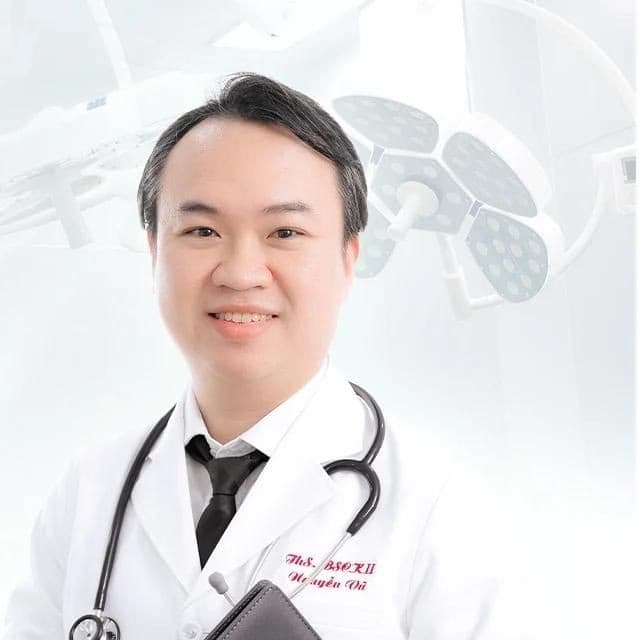
For example, at BonBoz Clinic, the surgeon directly in charge of rhinoplasty is Dr. Nguyen Xuan Vu, MSc, Specialist Level II (Plastic and Reconstructive Surgery), Practice Certificate No. 007827/DL-CCHN issued by the Dak Lak Department of Health, currently practicing at the Ho Chi Minh City Hospital of Dermato-Venereology.
Criterion 2: Clinical Experience — How Many Cases and Years of Practice?
Years of practice and the number of performed cases are two distinct metrics — 10 years with few cases differs vastly from 10 years with thousands of cases. Ask specifically:
- Approximately how many rhinoplasty surgeries has the doctor performed to date?
- Do they have experience handling complex cases (failed primary surgeries, keloid-prone tissue)?
- Have they participated in surgical charity missions or international medical organizations to validate their surgical expertise?
These are specific metrics rather than generalized claims like "years of experience" — the more specific the data, the more credible it is.
Criterion 3: Clinic Operating License
Any clinic performing cosmetic surgery must hold an operating license issued by the Department of Health — fundamentally different from spas or beauty salons that are unauthorized to perform surgery. How to verify:
- Request the operating license number and issuing authority, then cross-reference it on the clinic’s official website or on-site signage.
- Distinguish clearly: a specialized clinic (licensed for surgery) differs from a spa/beauty salon (not licensed for invasive procedures).
If a facility avoids questions regarding its operating license, that is a red flag to reconsider.
Criterion 4: Pre-Operative Consultation Process
A successful rhinoplasty begins with a comprehensive consultation, not by selecting a pre-set shape from a poster. A credible consultation process typically includes:
- The doctor personally examining and measuring your actual nasal anatomy and facial proportions — not delegating shape selection to sales consultants.
- Clearly explaining which surgical approach suits your tissue anatomy (structural rhinoplasty, semi-structural rhinoplasty...) and the clinical rationale, rather than applying a single method to everyone.
- Reviewing medical history, allergies, and current medications before indicating surgery.
If the consultation process feels rushed and lacks direct examination by a doctor, it should be questioned.
Criterion 5: Transparent Pricing Without Hidden Costs
Rhinoplasty costs vary depending on the surgical approach (structural, semi-structural), grafting materials used, and each individual's anatomical condition — there is no single fixed price for all patients. A reputable clinic will:
- Provide a specific quotation AFTER an in-person examination, not via text messages without evaluating actual anatomical conditions.
- Clearly specify what the price includes (materials, follow-up visits, medications) — avoiding unexpected costs midway.
- Refrain from using "shock pricing" tactics to pressure fast decisions — this is surgery, not retail promotional sales.
Criterion 6: Post-Operative Monitoring and Follow-Up Care
The completion of surgery does not conclude the clinic's medical responsibility. Ask before making a decision:
- Is there a structured post-operative follow-up schedule (typically several milestones during the initial weeks)?
- If abnormal signs arise (asymmetrical swelling, persistent pain, infection), who is the primary contact, and what is the clinical protocol?
- Does the operating surgeon directly conduct your follow-up examinations, or is it delegated to staff unfamiliar with your case details?
The healing process for rhinoplasty spans several weeks, with swelling subsiding across specific stages — individual recovery rates vary, and direct monitoring by the operating surgeon is essential to properly assess your personal progress. (See also: "How long does it take for swelling to subside after rhinoplasty?" for detailed recovery timelines.)
Considering BonBoz Clinic
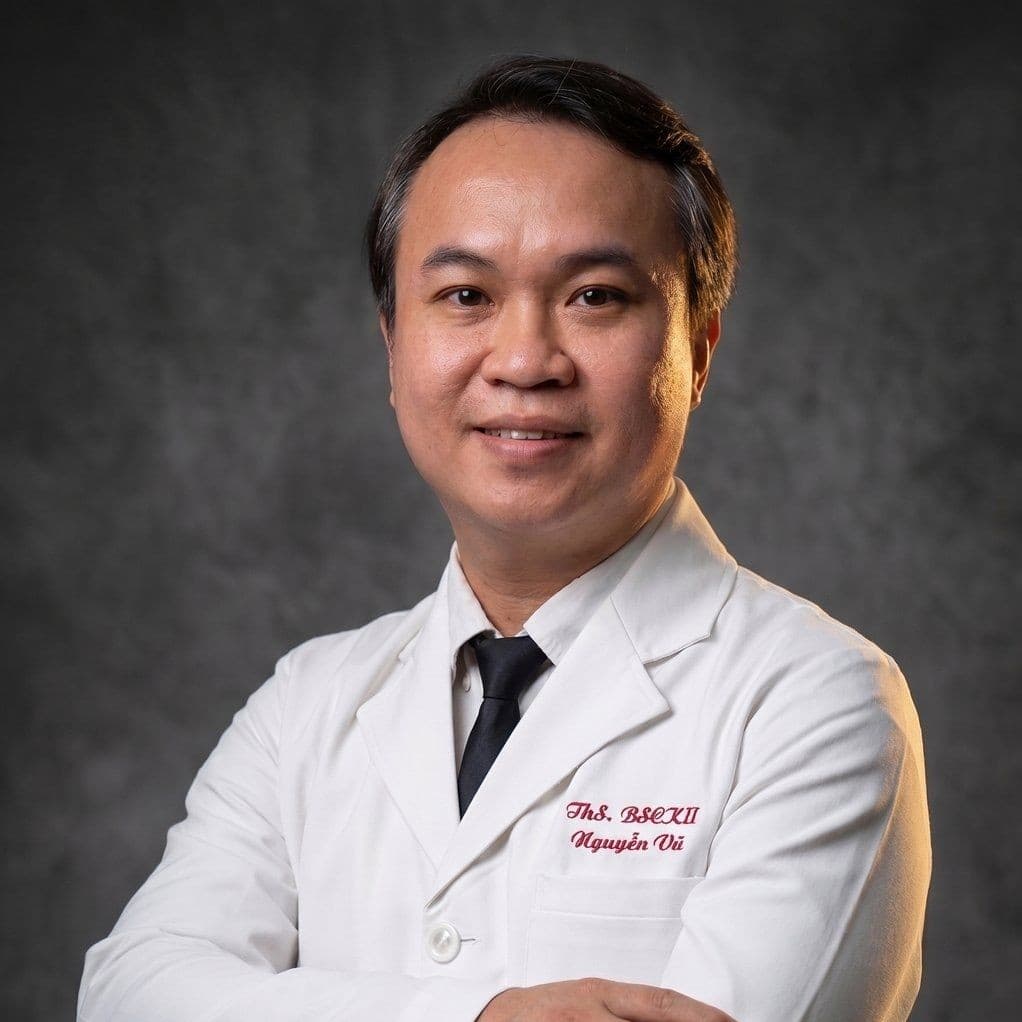
BonBoz Clinic is located at 66–68 Vo Van Tan, Xuan Hoa Ward, Ho Chi Minh City, operating under License No. 10036/HCM-GPHD (Plastic Surgery Specialty) issued by the Ho Chi Minh City Department of Health. The surgeon directly in charge of rhinoplasty is Dr. Nguyen Xuan Vu, MSc, Specialist Level II (Plastic and Reconstructive Surgery), with over 15 years of experience, over 20,000 surgical procedures performed, currently practicing at the Ho Chi Minh City Hospital of Dermato-Venereology. You may book an in-person consultation directly with the doctor for anatomical nasal examination, precise facial measurements, and tailored surgical recommendations — no predetermined outcomes are promised before direct clinical evaluation, as biological responses vary per individual. (See also: "How to choose a reputable aesthetic clinic: 5 essential criteria" — standards applicable across all aesthetic services.)
Frequently Asked Questions
How do I identify a reputable rhinoplasty clinic in Ho Chi Minh City?
There is no official ranking for "reputation" — the most reliable method is to independently verify 6 criteria: a board-certified plastic surgeon (verifiable on the Department of Health portal), actual surgical case volume, the clinic’s operating license, an in-person clinical consultation process, transparent pricing, and structured post-operative care protocols.
What qualifications define a skilled rhinoplasty surgeon?
The surgeon must hold formal qualifications in Surgery – Plastic and Reconstructive Surgery, a valid medical practice certificate issued by the Department of Health (verifiable via public portals), and documented clinical experience measured by specific procedure volumes — rather than generalized years in practice.
How much does structural rhinoplasty cost in Ho Chi Minh City?
Costs vary depending on the surgical technique (structural rhinoplasty or semi-structural rhinoplasty), grafting materials, and individual anatomical conditions — there is no uniform fixed price. A reputable clinic provides a precise quotation following an in-person doctor examination, rather than providing remote estimates without prior evaluation.
How long does it take for a rhinoplasty to heal completely?
Tissue healing spans several weeks, with swelling resolving gradually across multiple stages; however, precise recovery rates depend on individual physiological factors. Consistent follow-up evaluations by the operating surgeon are necessary to accurately assess your specific healing trajectory.
References
- ASPS — Patient safety, accessed 03/10/2026
- NHS — Cosmetic procedures, accessed 03/10/2026
1. How long do rhinoplasty results last, and what precautions ensure long-term stability?
The longevity of rhinoplasty results depends on several factors, including surgical technique, grafting materials, and individual tissue characteristics. To preserve long-term structural stability, it is essential to follow post-operative care instructions strictly, prevent physical trauma to the nose, and attend all scheduled follow-up visits. Doctors at BonBoz Clinic provide individualized medical guidance regarding post-surgical care and protection of the nasal structure.
This article is for reference only and does not replace an in-person examination or a doctor's diagnosis. Actual results vary by individual condition.